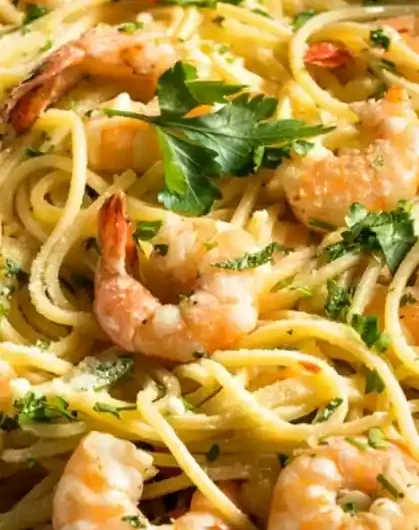
This buttery garlic shrimp pasta is a quick yet sophisticated meal perfect for any night of the week. It combines fresh citrus and savory garlic to create a light, flavorful sauce that coats the noodles perfectly.
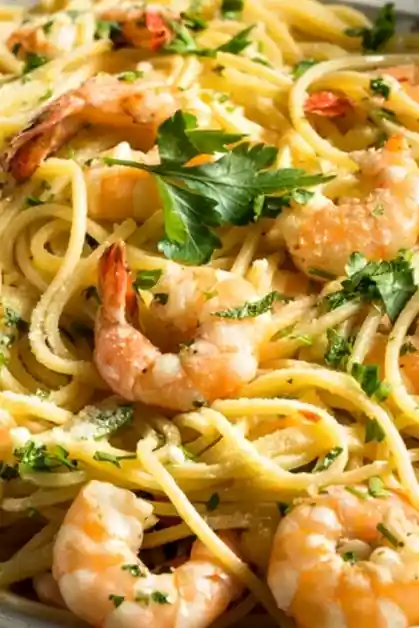
List of ingredients
- 1 1/2 tablespoon kosher salt – used for both pasta water and seasoning.
- 1 pound linguine – provides a mild base for the sauce.
- 4 tablespoons unsalted butter – adds richness and velvetiness to the sauce.
- 3 tablespoons olive oil – helps with searing and prevents butter from burning.
- 1 shallot, diced – offers a subtle sweetness.
- 2 tablespoons minced garlic (5 cloves) – the primary aromatic flavor.
- 1 lemon, zest grated – adds bright citrus notes.
- 1 1/2 pound large shrimp (about 20-24 shrimp), peeled and deveined – the main protein.
- 1/2 teaspoon freshly ground black pepper – for basic seasoning.
- 1/2 cup chopped fresh parsley leaves – adds color and a fresh herbal finish.
- 1/2 cup freshly squeezed lemon juice (3 lemons) – provides necessary acidity.
- 1/2 lemon, thinly sliced in half-rounds – for garnish and extra zest.
- 1/4 teaspoon hot red pepper flakes – adds a hint of warmth.
step-by-step instructions
- Prepare the Pasta Water: Fill a large pot with water, stir in 1 tablespoon of kosher salt, and bring it to a rolling boil.
- Sauté the Aromatics: While waiting for the water, melt 2 tablespoons of butter and 1 tablespoon of olive oil in a large skillet over medium heat. Add diced shallots, red pepper flakes, minced garlic, and lemon zest, sautéing until the shallots are transparent.
- Cook the Pasta: Add the linguine to the boiling water and cook for 6-8 minutes, stirring occasionally to prevent sticking.
- Save Water and Drain: Before draining the pasta, reserve one cup of the starchy pasta water. Drain the linguine and set it aside.
- Sear the Shrimp: Pat the shrimp dry with paper towels and season with the remaining salt and pepper. Add them to the skillet with the shallots and cook for 2-3 minutes until pink on both sides.
- Remove Seafood: Once cooked, remove the shrimp from the pan and set them aside on a plate to avoid overcooking.
- Deglaze the Pan: Pour the lemon juice into the skillet and let it bubble to incorporate the browned bits from the bottom.
- Finish the Sauce: Stir in the remaining 2 tablespoons of butter and olive oil. Once fully melted, return the cooked shrimp to the pan.
- Combine Ingredients: Stir in the chopped parsley, the reserved cup of pasta water, and the cooked linguine.
- Final Seasoning: Mix everything well, adding extra salt and pepper if needed. Serve immediately with fresh lemon slices on top.
Cooking Secrets for Premium Results
Pat Shrimp Thoroughly Dry
Before adding the shrimp to the pan, use paper towels to remove all surface moisture. Excess water creates steam, which prevents the shrimp from searing and developing a golden-brown crust. Dry shrimp brown faster and maintain a firmer texture.
Avoid Overcooking the Seafood
Shrimp cook very quickly and can become rubbery if left in the heat too long. Remove them from the pan as soon as they turn pink and form a C-shape. Avoid letting them curl into a tight O-shape, which indicates overcooking.
Sauté Aromatics on Medium Heat
Garlic and shallots can burn quickly, becoming bitter if the heat is too high. Keep the skillet at a steady medium heat to ensure the aromatics soften and release their oils without scorching. If the garlic browns too quickly, lower the heat immediately.
Emulsify with Pasta Water
The reserved pasta water is rich in starch, which helps bind the butter and lemon juice into a cohesive sauce. Adding this water prevents the sauce from separating and allows it to cling to the linguine noodles. Stir vigorously to create a glossy finish.
Alternative Ingredient Options
Switching to Gluten-Free Pasta
If you prefer gluten-free options, brown rice or corn-based linguine works well. Be mindful that gluten-free pastas often have different boiling times and can break more easily. Check the package instructions and stir gently to avoid tearing the noodles.
Low-Carb Vegetable Noodles
Zucchini noodles or spaghetti squash are excellent low-carb substitutes for linguine. Sauté these separately or add them at the very end of the process. Since vegetable noodles release a lot of water, avoid adding the reserved pasta water when using these alternatives.
Dairy-Free Butter Alternatives
To make this recipe dairy-free, replace the unsalted butter with a plant-based butter alternative or additional olive oil. While plant-based butters mimic the flavor, extra olive oil will result in a lighter, more Mediterranean-style sauce. Adjust the salt levels as plant-based butters vary in sodium.
Using Different Shrimp Sizes
While large shrimp are recommended, jumbo shrimp can be used for a more decadent feel. Jumbo shrimp will require an extra minute of cooking time per side. Smaller shrimp will cook much faster, so reduce the searing time to avoid toughness.
Flavor Enhancements and Variations
Increasing the Spicy Kick
For those who enjoy more heat, increase the red pepper flakes to 1/2 or 3/4 of a teaspoon. You can also add a pinch of cayenne pepper during the shrimp seasoning phase. This adds a deeper, more lingering heat that complements the lemon acidity.
Adding Fresh Leafy Greens
Fold in a handful of fresh baby spinach or arugula just before adding the pasta. The residual heat from the sauce will wilt the greens in seconds. This adds nutritional value and a peppery contrast to the buttery sauce.
Incorporating More Umami
A small teaspoon of white miso paste or a splash of coconut aminos can add depth to the sauce. Stir these in during the deglazing phase with the lemon juice. This enhances the savory notes of the garlic and shallots without overpowering the shrimp.
Using Different Fresh Herbs
While parsley is traditional, fresh basil or chives provide a wonderful alternative. Basil adds a sweet, peppery note, while chives offer a mild onion flavor. Always add fresh herbs at the very end to preserve their bright color and flavor.
Serving and Pairing Recommendations
Pairing with Fresh Green Salads
A crisp arugula salad with a simple lemon-olive oil vinaigrette balances the richness of the butter sauce. The bitterness of the arugula cuts through the fat of the butter. Keep the salad dressing light to avoid overwhelming the pasta.
Serving with Roasted Vegetables
Roasted asparagus or air-fryer Brussels sprouts are excellent side dishes for this meal. The charred flavor of roasted vegetables complements the garlicky shrimp. Serve these on the side or toss them directly into the pasta for a one-pot feel.
Accompanying with Crusty Bread
Warm garlic bread or a sliced baguette is essential for soaking up the leftover lemon-butter sauce. Toast the bread with a bit of olive oil and salt in the oven. This ensures no part of the flavorful sauce goes to waste.
Choosing the Right Beverage
Since the dish is bright and acidic, pair it with a chilled sparkling water with a twist of lime. A non-alcoholic white grape spritzer also works well. These options cleanse the palate between bites of rich, buttery pasta.
Proper Storage and Reheating
Refrigeration Guidelines
Store leftover shrimp scampi in an airtight container in the refrigerator for up to two days. Keep the pasta and shrimp together, but be aware that the noodles will absorb the sauce over time. Ensure the container is sealed tightly to prevent the shrimp from drying out.
Best Reheating Methods
Reheat the pasta on a stovetop over low heat. Add a splash of water or a small knob of butter to restore the sauce’s creaminess. Avoid the microwave if possible, as it can make the shrimp rubbery and the pasta unevenly heated.
Avoiding Pasta Mushiness
If you plan to eat the pasta as leftovers, undercook the linguine by one minute during the initial boil. This prevents the noodles from becoming too soft when they are reheated. The extra minute of cooking will happen naturally during the reheating process.
Meal Prep and Planning
Prepping Aromatics in Advance
You can dice the shallots and mince the garlic several hours before cooking. Store them in a small airtight container in the fridge. Having these ready allows you to focus on the timing of the boiling water and the shrimp searing.
Preparing the Citrus Components
Zest the lemon and squeeze the juice ahead of time. Store the juice in a small jar and keep the zest in a dry bowl. This streamlines the cooking process, as the sauce comes together very quickly once the shrimp are removed.
Thawing Frozen Shrimp Safely
If using frozen shrimp, thaw them slowly in the refrigerator overnight. For faster results, place the shrimp in a sealed bag and submerge it in a bowl of cold water. Never thaw shrimp in warm water, as this can affect the texture and safety.
Common Troubleshooting Fixes
Fixing a Thin or Watery Sauce
If the sauce seems too liquid, simmer the lemon juice and butter mixture for an additional minute before adding the pasta water. If it is still too thin after adding the noodles, let the dish sit for two minutes. The pasta will naturally absorb some of the excess liquid.
Preventing Garlic from Burning
If you notice the garlic turning dark brown too quickly, add a tablespoon of water or lemon juice immediately. This drops the temperature of the pan and stops the browning process. Always add the garlic after the shallots have had a head start.
Correcting Over-Salted Pasta
If the dish tastes too salty, add an extra squeeze of fresh lemon juice. The acidity helps neutralize the perception of salt on the palate. Alternatively, stir in a small amount of unsalted butter to mellow out the flavors.
Frequently Asked Questions
Can I use frozen shrimp?
Yes, frozen shrimp work perfectly as long as they are fully thawed and patted dry before cooking. Ensure you use shrimp that were flash-frozen to maintain the best texture.
Should I peel the shrimp myself?
Buying pre-peeled and deveined shrimp saves significant time. However, if you peel them yourself, you can use the shells to make a shrimp stock for other recipes.
What is the best substitute for shallots?
If shallots are unavailable, a small finely diced yellow onion or the white part of a green onion can be used. Shallots are preferred for their sweetness, but onions provide a similar aromatic base.
How do I know when the shrimp are done?
The shrimp are done when they change from translucent gray to an opaque pinkish-white. They should form a gentle curve; once they curl into a tight circle, they are overdone.
Print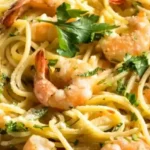
Garlic Butter Shrimp Linguine
- Total Time: 25 minutes
- Yield: 4 servings 1x
- Diet: General
Description
Buttery linguine with plump, garlicky shrimp, a simple yet elegant dinner that is bright, fresh, and satisfying.
Ingredients
- 1 1/2 tablespoon kosher salt
- 1 pound linguine
- 4 tablespoons unsalted butter
- 3 tablespoons olive oil
- 1 shallot, diced
- 2 tablespoons minced garlic (5 cloves)
- 1 lemon, zest grated
- 1 1/2 pound large shrimp (about 20–24 shrimp), peeled and deveined
- 1/2 teaspoon freshly ground black pepper
- 1/2 cup chopped fresh parsley leaves
- 1/2 cup freshly squeezed lemon juice (3 lemons)
- 1/2 lemon, thinly sliced in half-rounds
- 1/4 teaspoon hot red pepper flakes
Instructions
- Step: Fill a large pot with water and add 1 tablespoon of kosher salt. Bring the pot to a boil.
- Step: While the water comes to a boil, melt two tablespoons of butter and one tablespoon of olive oil in a large skillet over medium heat.
- Step: Add the diced shallots, pepper flakes, garlic, and lemon zest and sauté until the onions become transparent.
- Step: When the water is boiling, add the linguine and cook for 6-8 minutes, stirring occasionally.
- Step: Once the pasta is done, take out one cup of the hot pasta water, then drain the linguine and set aside.
- Step: Pat the shrimp dry with paper towels, season them with the remaining salt and pepper, then add them to the pan with the shallots. Cook for about 2-3 minutes, until pink on both sides.
- Step: Remove the cooked shrimp from the pan and set aside.
- Step: Pour the lemon juice into the pan and wait until it bubbles.
- Step: Add another two tablespoons of butter and olive oil. Then, when the butter is fully melted, add the shrimp back to the pan.
- Step: Sprinkle in the parsley, add the cup of pasta water, and the linguine.
- Step: Mix well, and add more salt and pepper if needed. Serve immediately with fresh lemon slices on top.
Notes
Buy shrimp that are already peeled and deveined to save time. Avoid overcooking the shrimp to ensure they remain tender.
- Prep Time: 10 minutes
- Cook Time: 15 minutes
- Category: Dinner
- Method: Stovetop
- Cuisine: American
Nutrition
- Serving Size: 1 serving
- Calories: 325 kcal
- Sugar: 3 g
- Sodium: 101 mg
- Fat: 22.8 g
- Saturated Fat: 9.8 g
- Unsaturated Fat: 13 g
- Trans Fat: 0 g
- Carbohydrates: 18.5 g
- Fiber: 0 g
- Protein: 12 g
- Cholesterol: 127 mg
Keywords: shrimp scampi, linguine, garlic shrimp, seafood pasta, easy dinner