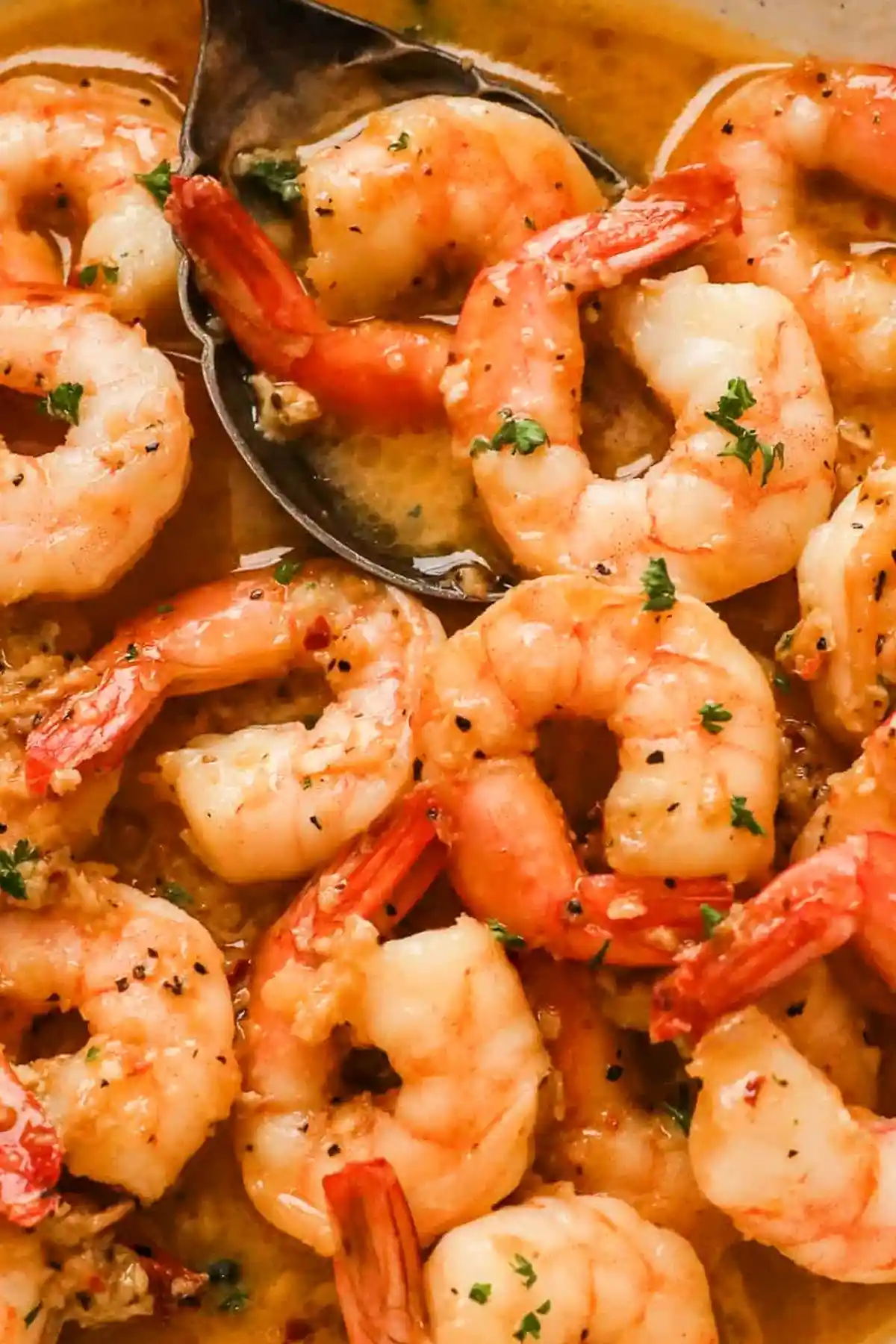
Garlic butter shrimp scampi is a classic, vibrant dish that brings the elegance of a restaurant-style meal into your own kitchen with minimal effort. This quick and savory dinner features plump, juicy shrimp sautéed in a rich garlic-infused butter sauce, perfectly tossed with delicate pasta to soak up every drop of flavor. It is a reliable, time-tested recipe that transforms simple, high-quality ingredients into a comforting supper suitable for busy weeknights or special occasions.
List of ingredients
- ½ lb uncooked angel hair pasta
- 1 Tbsp olive oil
- 6 cloves minced garlic
- 4 Tbsp salted butter, divided
- 1 lb large shrimp, peeled and deveined
- ¼ tsp black pepper
- ¼ tsp red pepper flakes
- ¼ cup chicken stock
- 2 Tbsp lemon juice
- ½ cup freshly grated parmesan cheese
step-by-step instructions
- Step: Let 1 lb large frozen shrimp sit in a bowl of cold water until it thaws, about 10 minutes. Drain and pat dry with paper towel.
- Step: Cook ½ lb angel hair pasta in a pot of large boiling water until al dente, following instructions on the pasta package. Drain and set aside.
- Step: Heat a pan over medium-high heat. Add 1 Tbsp olive oil and 6 minced garlic cloves. Cook for 1 minute.
- Step: Add 2 Tbsp salted butter, ¼ tsp black pepper, and ¼ tsp red pepper flakes to the frying pan and melt the butter.
- Step: Add the 1 lb thawed large shrimp and cook until no longer pink. About 30 seconds on each side. Remove the shrimp and add to a plate. Leave the melted butter in the pan.
- Step: Add the last 2 Tbsp salted butter, ¼ cup chicken stock, 2 Tbsp lemon juice, and ½ cup grated parmesan cheese. Let the parmesan cheese and butter melt.
- Step: Remove the frying pan from heat and stir in the shrimp and cooked pasta. Toss everything together. Serve with more parmesan cheese and a drizzle of olive oil.
Practical Tips for Perfectly Cooked Shrimp
Ensuring Proper Thawing Methods
Shrimp must be fully thawed before hitting the pan to ensure they cook evenly and maintain a pleasant texture. Placing them in a bowl of cool, running water is the safest and fastest way to ensure they are ready, but always ensure they are dried off. Any residual moisture will turn the pan into a steamer, which prevents the shrimp from properly searing in the garlic butter.
Preventing Toughness During Searing
The primary mistake made with shrimp is overcooking them, which causes the protein to tighten and become rubbery or dry. Because large shrimp are relatively thin, they only require about one minute of total heat to cook through perfectly. The moment they turn pink and slightly curl into a ‘C’ shape, they should be removed from the direct heat, even if the sauce is not yet finished.
Substitutions and Ingredient Variations
Selecting Alternative Pasta Varieties
While angel hair is the traditional choice due to its light, quick-cooking nature, you can easily swap it for other pasta shapes depending on what you have in your pantry. Spaghetti, linguine, or fettuccine offer a slightly chewier experience that holds up well against the richness of the butter sauce. For a gluten-free option, high-quality chickpea or brown rice pasta works effectively as long as you watch the boiling time to keep it firm.
Adjusting the Flavor Profile of the Sauce
If you prefer a more herbaceous profile, feel free to fold in fresh chopped parsley or basil at the very end of the cooking process for a bright, green finish. For those who enjoy a tangier experience, the zest of half a lemon can be added alongside the juice to amplify the citrus notes. If chicken stock feels too heavy, you can substitute it with an equal amount of vegetable stock or even a splash of pasta water, which contains starch that helps the sauce cling to the noodles more effectively.
Serving Ideas for Elegant Presentation
Complementary Side Dishes
Because the dish is relatively rich due to the butter and parmesan, it pairs beautifully with light, crisp vegetables that provide a refreshing contrast. A simple side of steamed asparagus with a squeeze of lemon or a crisp garden salad featuring vinaigrette provides a nice balance. If you want to lean into the comfort aspect, serve the meal with a warm, toasted crusty baguette to scoop up any remaining sauce left on the plate.
Plating Techniques for Impact
When plating, use tongs to twist the pasta into a neat nest in the center of the dish, then arrange the shrimp on top for a professional visual appeal. A final dusting of freshly grated parmesan and a tiny drizzle of high-quality olive oil directly over the finished plate adds both flavor and shine. Ensure the plates are warmed slightly before serving to keep the butter sauce from solidifying too quickly once it hits the table.
Storage and Reheating Recommendations
Managing Leftover Portions
If you have leftovers, store them in a glass or airtight container in the refrigerator for up to three days. It is important to note that the pasta will continue to absorb the sauce over time, so you may find the noodles seem drier the next day. To mitigate this, store the shrimp and pasta mixture in the smallest container possible to minimize exposure to air.
Restoring Texture During Reheating
When reheating, it is best to do so gently on the stovetop rather than using the microwave, which often leads to uneven heating and rubbery shrimp. Add a tablespoon of broth or a tiny splash of water to the pan before warming over medium-low heat to re-emulsify the butter sauce. If the microwave is your only option, use a lower power setting and stir the mixture every thirty seconds to ensure the heat is evenly distributed.
Frequently Asked Questions
Can I make this recipe ahead of time?
It is best to prepare this dish fresh because the pasta and sauce rely on immediate serving for the best texture. If you must prepare elements in advance, cook the pasta to just under al dente and keep the sauce components ready in the pan, but do not cook the shrimp until just before you intend to serve the meal.
How do I know when the shrimp is perfectly cooked?
The visual cues for cooked shrimp are clear and distinct: they should lose their translucent, raw appearance and become completely opaque pink. When they start to curl into a ‘C’ shape, they are likely finished; if they curl into a tight ‘O’ shape, they have been overcooked.
What is the benefit of leaving the tails on the shrimp?
Leaving the tails on the shrimp provides a handle for eating if served as an appetizer and adds significant flavor to the butter sauce as they simmer. If you prefer a more refined eating experience for a main course, you can remove the tails before cooking, which makes the dish easier to eat with a fork and knife.
Can I use pre-cooked shrimp for this dish?
Using pre-cooked shrimp is generally discouraged because it is almost impossible to avoid overcooking them when you sear them in the garlic butter. If you must use pre-cooked shrimp, add them only at the very final step, just long enough to warm them through, to avoid an unpleasantly tough and chewy texture.
Troubleshooting Common Cooking Issues
Why is my sauce watery?
If the sauce feels watery, it usually means the butter did not properly emulsify with the stock and lemon juice. Ensure you are using high-quality butter and that you add the parmesan cheese while the sauce is warm, as the cheese acts as a binding agent. Whisking the sauce vigorously for thirty seconds before adding the pasta back into the pan can also help create a thicker, more stable sauce.
How do I fix a broken or greasy sauce?
A broken sauce happens when the fat separates from the liquid, resulting in an oily appearance. To fix this, remove the pan from the heat and whisk in a small teaspoon of room-temperature butter or a tablespoon of cold water, which can help bring the emulsion back together. Always keep your heat at a moderate level when finishing the sauce to prevent the butter from separating.
Why is the garlic burning?
Garlic has a very low smoke point and can turn bitter in seconds if the heat is too high. Always start with the oil in the pan and add the garlic only after the oil is warm, keeping the heat at a manageable level. If you see the garlic browning too quickly, immediately remove the pan from the heat or add a small splash of liquid to cool the pan down quickly.
Print
Garlic Butter Shrimp Scampi
- Total Time: 15 minutes
- Yield: 4 servings 1x
- Diet: Pescatarian
Description
Shrimp scampi is an easy dish featuring juicy shrimp sautéed in a garlic and butter sauce. It’s ready in 10 minutes and can be served with pasta.
Ingredients
- ½ lb uncooked angel hair pasta
- 1 Tbsp olive oil
- 6 cloves minced garlic
- 4 Tbsp salted butter, divided
- 1 lb large shrimp, peeled and deveined
- ¼ tsp black pepper
- ¼ tsp red pepper flakes
- ¼ cup chicken stock
- 2 Tbsp lemon juice
- ½ cup freshly grated parmesan cheese
Instructions
- Step: Let 1 lb large frozen shrimp sit in a bowl of cold water until it thaws, about 10 minutes. Drain and pat dry with paper towel.
- Step: Cook ½ lb angel hair pasta in a pot of large boiling water until al dente, following instructions on the pasta package. Drain and set aside.
- Step: Heat a pan over medium-high heat. Add 1 Tbsp olive oil and 6 minced garlic cloves. Cook for 1 minute.
- Step: Add 2 Tbsp salted butter, ¼ tsp black pepper, and ¼ tsp red pepper flakes to the frying pan and melt the butter.
- Step: Add the 1 lb thawed large shrimp and cook until no longer pink. About 30 seconds on each side. Remove the shrimp and add to a plate. Leave the melted butter in the pan.
- Step: Add the last 2 Tbsp salted butter, ¼ cup chicken stock, 2 Tbsp lemon juice, and ½ cup grated parmesan cheese. Let the parmesan cheese and butter melt.
- Step: Remove the frying pan from heat and stir in the shrimp and cooked pasta. Toss everything together. Serve with more parmesan cheese and a drizzle of olive oil.
Notes
Choose good quality large raw shrimp that’s deveined with shell removed. Shrimp cooks quickly; they will turn pink and opaque in about 1-2 minutes. As soon as they’re pink, remove them from the frying pan. Overcooked shrimp will be tough and rubbery. Leftovers can be stored in an airtight container for up to 3-4 days.
- Prep Time: 5 minutes
- Cook Time: 10 minutes
- Category: Main Course
- Method: Sauté
- Cuisine: Italian-inspired
Nutrition
- Serving Size: 1 serving
- Calories: 385 kcal
- Sugar: 2 g
- Sodium: 520 mg
- Fat: 18 g
- Saturated Fat: 9 g
- Unsaturated Fat: 7 g
- Trans Fat: 0 g
- Carbohydrates: 32 g
- Fiber: 2 g
- Protein: 26 g
- Cholesterol: 165 mg
Keywords: garlic butter shrimp, scampi, pasta, 15 minute meal, dinner