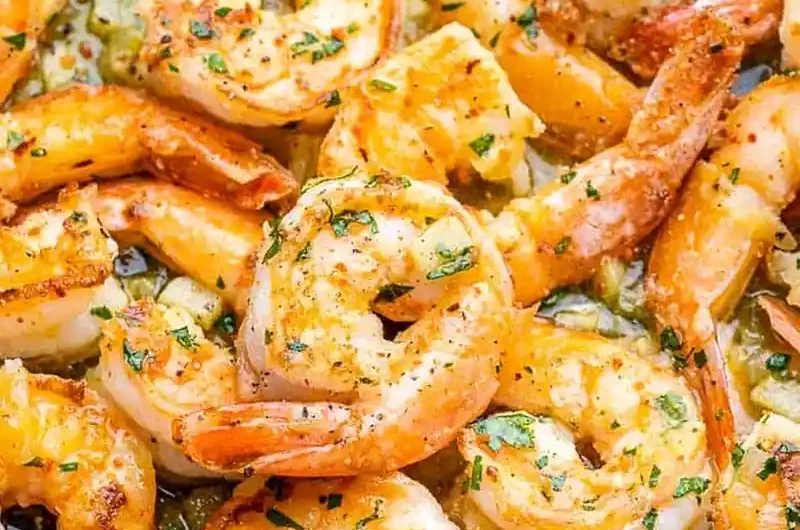
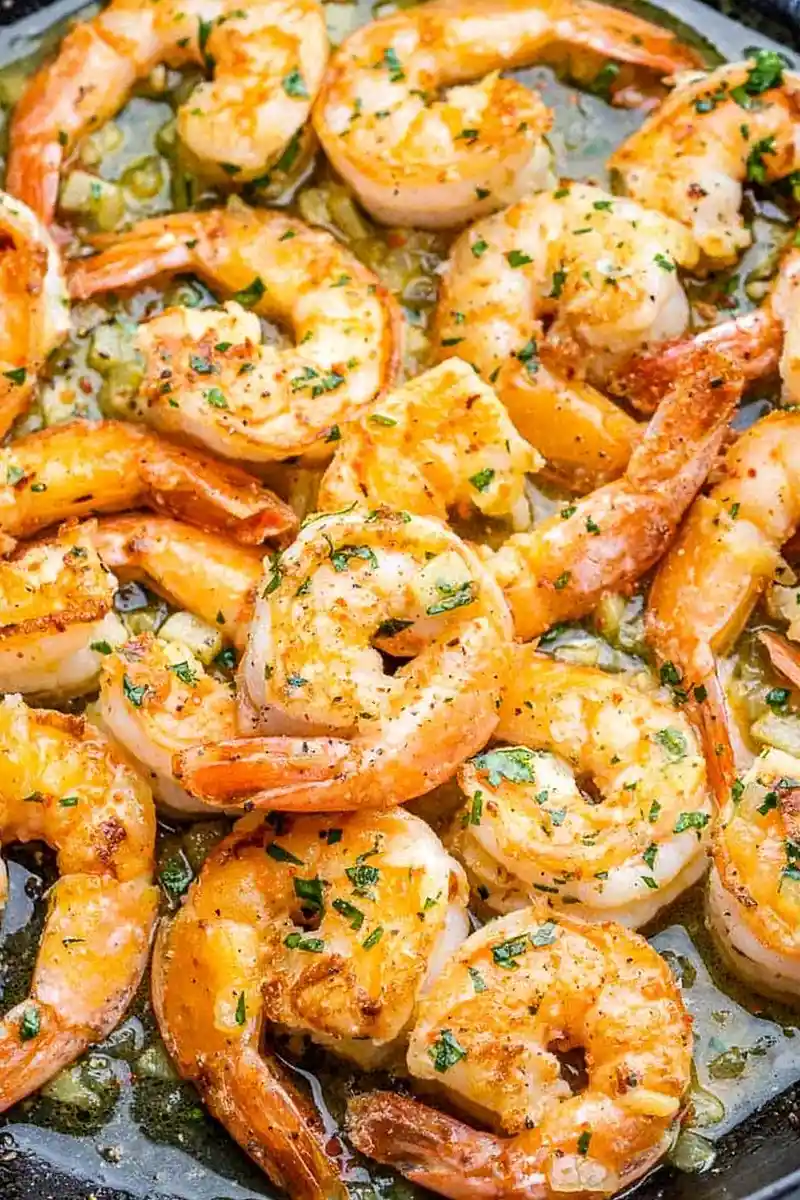
This quick and light shrimp scampi is a restaurant-quality meal that comes together in under 20 minutes. It uses olive oil and citrus for a fresh flavor profile without the heaviness of traditional butter sauces.
List of ingredients
- 1 tablespoon olive oil – used for sautéing the shrimp.
- 1 1/2 pounds medium or large shrimp – peeled and deveined for convenience.
- Kosher salt and pepper – used to season the protein to taste.
- 4 cloves garlic – freshly chopped for maximum aroma.
- 1 small onion – finely diced to blend into the sauce.
- 1/4 teaspoon chili flakes – adds a subtle heat; adjust based on preference.
- 1 medium lemon – both the zest and the juice are required.
- 1/2 cup fish or vegetable stock – used to deglaze the pan and create the sauce.
- 2 tbsp minced fresh parsley – added at the end for color and freshness.
step-by-step instructions
- Prepare the pan: Heat the olive oil in a large skillet over medium heat until shimmering.
- Cook the shrimp: Add the shrimp to the skillet and season with kosher salt and pepper. Sauté until the shrimp are pink and opaque, then remove them from the pan and set them aside.
- Sauté aromatics: In the same skillet, add the chopped garlic and finely diced onion. Sauté for 2-3 minutes until softened and fragrant.
- Deglaze and simmer: Stir in the chili flakes, lemon juice, lemon zest, and the fish or vegetable stock. Let the sauce bubble for about one minute to combine flavors.
- Finish and serve: Return the cooked shrimp to the skillet and stir in the minced fresh parsley. Remove from heat immediately and serve.
Professional Cooking Tips
Identify Shrimp Doneness by Shape
Watch for the shrimp to curl into a loose “C” shape. This indicates they are perfectly cooked and tender. Avoid letting them curl into a tight “O” shape, as this is a sign of overcooking.
Preventing Rubber Texture
Shrimp cook very quickly, usually taking only 2-3 minutes per side. Remove them from the pan the moment they turn opaque. Overcooking causes the proteins to tighten, leading to a rubbery consistency.
Choosing the Right Shrimp Size
Medium or large shrimp are ideal for this recipe because they hold up well during sautéing. Jumbo shrimp can be used, but they may require a slightly longer cooking time per side. Avoid small shrimp as they overcook almost instantly.
Maintaining the Shrimp Tails
Keep the tails on the shrimp if you intend to serve this dish as an appetizer. The tails provide a natural handle for guests to pick up the shrimp. If serving as a main course over pasta, removing the tails makes eating easier.
Patting Shrimp Dry
Always pat the shrimp dry with paper towels before adding them to the oil. Excess moisture creates steam, which prevents the shrimp from searing properly. Dry shrimp develop a better golden color and flavor.
Controlling Pan Temperature
Ensure the oil is hot before adding the shrimp to prevent them from sticking. If the pan is too cold, the shrimp will simmer in oil rather than sear. Use a medium heat to avoid burning the oil.
Ingredient Substitutions
Substituting Cooking Oils
Avocado oil is an excellent alternative to olive oil due to its higher smoke point. This is useful if you prefer a slightly higher heat for searing. Avoid using unrefined coconut oil as it may introduce an unwanted sweetness.
Using Alternative Proteins
Salmon or chicken breast cut into bite-sized pieces can replace the shrimp. These proteins require more cooking time, typically an additional 5-7 minutes. Ensure they are fully cooked through before adding the sauce components.
Replacing Fresh Lemon
If fresh lemons are unavailable, you can use bottled lemon juice, though the flavor is less bright. Add a pinch of extra zest if you have a frozen lemon peel. Avoid using lemon extract as it is too concentrated for this sauce.
Choosing the Best Stock
Vegetable stock is a great option for those avoiding fish products. Low-sodium fish stock provides a deeper ocean flavor that complements the shrimp. Always avoid using stocks with added sugar or heavy preservatives.
Adjusting the Heat Level
If you prefer a milder dish, omit the chili flakes entirely. For more heat, increase the amount to a half teaspoon or add a pinch of cayenne pepper. Adjusting the spice level allows the recipe to suit all age groups.
Using Dried Parsley
Fresh parsley is preferred for its bright color and taste. If using dried parsley, reduce the amount to 1 tablespoon. Add dried herbs earlier in the process so they can rehydrate in the sauce.
Plating and Serving Ideas
Traditional Pasta Pairings
Linguine, fettuccine, and angel hair pasta are the classic choices for scampi. Toss the cooked pasta directly into the skillet with the sauce for maximum absorption. Ensure the pasta is cooked al dente to maintain texture.
Low-Carb Base Alternatives
Zucchini noodles or spaghetti squash are excellent for a low-carb meal. Sauté the zucchini noodles briefly before combining them with the shrimp and sauce. This prevents the vegetables from releasing too much water.
Pairing with Roasted Vegetables
Serve the shrimp alongside garlic-roasted broccoli or asparagus. The charred flavor of roasted vegetables balances the acidity of the lemon sauce. This combination creates a nutrient-dense, complete dinner.
Serving as a Light Appetizer
Place the shrimp on a platter and drizzle the remaining sauce over the top. Serve with toasted baguette slices for dipping into the lemon-garlic sauce. This presentation is ideal for dinner parties or social gatherings.
Adding a Fresh Salad
A simple green salad with a light vinaigrette complements the richness of the garlic sauce. Use baby spinach or arugula to add a peppery note. This keeps the overall meal light and refreshing.
Adding Cauliflower Mash
Garlic butter mashed cauliflower is a healthy alternative to mashed potatoes. It provides a creamy texture that pairs well with the lemon-based sauce. This option is ideal for those avoiding grains.
Storage and Preservation
Refrigeration Guidelines
Store any leftovers in an airtight container in the refrigerator. The shrimp and sauce will remain fresh for 2-3 days. Ensure the container is sealed tightly to prevent the shrimp from absorbing other fridge odors.
Safe Reheating Techniques
Reheat the dish in a small saucepan over low heat. Add a tablespoon of water or stock to loosen the sauce as it warms. Avoid high heat, which will cause the shrimp to shrink and become tough.
Microwave Reheating Tips
If using a microwave, use a low power setting and heat in short 30-second intervals. Stir the shrimp between intervals to ensure even heating. This method is faster but requires more caution to avoid overcooking.
Freezing Constraints
This dish does not freeze well due to the texture of the shrimp and the lemon sauce. Freezing causes the shrimp to become spongy and the sauce to separate. It is best to cook only what you plan to eat within a few days.
Troubleshooting Common Issues
Fixing a Watery Sauce
If the sauce is too thin, let it simmer for an additional 2-3 minutes before adding the shrimp back. This reduces the liquid and concentrates the flavor. Do not boil vigorously, as this may break the emulsion.
Preventing Burnt Garlic
Garlic burns quickly and becomes bitter. Always add the onion first to provide a buffer of moisture in the pan. Keep the heat at medium and stir constantly while sautéing the garlic.
Correcting Rubbery Shrimp
Once shrimp become rubbery, they cannot be reversed. To prevent this, always remove the shrimp from the pan while they are slightly underdone. They will continue to cook for a minute after being removed from the heat.
Balancing Excessive Acidity
If the lemon juice makes the sauce too tart, add a small pinch of sugar or a teaspoon of extra stock. This neutralizes the sharpness without altering the flavor profile. Taste the sauce before adding the shrimp back in.
Dealing with Shrimp Stickiness
If shrimp stick to the pan, it usually means the pan wasn’t hot enough or the oil was insufficient. Use a non-stick skillet or ensure the oil is shimmering before adding the protein. Gently lift the shrimp with a spatula to avoid tearing them.
Tool Recommendations
The Best Pan for Sautéing
A large stainless steel or cast iron skillet is ideal for achieving a good sear. Non-stick pans are also acceptable for easier cleanup. Ensure the pan has high sides to prevent the sauce from splashing.
Essential Utensils
Use a silicone spatula or wooden spoon to stir the aromatics without scratching the pan. A pair of tongs is the most efficient tool for flipping the shrimp quickly. A microplane is recommended for zesting the lemon.
Measuring Tools
Use standard measuring spoons for the oil and chili flakes to ensure consistency. A liquid measuring cup is necessary for the stock. Accurate measurements prevent the sauce from becoming too thick or too thin.
Prep Containers
Use small bowls (mise en place) to organize chopped garlic, onions, and minced parsley. Having all ingredients ready prevents the garlic from burning while you chop other items. This streamlines the 20-minute cooking process.
Frequently Asked Questions
What is shrimp scampi sauce made of?
Traditional scampi sauce consists of butter, olive oil, garlic, white wine, lemon juice, and parsley. This healthy version replaces butter with olive oil and white wine with fish or vegetable stock to reduce calories.
How do you know when shrimp is done?
Shrimp are done when they turn from a translucent gray to an opaque pinkish-white color. They should form a loose “C” shape. If they curl into a tight “O”, they are overcooked.
Can I use butter instead of oil?
Yes, you can use 1-2 tablespoons of butter instead of olive oil if you prefer a richer taste. Use a medium-low heat to prevent the butter from burning. Moderation is key for maintaining the health profile of the dish.
Can I use frozen shrimp?
Yes, frozen shrimp work perfectly as long as they are fully thawed and patted dry. Thaw them in the refrigerator overnight or under cold running water. Never cook shrimp while they are still frozen.
Print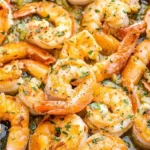
Healthy Shrimp Scampi
- Total Time: 20 minutes
- Yield: 4 servings 1x
- Diet: Seafood
Description
Made with fresh ingredients and a light lemon sauce that’s oh-so-tasty, this restaurant-quality dish can be on your table in less than 20 minutes!
Ingredients
- 1 tablespoon olive oil
- 1 1/2 pounds medium or large shrimp, peeled and deveined
- Kosher salt and pepper, to taste
- 4 cloves garlic, chopped
- 1 small onion, finely diced
- 1/4 teaspoon chili flakes
- 1 medium lemon, zest and juice
- 1/2 cup fish or vegetable stock
- 2 tbsp minced fresh parsley
Instructions
- Heat: Heat the oil in a large skillet over medium heat.
- Sauté Shrimp: Add shrimp, season with Kosher salt and pepper, and cook until pink and opaque, then set aside.
- Sauté Aromatics: To the same skillet, add the garlic and onion and sauté for 2-3 minutes.
- Simmer Sauce: Stir in the chili flakes, lemon juice, lemon zest, and stock; allow the sauce to bubble for a minute.
- Combine: Return the shrimp to the sauce, stir in the fresh parsley, remove from heat and serve.
Notes
Store leftovers in an airtight container in the fridge for 2-3 days. Reheat slowly in a saucepan or microwave to avoid overcooking the shrimp. This dish does not freeze well.
- Prep Time: 10 minutes
- Cook Time: 10 minutes
- Category: Main Course
- Method: Pan-frying
- Cuisine: American, Italian
Nutrition
- Serving Size: 1 serving
- Calories: 197 kcal
- Sugar: 2 g
- Sodium: 905 mg
- Fat: 4 g
- Saturated Fat: 1 g
- Unsaturated Fat: 3 g
- Trans Fat: 0.01 g
- Carbohydrates: 6 g
- Fiber: 1 g
- Protein: 35 g
- Cholesterol: 274 mg
Keywords: healthy shrimp scampi, lemon garlic shrimp, quick seafood dinner, low calorie scampi