
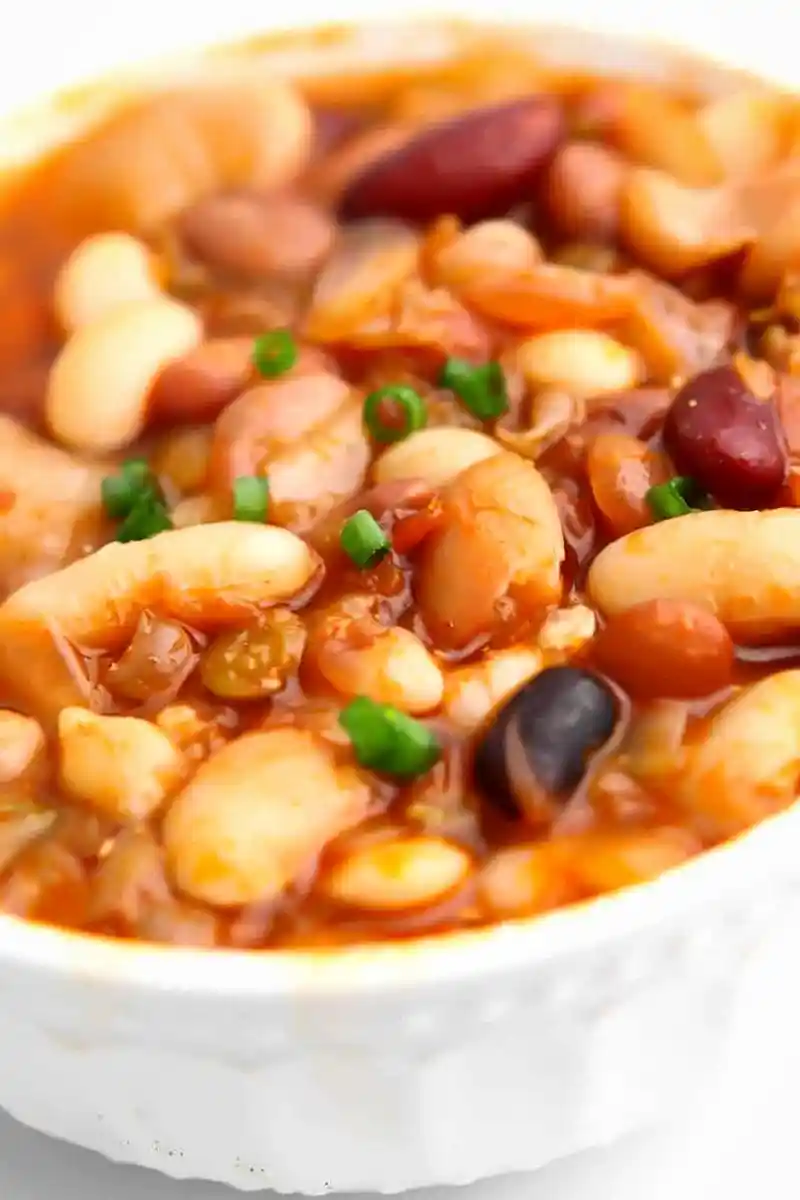
This robust 15 bean soup relies on a classic dried bean blend to create a deeply satisfying, protein-rich meal that feeds a crowd. By using aromatic spices and a careful parboiling method, you can achieve a rich, savory depth of flavor that feels slow-cooked and hearty. It is a perfect pantry-friendly solution for busy weeknights when you want something nourishing and substantial.
List of ingredients
- 20 oz dried 15-bean mix
- 1 medium onion, peeled and diced
- 2 tablespoons olive oil
- 1 teaspoon salt
- 15.5 oz canned crushed tomatoes
- 6 cups vegetable broth
- 1 tablespoon cumin
- 1 tablespoon smoked paprika
- 1/2 teaspoon garlic powder
- 2 tablespoons balsamic vinegar
step-by-step instructions
- Step: Soak beans overnight or for at least a few hours, then drain.
- Step: Place beans in a pot with water covering them by 3 inches, boil for 20 minutes, turn off heat, let sit for 30 minutes, then drain and rinse.
- Step: Peel and dice the onion, then sauté in olive oil over low heat for 5 minutes until translucent.
- Step: Increase heat to medium and add the beans, tomatoes, vegetable broth, cumin, smoked paprika, and garlic powder to the pot, stirring well.
- Step: Simmer at a slow boil, stirring occasionally, for 45 minutes if presoaked, or 90 minutes if not.
- Step: Stir in the balsamic vinegar about 10 minutes before serving.
Refining the cooking process
Optimizing the bean texture
Ensuring your beans reach the perfect level of tenderness requires patience and steady, low-heat simmering. If you find the beans are still too firm after the suggested time, continue simmering in 15-minute increments until the desired texture is reached. Always test a few different varieties from the mix, as larger beans often require slightly longer cooking times than smaller legumes like lentils or split peas.
Why rinsing is essential
The process of boiling and then discarding the initial cooking water is a vital step for both digestion and flavor quality. This removes excess starches that can lead to an unappealingly cloudy broth and helps eliminate compounds that cause digestive discomfort. Always use fresh, clean water for the final simmer to ensure the broth stays clear and the flavors of the spices remain prominent.
Flavor development and seasoning
Balancing the smoky profile
Smoked paprika serves as the anchor for the savory profile of this dish. To deepen this effect, ensure you are using a high-quality smoked variety rather than sweet or hot paprika, as the smoky essence is what provides the characteristic complexity. If you want an even stronger profile, you can lightly toast the spices in the olive oil with the onions before adding the liquid.
Adjusting the acidity
The addition of balsamic vinegar acts as a flavor bridge that connects the earthiness of the beans with the brightness of the tomatoes. If you find the soup tastes flat after the final simmer, check the salt levels first, as salt often unlocks the underlying savory notes. If the salt is correct but the dish still lacks punch, add an additional teaspoon of vinegar, as different batches of beans may require slightly more acid to achieve balance.
Substitutions and common adaptations
Tomato alternatives
While crushed tomatoes provide a uniform texture, you can easily substitute them with diced tomatoes if you prefer chunks of texture in your soup. For a more intense tomato flavor, tomato puree or even a tablespoon of concentrated tomato paste can be whisked into the broth. Just be sure to adjust your salt levels accordingly, as some canned tomato products are significantly saltier than others.
Refreshing the broth base
If you prefer a lighter result, you can use a combination of half vegetable broth and half water without losing too much character. You can also experiment with different herbal infusions by adding dried oregano or thyme during the simmering stage. These herbs pair naturally with the cumin and paprika, enhancing the overall Mediterranean-inspired profile of the bean mix.
Serving and storage logistics
Pairing with grains and bread
This soup is a substantial main course, but it benefits greatly from being served with a starch to sop up the broth. Dense, crusty sourdough or homemade drop biscuits are excellent accompaniments that provide a textural contrast to the soft beans. You might also consider serving it over a small portion of cooked farro or brown rice if you want an extra boost of fiber and complex carbohydrates.
Managing leftovers safely
This dish is a classic make-ahead meal because the flavors tend to meld and intensify after sitting in the refrigerator. Store the soup in airtight containers for up to five days. When cooling, divide the soup into smaller portions to allow for faster cooling in the refrigerator, which prevents the center from remaining at a dangerous temperature for too long.
Freezing for future meals
Bean soups freeze exceptionally well, making this a perfect candidate for batch cooking. Allow the soup to cool completely to room temperature before transferring it into freezer-safe bags or containers, leaving a small amount of headspace at the top for expansion. Properly stored, the soup will retain its quality for up to three months in the freezer.
Troubleshooting common concerns
Correcting overly thin soup
If your soup turns out thinner than you prefer, there is a simple method to thicken it without adding extra ingredients. Use a potato masher or an immersion blender to pulse a small portion of the beans directly in the pot. The starch released from the mashed beans will naturally thicken the surrounding broth to your preferred consistency without affecting the flavor profile.
Managing water absorption
Beans are surprisingly thirsty and will continue to absorb liquid even after the heat is turned off. If you are reheating the soup the next day, you will likely need to add a splash of water or extra broth to return it to the desired texture. Do not be alarmed if the soup looks very thick after sitting overnight; simply whisk in a bit of hot liquid before serving.
Frequently asked questions
Can I use this recipe for other legumes?
Yes, the method is quite flexible and works well with individual beans like black, pinto, or kidney beans. Just keep in mind that individual bean types have different cooking times, so you will need to adjust the simmering duration accordingly.
How do I make the soup more digestible?
Soaking the beans for at least eight hours is the most effective way to improve digestibility. Additionally, ensure you rinse the beans thoroughly after the initial boil, as this removes the complex sugars that are often the primary cause of bloating and discomfort.
Is it possible to add fresh vegetables?
Adding fresh vegetables is a great way to incorporate more nutrients into the dish. Carrots, celery, and bell peppers should be diced to the same size as the onion and sautéed alongside them at the beginning of the process. For more delicate vegetables like kale or spinach, add them during the final 5 minutes of simmering until they are just wilted.
Print
Hearty 15 Bean Soup
- Total Time: PT150M
- Yield: 14 cups 1x
- Diet: Vegan, Gluten Free
Description
A hearty, protein-packed vegan soup made from a classic 15-bean mix, simmered with smoky spices and a touch of balsamic vinegar for a well-rounded flavor profile.
Ingredients
- 20 oz dried 15-bean mix
- 1 medium onion, peeled and diced
- 2 tablespoons olive oil
- 1 teaspoon salt
- 15.5 oz canned crushed tomatoes
- 6 cups vegetable broth
- 1 tablespoon cumin
- 1 tablespoon smoked paprika
- 1/2 teaspoon garlic powder
- 2 tablespoons balsamic vinegar
Instructions
- Step: Soak beans overnight or for at least a few hours, then drain.
- Step: Place beans in a pot with water covering them by 3 inches, boil for 20 minutes, turn off heat, let sit for 30 minutes, then drain and rinse.
- Step: Peel and dice the onion, then sauté in olive oil over low heat for 5 minutes until translucent.
- Step: Increase heat to medium and add the beans, tomatoes, vegetable broth, cumin, smoked paprika, and garlic powder to the pot, stirring well.
- Step: Simmer at a slow boil, stirring occasionally, for 45 minutes if presoaked, or 90 minutes if not.
- Step: Stir in the balsamic vinegar about 10 minutes before serving.
Notes
To cook in a crockpot, prepare the beans as directed in steps 1 and 2, then combine all ingredients and cook on low for 8 hours or high for 5 hours. Add vinegar 5 minutes before serving. For an Instant Pot, follow steps 1 and 2, then sauté the onion, add remaining ingredients, and cook under pressure for 25 minutes with a natural pressure release.
- Prep Time: PT60M
- Cook Time: PT90M
- Category: Main Course
- Method: Stovetop
- Cuisine: American
Nutrition
- Serving Size: 1 cup
- Calories: 178 kcal
- Sugar: 4 g
- Sodium: 617 mg
- Fat: 3 g
- Saturated Fat: 1 g
- Unsaturated Fat: 2 g
- Trans Fat: 0 g
- Carbohydrates: 30 g
- Fiber: 7 g
- Protein: 10 g
- Cholesterol: 0 mg
Keywords: vegan, gluten free, bean soup, plant-based, hearty soup