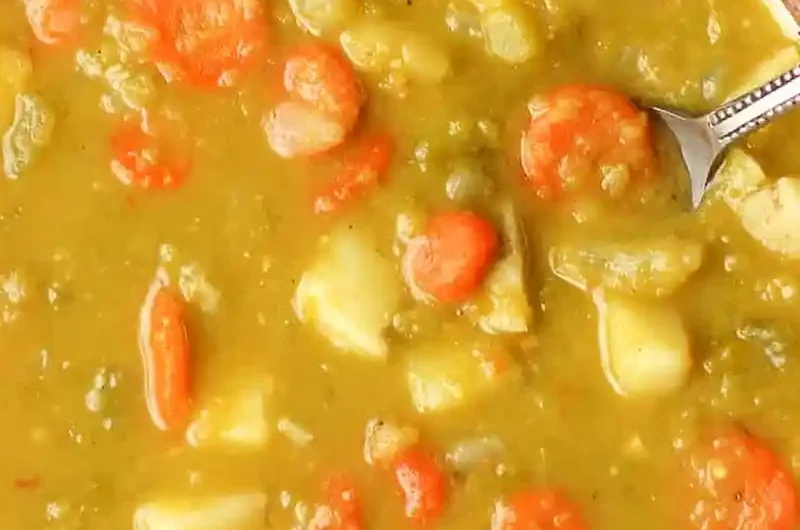
This nutrient-dense split pea soup combines hearty legumes with fresh vegetables for a filling, high-protein meal. It is easy to prepare in a single pot and provides a comforting texture perfect for cold weather.
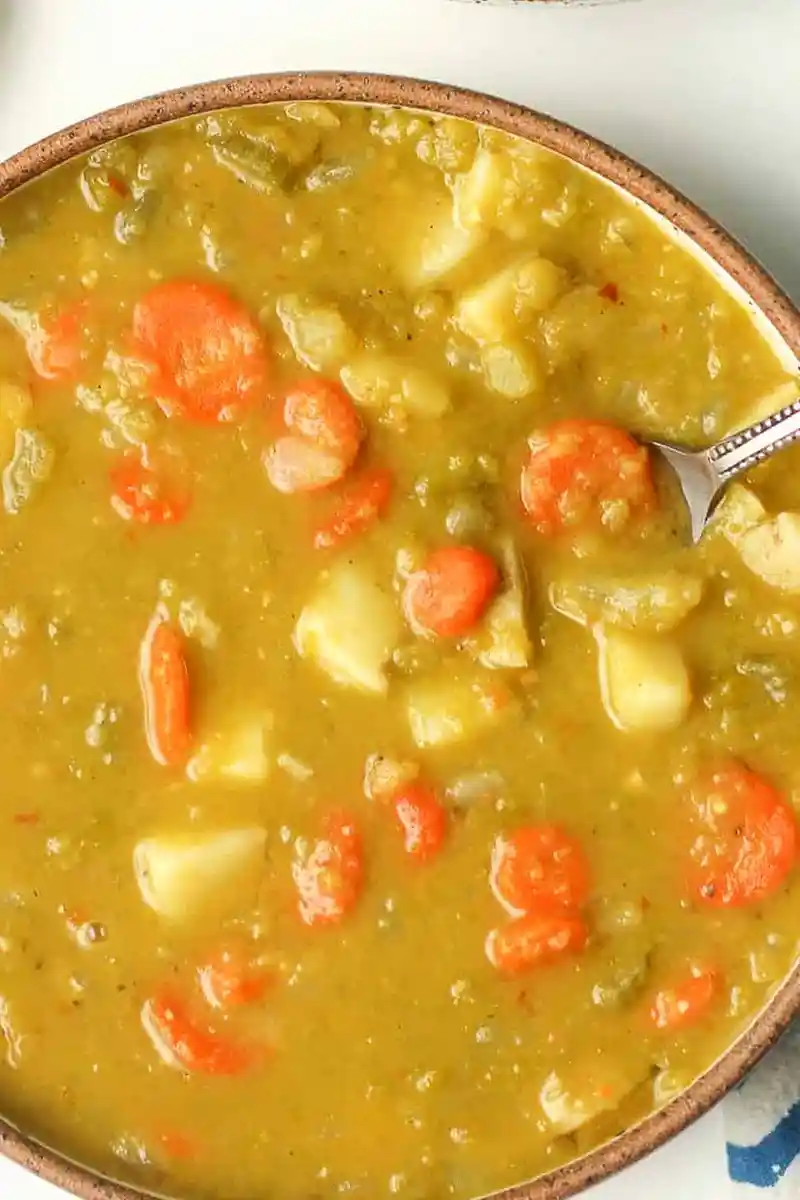
List of ingredients
- 2 Tablespoons olive oil – used for sautéing the aromatic vegetables.
- 1 large onion, chopped – provides a foundational savory flavor.
- 2 cups carrots, chopped – adds natural sweetness and color.
- 1 cup celery, chopped – contributes a classic aromatic base.
- 3 cloves garlic, minced – adds a pungent, sharp depth.
- 1/2 teaspoon onion powder – reinforces the savory onion notes.
- 1 teaspoon red pepper flakes – introduces a mild, warming heat.
- Kosher salt and freshly ground black pepper – used to taste for final seasoning.
- 9-10 cups lower-sodium chicken broth or vegetable broth – the liquid base for simmering.
- 3 cups yellow potatoes, chopped – adds heartiness and thickens the soup.
- 2 cups dried green split peas, rinsed and sorted – the primary protein and fiber source.
- 3 whole bay leaves – adds a subtle herbal aroma.
- Half and half, optional – used as a garnish for added creaminess.
step-by-step instructions
- Sauté the aromatic vegetables: Heat olive oil in a large stock pot over medium-high heat. Add the chopped onion, carrots, and celery, cooking for about five minutes. Stir in the minced garlic, onion powder, and red pepper flakes, cooking for one additional minute until fragrant.
- Simmer the soup: Pour in the chicken or vegetable broth and bring the mixture to a boil. Add the chopped potatoes, rinsed split peas, and bay leaves. Reduce the heat and simmer for 45-60 minutes, or until the split peas reach your desired level of softness.
- Final adjustments and serving: Taste the soup and add more salt and pepper as needed. Serve hot in bowls, with an optional swirl of half and half on top if desired.
Optimizing Your Cooking Process
Rinse Dried Peas Thoroughly
Always rinse your dried split peas in a fine-mesh colander under cold running water. This removes any dust, debris, or small stones that may have remained after processing.
Sort Through Legumes
Quickly scan the dried peas before cooking to ensure no small pebbles or organic debris are mixed in. While rare, these can occasionally be found in dried legume bags.
Manage the Simmer Temperature
Maintain a gentle simmer rather than a rolling boil after the initial heating phase. A slow simmer prevents the liquid from evaporating too quickly and ensures the peas cook evenly.
Proper Bay Leaf Removal
Remember to locate and remove the three bay leaves before serving. They are used for infusion and are too tough to be eaten.
Vegetable and Broth Substitutions
Using Vegetable Broth for Vegan Options
Swap the chicken broth for a high-quality vegetable broth to make this recipe entirely plant-based. This maintains the savory profile while adhering to vegetarian dietary needs.
Selecting Different Potato Varieties
Yellow potatoes are ideal for their creamy texture, but Yukon Gold or red potatoes also work well. Avoid using starchy Russets if you want the potato chunks to hold their shape during the long simmer.
Adding Smoky Flavor without Meat
To achieve a smoky depth without using pork, add one teaspoon of smoked paprika or a drop of liquid smoke. Smoked salt is another effective alternative for adding a charred, woody flavor.
Substituting Fresh Garlic
If fresh garlic is unavailable, use 1/2 teaspoon of garlic powder. Stir it in with the other dry seasonings during the sauté phase.
Creative Recipe Variations
Creating a Creamier Texture
For a thicker consistency, use an immersion blender to puree a small portion of the soup directly in the pot. This releases more starches from the peas and potatoes without removing the chunks.
Incorporating Fresh Leafy Greens
Stir in two cups of chopped kale or baby spinach during the last five minutes of cooking. The residual heat will wilt the greens while preserving their bright color and nutrients.
Adding Whole Grains
Include 1/2 cup of pearled barley or farro for additional chew and fiber. Note that grains may require an extra cup of broth to account for liquid absorption.
Adjusting the Heat Level
Increase the red pepper flakes to two teaspoons for a spicier profile. Alternatively, add a pinch of cayenne pepper for a more intense, sharp heat.
Serving and Pairing Suggestions
Pairing with Crusty Artisan Breads
Serve this soup with toasted sourdough or a warm French baguette. The acidity of sourdough balances the earthy sweetness of the split peas.
Complementary Side Salads
A fresh arugula salad with a lemon vinaigrette provides a sharp contrast to the rich soup. The bitterness of the greens cuts through the starchiness of the potatoes.
Hearty Sandwich Accompaniments
Pair the soup with a toasted vegetable wrap or a grilled cheese sandwich. This creates a complete meal that is particularly satisfying during winter months.
Alternative Creamy Toppings
If you prefer a dairy-free option, replace the half and half with a swirl of coconut cream or a dollop of Greek yogurt. These options provide the same creamy mouthfeel with different flavor profiles.
Storage and Preservation Tips
Refrigeration Guidelines
Store leftover soup in airtight containers in the refrigerator for up to four days. Ensure the soup is cooled to room temperature before sealing the lid to prevent condensation.
Freezing for Long-Term Use
This soup freezes well for up to three months. Use freezer-safe bags or containers, leaving a small amount of space at the top for expansion as the liquid freezes.
Managing Texture After Freezing
Be aware that frozen split pea soup may become thicker upon thawing. This is a natural result of the starches breaking down further during the freezing process.
Preventing Oxidation
Keep the soup tightly sealed to prevent it from absorbing odors from other foods in the fridge. This preserves the fresh flavor of the carrots and celery.
Effective Reheating Methods
Stovetop Reheating Process
Reheat the soup slowly over medium-low heat in a pot. Stir frequently to prevent the bottom from scorching, as the thick pea consistency is prone to sticking.
Microwave Instructions
Heat the soup in a microwave-safe bowl in one-minute intervals. Stir between each interval to ensure the heat is distributed evenly throughout the dense mixture.
Restoring the Consistency
Add 1/4 to 1/2 cup of water or additional broth during reheating. The split peas will continue to absorb liquid while sitting in the fridge, making the soup thicker.
Avoiding Overcooking During Reheat
Stop heating as soon as the soup reaches a simmer. Overheating the soup can cause the potatoes and peas to disintegrate completely, turning the soup into a puree.
Make-Ahead Planning
Prepping the Mirepoix
Chop the onion, carrots, and celery in advance and store them together in a container. This mixture, known as mirepoix, can be kept for up to three days before cooking.
Batch Cooking for the Week
Double the recipe to prepare multiple servings for meal prep. This soup is highly efficient for batch cooking because the flavor often improves after a day of resting.
Pre-rinsing Legumes
Rinse and sort your peas the night before. Store them in a colander in the fridge to save time during the active cooking process.
Preparing the Broth Base
Mix your broth and seasonings in a carafe beforehand. This allows you to simply pour the liquid into the sautéed vegetables without pausing to measure.
Troubleshooting Common Issues
What to Do if the Soup is Too Thick
If the soup reaches a porridge-like consistency, stir in more broth or water. Add the liquid 1/2 cup at a time until you reach your preferred thickness.
Handling Undercooked Split Peas
If the peas are still too firm after an hour, continue simmering for another 15-20 minutes. Ensure the pot is covered with a lid to retain heat and moisture.
Correcting a Bland Flavor Profile
If the soup lacks depth, add a teaspoon of lemon juice or apple cider vinegar. A small amount of acid brightens the earthiness of the peas and enhances the salt.
Preventing the Soup from Burning
If you notice the soup sticking to the bottom of the pot, reduce the heat immediately. Add a splash of water and scrape the bottom with a wooden spoon to incorporate the browned bits.
Frequently Asked Questions
Do split peas need to be soaked before cooking?
No, unlike whole dried beans or chickpeas, split peas are pre-split, which allows water to penetrate them quickly. They can be cooked directly from dry after rinsing.
Can I use red split peas instead of green?
Yes, but red split peas break down much faster than green ones. Your soup will have a smoother, more puree-like consistency and a slightly sweeter flavor.
Is this soup naturally gluten-free?
Yes, the primary ingredients are naturally gluten-free. However, always check the label of your chicken or vegetable broth to ensure no gluten-containing thickeners were used.
Can I add other vegetables to this recipe?
Yes, parsnips, turnips, or cubed sweet potatoes are excellent additions. Add them at the same time as the yellow potatoes to ensure they cook through completely.
Print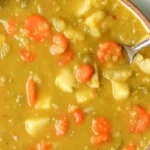
Hearty Green Split Pea and Vegetable Soup
- Total Time: 75 minutes
- Yield: 5 servings 1x
- Diet: General
Description
I love a protein packed meal, and this Split Pea Vegetable Soup is loaded. There are so many healthy benefits in split peas, and they taste great too!
Ingredients
- 2 Tablespoons olive oil
- 1 large onion, chopped
- 2 cups carrots, chopped
- 1 cup celery, chopped
- 3 cloves garlic, minced
- 1/2 teaspoon onion powder
- 1 teaspoon red pepper flakes
- Kosher salt and freshly ground black pepper, to taste
- 9–10 cups lower-sodium chicken broth
- 3 cups yellow potatoes, chopped
- 2 cups dried green split peas, rinsed and sorted
- 3 whole bay leaves
- Half and half, optional
Instructions
- Sauté Veggies: In a large stock pot over medium-high heat, add olive oil and then onion, carrots, and celery. Cook for about five minutes, and then add the garlic and seasonings. Stir for a minute.
- Add broth and remaining ingredients: Add the chicken broth and bring to a boil. Then add the chopped potatoes, split peas, and bay leaves. Simmer for about 45-60 minutes, or until split peas are al dente or softened, according to your tastes.
- Check seasonings and serve: Taste the soup, and add additional seasonings, if desired. Serve with a swirl of half and half, if you like.
Notes
Unlike whole dried peas or beans, split peas do not need to be soaked. They also cook much faster than dried beans. Leftovers are great if stored in the refrigerator, up to four days; you may need to add extra broth when reheating.
- Prep Time: 15 minutes
- Cook Time: 60 minutes
- Category: Soup
- Method: Simmering
- Cuisine: American
Nutrition
- Serving Size: 1 serving
- Calories: 538 kcal
- Sugar: 12 g
- Sodium: 208 mg
- Fat: 9 g
- Saturated Fat: 2 g
- Unsaturated Fat: 7 g
- Trans Fat: 0 g
- Carbohydrates: 87 g
- Fiber: 26 g
- Protein: 32 g
- Cholesterol: 15 mg
Keywords: split pea soup, vegetable soup, protein packed, healthy soup, American soup