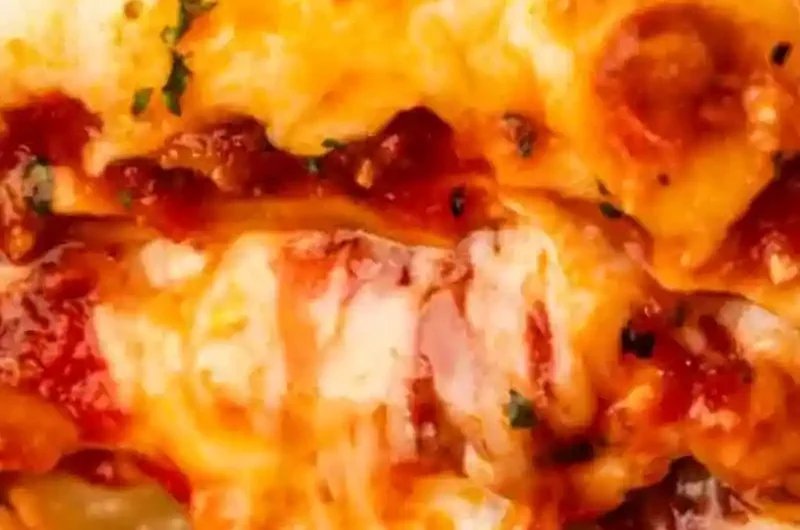
This detailed guide provides a method for creating a rich, multi-layered lasagna using a convenient no-boil pasta technique. It combines a slow-simmered meat sauce with creamy ricotta and melted mozzarella for a classic Italian-style dinner.
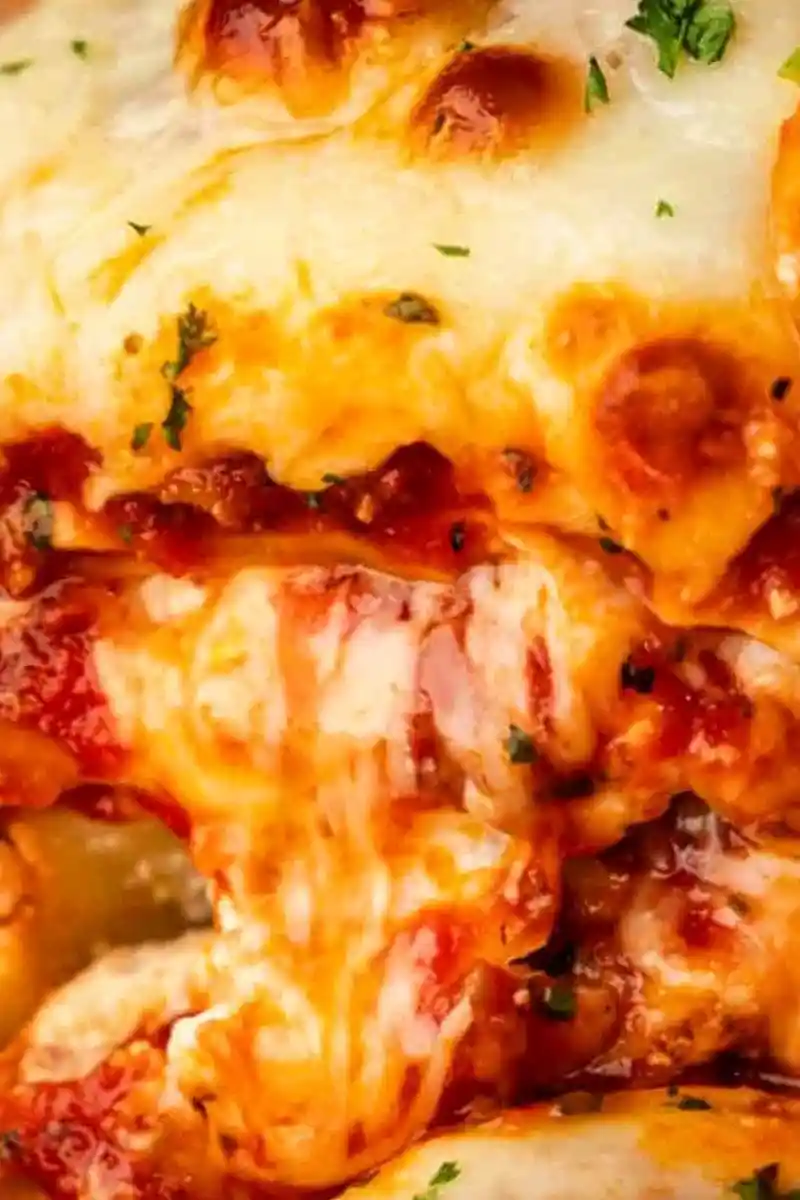
List of ingredients
- 1 pound ground poultry sausage – provides a savory base.
- 1 pound ground beef – adds richness and depth.
- 1 large white onion, diced – for aromatic sweetness.
- 5 cloves minced garlic – enhances the sauce flavor.
- 2 tablespoons granulated sugar – balances the tomato acidity.
- 1/2 cup chopped fresh basil – adds fresh herbal notes.
- 1 teaspoon fennel seeds – mimics traditional Italian flavors.
- 1 teaspoon dried oregano – provides earthy seasoning.
- 1/2 teaspoon salt – enhances overall taste.
- 1/4 teaspoon black pepper – adds a mild spice.
- 1/4 cup chopped fresh parsley – adds a bright finish.
- 1 (28 ounce can) crushed tomatoes – the main sauce body.
- 2 (6 ounce cans) tomato paste – thickens and concentrates flavor.
- 1 (15 ounce can) tomato sauce – ensures a smooth consistency.
- 1/2 cup beef broth – replaces wine for added savoriness.
- 1 pound lasagna pasta – standard dried sheets.
- 30 ounces ricotta cheese – creates creamy layers.
- 1 large egg – binds the ricotta mixture.
- 2 tablespoons chopped fresh parsley – for the cheese filling.
- 1/2 teaspoon salt – seasons the ricotta.
- 1/8 teaspoon ground nutmeg – adds a subtle warmth.
- 1 pound thinly sliced mozzarella cheese – approximately 24 slices for melting.
- 1 cup freshly grated Parmesan cheese – provides a salty, sharp finish.
step-by-step instructions
- Brown the Meats: Use a large pot over medium heat to cook the ground poultry sausage and ground beef, breaking the meat into small pieces. Add the diced white onion and minced garlic, cooking until the meat is browned and the onion is softened. Drain any excess grease if necessary.
- Simmer the Sauce: Stir in the sugar, fresh basil, fennel seeds, dried oregano, salt, black pepper, and fresh parsley. Pour in the crushed tomatoes, tomato paste, tomato sauce, and beef broth. Bring the mixture to a simmer, then reduce heat to low and cook for 1 to 4 hours, stirring occasionally.
- Prepare the Pasta: Place the lasagna pasta sheets in a 9×13-inch pan. Pour hot tap water over the noodles until they are completely submerged. Let them soak for 30 minutes, then drain and discard the water.
- Mix the Cheese Filling: In a mixing bowl, combine the ricotta cheese, egg, parsley, salt, and ground nutmeg. Stir until smooth and keep the mixture refrigerated until assembly.
- Set Up the Oven: Preheat your oven to 375°F (190°C). Lightly grease a deep 9×13-inch baking pan to prevent sticking.
- Prepare Mozzarella: Ensure the mozzarella cheese is thinly sliced and ready for layering.
- Start Layering: Spread 1 cup of the meat sauce on the bottom of the greased pan. Place 4 lasagna sheets on top. Spread 1/3 of the ricotta mixture over the noodles, then top with 1/4 of the mozzarella slices. Spoon 1.5 cups of meat sauce over the cheese and sprinkle with 1/4 cup of Parmesan cheese.
- Build the Layers: Repeat the layering process two more times using noodles, ricotta, mozzarella, meat sauce, and Parmesan. Ensure you have three complete layers of these ingredients.
- Final Topping: Place a final layer of noodles on top. Spread the remaining 1 cup of meat sauce over the pasta, then add the remaining mozzarella and Parmesan cheese.
- Bake the Lasagna: Cover the pan loosely with foil and bake for 25 minutes. Remove the foil and bake for another 25 minutes until the cheese is melted and lightly browned.
- Rest and Serve: Let the lasagna rest for 15 minutes before slicing to allow the layers to set. Serve hot.
Sauce Customization and Ingredient Alternatives
Using Alternative Ground Meats
If you prefer a leaner profile, you can replace the poultry sausage with ground turkey or lean ground chicken. For a plant-based version, use a meat substitute that mimics the texture of ground beef. Ensure you brown alternative meats thoroughly to develop a deep flavor before adding the aromatics.
Adding Carrots to Balance Tomato Acidity
To avoid using granulated sugar, you can substitute it with 1 cup of finely diced carrots. Add the carrots to the pot during the onion sauté phase to let them soften. The natural sugars in the carrots caramelize and offset the acidity of the canned tomatoes.
Choosing the Best Ricotta Texture
Whole milk ricotta is recommended for the creamiest results and best flavor. If you prefer a lower-fat option, part-skim ricotta works well but may be slightly more watery. You can also substitute ricotta with an equal amount of cottage cheese for a different texture.
Selecting High-Quality Parmesan Cheese
Always use freshly grated Parmesan cheese rather than the pre-shredded canned variety. Freshly grated cheese melts more smoothly and provides a more intense, salty flavor. Pre-grated versions often contain anti-clumping agents that prevent proper melting.
Concentrating Flavor with Tomato Paste
Using two cans of tomato paste creates a deep, concentrated tomato base without adding excessive liquid. This ensures the sauce is thick enough to support the layers without making the pasta soggy. Stir the paste in well to ensure it integrates fully with the crushed tomatoes.
Pasta Preparation and Texture Hacks
The Hot Water Soaking Method
Soaking regular lasagna sheets in hot tap water for 30 minutes removes the need for boiling. This method ensures the noodles are pliable enough to layer but firm enough to maintain structure. The pasta finishes cooking during the baking process, absorbing the moisture from the sauce.
Avoiding Overcooked Noodles
To prevent the noodles from becoming mushy, do not exceed the 30-minute soaking time. Ensure the water is drained completely before placing the sheets into the pan. This prevents excess water from pooling at the bottom of the lasagna.
Managing Pasta Sheet Placement
Lay the pasta sheets slightly overlapping to ensure there are no gaps in the layers. This creates a more stable structure and prevents the lasagna from falling apart when sliced. Be careful not to add too many sheets in one layer to avoid a dense texture.
Assembly and Baking Guidelines
Layering for Maximum Stability
Start with a base layer of sauce to prevent the bottom noodles from sticking to the pan. Distribute the ricotta evenly to ensure every bite has a creamy balance. Using three complete layers of meat and cheese creates a professional, towering result.
Controlling Cheese Browning
If the top layer of mozzarella browns too quickly, cover the pan with aluminum foil for the remainder of the time. This protects the cheese from direct heat while the internal layers continue to cook. Check the cheese every 10 minutes during the final uncovered stage.
Ensuring the Center is Heated
Use a food thermometer to check that the center of the lasagna has reached 165°F. If the center is still cool after the recommended time, cover with foil and bake for an additional 10 to 20 minutes. This ensures the egg in the ricotta is fully set.
Preventing Sauce Overflow
Use a deep-dish 9×13-inch pan to accommodate the height of the layers. If the sauce appears to be bubbling over the edges, place a baking sheet on the rack below the pan. This catches any drips and prevents smoke in the oven.
Serving and Side Dish Pairings
Preparing Garlic Bread
Serve the lasagna with warm, buttery garlic bread for a classic accompaniment. Toast slices of French or Italian bread with a mixture of melted butter and minced garlic. The crunch of the bread provides a texture contrast to the soft pasta layers.
Choosing a Fresh Salad
A crisp Caesar salad or a simple mixed greens salad balances the richness of the cheese and meat. Use a vinaigrette with a hint of lemon or vinegar to cut through the fat. This provides a refreshing palate cleanser between bites of lasagna.
Pairing with Italian Desserts
Conclude the meal with a serving of tiramisu for a traditional Italian experience. The coffee-soaked ladyfingers and mascarpone cheese provide a sweet end to the meal. This dessert complements the savory notes of the garlic and herbs used in the main dish.
Storage, Freezing, and Reheating
Refrigerating Leftovers
Store any remaining lasagna in an airtight container in the refrigerator for up to 5 days. Ensure the lasagna has cooled slightly before sealing the container to avoid condensation. This helps maintain the texture of the noodles and cheese.
Freezing Unbaked Lasagna
Assemble the lasagna completely but do not bake it before freezing. Wrap the dish tightly with plastic wrap and then a layer of heavy-duty aluminum foil. This prevents freezer burn and allows you to have a meal ready for future use.
Freezing Baked Lasagna
Allow the baked lasagna to cool completely to room temperature before freezing. Divide the lasagna into smaller portions for easier reheating and wrap them individually. Frozen baked lasagna can be stored for up to one month for best quality.
Thawing and Reheating Procedures
Defrost frozen lasagna in the refrigerator for at least 24 hours before reheating. For baked portions, cover with foil and bake at 375°F for 30 minutes, then uncover to brown the top. For unbaked lasagna, bake covered for 60 minutes before uncovering for the final browning.
Make-Ahead Strategy
Assembling in Advance
You can build the entire lasagna up to 48 hours before you plan to serve it. Store the assembled pan in the refrigerator, ensuring it is tightly covered. This allows the flavors to meld together, often resulting in a more cohesive taste.
Cooling Ingredients Before Assembly
Ensure the meat sauce has cooled to room temperature before layering it with the noodles. Adding boiling sauce to the noodles can overcook them prematurely and cause sogginess. This step is crucial for maintaining the structural integrity of the layers.
Adjusting Baking Times for Chilled Lasagna
When baking a lasagna that has been refrigerated, add 10 to 15 minutes to the total baking time. The cold ingredients will take longer to reach the target internal temperature. Keep the foil on for a longer period to ensure the center heats through before the top browns.
Troubleshooting Common Issues
Fixing Watery Lasagna
If the lasagna is too watery, increase the baking time slightly to help moisture evaporate. You can also drain the ricotta cheese through a fine-mesh sieve before mixing it with the egg. This removes excess whey and creates a firmer cheese layer.
Preventing Dry Edges
If the edges of the lasagna are crisping too much, add an extra spoonful of sauce around the perimeter of the pan. Covering the pan with foil during the first half of baking also retains moisture. You can add a small amount of beef broth to the edges if they look dry.
Stopping Layers from Sliding
Allow the lasagna to rest for 15 to 20 minutes after removing it from the oven. This resting period allows the cheese and sauce to set and bond together. Slicing too early often causes the layers to slide apart on the plate.
Frequently Asked Questions
Can I use cottage cheese instead of ricotta?
Yes, you can substitute cottage cheese in a 1:1 ratio with ricotta. For a smoother texture, you may blend the cottage cheese in a food processor before adding it to the egg and herbs. Be sure to drain any excess liquid from the cottage cheese first.
How do I prevent the top cheese from burning?
The most effective method is to cover the pan loosely with aluminum foil for the first 25 minutes of baking. If it still browns too quickly, lower the oven temperature by 25 degrees. You can also apply the final layer of cheese 10 minutes into the second baking phase.
Do I really not need to boil the noodles?
The hot water soak method effectively hydrates the pasta sheets without the hassle of a boiling pot. Because the lasagna is baked in a sauce-rich environment, the noodles finish cooking in the oven. This prevents the noodles from becoming overcooked and mushy.
What is the best way to slice the lasagna?
Use a sharp serrated knife to cut through the layers carefully. Let the dish rest for at least 15 minutes so the structure stabilizes. Cutting into squares and lifting them with a wide spatula will keep the layers intact.
Print
Hearty Homemade Lasagna with No-Boil Pasta
- Total Time: 155 minutes
- Yield: 12 servings 1x
- Diet: General
Description
This is THE lasagna recipe. Our homemade Italian-style lasagna combines fresh, whole ingredients with an easy no-boil pasta method!
Ingredients
- 1 pound ground turkey sausage
- 1 pound ground beef
- 1 large white onion (diced)
- 5 cloves minced garlic
- 2 tablespoons granulated sugar
- 1/2 cup chopped fresh basil
- 1 teaspoon fennel seeds
- 1 teaspoon dried oregano
- 1/2 teaspoon salt
- 1/4 teaspoon black pepper
- 1/4 cup chopped fresh parsley
- 1 (28 ounce can) crushed tomatoes
- 2 (6 ounce cans) tomato paste
- 1 (15 ounce can) tomato sauce (passata or tomato puree)
- 1/2 cup beef broth
- 1 pound lasagna pasta
- 30 ounces ricotta cheese
- 1 large egg
- 2 tablespoons chopped fresh parsley
- 1/2 teaspoon salt
- 1/8 teaspoon ground nutmeg
- 1 pound thinly sliced mozzarella cheese
- 1 cup freshly grated Parmesan cheese
Instructions
- Step 1: In a large pot over medium heat, cook 1 pound ground turkey sausage and 1 pound ground beef, breaking the meat into small pieces. Add 1 large white onion (diced) and 5 cloves minced garlic and cook until the meat is browned and onion is softened. Drain excess grease if needed.
- Step 2: Stir in 2 tablespoons granulated sugar, 1/2 cup chopped fresh basil, 1 teaspoon fennel seeds, 1 teaspoon dried oregano, 1/2 teaspoon salt, 1/4 teaspoon black pepper, and 1/4 cup chopped fresh parsley. Pour in 1 (28 ounce can) crushed tomatoes, 2 (6 ounce cans) tomato paste, 1 (15 ounce can) tomato sauce, and 1/2 cup beef broth. Stir well and bring to a simmer. Reduce heat to low and simmer 1–4 hours, stirring occasionally.
- Step 3: Meanwhile, place 1 pound lasagna pasta in a 9×13 pan. Pour hot tap water over noodles until fully submerged. Let soak for 30 minutes. Drain and discard water.
- Step 4: In a mixing bowl, combine 30 ounces ricotta cheese, 1 large egg, 2 tablespoons chopped fresh parsley, 1/2 teaspoon salt, and 1/8 teaspoon ground nutmeg. Refrigerate until ready to assemble.
- Step 5: Preheat oven to 375°F (190℃). Lightly grease a deep dish 9×13-inch pan.
- Step 6: Slice 1 pound thinly sliced mozzarella cheese and set aside.
- Step 7: Spread about 1 cup of meat sauce in the bottom of the prepared pan. Place 4 lasagna sheets on top. Spread with 1/3 of the ricotta mixture. Top with 1/4 of the mozzarella slices. Spoon 1 1/2 cups meat sauce over the mozzarella, then sprinkle with 1/4 cup Parmesan cheese.
- Step 8: Repeat layering two more times with noodles, ricotta, mozzarella, meat sauce, and Parmesan, creating three complete layers.
- Step 9: Finish with a final layer of noodles. Spread 1 cup of meat sauce over the top. Add remaining mozzarella and remaining Parmesan.
- Step 10: Cover loosely with foil and bake for 25 minutes. Remove foil and bake an additional 25 minutes, until cheese is melted and lightly browned.
- Step 11: Let rest 15 minutes before slicing. Serve hot.
Notes
Use whole milk ricotta for best results. For the pasta shortcut, soak regular lasagna sheets in hot tap water for 30 minutes to avoid boiling.
- Prep Time: 105 minutes
- Cook Time: 50 minutes
- Category: Main Dish
- Method: Baking
- Cuisine: Italian-American
Nutrition
- Serving Size: 1 slice
- Calories: 720 kcal
- Sugar: 8 g
- Sodium: 1150 mg
- Fat: 34 g
- Saturated Fat: 17 g
- Unsaturated Fat: 15 g
- Trans Fat: 0 g
- Carbohydrates: 48 g
- Fiber: 5 g
- Protein: 36 g
- Cholesterol: 125 mg
Keywords: lasagna, bolognese, no-boil pasta, Italian-style, family dinner