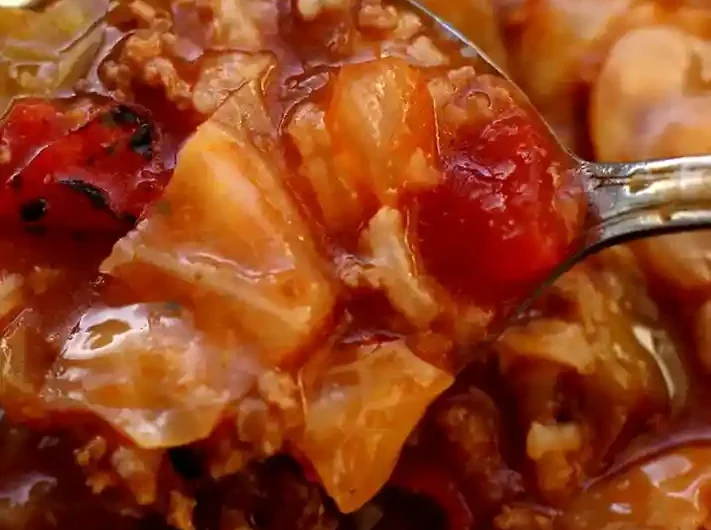
This pressure cooker meal combines the traditional taste of cabbage rolls into a comforting, one-pot soup. It simplifies the cooking process by eliminating the need to roll each cabbage leaf individually while keeping all the savory flavors.
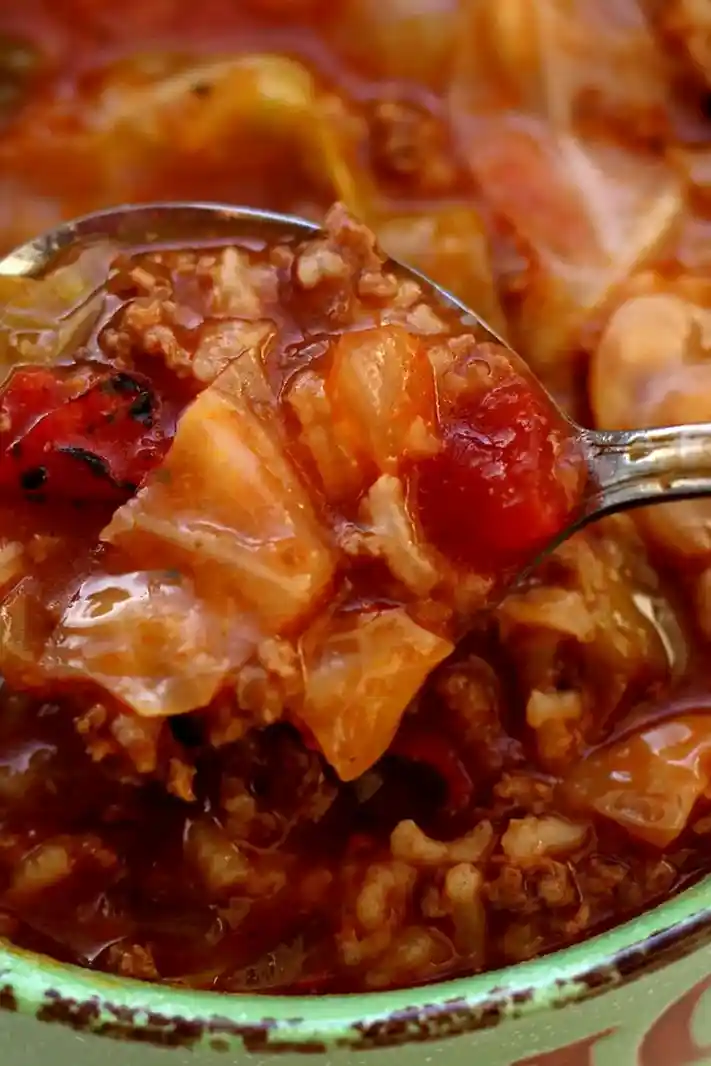
List of ingredients
- 1 to 1 ½ pounds ground beef – use 1.3 pounds for a balanced meat-to-veg ratio.
- 1 cup diced onion – provides a savory aromatic base.
- 2 Tbsp Worcestershire sauce – adds deep umami flavor.
- 1 tsp smoked paprika – gives a subtle woody depth.
- 1 tsp garlic powder – enhances the savory profile.
- 1 tsp salt – adjust based on the saltiness of your broth.
- ½ tsp black pepper – adds a mild spicy kick.
- 6-7 cups beef broth – use 6 cups for a thicker consistency or 7 cups for a thinner soup.
- 1 (14.5 oz) can fire-roasted diced tomatoes – provides a smoky tomato base.
- 1 (8 oz) can tomato sauce – thickens the broth.
- 2 Tbsp tomato paste – intensifies the tomato flavor.
- ¼ tsp allspice – adds a warm, traditional cabbage roll aroma.
- ⅔ cup long grain white rice, uncooked – provides heartiness and texture.
- 5-6 cups cabbage (8-10 ounces) – cut into ½ inch strips for consistent cooking.
step-by-step instructions
- Sauté the meat: Turn your Instant Pot to the sauté setting. When the display says HOT, add the ground beef and break it up with a spoon. Brown for about 5 minutes, then drain and discard any excess grease.
- Cook aromatics: Add the diced onion, Worcestershire sauce, smoked paprika, garlic powder, salt, and black pepper to the pot. Cook the onion for about 3 minutes until softened.
- Deglaze the pot: Pour in the beef broth and use a wooden spoon to scrape the bottom of the pot thoroughly. This prevents the burn notice by removing browned bits of meat.
- Combine ingredients: Dump in the fire-roasted diced tomatoes, tomato sauce, tomato paste, allspice, uncooked rice, and cabbage strips.
- Pressure cook: Cover the pot and secure the lid, ensuring the valve is set to sealing. Press the SOUP button and set the timer for 4 minutes.
- Natural release: Once the timer ends, let the pot sit undisturbed for 10 minutes for a natural pressure release. After 10 minutes, move the valve to venting to release any remaining steam.
- Final touch: Remove the lid and stir the soup well. Taste and add additional salt and pepper if needed.
- Serve: Ladle the soup into bowls. You can top each serving with grated microbial-rennet mozzarella cheese if desired.
Optimizing Your Pressure Cooker Performance
Preventing the Burn Warning with Proper Deglazing
Tomato paste and thick sauces can settle at the bottom of the pot and trigger a burn notice during pressure cooking. To avoid this, ensure you scrape the bottom of the inner pot thoroughly with a wooden spoon after adding the beef broth. This process, known as deglazing, removes browned bits of meat and ensures a smooth heating process.
Managing Ground Beef Fat for a Cleaner Broth
Using meat with a higher fat content can leave an oily layer on top of your soup. Draining the excess grease after the initial browning step is essential for a cleaner taste. If you prefer an even leaner soup, choose ground beef with 90% lean or higher.
Ensuring Accurate Pressure Sealing
Always double-check that the silicone sealing ring is properly seated in the lid before starting the cycle. A loose ring can cause steam to leak, which prevents the pot from reaching the required pressure. This will result in undercooked rice and cabbage.
Using the Sauté Function Efficiently
Wait for the display to read HOT before adding your meat to ensure a proper sear. Searing the beef at a high temperature helps develop a richer flavor through the Maillard reaction. Avoid overcrowding the pot during this stage to prevent the meat from steaming rather than browning.
Ingredient Substitutions for Different Preferences
Replacing Beef with Ground Turkey or Chicken
You can substitute the ground beef with ground turkey or chicken for a leaner protein option. Since these meats are lower in fat, you may need to add a tablespoon of olive oil during the sauté step to prevent sticking. The overall flavor profile will be milder, so you might consider slightly increasing the paprika.
Switching White Rice for Brown Rice or Quinoa
If you prefer brown rice or quinoa, be aware that these grains require longer cooking times and more liquid. You will likely need to increase the pressure cook time to 15-20 minutes and add an extra cup of beef broth. This ensures the grains are fully tender and the soup remains liquid.
Using Plain Diced Tomatoes Instead of Fire-Roasted
Plain diced tomatoes are an easy substitute if you cannot find fire-roasted options. While you will lose the smoky depth, the soup will still have a bright, acidic tomato base. To mimic the fire-roasted taste, add an extra pinch of smoked paprika to the recipe.
Alternatives for Worcestershire Sauce
For those avoiding Worcestershire sauce, a mixture of soy sauce and a squeeze of lemon juice can work well. This provides the necessary saltiness and acidity to balance the cabbage. Another option is using a small amount of coconut aminos for a slightly sweeter profile.
Flavor Enhancements and Variations
Adding Mirepoix for Depth of Flavor
Incorporating diced carrots and celery along with the onions creates a classic mirepoix. Sauté these vegetables with the onion for about 3-5 minutes before adding the broth. This adds a subtle sweetness and increases the nutritional value of the meal.
Incorporating Spicy Elements for Extra Heat
To add a spicy kick, stir in a pinch of red pepper flakes or a dash of cayenne pepper during the sauté phase. This heat complements the sweetness of the cabbage and the richness of the beef. You can also add diced jalapeños for a fresher, sharper spice.
Adjusting the Cabbage-to-Meat Ratio
Depending on your preference, you can increase the cabbage to 8 cups for a more vegetable-forward soup. Conversely, adding another half-pound of beef makes the dish more filling and hearty. Ensure you adjust the broth slightly if you significantly change the volume of ingredients.
Trying Different Cabbage Types
While green cabbage is standard, Savoy cabbage offers a more tender leaf and a milder flavor. Red cabbage can be used, but it will turn the soup a darker, purplish-brown color. Napa cabbage is a softer alternative that cooks very quickly, so consider adding it toward the end.
Serving Suggestions and Pairings
Pairing with Toasted Rye or Sourdough Bread
A slice of toasted rye or sourdough bread is the perfect accompaniment to this soup. The crusty texture provides a contrast to the soft rice and cabbage. Rubbing a clove of raw garlic on the toasted bread adds an extra layer of flavor.
Garnishing with Freshly Chopped Parsley
Adding a sprinkle of fresh parsley or dill just before serving brightens the presentation. These herbs cut through the richness of the beef and tomato base. Fresh greens provide a pop of color and a fresh, earthy aroma.
Using Microbial-Rennet Mozzarella as a Topping
Adding grated microbial-rennet mozzarella creates a gooey, melted layer on top of the hot soup. This mimics the cheese often found in stuffed cabbage rolls. Stir the cheese in slowly to allow it to melt into the broth.
Adding a Swirl of Plain Greek Yogurt
A small dollop of plain Greek yogurt or sour cream on top adds a creamy, tangy contrast. This acidity balances the richness of the beef broth and the sweetness of the cooked cabbage. It is a traditional way to serve cabbage-based dishes in Eastern Europe.
Storage and Meal Prep Guidelines
Best Practices for Refrigeration
Store any leftover soup in an airtight glass container to keep the flavors fresh. It will stay good in the refrigerator for 3 to 4 days. Ensure the soup has cooled slightly before sealing the lid to prevent excessive condensation.
Freezing Tips for Long-Term Storage
This soup can be frozen for up to 3 months, but the rice may change texture upon thawing. To avoid mushy rice, consider cooking the soup without rice and adding fresh cooked rice when reheating. Store in freezer-safe bags with as much air removed as possible.
Preventing Rice Over-Absorption in the Fridge
Rice continues to absorb liquid even after the soup has cooled, which can make the leftovers very thick. To prevent this, store the soup and the rice separately if possible. If storing together, plan to add a splash of broth during the reheating process.
Portioning for Individual Meal Prep
Divide the soup into individual serving containers for easy weekday lunches. This prevents the need to reheat the entire pot multiple times, which preserves the texture of the cabbage. Label each container with the date for food safety.
Reheating Methods for Maximum Quality
Stovetop Reheating for Consistent Texture
Reheating on the stovetop over low to medium heat is the best way to maintain the soup’s integrity. Stir occasionally to ensure the rice and meat are heated evenly. This method allows you to easily monitor the consistency and add liquid if needed.
Quick Microwave Reheating Methods
For a faster option, heat the soup in a microwave-safe bowl in 1-minute intervals. Stir between each interval to prevent hot spots and ensure the rice is heated through. Cover the bowl with a damp paper towel to keep the cabbage from drying out.
Adjusting Consistency with Extra Beef Broth
Because the rice absorbs liquid during storage, the soup will likely be thicker upon reheating. Add a small amount of beef broth or water to return it to your desired consistency. Start with a quarter cup and add more as needed.
Maintaining Cabbage Texture During Reheating
Avoid boiling the soup vigorously during the reheating process, as this can overcook the cabbage. Use a gentle simmer to warm the soup through. This ensures the cabbage retains a slight bite rather than becoming completely mushy.
Common Troubleshooting Solutions
Fixing a Soup That is Too Thin
If the soup is too watery, you can simmer it on the sauté setting without the lid for several minutes. This allows some of the liquid to evaporate and thicken the broth. Alternatively, whisk in a small cornstarch slurry for a quicker thickening effect.
Dealing with Overcooked Rice Grains
If the rice becomes too soft, it is usually due to a long natural release or over-stirring. While you cannot undo the texture, adding extra diced fresh cabbage can provide a contrasting crunch. Next time, try reducing the rice quantity slightly.
Balancing Excessive Tomato Acidity
If the tomato base tastes too acidic, add a pinch of sugar or a teaspoon of honey. The sweetness neutralizes the acidity of the canned tomatoes and tomato sauce. Add this in small increments and taste as you go.
Managing Salt Levels in Store-Bought Broth
Store-bought beef broths vary wildly in sodium content. If your soup tastes too salty, add an extra cup of water or an unsalted beef stock. You can also add a splash of apple cider vinegar to distract the palate from the saltiness.
Frequently Asked Questions
Can I use a slow cooker instead of an Instant Pot?
Yes, you can adapt this for a slow cooker by browning the meat first and then simmering everything on low for 6-8 hours. However, add the rice and cabbage during the last hour of cooking to prevent them from becoming overcooked.
How do I prevent the cabbage from becoming too soft?
Strictly follow the 4-minute pressure cook time and the 10-minute natural release. Overcooking in the pressure cooker is the primary reason for mushy cabbage. If you prefer very firm cabbage, you can stir in the cabbage strips after the pressure cooking cycle is complete and let them wilt in the residual heat.
Can I use a pre-shredded cabbage mix?
Pre-shredded coleslaw mix works well as a time-saver. Since it is usually shredded thinner than 1/2 inch strips, it may cook faster. Keep a close eye on the texture and consider reducing the pressure cook time by one minute.
Why is my soup thicker than the recipe suggests?
The thickness is usually determined by the amount of beef broth and the variety of rice used. If it is too thick, you likely used the 6-cup broth option and a high-starch rice. Simply stir in more beef broth until the desired consistency is reached.
Print
Hearty Instant Pot Cabbage Roll Soup
- Total Time: 40 minutes
- Yield: 8 servings 1x
- Diet: General
Description
An easy way to enjoy all the flavors of cabbage rolls. This soup will be your family’s new favorite!
Ingredients
- 1 to 1 ½ pounds ground beef
- 1 cup diced onion
- 2 Tbsp Worcestershire sauce
- 1 tsp smoked paprika
- 1 tsp garlic powder
- 1 tsp salt
- ½ tsp black pepper
- 6–7 cups beef broth
- 1 (14.5 oz) can fire-roasted diced tomatoes
- 1 (8 oz) can tomato sauce
- 2 Tbsp tomato paste
- ¼ tsp allspice
- ⅔ cup long grain white rice, uncooked
- 5–6 cups cabbage, cut into ½ inch strips
Instructions
- Step 1: Turn your Instant Pot to the saute setting. When the display says HOT add in the ground beef and break it up. Brown for about 5 minutes and then drain off any excess grease and discard. Add in the onion, Worcestershire, paprika, garlic powder, salt and pepper. Cook the onion for about 3 minutes.
- Step 2: Pour in the broth and scrape the bottom of the pot. Dump in the tomatoes, tomato sauce, tomato paste, allspice, rice and cabbage.
- Step 3: Cover the pot and secure the lid. Make sure the valve is set to sealing. Set the SOUP button to 4 minutes. When the time is up let the pot sit for 10 minutes and then move the valve to venting. Remove the lid. Stir the soup. Salt and pepper to taste.
- Step 4: Ladle into bowls and serve. You can top with grated microbial-rennet mozzarella cheese if desired.
Notes
You can top with grated microbial-rennet mozzarella cheese if desired.
- Prep Time: 15 minutes
- Cook Time: 14 minutes
- Category: Soup
- Method: Instant Pot
- Cuisine: American
Nutrition
- Serving Size: 1 serving
- Calories: 290 kcal
- Sugar: 6 g
- Sodium: 890 mg
- Fat: 12 g
- Saturated Fat: 5 g
- Unsaturated Fat: 7 g
- Trans Fat: 0 g
- Carbohydrates: 19 g
- Fiber: 3 g
- Protein: 18 g
- Cholesterol: 60 mg
Keywords: Instant Pot, cabbage roll soup, beef soup, comfort food, American soup