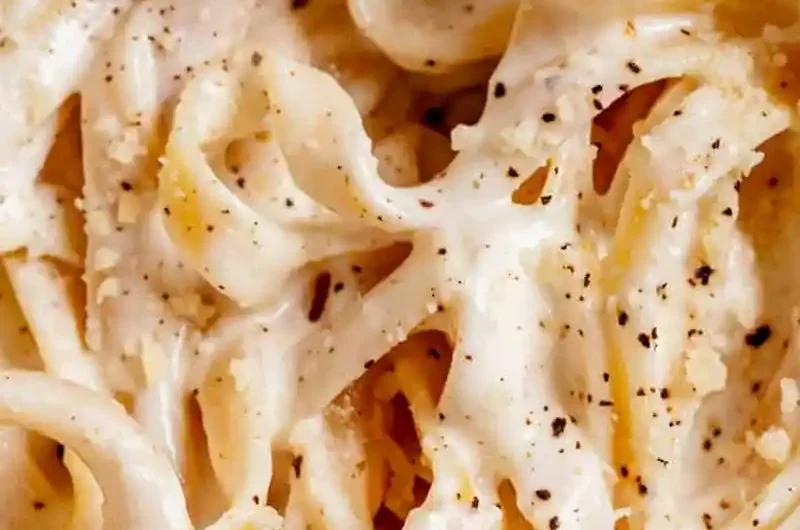
This high-protein alfredo sauce offers a rich and creamy texture without the need for heavy cream or butter. It is a fast, nutritious alternative to traditional white sauces that comes together in about 15 minutes.
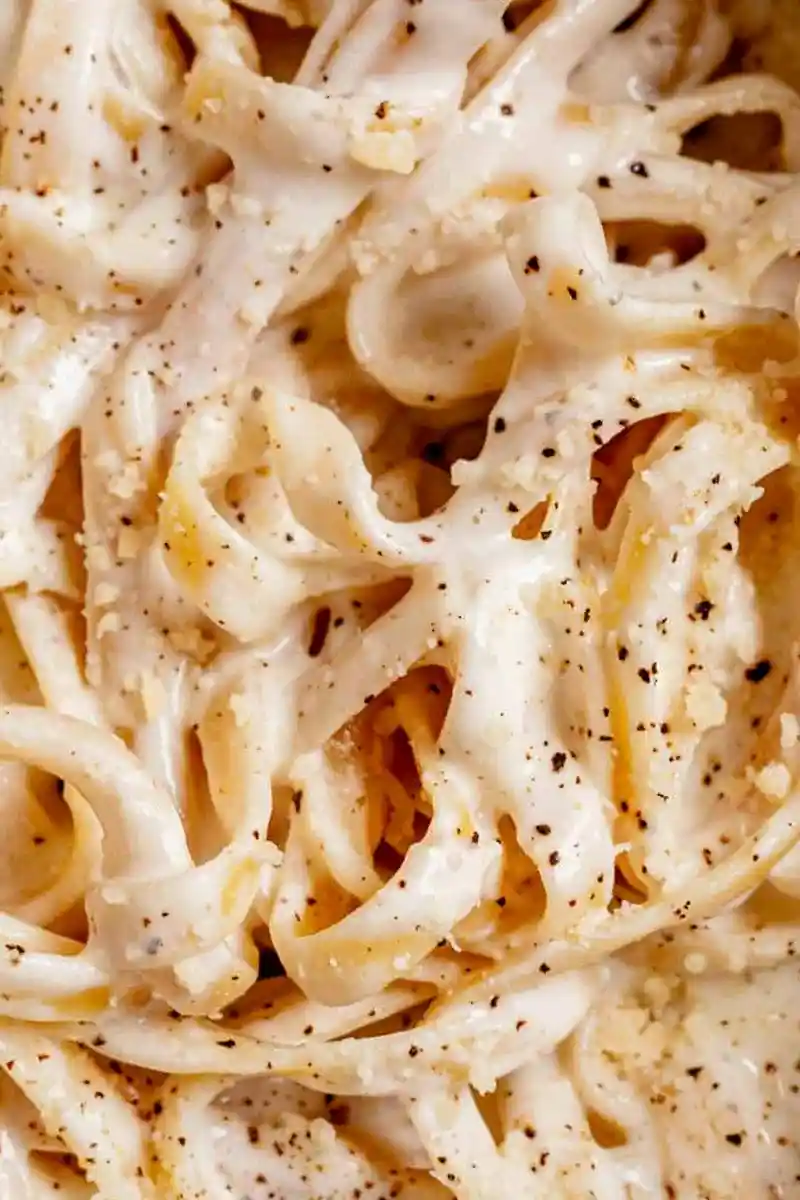
List of ingredients
- 1/2 cup milk (any variety, including dairy-free options)
- 1 1/4 cups cottage cheese (whole milk or 2% preferred for creaminess)
- 1 Tablespoon olive oil (for sautéing garlic)
- 2 cloves garlic (finely minced)
- 1 cup freshly grated parmesan cheese (avoid pre-shredded for better melting)
- 1/2 teaspoon Italian seasoning (adds classic herb notes)
- 1/2 cup pasta cooking water (reserved to adjust consistency)
- Kosher salt and fresh cracked black pepper (to taste)
- 12 ounces pasta of choice (such as fettuccine, penne, or gluten-free alternatives)
step-by-step instructions
- Blend the base: Combine the milk and cottage cheese in a high-speed blender. Process until the mixture is completely smooth and no curds remain.
- Sauté the garlic: Heat olive oil in a medium saucepan over medium heat. Add the minced garlic and cook for 1-2 minutes until fragrant, being careful not to burn it.
- Combine the sauce: Reduce the heat to low. Pour in the blended cottage cheese mixture, then stir in the grated parmesan cheese and Italian seasoning.
- Melt gently: Stir the sauce over very low heat until the parmesan cheese has fully melted. Avoid high heat at this stage to prevent the sauce from curdling.
- Prepare the pasta: Boil the pasta according to package instructions until al dente. Reserve 1/2 cup of the cooking water before draining the noodles, then rinse the pasta with cool water.
- Toss and serve: Combine the pasta with the sauce over low heat. Stir until the noodles reach your desired temperature, adding reserved pasta water if needed to thin the sauce. Do not overheat to avoid separation.
Optimizing Your Ingredient Selection
Choose the Right Cottage Cheese
Whole milk cottage cheese provides the richest flavor and smoothest texture. However, 2% or low-fat versions also work well in this recipe. Ensure you blend it thoroughly to remove the characteristic graininess.
Grate Your Own Parmesan
Freshly grated parmesan melts much more smoothly than pre-shredded options. Pre-shredded cheeses are often coated in potato starch or cellulose to prevent clumping, which can make the sauce gritty. A block of high-quality parmesan ensures a velvety finish.
Experiment with Milk Varieties
While whole milk is traditional, almond, cashew, or oat milk work as excellent substitutes. Nut milks provide a slightly different flavor profile but maintain the creamy consistency of the sauce. Choose an unsweetened version to avoid altering the savory taste.
Use Fresh Garlic for Maximum Flavor
Freshly minced garlic provides a pungent, aromatic base that cannot be replicated by garlic powder. Sautéing it in olive oil releases essential oils that infuse the entire sauce. Always mince garlic finely to ensure it distributes evenly throughout the pan.
Pasta Pairing and Alternatives
Classic Long Noodles
Fettuccine and linguine are the traditional choices for alfredo sauce because their surface area allows the sauce to cling effectively. These shapes create a luxurious mouthfeel with every bite. Use a pasta fork to twirl the noodles for a professional presentation.
Short Pasta Shapes
Penne, rigatoni, or farfalle are better options if you plan to add chunks of chicken or vegetables. The hollow centers and ridges of these pastas trap the sauce and small ingredients. This makes every forkful balanced and hearty.
Low-Carb Vegetable Substitutes
Zucchini noodles, also known as zoodles, are a great low-calorie alternative to grain-based pasta. Sauté them briefly or use them raw to maintain a crisp texture. Be mindful that zucchini releases water, which may thin the sauce more than traditional pasta does.
Gluten-Free Pasta Options
Chickpea, brown rice, or corn-based pastas work well with this creamy sauce. To prevent gluten-free noodles from becoming mushy, cook them slightly under the package directions. Rinse them well to remove excess surface starch before tossing them in the sauce.
Ways to Customize Your Alfredo
Adding Roasted Chicken and Broccoli
Toss broccoli florets and diced chicken breast with olive oil, salt, and pepper on a sheet pan. Roast at 425°F for 18-20 minutes until the chicken reaches an internal temperature of 165°F. Stir these roasted additions into the pasta and sauce at the very end.
Incorporating Fresh Spinach
Add a few handfuls of baby spinach to the pan just as you are tossing the pasta in the sauce. The residual heat will wilt the spinach in about 60 seconds without overcooking it. This adds a pop of color and a boost of nutrients to the dish.
Adding a Spicy Kick
Stir in a pinch of crushed red pepper flakes during the garlic sautéing step. This infuses the oil with heat, which then distributes throughout the creamy sauce. For an even bolder flavor, add a teaspoon of Sriracha or chipotle powder.
Enhancing with Sautéed Mushrooms
Sauté sliced cremini or button mushrooms in a separate pan until they are browned and the moisture has evaporated. Mix them into the finished sauce for an earthy, savory depth. This variation mimics a creamy mushroom alfredo.
Mastering the Sauce Texture
Preventing Sauce Curdling
Cottage cheese can separate if exposed to high temperatures for too long. Always keep your burner on low or medium-low once the blended mixture is added to the pan. If the sauce begins to look grainy, remove it from the heat immediately.
The Role of Pasta Cooking Water
The starchy water reserved from the pasta pot acts as an emulsifier. Adding a few tablespoons of this liquid helps the sauce bind to the noodles more effectively. It also allows you to thin the sauce to your preferred consistency without adding more milk.
Fixing a Separated Sauce
If the sauce curdles despite your best efforts, do not throw it away. Pour the entire contents of the pan back into a high-speed blender. Add a splash of warm milk and blend on high until the emulsion is restored.
Achieving Maximum Smoothness
The secret to a professional texture is the high-speed blender. Blending the cottage cheese and milk before heating ensures there are no lumps. For an even finer texture, you can pass the blended mixture through a fine-mesh strainer before adding it to the pan.
Storage and Reheating Guidance
Refrigerating Leftovers
Store leftover pasta and sauce in an airtight container in the refrigerator for up to four days. Keep the sauce and pasta separate if you plan to store them for longer than two days to prevent the noodles from absorbing all the moisture. Ensure the container is sealed tightly to prevent odors from the fridge from entering the sauce.
Best Reheating Methods
Reheat the dish in a saucepan over medium-low heat rather than using a microwave. Slow heating prevents the cottage cheese from breaking and curdling. Add a small splash of milk or water to loosen the sauce as it warms up.
Microwave Reheating Tips
If a microwave is your only option, heat the pasta in short 30-second intervals. Stir vigorously between each interval to distribute the heat evenly. Adding a teaspoon of water before heating helps create a small amount of steam to keep the sauce creamy.
Freezing Considerations
It is not recommended to freeze this sauce due to the high water content of cottage cheese. Freezing and thawing often causes the dairy to separate completely, resulting in a grainy texture. For the best experience, make only what you can consume within a week.
Troubleshooting Common Issues
Why is my sauce too thin?
If the sauce lacks thickness, you can simmer it on low for a few extra minutes to reduce the liquid. Alternatively, mix one teaspoon of cornstarch with a tablespoon of water to create a slurry. Stir the slurry into the simmering sauce and cook for one minute until thickened.
Why does my sauce taste too tangy?
Some brands of cottage cheese are more acidic than others. To balance the tanginess, add a tiny pinch of sugar or an extra tablespoon of parmesan cheese. The saltiness of the parmesan usually neutralizes the lactic acid in the cottage cheese.
How to handle lumpy parmesan?
Lumps usually happen when pre-shredded cheese is used or when the heat is too high, causing the cheese to clump. To fix this, lower the heat and whisk constantly. If lumps persist, a quick pulse in the blender can smooth the sauce out.
Preventing pasta from sticking
Rinsing the noodles with cool water after draining stops the cooking process and removes excess surface starch. This prevents the pasta from clumping together before it hits the sauce. It also ensures the sauce coats each strand individually.
Frequently Asked Questions
Does cottage cheese taste strong in the sauce?
Once blended and mixed with garlic and parmesan, the distinct taste of cottage cheese disappears. It provides a neutral, creamy base that tastes very similar to traditional alfredo sauce.
Can I make this sauce vegan?
You can try replacing cottage cheese with a plant-based cream cheese or blended silken tofu. Use vegan parmesan and plant-based milk to complete the swap. Note that the flavor and protein content will differ from the original recipe.
How much protein is in this sauce?
Because cottage cheese is the primary ingredient, this sauce is significantly higher in protein than traditional butter-and-cream alfredo. The exact amount depends on the brand of cottage cheese and the type of pasta used.
Can I use this sauce for other dishes?
Yes, this sauce works well as a dip for vegetables or as a topping for baked fish. It can also be used in a casserole with gnocchi and mozzarella cheese for a baked pasta dish.
Print
High Protein Cottage Cheese Alfredo
- Total Time: 15 minutes
- Yield: 4 servings 1x
- Diet: High Protein
Description
This cottage cheese alfredo comes together in 15 minutes or less and has the same rich and creamy texture as regular alfredo. Skip the heavy cream and butter because this high protein sauce and goes well with any pasta dish.
Ingredients
- 1/2 cup milk (any kind)
- 1 1/4 cups cottage cheese
- 1 Tablespoon olive oil
- 2 cloves garlic (minced)
- 1 cup freshly grated parmesan cheese
- 1/2 teaspoon Italian seasoning
- 1/2 cup pasta cooking water (as needed)
- Kosher salt and fresh cracked black pepper to taste
- 12 ounces pasta of choice
Instructions
- Blend: Blend the milk and cottage cheese in a high speed blender until smooth.
- Sauté: Heat the olive oil a medium saucepan over medium heat. Add the minced garlic and cook until fragrant, 1-2 minutes. Turn the heat down to low and pour the cottage cheese mixture into the pan with the parmesan cheese and Italian seasoning.
- Melt: Stir to melt the parmesan cheese and cook gently on very low heat to melt the parmesan cheese. Be careful not to overheat or the sauce can curdle.
- Cook Pasta: While it’s simmering, make the pasta according to the package directions until al dente. Reserve 1/2 cup of the pasta cooking water and drain the rest from the pasta. Rinse the noodles with cool water.
- Combine: Toss the pasta to the alfredo sauce over low heat until it reaches your desired temperature. Be careful not to overheat with hot noodles or high heat because the sauce can separate if it becomes too hot.
Notes
Nutrition information is for sauce only. Cook on low heat to prevent curdling; if it curdles, blend again with a splash of milk. Store in an airtight container for up to 4 days.
- Prep Time: 5 minutes
- Cook Time: 10 minutes
- Category: Dinner, Sauce
- Method: Stovetop
- Cuisine: American, Italian
Nutrition
- Serving Size: 0.5 cups sauce
- Calories: 205 kcal
- Sugar: 4 g
- Sodium: 850 mg
- Fat: 12 g
- Saturated Fat: 6 g
- Unsaturated Fat: 5 g
- Trans Fat: 0 g
- Carbohydrates: 7 g
- Fiber: 0.1 g
- Protein: 16 g
- Cholesterol: 36 mg
Keywords: cottage cheese alfredo, high protein sauce, creamy pasta, healthy alfredo