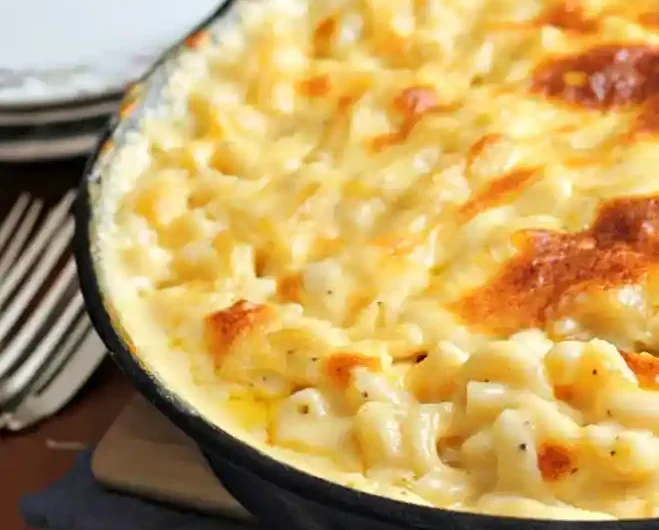
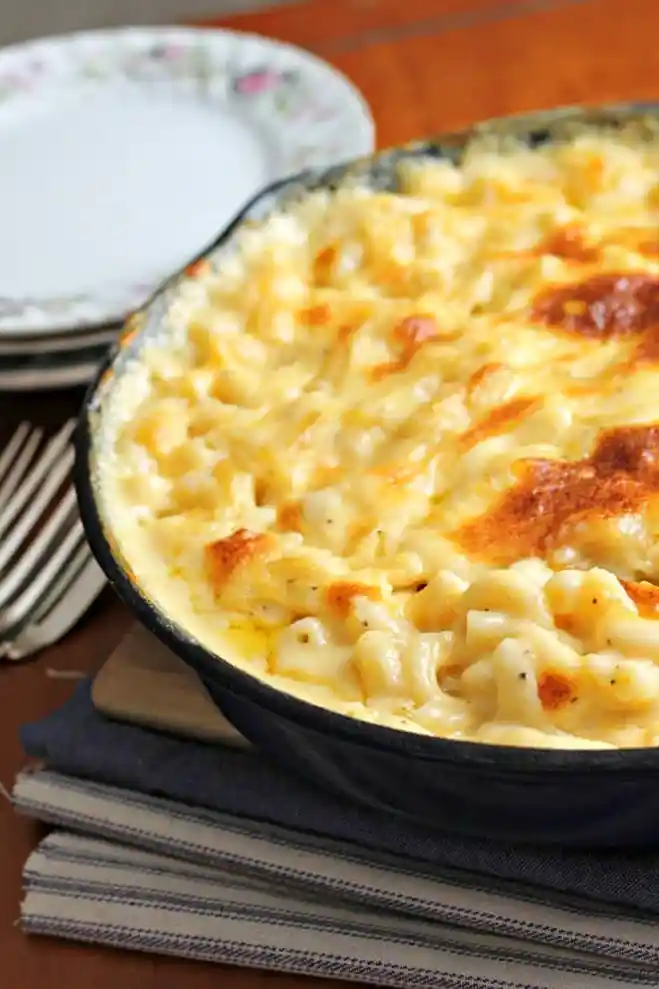
This recipe delivers a traditional baked macaroni and cheese with a rich, creamy sauce. It is a versatile side dish that can be customized with various cheeses or proteins to suit your needs.
List of ingredients
- 1 1/2 cups dry elbow macaroni (shells or cavatappi also work) – the base pasta.
- 3 tablespoons butter or margarine – used for the roux.
- 3 tablespoons all purpose flour – thickens the cheese sauce.
- 2 cups milk (not skim) – provides the creamy base.
- 1/2 teaspoon salt – for seasoning.
- 1/2 teaspoon pepper – for seasoning.
- 2 cups shredded cheese (1 cup sharp cheddar and 1 cup Swiss recommended) – for flavor and melt.
step-by-step instructions
- Preheat: Set your oven to 350 degrees.
- Boil Pasta: Bring a pot of water to a boil and add a generous amount of salt before adding the pasta.
- Melt Butter: While the pasta cooks, melt the butter in a skillet or pot large enough to eventually hold the cooked pasta.
- Create Roux: Add the flour and stir over medium heat for 1-2 minutes until the mixture is lightly browned.
- Whisk Milk: Pour in the milk and whisk continuously to remove lumps; add the salt and pepper.
- Thicken Sauce: Cook over medium-high heat for about 6 minutes until the sauce thickens and begins to bubble.
- Melt Cheese: Stir in the shredded cheese and whisk until smooth and completely melted, then turn off the heat.
- Combine: Drain the pasta when it is almost done but still firm, then add it directly to the cheese sauce.
- Bake: Stir the pasta into the sauce and pour into a greased 2 quart dish or an 8×8 pan. Bake for 20-25 minutes until browned and bubbly.
- Alternative Finish: If you prefer a super creamy consistency, skip the oven bake and place the dish under the broiler briefly to brown the top.
Cheese Sauce Optimization
Grate Your Own Cheese from a Block
Avoid using pre-shredded bagged cheeses because they are coated in cellulose to prevent clumping. This anti-caking agent can prevent the cheese from melting smoothly and may result in a grainy texture. Grating blocks of sharp cheddar and Swiss ensures a perfectly creamy sauce.
Stir the Milk Constantly
Never stop stirring the milk once it is added to the roux. If the skillet is too hot or the sauce is left unattended, the milk can scorch or curdle. Continuous whisking prevents lumps and ensures a silky consistency.
Add a Touch of Acidity
Dairy-heavy dishes can sometimes taste flat due to the high fat content. Adding 1-2 teaspoons of red wine vinegar to the sauce before mixing in the pasta provides a necessary zing. Avoid strong white distilled or apple cider vinegars to keep the flavor balanced.
Adjust Seasoning Before Baking
Taste the cheese sauce before adding the pasta to ensure the salt levels are correct. The flavor can vary depending on the brand of cheese used. Add an extra pinch of salt if the sauce tastes bland to ensure the final dish is well-seasoned.
Pasta Preparation and Selection
Choose the Right Pasta Shape
Elbow macaroni is traditional, but shells or cavatappi are excellent choices because they trap the sauce. Small pastas like ditalini or wagon wheels can be used up to 2 cups. Larger shapes like bow ties or cellentani also work well if you prefer more texture.
Cook Pasta Al Dente
Drain the pasta while it is still slightly firm to the touch. Since the pasta will cook further in the oven, overcooking it during the boiling stage will lead to a mushy final product. This ensures the noodles maintain their structure.
Use Dry Measuring Cups
Always measure the pasta using a measuring cup designed for dry ingredients rather than a liquid measuring cup. This ensures the ratio of pasta to sauce remains correct. Accurate volume measurements prevent the dish from becoming too dry or too liquid.
Baking and Cooking Methods
Use a Cast Iron Skillet for Faster Results
The thickness of your baking dish affects the total cook time. Using a cast iron skillet allows for faster heat distribution, often reducing the bake time to around 25 minutes. A deeper 2 quart casserole dish may require more time to heat through the center.
Broil for a Golden Crust
If you prefer a very creamy interior with a crisp top, skip the full bake. Instead, place the prepared macaroni and cheese under the broiler for a few minutes. Watch it closely to prevent the cheese from burning while achieving a golden-brown finish.
Scaling the Recipe for Large Groups
To double or triple the recipe, multiply all ingredients by the same factor. Use a 9×13 inch baking pan to accommodate the increased volume. The baking time generally remains similar, provided you bake until the edges bubble and the center is hot.
Storage and Make-Ahead Advice
Prevent Skin Formation During Cooling
When making the dish in advance, let the mixture cool down before refrigerating. Press a piece of plastic wrap directly against the surface of the macaroni and cheese. This prevents a skin from forming on the sauce while it chills.
Reheating Pre-made Macaroni and Cheese
Store the prepared mixture in the refrigerator for up to three days. When you are ready to serve, bake it until the edges are bubbling and the center is thoroughly warmed. This method maintains the texture better than reheating in a microwave.
Avoid Using a Slow Cooker
This specific recipe is not suited for a slow cooker. The prolonged low heat tends to break down the pasta too much, resulting in a mushy consistency. Stick to the stovetop and oven methods for the best structural results.
Customizing Your Dish
Integrate Fresh Vegetables
You can turn this into a one-dish meal by adding steamed broccoli, peas, or diced carrots. Stir these in after the cheese sauce is melted but before adding the pasta. Ensure the vegetables are pre-cooked to avoid releasing excess water into the sauce.
Add Lean Protein Options
To increase the protein content, stir in diced cooked chicken breast or sautéed mushrooms. These additions should be fully cooked before being added to the cheese sauce. This transforms the side dish into a hearty main course.
Experiment with Cheese Pairings
While sharp cheddar and Swiss are recommended, you can experiment with other melting cheeses. Gruyere provides a nuttier flavor, while Monterey Jack increases the creaminess. Always balance a strong-flavored cheese with a mild melting cheese for the best result.
Troubleshooting and Fixes
Fixing a Grainy Sauce
If your sauce appears grainy, it is likely due to the cheese breaking or the milk curdling from high heat. Try whisking in a tablespoon of warm milk or cream over very low heat to smooth it out. Avoid boiling the sauce once the cheese has been added.
Preventing Dry Pasta After Baking
If you find your baked macaroni and cheese is too dry, increase the amount of sauce slightly before baking. Ensure the pasta is not overcooked during the boiling phase. A slightly looser sauce before it goes into the oven typically results in a creamier finish.
Solving Bland Flavor Issues
If the final dish lacks depth, it may be due to a mild cheese selection or insufficient salt. Adding a small amount of mustard powder or a dash of red wine vinegar can enhance the existing flavors. Always taste the sauce before the final bake.
Frequently Asked Questions
Can I use skim milk?
It is not recommended to use skim milk as the fat content is essential for the sauce’s texture and flavor. Using a full-fat or 2% milk ensures the roux emulsifies correctly and the sauce remains creamy.
Can this recipe be frozen?
No, this recipe does not freeze well. The dairy and pasta structure tend to separate and become grainy upon thawing. It is best enjoyed fresh or stored in the refrigerator for a few days.
How do I stop the sauce from splitting?
To prevent the sauce from splitting, keep the heat at a medium level and avoid boiling the sauce once the cheese is added. Whisking constantly ensures the fats and liquids stay emulsified.
What is the best substitute for Swiss cheese?
Gruyere is the best substitute for Swiss cheese because it has a similar melting point and a complex, nutty flavor. Emmental is another viable option that provides a similar profile.
Print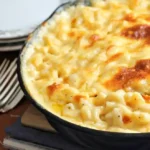
Homemade Baked Macaroni and Cheese
- Total Time: 55 minutes
- Yield: 6 servings 1x
- Diet: General
Description
A traditional mac and cheese. Bake it with your favorite cheeses, veggies or meats for a one-dish wonder.
Ingredients
- 1 1/2 cups dry elbow macaroni (shells or cavatappi)
- 3 tablespoons butter or margarine
- 3 tablespoons all purpose flour
- 2 cups milk (not skim)
- 1/2 teaspoon salt
- 1/2 teaspoon pepper
- 2 cups shredded cheese (1 cup sharp cheddar and 1 cup Swiss)
Instructions
- Step: Preheat oven to 350 degrees.
- Step: Bring a pot of water to a boil; add a generous sprinkling of salt the pasta.
- Step: While the pasta cooks, melt the butter in a skillet or pot large enough to hold the pasta when it’s done.
- Step: Add the flour and stir over medium heat until the mixture is lightly browned; 1-2 minutes.
- Step: Add the milk and whisk to remove any lumps and add the salt and pepper.
- Step: Cook over medium-high heat until the sauce thickens and starts to bubble. About 6 minutes.
- Step: Stir in the cheese and whisk until smooth and melted. Turn off the heat.
- Step: When the pasta is almost done but still firm, drain it and add to the sauce.
- Step: Stir the pasta into the sauce and bake in a greased 2 quart dish (or an 8×8 pan works pretty well) 20-25 minutes until browned and bubbly.
Notes
Stir constantly to prevent the sauce from splitting. Use block cheese rather than pre-shredded to avoid cellulose. For added zing, stir in 1-2 teaspoons of apple cider vinegar or lemon juice before adding the pasta. This recipe can be prepared up to three days in advance, chilled, and baked later.
- Prep Time: 15 minutes
- Cook Time: 40 minutes
- Category: Side Dish
- Method: Baking
- Cuisine: American
Nutrition
- Serving Size: 1 serving
- Calories: 395 kcal
- Sugar: 5 g
- Sodium: 514 mg
- Fat: 21 g
- Saturated Fat: 13 g
- Unsaturated Fat: 8 g
- Trans Fat: 0 g
- Carbohydrates: 33 g
- Fiber: 1 g
- Protein: 16 g
- Cholesterol: 62 mg
Keywords: baked mac and cheese, baked mac and cheese recipe, baked macaroni and cheese, macaroni and cheese