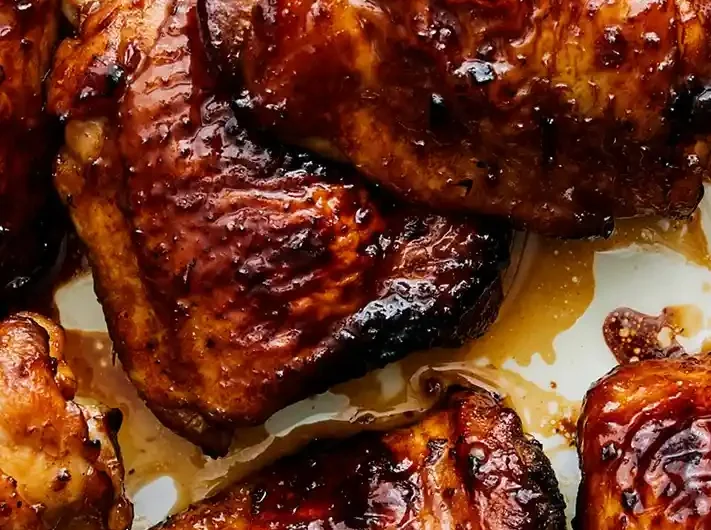
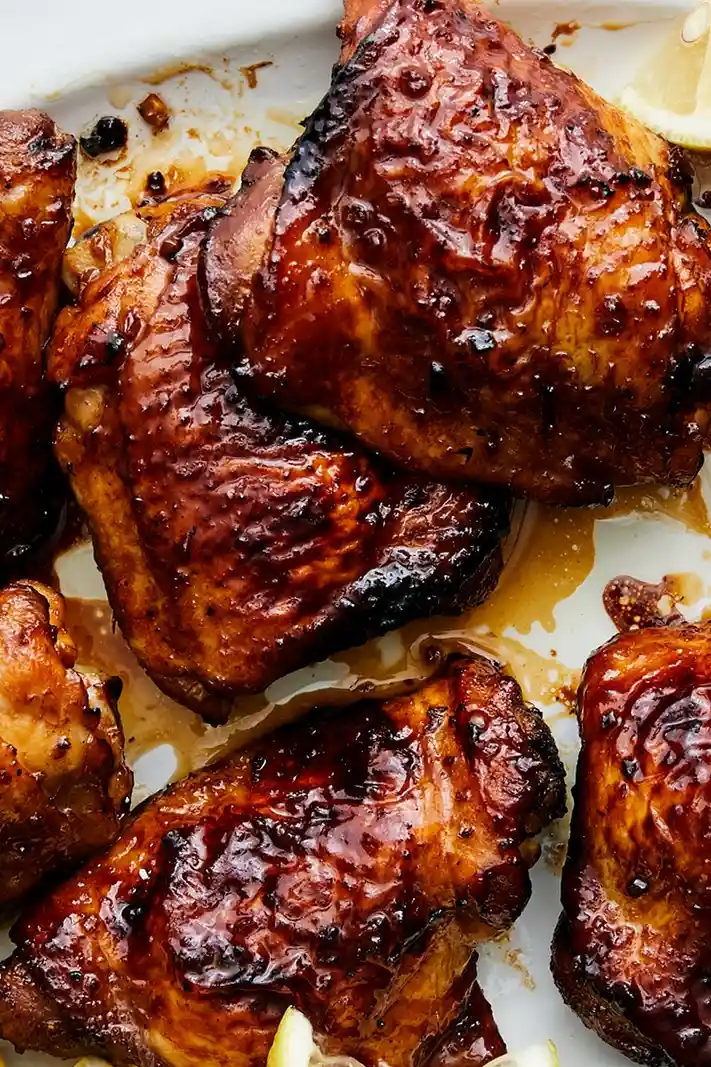
This recipe creates a sticky, sweet, and savory coating on oven-roasted chicken thighs. It is a streamlined dinner option that is ideal for busy weeknights.
List of ingredients
- 2 tablespoons canola oil – used for sautéing and coating.
- 1 tablespoon minced garlic – adds aromatic depth.
- 1 tablespoon minced ginger – provides a fresh, zesty heat.
- 6 tablespoons low-sodium soy sauce – the primary salty base for the glaze.
- 5 tablespoons mild honey (clover, acacia, or orange blossom) – provides sweetness and helps with caramelization.
- 3 tablespoons unsalted butter – adds richness and a glossy finish.
- Kosher salt and black pepper – used for basic seasoning.
- 8 small bone-in, skin-on chicken thighs (about 3 pounds) – the main protein.
- Lemon wedges – for serving and cutting through the richness.
step-by-step instructions
- Prepare the Glaze: Heat the oven to 425 degrees. Heat 1 tablespoon oil in a small saucepan over low heat. Add the garlic and ginger and cook, stirring occasionally, until softened, 3 minutes.
- Reduce the Sauce: Add the soy sauce and honey and simmer, stirring occasionally, until reduced and slightly thickened, about 10 minutes. Monitor the mixture closely to prevent the honey from burning.
- Finish the Glaze: Turn off the heat then whisk in the butter. Season the sauce with salt and pepper.
- Season the Chicken: On an aluminum foil-lined rimmed baking sheet, season the chicken all over with salt and pepper.
- Initial Roast: Add half the glaze and the remaining 1 tablespoon oil to the chicken and toss to coat. Arrange the thighs in an even layer, skin side up, and roast until browned, 15 minutes.
- Final Glaze and Roast: Brush the chicken all over with 2 tablespoons of the remaining glaze. Roast until golden and cooked through, about 10 minutes.
- Serve: Drizzle the chicken with the remaining glaze and serve immediately with lemon wedges.
Pro Tips for Perfect Glazing
Monitoring the Sauce Reduction Process
When simmering the honey and soy mixture, watch for the bubbles to change from small and rapid to larger and slower. This indicates that the water is evaporating and the sugars are concentrating into a syrup. Constant stirring is necessary because honey can settle at the bottom of the pan and scorch quickly.
Achieving a Crispy Skin Texture
Ensure the chicken thighs are placed skin side up on the baking sheet. This allows the fat to render and the high oven heat to crisp the skin while the meat stays juicy. Avoid crowding the pan, as too many pieces close together can create steam and prevent the skin from browning.
Using an Aluminum Foil Lining
Lining a rimmed baking sheet with aluminum foil is essential for this recipe because the honey-based glaze is highly prone to burning. The foil prevents the glaze from sticking to the pan and makes the cleanup process significantly faster. Ensure the foil is pressed firmly to avoid shifting the chicken.
Verifying Internal Temperature
Use a digital meat thermometer to check that the chicken has reached a safe internal temperature of 165 degrees Fahrenheit. For bone-in thighs, cooking them to 175 or 185 degrees often results in a more tender texture. Insert the probe into the thickest part of the thigh without hitting the bone.
Ingredient Alternatives
Gluten-Free Soy Substitutes
If you need a gluten-free version of this dish, replace the low-sodium soy sauce with tamari or coconut aminos. Tamari provides a taste profile very similar to soy sauce but without the wheat. Coconut aminos are a soy-free alternative, though they are slightly sweeter and less salty.
Choosing the Right Honey
Mild honeys like clover, acacia, or orange blossom are recommended to avoid overpowering the other flavors. Avoid using very strong, medicinal honeys like Manuka, which can alter the intended taste of the glaze. If the honey is crystallized, warm it gently in the microwave for a few seconds before measuring.
Alternative Cooking Oils
While canola oil is a neutral choice, avocado oil is an excellent substitute due to its high smoke point. If you want a deeper nutty flavor, you can use a small amount of sesame oil, though it should be used sparingly so it does not dominate the dish. Avoid using extra-virgin olive oil for the high-heat roasting stage.
Adapting for Boneless Chicken Thighs
You can use boneless, skin-on chicken thighs if preferred, but you must adjust the roasting time. Boneless thighs typically cook faster than bone-in versions. Reduce the initial roast time by about 5 minutes and check for doneness earlier to avoid drying out the meat.
Serving Suggestions
Using Fresh Bibb Lettuce Cups
For a lower-carb option, serve the sliced chicken in bibb or butter lettuce cups. Wash the lettuce thoroughly and pat it dry to ensure the wrap remains crisp. The freshness of the lettuce balances the sweetness of the honey glaze.
Pairing with Steamed Grains
Steamed jasmine rice or brown rice is an ideal accompaniment to catch the extra glaze and juices from the pan. To enhance the flavor, you can cook the rice in a light vegetable broth instead of water. This adds an extra layer of savory depth to the meal.
Adding Roasted Side Vegetables
Roasted broccoli, bok choy, or snap peas pair well with the flavors of soy and ginger. Roast these vegetables on a separate tray at the same temperature as the chicken. Toss them in a small amount of oil and salt to keep the focus on the glazed chicken.
Adding Final Garnishes
Finishing the dish with thinly sliced scallions and toasted sesame seeds adds visual appeal and a hint of nuttiness. A sprinkle of red pepper flakes can also be added for those who prefer a slight spicy kick. These garnishes provide a professional contrast to the dark, glossy glaze.
Storage and Reheating
Refrigeration Guidelines
Store leftover chicken and glaze in an airtight container in the refrigerator for up to four days. Keep the remaining sauce separate from the meat if possible to maintain the texture of the skin. Ensure the chicken is cooled slightly before sealing the container to prevent excess moisture buildup.
Freezing the Roasted Chicken
You can freeze the cooked chicken thighs for up to three months. Wrap each piece individually in foil and place them in a heavy-duty freezer bag. Thaw the chicken in the refrigerator overnight before reheating to ensure even heating.
Best Reheating Methods
To maintain the best texture, reheat the chicken in the oven at 350 degrees Fahrenheit until warmed through. This prevents the skin from becoming rubbery, which often happens in a microwave. If using a microwave, cover the chicken with a damp paper towel and heat in short bursts.
Transforming Leftovers into Fried Rice
Chopped leftover chicken is perfect for a quick fried rice dish. Sauté diced carrots, peas, and onions in a pan, add day-old chilled rice, and toss in the chopped chicken. Stir in a small amount of soy sauce and a beaten egg for a complete meal.
Troubleshooting Common Issues
Preventing the Sauce from Burning
If the glaze is browning too quickly in the oven, lower the temperature to 400 degrees and extend the cooking time slightly. Sugar-based glazes can go from caramelized to burnt very quickly. Keep a close eye on the pan during the final 10 minutes of roasting.
Handling Underdone Chicken
If the chicken is not cooked through after the prescribed time, it may be due to the size of the thighs. Continue roasting in 5-minute increments until the internal temperature reaches 165 degrees. Ensure there is enough space between the thighs for heat to circulate.
Improving Glaze Adherence
If the glaze is sliding off the chicken, ensure you are patting the skin dry before adding the first layer of sauce. The butter whisked into the glaze helps it emulsify and cling to the meat. Brushing the sauce on during the final stage ensures a thick, sticky coating.
Balancing Excess Saltiness
If the final dish tastes too salty, increase the amount of lemon juice squeezed over the meat just before serving. The acidity of the lemon neutralizes the sodium from the soy sauce. You can also serve the chicken with a side of unsalted steamed vegetables to balance the palate.
Frequently Asked Questions
Can I make the glaze in advance?
Yes, the glaze can be prepared a day ahead of time and stored in the refrigerator. When you are ready to use it, gently rewarm the sauce on the stovetop or in the microwave. This allows you to focus entirely on the chicken during the roasting process.
Which honey works best for this recipe?
Mild honeys such as clover or acacia are best because they provide sweetness without adding strong floral or herbal notes. This ensures that the garlic and ginger flavors remain prominent. Avoid using dark, robust honeys unless you want a more intense, earthy taste.
Can I use chicken breasts instead of thighs?
You can use breasts, but they cook much faster and dry out more easily than thighs. Reduce the roasting time and use a meat thermometer to pull them out exactly at 165 degrees. Consider slicing the breasts into thick strips to ensure the glaze penetrates the meat.
How do I stop the honey from scorching?
Use low heat when simmering the glaze on the stovetop and stir constantly. In the oven, the risk of scorching is highest during the final glazing step. If the glaze looks too dark, cover the pan loosely with foil to protect the surface while the interior finishes cooking.
Print
Honey-and-Soy-Glazed Chicken Thighs
- Total Time: 45 minutes
- Yield: 4 servings 1x
- Diet: General
Description
In this simple weeknight recipe, chicken thighs are tossed with a sweet-salty glaze made of honey and soy sauce that caramelizes into a sticky coating as it roasts in the oven.
Ingredients
- 2 tablespoons canola oil
- 1 tablespoon minced garlic
- 1 tablespoon minced ginger
- 6 tablespoons low-sodium soy sauce
- 5 tablespoons mild honey
- 3 tablespoons unsalted butter
- Kosher salt and black pepper
- 8 small bone-in, skin-on chicken thighs (about 3 pounds)
- Lemon wedges, for serving
Instructions
- Step: Heat the oven to 425 degrees. Heat 1 tablespoon oil in a small saucepan over low heat. Add the garlic and ginger and cook, stirring occasionally, until softened, 3 minutes. Add the soy sauce and honey and simmer, stirring occasionally, until reduced and slightly thickened, about 10 minutes. Turn off the heat then whisk in the butter. Season with salt and pepper.
- Step: On an aluminum foil-lined rimmed baking sheet, season the chicken all over with salt and pepper. Add half the glaze and the remaining 1 tablespoon oil and toss the chicken to coat. Arrange in an even layer, skin side up, and roast until browned, 15 minutes. Brush the chicken all over with 2 tablespoons of the remaining glaze. Roast until golden and cooked through, about 10 minutes.
- Step: Drizzle the chicken with the remaining glaze and serve with lemon wedges.
Notes
The sauce can be made ahead and refrigerated overnight; just rewarm it in the microwave or stovetop before using. If gluten is a concern, substitute the soy sauce with low-sodium tamari.
- Prep Time: 15 minutes
- Cook Time: 30 minutes
- Category: Main Course
- Method: Roasting
- Cuisine: Asian
Nutrition
- Serving Size: 2 chicken thighs
- Calories: 918 kcal
- Sugar: 2 g
- Sodium: 1142 mg
- Fat: 72 g
- Saturated Fat: 21 g
- Unsaturated Fat: 51 g
- Trans Fat: 0 g
- Carbohydrates: 6 g
- Fiber: 1 g
- Protein: 59 g
- Cholesterol: 356 mg
Keywords: Asian, Chicken Thigh, Dinner, Easy, Garlic, Ginger, Honey, Lunch, Main Course, Poultry, Quick, Roast, Soy Sauce, Weeknight