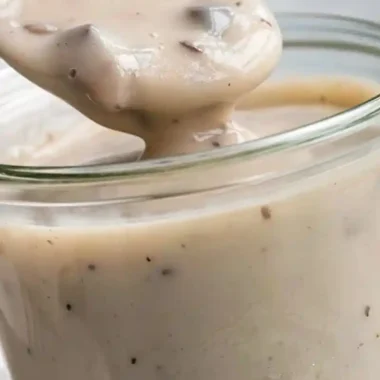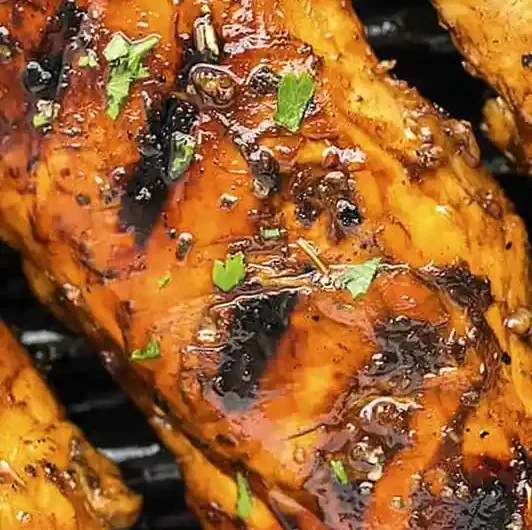
This honey balsamic chicken provides a rich, tangy flavor profile using a quick and efficient marinade. It is a versatile main course that can be prepared via grilling, pan-searing, or air frying to suit your available equipment.
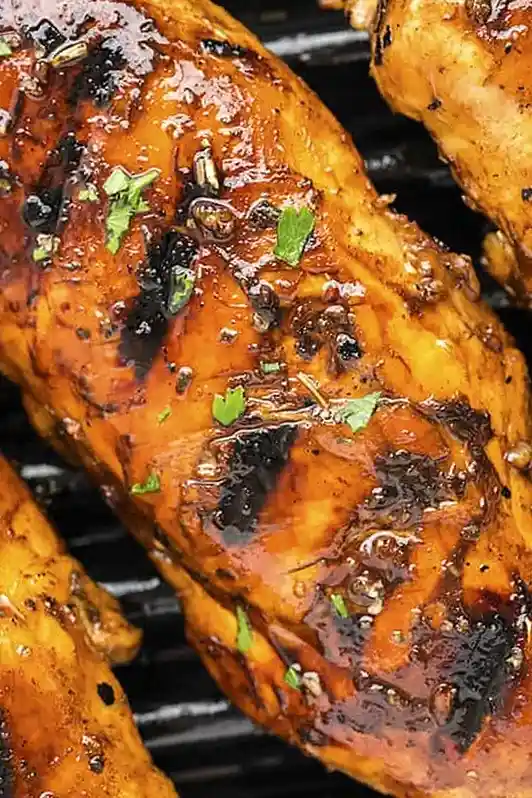
List of ingredients
- 1/3 cup balsamic vinegar – provides the primary acidic base and tang.
- 1/4 cup chicken broth – adds depth and helps thin the marinade for better penetration.
- 2 tablespoons honey – adds sweetness and aids in caramelization during cooking.
- 1 tablespoon olive oil – helps emulsify the marinade and prevents sticking.
- 2 cloves garlic, minced – adds a pungent, savory aromatic layer.
- 1/2 teaspoon Italian seasoning – a blend of dried herbs for a Mediterranean flavor.
- 1/2 teaspoon salt – enhances all other flavors in the dish.
- 4 chicken breasts, about 5 ounces each – the primary protein source.
step-by-step instructions
- Prepare the marinade: In a small mixing bowl, whisk together the balsamic vinegar, chicken broth, honey, olive oil, minced garlic, Italian seasoning, and salt until the honey is fully dissolved.
- Marinate the chicken: Place the chicken breasts in a shallow dish or container. Pour 3/4 of the prepared marinade over the chicken, ensuring all sides are coated, and reserve the remaining 1/4 for basting or glazing.
- Wait time: Allow the chicken to marinate in the refrigerator for 20 to 30 minutes to allow the flavors to penetrate the meat.
- Stove-top method: Heat a heavy-bottomed skillet over medium heat and drizzle with olive oil. Cook the chicken for approximately 6 minutes per side until the internal temperature reaches 165 degrees Fahrenheit. Pour the reserved marinade into the pan, let it boil and thicken, then spoon the glaze over the chicken before serving.
- Grill method: Preheat the grill to 350 degrees Fahrenheit. Place the chicken on the grates and cook for 6 minutes per side. Baste the meat with the reserved marinade during the process until the chicken is cooked through.
- Air fryer method: Preheat the air fryer to 380 degrees Fahrenheit and spray the basket with non-stick spray. Arrange the chicken in a single layer with space for airflow. Cook for 10 to 12 minutes, flipping halfway through, until the internal temperature is 165 degrees Fahrenheit.
Optimal Chicken Preparation Techniques
Pound Chicken for Even Cooking
Use a meat mallet or a heavy skillet to flatten the thickest part of the chicken breast. This ensures that the thinner edges do not overcook while the center reaches the safe internal temperature of 165 degrees Fahrenheit. Even thickness allows for a consistent sear across the entire surface of the meat.
Selecting the Correct Breast Size
Choose chicken breasts that are approximately 5 ounces each for the best timing results. If you use significantly larger breasts, you will need to increase the cooking time per side. Smaller, uniform pieces ensure that the marinade penetrates evenly and the meat remains juicy.
The Importance of Room Temperature Meat
Remove the marinated chicken from the refrigerator about 15 minutes before cooking. Bringing the meat closer to room temperature prevents the exterior from searing too quickly while the inside remains raw. This results in a more uniform cook and a better internal texture.
Understanding the Marinade Components
The Role of Balsamic Vinegar
The acetic acid in balsamic vinegar acts as a chemical tenderizer by breaking down the tight protein fibers in the chicken breast. This process allows the meat to retain more moisture during the high-heat cooking process. Using a high-quality balsamic ensures a deeper color and a more complex sweetness.
How Honey Affects Caramelization
Honey contains natural sugars that undergo the Maillard reaction and caramelization when exposed to heat. This creates the characteristic sticky glaze and charred exterior. Be mindful of the heat level, as sugars can burn quickly if the pan is too hot.
Using Chicken Broth for Flavor Balance
The addition of chicken broth dilutes the intensity of the vinegar, preventing the acid from “cooking” the meat too much during the marinating phase. It adds a savory, salty element that balances the sweetness of the honey. It also increases the volume of the marinade to ensure full coverage of the chicken.
Alternative Ingredient Substitutions
Maple Syrup as a Honey Replacement
If honey is unavailable, pure maple syrup serves as an excellent substitute. It provides a similar sugar content for caramelization but introduces a slightly woody, autumnal flavor profile. The measurement ratio remains 1:1 with the original honey requirement.
Apple Cider Vinegar for Different Acidity
Apple cider vinegar can be used if you prefer a fruitier, sharper tang over the richness of balsamic. However, since apple cider vinegar lacks the natural thickness of balsamic, you may want to add an extra teaspoon of honey. This maintains the viscosity of the glaze.
Dried Herb Alternatives for Italian Seasoning
If you do not have a pre-mixed Italian seasoning, combine equal parts dried oregano, basil, and thyme. This creates a similar aromatic base. For a more earthy flavor, you can add a pinch of dried rosemary to the mix.
Broth Substitutes for the Liquid Base
Vegetable broth is a suitable alternative to chicken broth if you prefer a lighter taste. In a pinch, water can be used, though you will lose some of the savory depth. Avoid using heavy creams or milk, as they will curdle when mixed with the balsamic vinegar.
Detailed Serving and Pairing Ideas
Pairing with Grains and Starches
Serve this chicken over a bed of quinoa or brown rice to absorb the extra balsamic glaze. Mashed potatoes or a wild rice pilaf also complement the acidity of the dish. The starch provides a neutral base that balances the bold flavors of the honey and garlic.
Incorporating Fresh Green Vegetables
Steam some broccoli or sauté asparagus in olive oil and garlic to serve alongside the chicken. The brightness of the greens cuts through the sweetness of the balsamic glaze. Roasted Brussels sprouts are another excellent pairing due to their natural bitterness.
Creating a Balsamic Chicken Salad
Slice the cooked chicken breasts into strips and place them over a bed of mixed spring greens. Add cherry tomatoes, cucumber slices, and crumbled feta cheese. Drizzle the remaining pan sauce over the salad for an integrated flavor experience.
Storage and Food Safety Guidelines
Refrigeration and Shelf Life
Store leftover cooked chicken in an airtight glass or plastic container in the refrigerator. It will remain safe and flavorful for 3 to 4 days. Ensure the chicken is cooled slightly before sealing the container to prevent excess moisture buildup.
Freezing Cooked Chicken
Cooked balsamic chicken can be frozen for up to three months. Wrap the chicken tightly in foil or use a vacuum-sealed bag to prevent freezer burn. Label the package with the date of preparation for better inventory management.
Safe Thawing Procedures
Thaw frozen chicken slowly in the refrigerator overnight rather than on the counter. This prevents the meat from entering the danger zone where bacteria grow rapidly. If you are in a rush, use the defrost setting on a microwave, though this may slightly alter the texture.
Professional Reheating Methods
Stove Top Reheating for Texture
Place the chicken in a skillet over medium-low heat with a splash of chicken broth or water. Cover the pan with a lid to create a steam environment, which prevents the meat from drying out. Heat until the internal temperature reaches 165 degrees Fahrenheit.
Microwave Reheating Precautions
Use a microwave-safe dish and cover the chicken with a damp paper towel. Heat in short 30-second intervals, flipping the meat between each session. This prevents the edges from becoming rubbery or tough.
Oven Warming Technique
Preheat the oven to 300 degrees Fahrenheit and place the chicken in a baking dish. Add a tablespoon of water or broth to the bottom of the dish and cover it tightly with foil. Warm for 10 to 15 minutes until heated through.
Cooking Troubleshooting and FAQs
Preventing the Sauce from Burning
If the glaze in the pan is thickening too quickly or turning dark brown, add a tablespoon of water or chicken broth immediately. Lower the heat to a simmer. This stabilizes the sugars in the honey and prevents a bitter, burnt taste.
How to Fix Dry Chicken Breasts
If the chicken comes out dry, it is likely due to overcooking. To salvage the dish, slice the meat thinly and toss it in a generous amount of the reserved balsamic glaze. The extra moisture from the sauce helps mask the dryness of the protein.
Adjusting the Glaze Consistency
For a thicker, syrup-like glaze, let the reserved marinade simmer in the pan for an extra 2 to 3 minutes after the chicken is done. For a thinner sauce, whisk in a teaspoon of cold butter or additional chicken broth right before serving.
Can I marinate chicken for longer than 30 minutes?
Yes, you can marinate the chicken for up to 8 hours in the refrigerator. However, avoid marinating for longer than 24 hours, as the acid in the balsamic vinegar can eventually break down the meat too much, resulting in a mushy texture.
Can I use chicken thighs instead of breasts?
Yes, boneless skinless chicken thighs work very well with this recipe. Thighs are more forgiving and remain juicy longer. Increase the cooking time by 2 to 4 minutes per side to ensure they are fully cooked.
Is the reserved marinade safe to use as a sauce?
The reserved marinade is safe as long as it never touched the raw meat. If you accidentally used the reserved portion to coat the raw chicken, you must boil it vigorously for several minutes to kill any bacteria before using it as a sauce.
Print
Honey Balsamic Glazed Chicken
- Total Time: 40 minutes
- Yield: 4 servings 1x
- Diet: General
Description
This honey balsamic chicken marinade is quick to toss together and makes the juiciest, most flavorful chicken!
Ingredients
- 1/3 cup balsamic vinegar
- 1/4 cup chicken broth
- 2 tablespoons honey
- 1 tablespoon olive oil
- 2 cloves garlic, minced
- 1/2 teaspoon Italian seasoning
- 1/2 teaspoon salt
- 4 chicken breasts, about 5 ounces each
Instructions
- Marinade: Add the balsamic vinegar, chicken broth, honey, olive oil, garlic, Italian seasoning, and salt to a small bowl and whisk well to combine.
- Marinating: Place the chicken in a shallow container and drizzle 3/4 of the marinade over the chicken, reserving the remaining marinade for cooking. Marinate chicken for 20-30 minutes.
- Stove Method: Heat a large heavy bottomed skillet over medium heat. Drizzle with olive oil. Add chicken breasts and cook for 6 minutes per side. Pour in reserved marinade, let it boil, and spoon the sauce over the chicken.
- Grill Method: Heat grill to 350 degrees. Place chicken on grill and cook for 6 minutes per side, basting with the reserved marinade.
- Air Fryer Method: Spritz basket with non-stick spray. Arrange chicken in an even layer. Air fry at 380 degrees for 10-12 minutes, flipping halfway through.
Notes
Discard any marinade that came into contact with the raw chicken.
- Prep Time: 5 minutes
- Cook Time: 15 minutes
- Category: Main Course
- Method: Grilling, Searing, Air Frying
- Cuisine: American
Nutrition
- Serving Size: 1 chicken breast
- Calories: 342 kcal
- Sugar: 11 g
- Sodium: 612 mg
- Fat: 9 g
- Saturated Fat: 1 g
- Unsaturated Fat: 8 g
- Trans Fat: 0 g
- Carbohydrates: 13 g
- Fiber: 0 g
- Protein: 48 g
- Cholesterol: 144 mg
Keywords: balsamic chicken, honey balsamic marinade, grilled chicken, air fryer chicken, easy chicken dinner