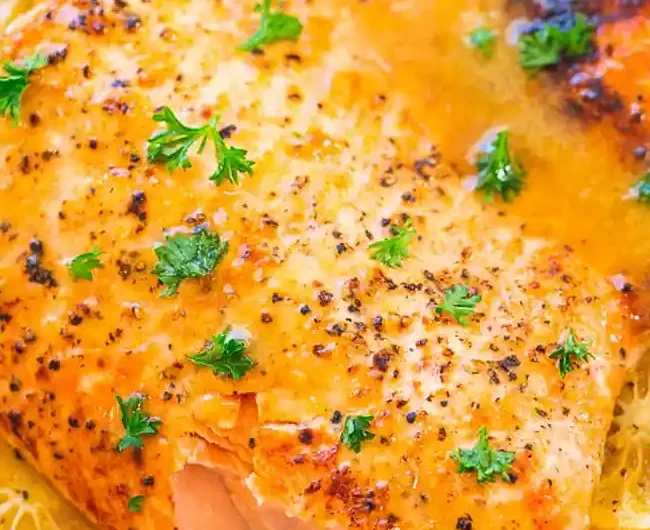
This honey dijon salmon is a fast and reliable dinner that delivers a balance of sweet and tangy flavors. It is prepared in a foil packet to ensure the fish stays moist and tender throughout the cooking process.
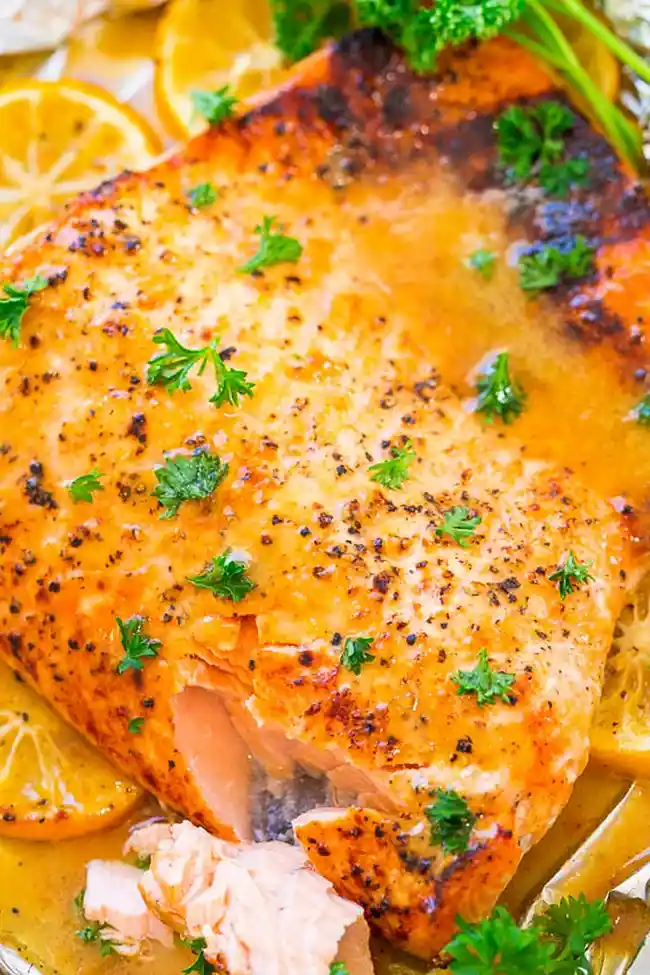
List of ingredients
- 1.25 pounds skin-on salmon fillet – use a center-cut piece for even cooking.
- 1 large lemon – sliced into thin rounds for bedding and flavor.
- 1/2 cup unsalted butter – melted to create the base of the sauce.
- 4 tablespoons honey – provides sweetness and aids in caramelization.
- 3 tablespoons Dijon mustard – adds a sharp, tangy contrast.
- 2 tablespoons lemon juice – provides acidity to brighten the fish.
- 1 teaspoon kosher salt – or adjust to your personal preference.
- 1/2 teaspoon freshly ground black pepper – or adjust to your personal preference.
- 1 tablespoon finely chopped fresh parsley – optional for a fresh garnish.
step-by-step instructions
- Prepare Oven and Pan: Preheat your oven to 375F. Line a baking sheet completely with a piece of aluminum foil.
- Position Salmon: Place the salmon on the foil with the skin-side down and the longer side of the fillet parallel to the longer side of the pan. Raise the edges of the foil about 2 inches to create a basin that will contain the sauce.
- Add Lemon Bedding: Nestle the lemon slices underneath the salmon fillet, spacing them evenly to prevent the fish from sticking and to infuse flavor.
- Melt Butter: Using a microwave-safe glass bowl or measuring cup, heat the butter on high power for approximately 1 minute until fully melted.
- Create Glaze: Stir the honey, Dijon mustard, and lemon juice into the melted butter. Pour two-thirds of this mixture over the salmon and set the remaining third aside.
- Season: Sprinkle the salt and black pepper evenly over the top of the fillet according to your taste.
- Seal and Marinate: Seal the foil packet tightly. You may need a second piece of foil on top to create an air-tight seal. If time permits, let the salmon marinate for 10 to 15 minutes to enhance the flavor.
- Bake: Place the packet in the oven and bake for approximately 15 minutes.
- Open Packet: Remove the salmon from the oven and open the top of the foil packet. Keep the side edges raised to ensure the butter sauce remains contained.
- Set Broiler: Switch your oven setting to high broil.
- Apply Final Glaze: Spoon the reserved butter mixture over the salmon if the surface appears dry. Be careful not to add too much if the packet is already full of juices to avoid leaking.
- Broil: Broil for 5 to 10 minutes until the top is golden brown. Monitor the fish closely as broilers vary in intensity and the honey can burn quickly.
- Finish: Garnish with chopped fresh parsley and serve immediately.
Professional Cooking Tips
Selecting the Best Cut of Salmon
Choose a center-cut fillet for the most consistent thickness. This ensures that the edges do not overcook before the center reaches the proper internal temperature. Skin-on fillets are preferred as the skin acts as a barrier that protects the flesh from direct heat.
Creating an Effective Foil Seal
A tight seal is essential for the steaming process during the initial bake. Use heavy-duty aluminum foil to prevent tearing and ensure the edges are crimped firmly. This traps the moisture and aromatics inside the packet, keeping the fish juicy.
Monitoring Internal Temperature
Use an instant-read meat thermometer to check for doneness. Salmon is typically cooked to an internal temperature of 145F, but many prefer it at 135F for a more tender, medium-rare texture. Pull the fish from the oven slightly before it reaches your target temperature as carryover cooking will continue.
Managing the Broiling Process
The broiler provides direct, intense heat that can quickly char the sugars in the honey. Keep the oven door cracked if your model allows it, or stand by the oven to watch the color change. Stop the process as soon as the top reaches a deep golden brown.
Ingredient Substitutions
Alternative Sweeteners for Honey
If honey is unavailable, maple syrup is an excellent substitute that offers a similar viscosity and sweetness. Brown rice syrup or agave nectar can also work, though they may slightly alter the flavor profile. Keep the quantity the same to maintain the sauce balance.
Substituting Dijon Mustard
Whole grain mustard can be used for a more rustic texture and a slightly milder heat. Yellow mustard is an option but lacks the depth of flavor found in Dijon. If you prefer no mustard, a mixture of mayonnaise and a pinch of turmeric can provide a creamy alternative.
Dairy-Free Butter Options
Replace unsalted butter with a plant-based butter alternative or melted coconut oil. Ensure the substitute is unsalted to maintain control over the seasoning. Vegan butter blends often mimic the flavor of dairy butter closely enough for this recipe.
Using Different Citrus Fruits
Lime juice and lime slices can replace lemon for a more tropical flavor profile. Orange juice also pairs well with honey and salmon, providing a sweeter citrus note. Adjust the amount of salt if using a sweeter citrus fruit.
Flavor Variations
Adding Savory Garlic Notes
Incorporate one teaspoon of garlic powder or two cloves of minced fresh garlic into the melted butter mixture. Garlic complements both the honey and the mustard, adding a pungent depth to the glaze. This is particularly effective when using the marination step.
Increasing the Heat Level
For a spicy kick, add a pinch of cayenne pepper or a teaspoon of sriracha to the sauce. The heat cuts through the richness of the butter and the sweetness of the honey. Adjust the amount based on your tolerance for spice.
Integrating Dried Herbs
Dried dill or thyme can be stirred into the glaze for an earthy aroma. These herbs pair naturally with seafood and lemon. Add them before baking so the flavors can infuse into the fish during the steaming phase.
Using Maple and Soy Blend
Replace the honey with maple syrup and add a teaspoon of soy sauce to the mixture. This creates a savory-sweet glaze reminiscent of teriyaki. Ensure you reduce the added kosher salt to account for the sodium in the soy sauce.
Serving Suggestions
Pairing with Green Vegetables
Steamed asparagus or sautéed spinach provides a fresh contrast to the rich butter sauce. Roast the vegetables on the same tray if there is room, or steam them separately. The bitterness of the greens balances the sweetness of the honey glaze.
Grain-Based Accompaniments
Serve the salmon over a bed of wild rice, quinoa, or jasmine rice. These grains absorb the extra butter sauce from the foil packet, ensuring none of the flavor is wasted. Adding a squeeze of fresh lemon to the rice enhances the overall dish.
Fresh Salad Pairings
A crisp Caesar salad or a mixed green salad with a light vinaigrette works well. Avoid heavy cream-based dressings that might compete with the richness of the salmon sauce. Use a lemon-based dressing to echo the flavors in the fish.
Root Vegetable Sides
Roasted carrots or mashed potatoes are hearty options that complement the salmon. Garlic mashed potatoes provide a creamy base that pairs well with the tangy Dijon glaze. Ensure the vegetables are seasoned simply with salt and pepper.
Storage and Reheating
Refrigeration Guidelines
Store leftover salmon in an airtight glass container in the refrigerator. It will remain fresh and safe to eat for up to three days. Keep the remaining sauce in the container to prevent the fish from drying out during storage.
Gentle Reheating Methods
To reheat, place the salmon in an oven at 275F for about 10 to 15 minutes. Avoid using a microwave on high power, as this can make the salmon rubbery and dry. Warming it slowly in the oven preserves the texture.
Freezing Considerations
While cooked salmon can be frozen, the texture may change slightly upon thawing. Wrap the fillet tightly in foil and then place it in a freezer-safe bag. Thaw slowly in the refrigerator overnight before reheating.
Identifying Freshness
Freshly cooked salmon should have a mild, clean scent. If the leftovers develop a strong, fishy odor or a slimy texture, they should be discarded. Always ensure the salmon was cooled quickly before being placed in the fridge.
Troubleshooting Common Issues
Managing Excess Sauce
If the foil packet contains too much liquid, avoid adding the reserved butter mixture during the broiling stage. Too much sauce can cause the packet to leak onto the baking sheet, creating smoke. Use the extra sauce as a dipping sauce or drizzle it over the fish after it is plated.
Preventing Salmon from Sticking
If the salmon sticks to the foil, ensure you are using a high-quality non-stick foil or lightly grease the foil with oil before adding the lemon slices. The lemon slices act as a natural barrier, so make sure the fish is resting entirely on them.
Fixing a Burnt Glaze
If the honey glaze burns during broiling, gently scrape off the charred bits with a knife. To prevent this in the future, move the oven rack to a lower position or reduce the broiling time. Ensure the honey is well-emulsified with the butter to slow the burning process.
Dealing with Uneven Cooking
If the thin end of the fillet is overcooked while the center is raw, consider cutting the fillet into individual portions of equal thickness. This allows for more precise control over the cooking time. Ensure each portion is centered in its own foil packet.
Frequently Asked Questions
Can I use frozen salmon for this recipe?
Yes, but you must thaw the salmon completely in the refrigerator before cooking. Cooking salmon from frozen in a foil packet will result in uneven cooking and excess water, which will dilute the honey dijon sauce.
How do I know when the salmon is perfectly cooked?
The salmon is done when the flesh flakes easily with a fork and the center is opaque. For precision, use a meat thermometer to check that the internal temperature has reached 135F to 145F.
Can this recipe be adapted for an air fryer?
You can use an air fryer, but you cannot use a sealed foil packet. Place the salmon on a piece of foil or parchment paper, apply the glaze, and cook at 380F for about 8 to 12 minutes depending on thickness.
Do I have to keep the skin on the salmon?
You can remove the skin, but keeping it on helps the fish retain moisture and prevents it from sticking to the foil. If you prefer no skin, simply remove it after the cooking process is complete.
Print
Honey Dijon Baked Salmon
- Total Time: 30 minutes
- Yield: 3 servings 1x
- Diet: General
Description
This honey dijon salmon is EASY, ready in 20 minutes, juicy, tender, and so FLAVORFUL from the honey, mustard, and lemon juice!!
Ingredients
- 1.25 pounds skin-on salmon fillet
- 1 large lemon, sliced into thin rounds
- 1/2 cup unsalted butter, melted
- 4 tablespoons honey
- 3 tablespoons Dijon mustard
- 2 tablespoons lemon juice
- 1 teaspoon kosher salt
- 1/2 teaspoon freshly ground black pepper
- 1 tablespoon finely chopped fresh parsley (optional)
Instructions
- Preheat: Preheat oven to 375F and place a piece of foil on the baking sheet to cover it completely.
- Position: Place salmon on the foil with the skin-side down. Raise the edges of the foil up about 2 inches to contain the buttery mixture.
- Layer: Nestle lemon slices underneath the salmon, spaced evenly around the fillet.
- Melt: Heat butter in a microwave-safe glass measuring cup or bowl on high power for about 1 minute.
- Combine: Stir in the honey, Dijon, and lemon juice. Pour about two-thirds of the mixture over the salmon and reserve the remainder.
- Season: Evenly season with salt and pepper, to taste.
- Seal: Seal the foil packet air-tight. If possible, marinate for 10 to 15 minutes.
- Bake: Bake for about 15 minutes.
- Expose: Remove salmon from the oven and open the foil packet to expose the salmon while keeping the edges raised. Set oven to Hi broil.
- Glaze: Spoon the reserved buttery mixture over the salmon.
- Broil: Broil for about 5 to 10 minutes, or until golden as desired.
- Finish: Optionally garnish with parsley and serve immediately.
Notes
Salmon is best warm and fresh but will keep airtight in the fridge for up to 3 days.
- Prep Time: 5 minutes
- Cook Time: 25 minutes
- Category: Seafood
- Method: Baking
- Cuisine: American
Nutrition
- Serving Size: 1 serving
- Calories: 767 kcal
- Sugar: 24 g
- Sodium: 1234 mg
- Fat: 55 g
- Saturated Fat: 24 g
- Unsaturated Fat: 27 g
- Trans Fat: 0 g
- Carbohydrates: 28 g
- Fiber: 2 g
- Protein: 43 g
- Cholesterol: 200 mg
Keywords: honey dijon salmon, baked salmon, honey mustard glaze, seafood dinner