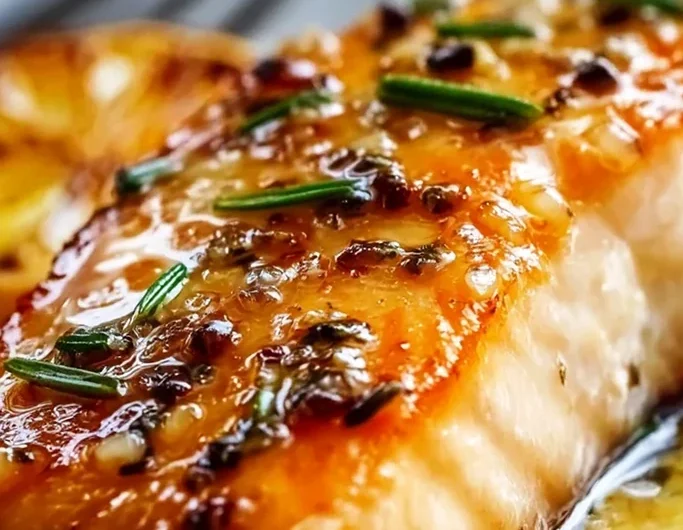
Preparing a sophisticated, restaurant-style meal at home does not require hours of complex labor or exotic techniques. This honey garlic butter baked salmon provides a perfect balance of sweet and savory notes, yielding fish that is exceptionally tender and flaky. With a rich, caramelized glaze and minimal cleanup, it serves as an ideal solution for busy weeknights when quality nutrition is the primary goal.
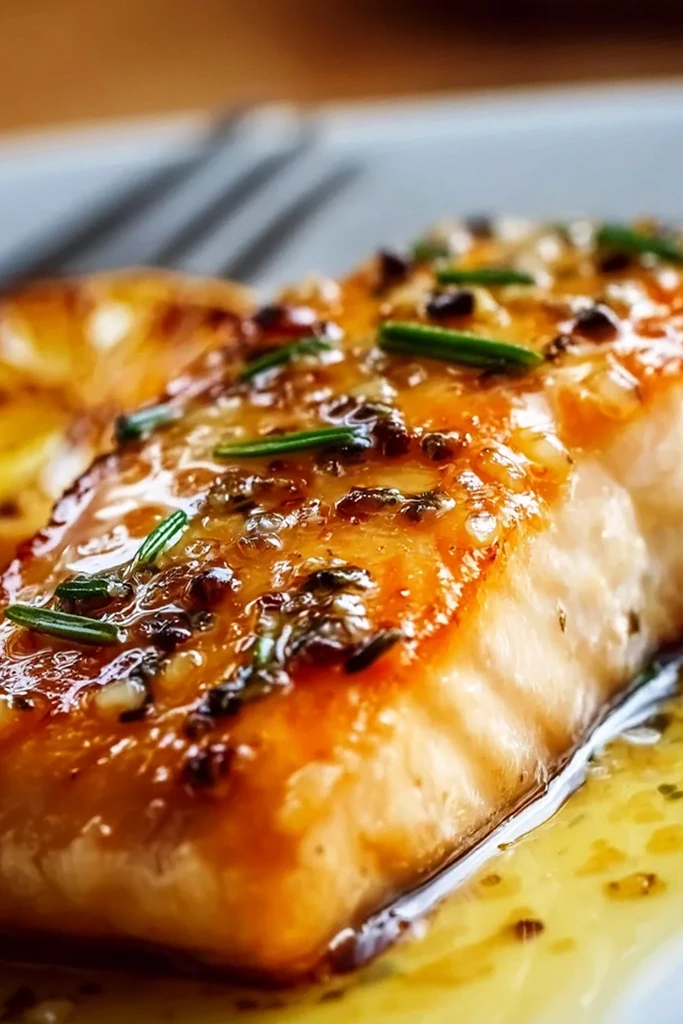
List of ingredients
- 4 salmon fillets (about 6 oz each)
- 3 tbsp butter, melted
- 3 tbsp honey
- 3 cloves garlic, minced
- 1 tbsp soy sauce
- 1 tbsp lemon juice (plus extra for serving)
- salt and black pepper (to taste)
- lemon slices (for garnish)
- fresh parsley (optional, for garnish)
step-by-step instructions
- Step: Preheat oven to 400°F (200°C) and line a baking dish with foil.
- Step: Whisk together melted butter, honey, garlic, soy sauce, and lemon juice in a small bowl.
- Step: Place salmon fillets in the prepared dish, season with salt and pepper, and pour the glaze evenly over the fillets.
- Step: Bake for 12–15 minutes until the salmon flakes easily with a fork.
- Step: Broil for 2 minutes for caramelization if desired.
- Step: Garnish with fresh parsley and lemon slices before serving.
Refining Your Baking Technique
Ensuring Even Cooking With Uniform Fillets
When selecting salmon at the market, look for fillets that are similar in thickness across the entire length of the fish. If your fillets vary significantly in size, tuck the thinner tail ends underneath the thicker parts to create a consistent surface area. This simple adjustment prevents the thinner portions from overcooking and becoming dry while the thicker portions finish roasting.
The Role of Paper Towels in Browning
Always pat your salmon fillets dry with paper towels before seasoning them. Moisture on the surface of the fish acts as a barrier that can cause the salmon to steam rather than sear or glaze effectively. Removing surface moisture ensures that the honey-based glaze adheres properly to the fish rather than sliding off into the pan.
Managing the Broiler for Perfect Caramelization
The broiler is a powerful tool, but it operates with intense, concentrated heat. When caramelizing the honey glaze, stay near the oven and keep the door slightly ajar to monitor progress. A high-sugar glaze can transition from perfectly caramelized to burnt in less than sixty seconds, so visual inspection is essential during these final moments.
Customizing Your Flavor Profile
Swapping Honey for Different Natural Sweeteners
If you prefer a deeper, more earthy profile, you can replace the honey with pure maple syrup or even a modest amount of brown sugar. Maple syrup pairs exceptionally well with the soy sauce and lemon, offering a slightly different woodsy sweetness. Keep in mind that maple syrup may result in a thinner glaze, so monitor the reduction during the baking time.
Adding Aromatic Heat
For those who enjoy a hint of spice, add a teaspoon of chili paste or a pinch of crushed red pepper flakes to the glaze mixture. The combination of heat and sweetness creates a complex flavor profile that elevates the natural richness of the fish. This addition works particularly well if you are serving the salmon with plain white rice or steamed vegetables.
Efficient Serving Strategies
Pairing With Starchy Bases
The generous amount of sauce produced by this recipe is designed to be spooned over your side dishes. Serve the fillets over a bed of fluffy jasmine rice, quinoa, or roasted fingerling potatoes. The starch will soak up the excess honey garlic butter, ensuring that none of the flavorful glaze goes to waste.
Integrating Fresh Crunchy Elements
Since the salmon is tender and buttery, it benefits from being paired with crunchy or crisp accompaniments. Steamed asparagus, blanched green beans, or a crisp cucumber and radish salad provide a necessary texture contrast. The brightness of these vegetables helps balance the intense, savory profile of the honey garlic coating.
Proper Storage and Revival
Extending the Life of Your Leftovers
If you have extra salmon, store it in an airtight container in the refrigerator within two hours of cooking. Properly stored, the fish remains safe and flavorful for up to three days. Keep the remaining pan juices in the container with the salmon to prevent it from drying out while in storage.
Gently Reheating Without Drying
Avoid the microwave if possible, as high power can cause the salmon to become rubbery and tough. Instead, place the fillets in an oven-safe dish with a tablespoon of water or broth, cover tightly with foil, and warm at 300°F (150°C) until just heated through. This gentle approach preserves the moisture and keeps the texture of the fish delicate.
Frequently Asked Questions
Why does my salmon look white on the surface?
That white substance is albumin, which is a protein that coagulates and pushes to the surface during the cooking process. While it is perfectly safe to eat, you can minimize its appearance by cooking the fish at a slightly lower temperature or by ensuring the salmon is at room temperature before it hits the oven.
Can this recipe be prepared in advance?
You can prepare the sauce up to 24 hours in advance and keep it in the refrigerator. However, it is best to season and glaze the salmon just before placing it into the oven. Applying salt too early can draw out moisture, which may alter the final texture of the fish.
What is the internal temperature for perfectly cooked fish?
According to safety standards, fish should reach an internal temperature of 145°F (63°C) at the thickest part. If you do not have a thermometer, simply press the center of the fillet with a fork; if the layers separate easily along their natural lines, the salmon is finished and ready to serve.
Can I replace the soy sauce for dietary reasons?
If you need an alternative to soy sauce, liquid aminos or a light coconut aminos are excellent substitutes. They provide the same savory, umami flavor profile without the gluten or common allergens found in standard soy sauce. These alternatives often have a slightly sweeter finish, so you may want to reduce the honey amount by half a teaspoon.
Why is my glaze not thickening?
The glaze thickens as the water content from the lemon juice and butter evaporates in the heat of the oven. If your glaze seems too thin, ensure that you are not overcrowding the pan, as too much moisture buildup can prevent the sauce from reducing properly. Providing enough space between the fillets allows for better airflow and faster glaze reduction.
Print
Honey Garlic Butter Baked Salmon
- Total Time: PT25M
- Yield: 4 fillets 1x
- Diet: Pescatarian
Description
Tender, flaky salmon baked in a luscious honey garlic butter glaze — sweet, savory, and ready in under 25 minutes.
Ingredients
- 4 salmon fillets (about 6 oz each)
- 3 tbsp butter, melted
- 3 tbsp honey
- 3 cloves garlic, minced
- 1 tbsp soy sauce
- 1 tbsp lemon juice (plus extra for serving)
- salt and black pepper (to taste)
- lemon slices (for garnish)
- fresh parsley (optional, for garnish)
Instructions
- Step: Preheat oven to 400°F (200°C) and line a baking dish with foil.
- Step: Whisk together melted butter, honey, garlic, soy sauce, and lemon juice in a small bowl.
- Step: Place salmon fillets in the prepared dish, season with salt and pepper, and pour the glaze evenly over the fillets.
- Step: Bake for 12–15 minutes until the salmon flakes easily with a fork.
- Step: Broil for 2 minutes for caramelization if desired.
- Step: Garnish with fresh parsley and lemon slices before serving.
Notes
A simple yet elegant salmon dish with a sweet, buttery glaze that caramelizes beautifully. For extra caramelization, broil on high for 1–2 minutes at the end. Leftovers can be stored in an airtight container for up to 3 days.
- Prep Time: PT10M
- Cook Time: PT15M
- Category: Dinner
- Method: Baking
- Cuisine: American
Nutrition
- Serving Size: 1 fillet
- Calories: 390 kcal
- Sugar: 12 g
- Sodium: 450 mg
- Fat: 22 g
- Saturated Fat: 9 g
- Unsaturated Fat: 11 g
- Trans Fat: 0 g
- Carbohydrates: 15 g
- Fiber: 0 g
- Protein: 34 g
- Cholesterol: 110 mg
Keywords: salmon, honey garlic, baked salmon, healthy dinner, easy recipe, seafood