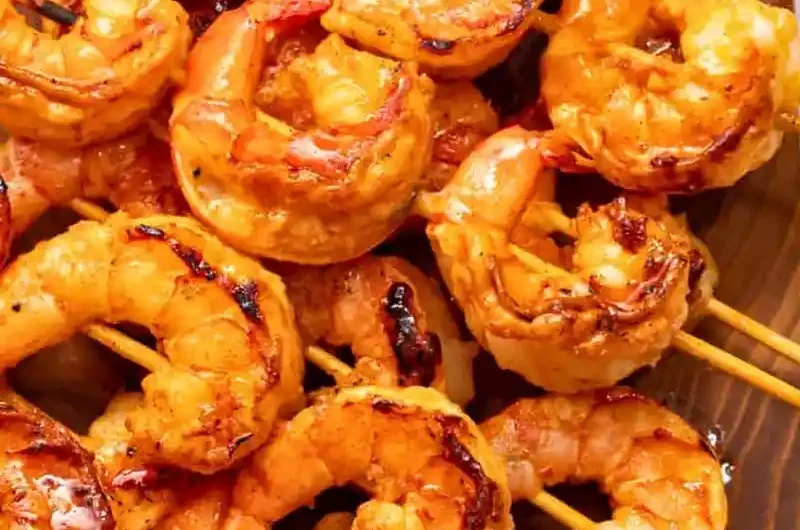
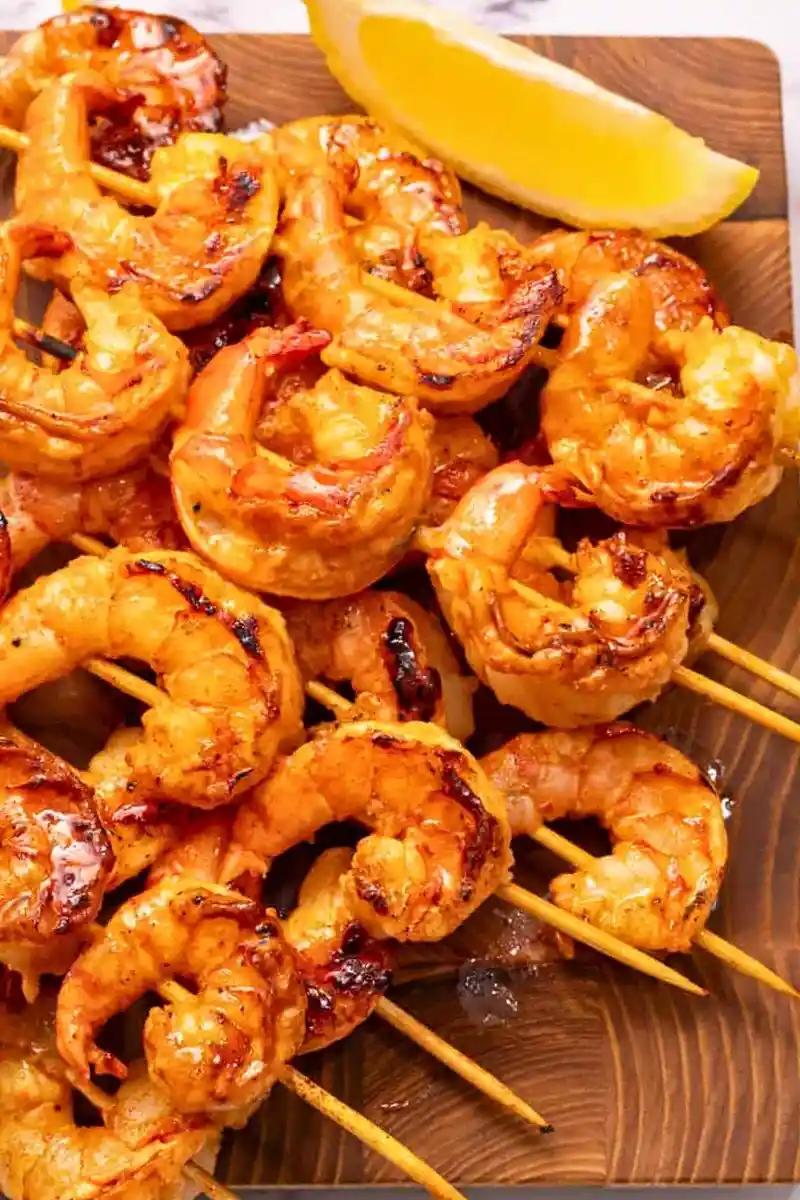
Enjoy a fast and flavorful dinner with these caramelized shrimp skewers. They are perfect for summer cookouts or a quick weeknight meal that feels gourmet.
List of ingredients
- 1/4 cup extra-virgin olive oil – provides a rich base for the marinade.
- 1/4 cup fresh lemon juice (about 2 large lemons) – adds acidity and brightness.
- 4 cloves garlic, minced – contributes savory depth.
- 3 tablespoons honey – creates a sweet glaze and helps with caramelization.
- 1 teaspoon kosher salt – enhances all other flavors.
- 1/2 teaspoon cayenne pepper – adds a mild kick (adjust to your spice preference).
- 1 teaspoon paprika – provides color and a subtle earthiness.
- 2 pounds jumbo shrimp, peeled and deveined – the primary protein.
- Lemon wedges – used for fresh garnish and extra acidity when serving.
step-by-step instructions
- Prepare Skewers: If using wooden skewers, soak them in water for at least 30 minutes before use to prevent them from burning on the grill.
- Mix Marinade: In a large bowl, whisk together the olive oil, fresh lemon juice, minced garlic, honey, salt, cayenne pepper, and paprika. Remove and set aside 1/4 cup of this mixture to use as a glaze later.
- Marinate the Shrimp: Pat the peeled and deveined shrimp dry with a paper towel to ensure the marinade adheres well. Toss the shrimp in the marinade, cover with plastic wrap, and refrigerate for 15 to 60 minutes; avoid exceeding one hour to prevent the acid from over-cooking the meat.
- Heat the Grill: Lightly grease a grill pan or grill grates with oil. Preheat the equipment to medium-high heat, aiming for approximately 400 degrees Fahrenheit.
- Assemble Skewers: Remove shrimp from the refrigerator and thread them onto the skewers. Push the skewer through both the tail and the thicker part of the shrimp to keep them secure.
- Initial Grilling: Place the skewers on the preheated grill and cook for 2 minutes. Flip them over and grill for another 2 minutes.
- Glaze and Finish: Flip the skewers again and brush the tops with half of the reserved marinade. Cook for 1 minute, flip again, brush the other side with the remaining marinade, and cook for 1 final minute. The shrimp are done when they are pink, opaque, and lightly charred.
- Serve: Remove the shrimp from the grill immediately to stop the cooking process and serve with fresh lemon wedges.
Professional Grilling Tips for Shrimp
Selecting Jumbo Shrimp for Better Texture
Using jumbo shrimp is highly recommended because they have more mass than smaller varieties. This allows the exterior to caramelize and char beautifully before the interior becomes overcooked. Smaller shrimp cook too quickly, often becoming rubbery before the honey glaze can set.
Controlling Marination Time to Avoid Mushy Shrimp
The lemon juice in the marinade contains citric acid, which begins to break down the proteins in the shrimp. If left for more than 60 minutes, the shrimp can lose their firm texture and become mushy. A window of 15 to 30 minutes is typically ideal for maximum flavor without compromising the structure.
Preventing Wooden Skewers from Burning
Wooden skewers are porous and can ignite quickly when exposed to high heat and oil. Soaking them for 30 minutes allows the wood to absorb water, which slows down the combustion process. If you prefer not to soak, stainless steel or bamboo skewers are durable alternatives.
Identifying the Perfect Doneness
Shrimp are cooked when they turn a vibrant pink and become opaque throughout. They typically curl into a loose ‘C’ shape when perfectly done. If they curl tightly into an ‘O’ shape, they are likely overcooked and may be tough.
Ingredient Substitutions and Flavor Tweaks
Using Lime Juice instead of Lemon
If fresh lemons are unavailable, fresh lime juice serves as an excellent substitute. Lime provides a slightly zestier, more tropical flavor profile that pairs well with honey and garlic. Use the same 1/4 cup measurement for a consistent balance of acidity.
Adding Depth with Smoked Paprika
While standard paprika adds a mild sweetness and red color, smoked paprika introduces a woody, campfire aroma. This is a great way to add a deeper ‘grilled’ taste even if you are using an indoor grill pan. Start with the same measurement and adjust based on your taste.
Adjusting the Heat Level with Cayenne
The 1/2 teaspoon of cayenne provides a mild heat that most people enjoy. For those who prefer a spicier dish, you can increase this to a full teaspoon or add a pinch of red pepper flakes. For children or those sensitive to heat, you can omit the cayenne entirely without ruining the recipe.
Honey Alternatives for Sweetness
If you do not have honey, maple syrup or agave nectar can be used as replacements. Maple syrup adds a slightly more distinct, autumnal sweetness, while agave is more neutral. These alternatives still provide the sugars necessary for the glaze to caramelize on the grill.
Optimal Pairing and Serving Suggestions
Complementary Grain Sides
These shrimp skewers pair exceptionally well with fluffy white basmati rice or quinoa. The grains absorb the extra honey garlic juices from the shrimp, making the meal more filling. For a Southern twist, serve the skewers over creamy, buttery grits.
Fresh Salad Combinations
To balance the sweetness of the honey glaze, serve the shrimp with a crisp Caesar salad or a quinoa spinach salad. The bitterness of the greens and the saltiness of a parmesan dressing contrast perfectly with the caramelized shrimp. Adding sliced cucumbers and radishes can add a refreshing crunch.
Grilled Vegetable Accompaniments
Take advantage of the hot grill by preparing vegetable kabobs alongside the shrimp. Zucchini, red bell peppers, and red onions marinated in olive oil and salt complement the flavors of the honey garlic shrimp. Grilled corn on the cob with salted butter is another classic summer pairing.
Serving as a Protein Topper
These skewers are versatile enough to be used as a protein addition to other dishes. Slide the shrimp off the skewers and place them into warm corn or flour tortillas for shrimp tacos. They also work well folded into a vegetable fried rice or served atop a fresh Mediterranean bowl with hummus and feta.
Storage, Reheating, and Meal Prep
Refrigeration Guidelines for Leftovers
Cooked shrimp should be cooled slightly before being placed in an airtight container. Store them in the refrigerator for up to two days. To maintain quality, ensure the container is sealed tightly to prevent the shrimp from absorbing other odors in the fridge.
The Best Way to Reheat Shrimp
To avoid a rubbery texture, reheat the shrimp gently in a skillet over medium-low heat. Add a small pat of butter or a teaspoon of oil to the pan to keep them moist. Avoid using a microwave, as it heats unevenly and can quickly overcook the seafood.
Cold Storage Use Cases
Leftover grilled shrimp do not always need to be reheated. They are delicious when served cold, sliced into a wrap with avocado and sprouts or tossed into a cold pasta salad. This makes them a convenient option for school or work lunches the following day.
Preparing the Marinade in Advance
You can prepare the honey garlic marinade up to 24 hours in advance and store it in a jar in the refrigerator. However, do not add the shrimp to the marinade until you are ready to cook. Keeping the marinade and protein separate ensures the shrimp maintain their ideal texture.
Troubleshooting Common Shrimp Grilling Issues
Preventing Shrimp from Sticking to the Grate
Sticking usually happens when the grill isn’t hot enough or the grates aren’t properly greased. Ensure the grill has reached 400 degrees Fahrenheit before adding the skewers. Applying a light coating of high-smoke-point oil to the grates immediately before grilling creates a non-stick barrier.
Fixing Overcooked Rubbery Shrimp
Once shrimp become rubbery from overcooking, they cannot be reversed. To prevent this, remove them from the heat the second they turn opaque. If you find they are cooking too fast, move them to a cooler part of the grill to finish slowly.
Managing Flare-Ups from Honey Glaze
Honey contains sugar, which can drip and cause small flames on a gas or charcoal grill. If flare-ups occur, move the skewers to a different area of the grill immediately. Using a grill pan can help minimize this issue as it contains the drippings.
Frequently Asked Questions
Can I make these without a grill?
Yes, you can use a cast iron grill pan or a standard non-stick skillet on the stovetop. For a different texture, an air fryer can be used at 400 degrees Fahrenheit for about 6 to 8 minutes, shaking halfway through.
Is skewering the shrimp necessary?
Skewers are not strictly necessary, but they make the process much easier. They prevent the shrimp from falling through the grill grates and allow you to flip several pieces of shrimp at once with a single motion.
Can I glaze the shrimp after cooking?
If the shrimp cook faster than expected, you can remove them from the heat and brush the reserved marinade on immediately. The residual heat from the cooked shrimp will help the glaze thicken and adhere to the surface.
Can I use frozen shrimp for this recipe?
Frozen shrimp work perfectly as long as they are completely thawed. Thaw them in the refrigerator overnight or under cool running water. Always pat them dry with paper towels after thawing to prevent the marinade from becoming watered down.
Print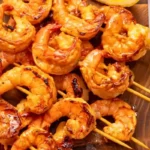
Honey Garlic Grilled Shrimp Skewers
- Total Time: 26 minutes
- Yield: 8 servings 1x
- Diet: Dairy-free, Gluten-free
Description
These grilled shrimp skewers are marinated with honey, garlic, and lemon, then quickly grilled until beautifully caramelized.
Ingredients
- ¼ cup extra-virgin olive oil
- ¼ cup fresh lemon juice (~2 large lemons)
- 4 cloves garlic (minced)
- 3 tablespoons honey
- 1 teaspoon kosher salt
- ½ teaspoon cayenne pepper
- 1 teaspoon paprika
- 2 pounds jumbo shrimp (peeled and deveined)
- lemon wedges (for serving)
Instructions
- Soak: If using wooden skewers, soak in water for at least 30 minutes before threading shrimp on the skewers. This will prevent the skewers from catching fire on the grill.
- Whisk: In a large bowl, whisk together ¼ cup extra-virgin olive oil, ¼ cup fresh lemon juice, 4 cloves garlic (minced), 3 tablespoons honey, 1 teaspoon kosher salt, ½ teaspoon cayenne pepper, and 1 teaspoon paprika. Remove and reserve ¼ cup marinade for brushing onto the shrimp skewers while grilling.
- Marinate: If needed, devein the shrimp. Pat dry with a paper towel, then add the shrimp to the marinade and gently toss to coat. Cover the bowl with plastic wrap and refrigerate for 15 minutes up to 1 hour. Do not allow the shrimp to sit in the marinade for longer than 60 minutes or the acid will begin to cook the shrimp. 15-30 minutes is ideal.
- Preheat: When ready to grill the shrimp skewers, lightly grease a grill pan or grill grates with a bit of oil then preheat to medium-high heat. (~400℉)
- Thread: While the grill is preheating, remove the shrimp from the marinade and thread onto skewers, ensuring the skewer goes through both the tail and thicker portion of the shrimp.
- Grill: Once the grill is preheated, place the skewers on the grill or grill plate and grill for 2 minutes. Flip and continue to grill for an additional 2 minutes.
- Glaze: Flip the skewers again and brush the tops with about half the reserved marinade. Cook for 1 minute, flip, brush the opposite side with the remaining marinade, and continue to cook for 1 minute longer or until the shrimp are opaque, pink, and lightly charred around the edges.
- Serve: Remove immediately from the grill to stop the cooking process and serve with lemon wedges.
Notes
Use jumbo shrimp to prevent overcooking. Marinate for 15-30 minutes; do not exceed 60 minutes to avoid mushy shrimp. Store leftovers in an airtight container in the refrigerator for up to 2 days.
- Prep Time: 5 minutes
- Cook Time: 6 minutes
- Category: Main Course
- Method: Grilling
- Cuisine: American
Nutrition
- Serving Size: 1 serving
- Calories: 202 kcal
- Sugar: 7 g
- Sodium: 673 mg
- Fat: 8 g
- Saturated Fat: 1 g
- Unsaturated Fat: 7 g
- Trans Fat: 0 g
- Carbohydrates: 8 g
- Fiber: 1 g
- Protein: 23 g
- Cholesterol: 286 mg
Keywords: grilled shrimp, honey garlic shrimp, shrimp skewers, easy seafood, low carb