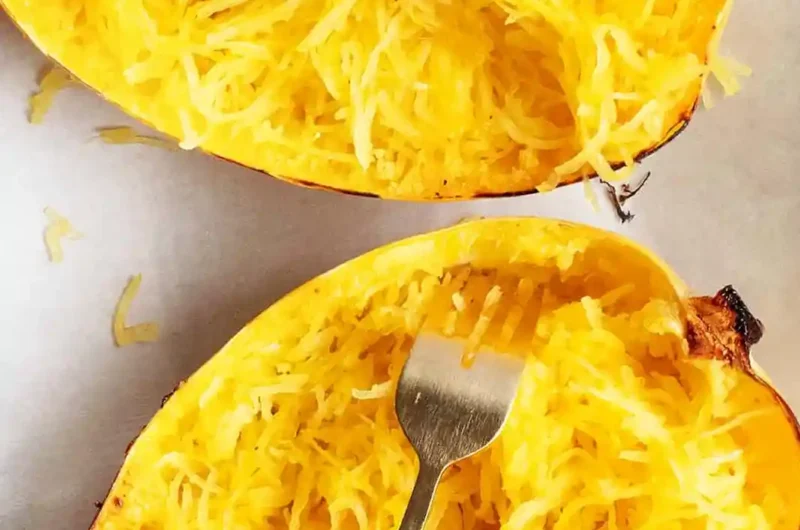
Learn how to roast spaghetti squash to achieve the perfect al dente texture every time. This simple method ensures the vegetable strands remain firm and flavorful, making it an ideal base for various healthy meals.
List of ingredients
- 1 spaghetti squash – select a firm, medium-sized squash for even cooking.
- extra-virgin olive oil – used for coating the flesh and preventing sticking.
- sea salt – enhances the natural sweetness of the squash.
- freshly ground black pepper – adds a subtle spicy bite.
step-by-step instructions
- Preheat oven: Set your oven to 400°F to ensure it is hot enough for roasting.
- Prepare the squash: Slice the spaghetti squash in half lengthwise and scoop out the seeds and ribbing using a large spoon.
- Season the flesh: Drizzle the inside of the squash with olive oil and sprinkle evenly with salt and pepper.
- Position for roasting: Place the spaghetti squash cut side down on a baking sheet and use a fork to poke several holes in the skin.
- Roast: Bake for 30 to 40 minutes or until the outside is lightly browned and the flesh is fork tender but still slightly firm. Note that timing may vary based on the squash size and oven heat.
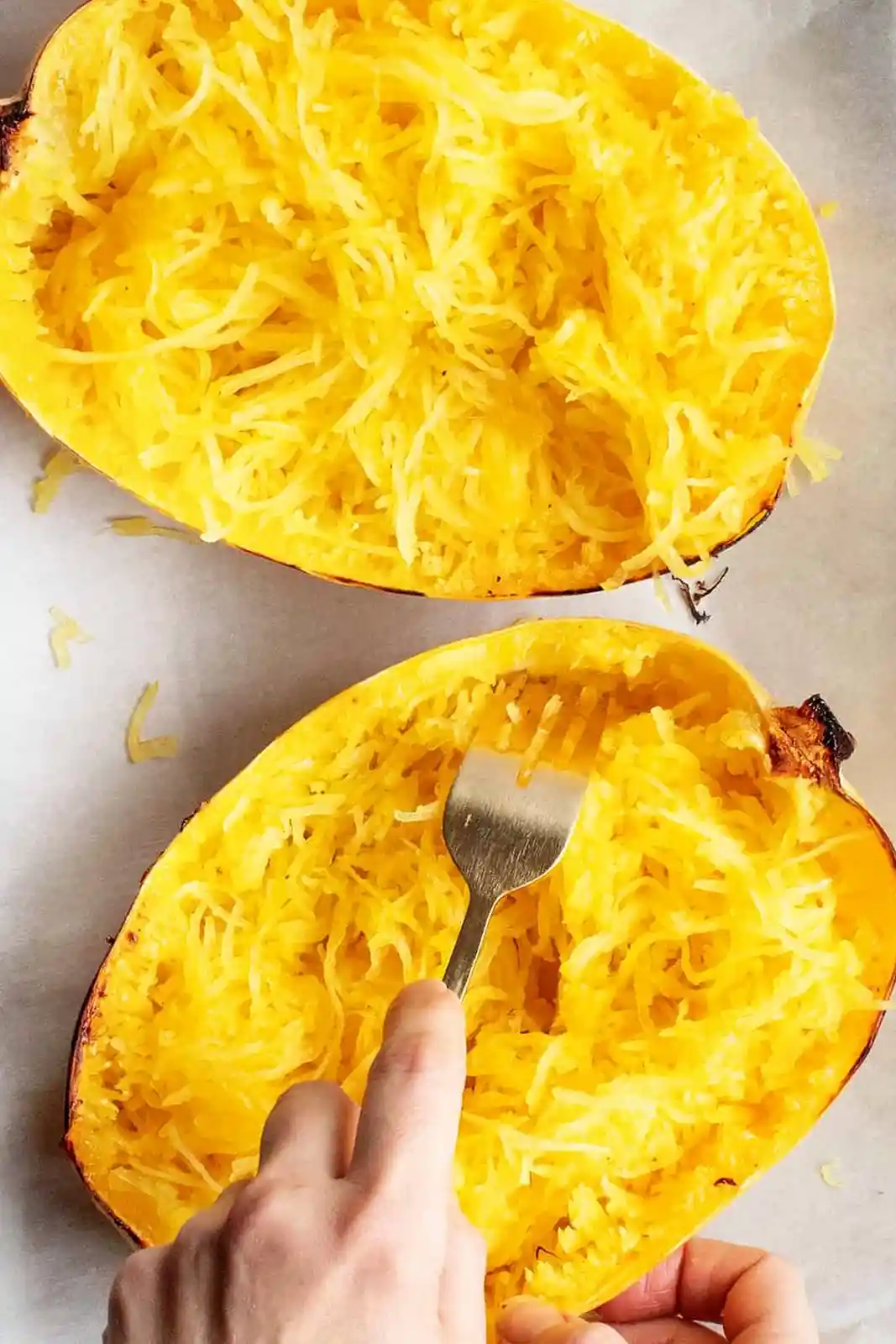
- Extract strands: Remove from the oven and flip the squash cut side up. Once it has cooled enough to touch, use a fork to scrape and fluff the strands from the sides.
Selecting and Preparing Your Squash
Choosing the Right Squash
Look for a squash that feels heavy for its size, as this indicates a high moisture content and fresh flesh. The skin should be a consistent yellow color with no soft spots, bruises, or deep cracks. A firm stem is also a good sign that the vegetable is fresh.
Softening a Hard Squash
If the squash is too hard to slice safely, you can soften it before cutting. Prick the skin with a fork and bake it at 400°F for about 10 minutes. Alternatively, microwave it in 1-minute intervals until the skin yields to a knife.
Efficient Seed Removal
Use a sturdy metal spoon to scrape the seeds and stringy ribbing from the center. Ensure you remove all the ribbing, as these parts do not break down into strands and can be tough to eat. Save the seeds if you wish to roast them separately as a snack.
Optimizing the Roasting Process
The Importance of Oven Temperature
Roasting at 400°F is critical because it allows the natural sugars in the squash to caramelize. If the temperature is too low, the squash will steam rather than roast, resulting in a mushy texture. High heat ensures the edges brown while the interior stays tender.
Benefits of Cut-Side Down Roasting
Placing the squash cut side down creates a natural seal that traps steam inside the cavity. This process cooks the strands evenly throughout the vegetable. It also allows the flesh to come into direct contact with the hot baking sheet for better browning.
Avoiding Common Overcooking Mistakes
Many people roast squash for an hour or more, but this often leads to a watery and over-processed consistency. Sticking to a 30 to 40-minute window helps maintain an al dente bite. Always check the tenderness with a fork before removing it from the oven.
Determining the Perfect Doneness
The squash is done when a fork easily pierces the skin and the flesh feels tender but offers slight resistance. If the squash feels too soft, it may have overcooked. If the fork cannot penetrate the skin easily, give it another 5 minutes.
Serving and Flavoring Ideas
Classic Garlic and Butter Finish
Melt two tablespoons of unsalted butter with minced garlic in a pan until fragrant. Toss the hot spaghetti squash strands in this mixture for a rich, savory side dish. Add a pinch of fresh parsley for a pop of color.
Using Squash as a Pasta Replacement
Replace traditional pasta with these strands in your favorite marinara or pesto dishes. The strands absorb the sauce well without becoming soggy. This is an excellent way to lower the carbohydrate content of a meal.
Adding Fresh Herbal Notes
Toss the cooked strands with chopped fresh basil, oregano, or thyme. These herbs complement the mild sweetness of the squash. For a brighter flavor, stir in a teaspoon of lemon zest right before serving.
Pairing with Roasted Vegetables
Combine your spaghetti squash with other roasted winter vegetables like carrots or parsnips. The combination of textures makes for a hearty vegetable platter. Drizzle everything with a balsamic glaze for added depth.
Customizing Your Spaghetti Squash
Incorporating Spicy Elements
Add a pinch of red pepper flakes or a drizzle of sriracha to the squash strands for a spicy kick. This works particularly well if you are serving the squash with a creamy sauce. The heat balances the sweetness of the roasted vegetable.
Cheese-Based Variations
Top the roasted strands with microbial-rennet parmesan or pecorino for a salty finish. For a vegan option, nutritional yeast provides a similar nutty, cheesy flavor. Melt the cheese under a broiler for 2 minutes for a crusty top.
Creating Creamy Textures
Blend soaked cashews with water, lemon, and salt to create a dairy-free cream sauce. Pour this over the strands and stir in sautéed spinach. This creates a nutrient-dense meal that mimics a creamy pasta dish.
Adding Protein for a Main Course
Mix the squash strands with chickpeas, grilled chicken, or sautéed tofu. These proteins turn a simple side dish into a complete meal. Ensure the protein is seasoned similarly to the squash for a cohesive taste.
Storage and Reheating Advice
Refrigerating Roasted Squash
Place the extracted strands in an airtight glass container. They will stay fresh in the refrigerator for 3 to 5 days. Keep them separate from sauces to prevent the squash from absorbing too much liquid and becoming mushy.
Freezing for Long-Term Use
You can freeze cooked spaghetti squash in freezer-safe bags. Squeeze out as much air as possible to prevent freezer burn. Note that the texture may soften slightly upon thawing, so they are best used in soups or casseroles after freezing.
Best Reheating Methods
Reheat the squash in a skillet over medium heat with a small amount of olive oil or butter. This helps restore some of the roasted texture. Avoid microwaving for too long, as this can make the strands watery.
Preventing Moisture Loss During Storage
If you store the squash in its own shell, cover the opening tightly with foil. This keeps the strands moist and prevents them from drying out. However, removing the strands is generally more efficient for quick meal prep.
Troubleshooting Common Issues
Why is My Spaghetti Squash Watery?
Too much salt added before roasting can draw out excess water from the vegetable. Use a light sprinkle of salt and avoid over-seasoning the cavity. Additionally, overcooking can cause the cell walls to break down, releasing more liquid.
What to Do if Strands are Too Mushy?
If your strands are too soft, reduce the roasting time by 5 to 10 minutes in your next batch. You can also try roasting at a slightly higher temperature for a shorter duration. Drain the cooked strands in a colander to remove excess moisture.
Dealing with Uneven Cooking
Ensure your squash halves are roughly the same size and weight before roasting. If one half is significantly larger, it may need more time. You can remove the smaller half from the oven early to prevent overcooking.
Solving Difficulty with Stranding
If the strands are not separating easily, the squash may be undercooked. Return it to the oven for another 5 minutes. Using a sharp fork and scraping from the outer edge toward the center usually works best.
Frequently Asked Questions
Can I roast the squash whole?
Yes, you can roast it whole by pricking the skin and baking it, but it takes significantly longer. Roasting halves is more efficient and allows you to season the interior flesh directly.
How long does raw spaghetti squash last?
Stored in a cool, dry, and dark place, a raw spaghetti squash can last for several weeks. Once cut, it must be cooked or refrigerated immediately to prevent spoilage.
Which oil is best for roasting?
Extra-virgin olive oil is recommended for its flavor and stable smoke point at 400°F. Avocado oil is another great alternative if you prefer a more neutral taste.
Do I need to peel the squash before roasting?
No, the skin is not eaten but it acts as a protective bowl during the roasting process. The skin keeps the moisture inside and helps the strands cook evenly.
Can I use a different type of squash for this?
No, only spaghetti squash has the unique fibrous structure that creates strands. Butternut or acorn squash will become creamy or chunky when roasted instead of stringy.
Print
How to Roast Perfect Spaghetti Squash
- Total Time: 40 minutes
- Yield: 2 to 4 servings 1x
- Diet: Vegan
Description
This is my go-to method for creating perfect al dente spaghetti squash strands to use in vegetable sides and main dishes.
Ingredients
- 1 spaghetti squash
- extra-virgin olive oil
- sea salt
- freshly ground black pepper
Instructions
- Preheat: Preheat the oven to 400°F.
- Prepare: Slice the spaghetti squash in half lengthwise and scoop out the seeds and ribbing. Drizzle the inside of the squash with olive oil and sprinkle with salt and pepper.
- Roast: Place the spaghetti squash cut side down on the baking sheet and use a fork to poke holes. Roast for 30 to 40 minutes or until lightly browned on the outside, fork tender, but still a little bit firm.
- Finish: Remove from the oven and flip the squash so that it’s cut side up. When cool to the touch, use a fork to scrape and fluff the strands from the sides of the squash.
Notes
The exact timing will vary depending on the heat of your oven and the size of your squash. Roasting for 30-40 minutes ensures the strands stay al dente rather than mushy.
- Prep Time: 5 minutes
- Cook Time: 35 minutes
- Category: Side Dishes
- Method: Roasting
- Cuisine: American
Nutrition
- Serving Size: 1 serving
- Calories: 80 kcal
- Sugar: 4 g
- Sodium: 160 mg
- Fat: 4 g
- Saturated Fat: 0.6 g
- Unsaturated Fat: 3.4 g
- Trans Fat: 0 g
- Carbohydrates: 11 g
- Fiber: 3 g
- Protein: 2 g
- Cholesterol: 0 mg
Keywords: spaghetti squash, roasted squash, vegan side dish, gluten free, vegetable strands