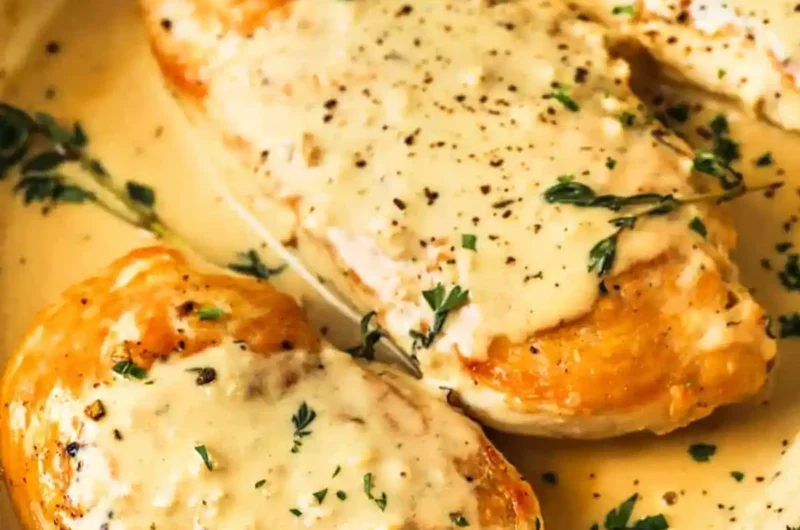
This recipe delivers tender chicken breasts smothered in a rich, savory Dijon sauce that feels like a restaurant-quality meal. It is a fast one-pan dinner that simplifies your weeknight routine without sacrificing depth of flavor.
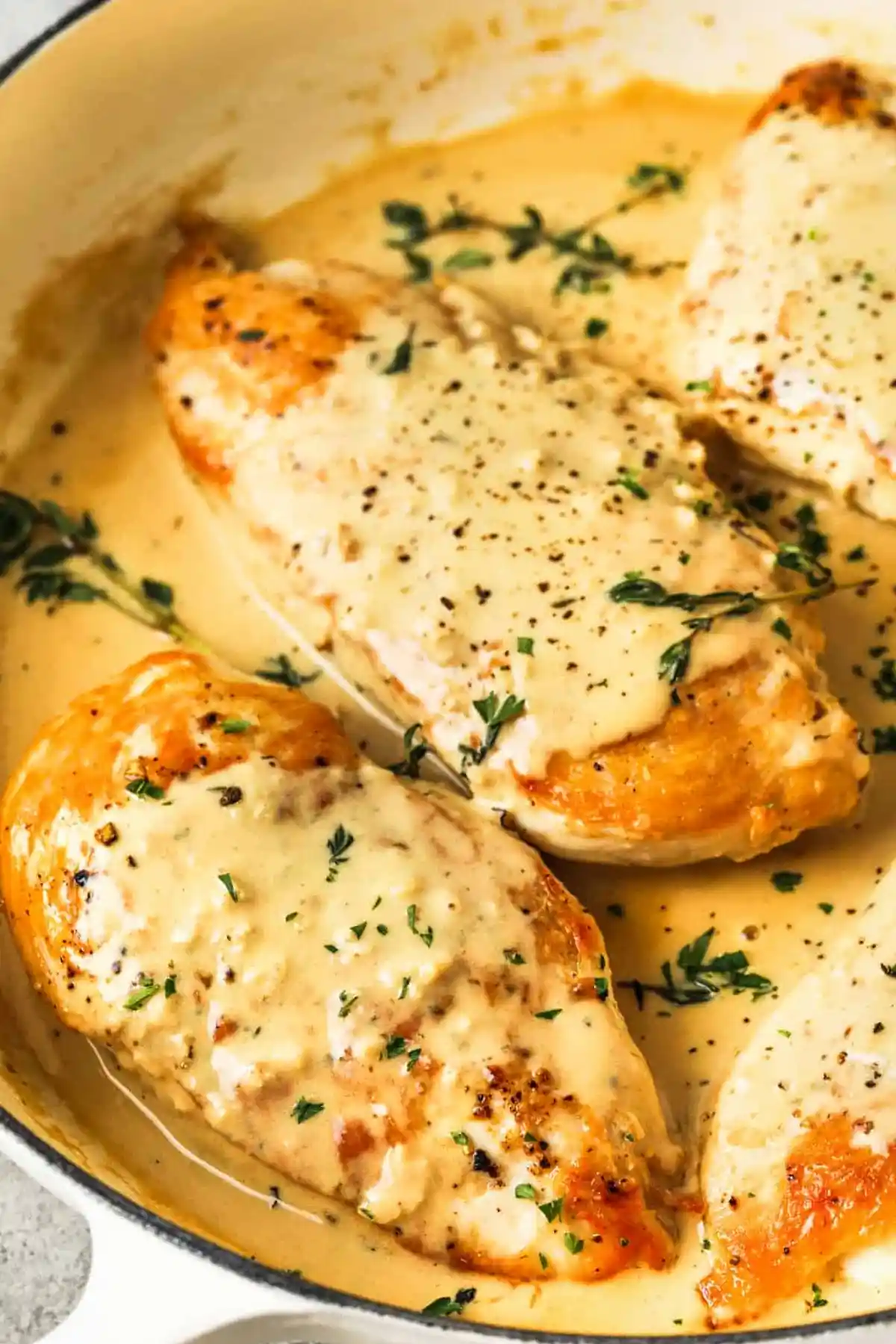
List of ingredients
- 4 boneless skinless chicken breasts (approximately 5-6 oz each) – pounded to even thickness for consistent cooking.
- Salt and black pepper – used to taste for basic seasoning.
- 1 tablespoon olive oil – used for searing the meat.
- 2 tablespoons butter – adds richness and helps sauté the garlic.
- 3 cloves garlic – finely minced to infuse the sauce.
- 1/3 cup chicken broth – used for deglazing the pan and building the sauce base.
- 1/3 cup heavy whipping cream – creates a velvety texture (evaporated milk is a suitable alternative).
- 1/4 cup chicken broth – adds volume and savory depth to the cream sauce.
- 1 teaspoon soy sauce – provides a hit of umami and saltiness.
- 2 tablespoons Dijon mustard – the core tangy component of the dish.
- 1/8 teaspoon dried thyme leaves – or one fresh sprig for a subtle herbal note.
step-by-step instructions
- Prepare the chicken: Pound the chicken breasts until they are a uniform 1-inch thickness, then season both sides generously with salt and black pepper.
- Sear the meat: Heat olive oil over medium-high heat in a large skillet. Cook the chicken for 5-6 minutes per side, or until golden brown and the internal temperature reaches 165°F. Remove the chicken from the pan and set aside on a plate, covering lightly with foil to keep them warm.
- Sauté aromatics: Add butter and minced garlic to the same pan. Cook for about 30 seconds, just until the garlic becomes fragrant.
- Deglaze the pan: Stir in the first 1/3 cup of chicken broth, making sure to scrape up all the browned bits (fond) from the bottom of the skillet. Simmer the liquid until it has reduced by half, which takes about 3 minutes.
- Thicken the sauce: Whisk in the heavy cream, remaining chicken broth, soy sauce, Dijon mustard, and thyme. Simmer the mixture for 2-4 minutes until the sauce has thickened slightly.
- Final combine: Return the cooked chicken breasts and any accumulated juices to the pan. Cook for approximately 2 minutes just until the chicken is heated through.
Pro Cooking Tips for Success
Pound Breast for Even Thickness
To achieve a uniform cook, place the chicken breast between two sheets of plastic wrap or in a sturdy zip-top bag. Use a meat mallet or a heavy rolling pin to gently pound the thicker end of the breast until the entire piece is approximately one inch thick. This prevents the thinner edges from drying out while the center reaches the safe temperature.
Use a Meat Thermometer for Accuracy
Relying on color alone can lead to overcooked meat. Use an instant-read thermometer to ensure the chicken reaches 165°F internally. For the juiciest results, remove the chicken from the heat when it hits 162°F, as the temperature will continue to rise while resting under foil.
Select the Right Skillet for Searing
A stainless steel or cast-iron skillet is ideal for this recipe because it allows the chicken to develop a deep brown crust. This process, known as the Maillard reaction, creates the browned bits at the bottom of the pan that provide the foundation of flavor for the creamy Dijon sauce.
Avoid Crowding the Pan
If you have a small skillet, sear the chicken breasts in two batches rather than all at once. Crowding the pan lowers the surface temperature, which causes the chicken to steam in its own juices rather than brown, resulting in a pale exterior and less flavor in the final sauce.
Ingredient Substitutions and Swaps
Substitute Heavy Cream with Evaporated Milk
For a slightly lighter version of this sauce, you can use evaporated milk instead of heavy whipping cream. While the texture will be slightly less thick and velvety, it still provides the necessary creaminess to balance the tang of the mustard. Ensure you simmer it gently to avoid separation.
Use Grainy Dijon for Added Texture
If you prefer a more rustic appearance and a punchier flavor, replace the smooth Dijon mustard with whole-grain mustard. Whole-grain varieties offer a distinct pop of mustard seed in every bite, which pairs exceptionally well with the herbal notes of the thyme.
Replace Thyme with Fresh Tarragon
For a French-inspired twist, substitute the thyme with about 1/2 teaspoon of fresh tarragon. Tarragon has a subtle anise or licorice flavor that complements chicken and mustard perfectly, elevating the dish to a more sophisticated profile.
Swap Soy Sauce for Worcestershire
If you do not have soy sauce on hand, a small amount of Worcestershire sauce can be used to provide that necessary umami depth. Alternatively, a pinch of extra salt and a drop of lemon juice can mimic the savory brightness that soy sauce brings to the sauce.
Protein and Diet Variations
Using Boneless Skinless Chicken Thighs
Chicken thighs are a great alternative if you prefer a meatier texture and more moisture. Thighs are more forgiving and harder to overcook than breasts. Adjust the cooking time slightly, as thighs may need an extra minute or two per side to reach the ideal internal temperature.
Adapting the Recipe for Chicken Tenders
Chicken tenders cook much faster than full breasts, so reduce the searing time to 3-4 minutes per side. Because they are smaller, they will heat through very quickly when added back into the sauce at the end, so monitor them closely to avoid toughness.
Making it Low Carb
This recipe is naturally low-carb and ketogenic-friendly. To keep the entire meal within a low-carb framework, avoid serving it over pasta or rice. Instead, pair the chicken and sauce with cauliflower mash or steamed leafy greens to maintain the nutritional profile.
Recommended Side Dish Pairings
Pairing with Cauliflower Mash
Steamed and blended cauliflower creates a light, creamy base that absorbs the Dijon sauce beautifully. This is an excellent choice for those avoiding potatoes, as the mild flavor of the cauliflower allows the tangy mustard and garlic to stand out.
Serving with Garlic Mashed Potatoes
Traditional garlic mashed potatoes are the gold standard for this meal. The starchiness of the potatoes acts as a sponge for the cream sauce, creating a comforting and filling dinner. Adding a bit of Parmesan cheese to the potatoes enhances the savory profile.
Adding Roasted Broccoli or Brussels Sprouts
To add a pop of color and nutrition, serve this dish with roasted broccoli or sautéed Brussels sprouts. The slight bitterness of these cruciferous vegetables cuts through the richness of the cream sauce, providing a balanced taste experience.
Using Steamed Basmati or Jasmine Rice
For a more neutral base, serve the chicken over a bed of fluffy steamed rice. Basmati or Jasmine rice works best due to their aromatic qualities. The rice helps stretch the meal further and ensures none of the sauce goes to waste.
Storage and Reheating Guidelines
Proper Refrigeration for Longevity
Store leftover chicken and sauce in an airtight container in the refrigerator for up to three days. Ensure the chicken is fully submerged in the sauce to prevent the meat from drying out during the storage period.
Reheating in a Saucepan for Quality
The best way to reheat this dish is in a small saucepan over low to medium heat. Avoid the microwave if possible, as it can cause the cream sauce to break or the chicken to become rubbery. Add a splash of chicken broth or cream if the sauce has thickened too much in the fridge.
Avoiding Microwave Overcooking
If you must use a microwave, heat the chicken in short 30-second bursts, stirring the sauce gently between intervals. Cover the dish with a damp paper towel to trap moisture, which helps prevent the chicken from toughening.
Troubleshooting Common Issues
Fixing a Sauce That Has Split
If the sauce appears to separate or look oily, it is likely due to excessive heat. To fix this, remove the pan from the heat and whisk in a tablespoon of cold heavy cream or a teaspoon of cornstarch slurry (cornstarch mixed with water) and stir rapidly over low heat until smooth.
Preventing Chicken from Sticking
If your chicken sticks to the pan, you may be trying to flip it too early. Once the chicken develops a proper sear, it will naturally release from the surface of the skillet. Wait for a golden-brown crust to form before attempting to move the meat.
Managing Sauce Thickness
If the sauce is too thin, simmer it for an additional 2-3 minutes without the chicken to allow more moisture to evaporate. If it becomes too thick or pasty, stir in a tablespoon of chicken broth at a time until you reach your desired consistency.
Frequently Asked Questions
Can I use a different type of mustard?
Yes, you can use honey mustard for a sweeter profile or spicy brown mustard for more heat. However, Dijon is recommended for its specific balance of tanginess and smoothness that emulsifies well into the cream.
How do I know when the chicken is perfectly done?
The most reliable method is using a digital meat thermometer. The chicken is safe and juicy when the thickest part reaches 165°F. If you do not have a thermometer, the meat should be opaque throughout and feel firm to the touch.
Can I freeze this meal?
It is not recommended to freeze this dish. Cream-based sauces often separate and become grainy when frozen and thawed. For the best quality, enjoy the leftovers fresh from the refrigerator.
What can I use instead of soy sauce?
You can use a small amount of Worcestershire sauce or a pinch of extra salt. The soy sauce is primarily used for depth and salt, so any savory, salty condiment will work in a pinch.
Print
Juicy Creamy Dijon Chicken Breasts
- Total Time: 30 minutes
- Yield: 4 servings 1x
- Diet: Low Calorie
Description
Tender & juicy chicken breast is simmered in a creamy Dijon sauce on the stovetop for a quick & easy dinner!
Ingredients
- 4 boneless skinless chicken breasts (approximately 5–6 oz each)
- salt and black pepper to taste
- 1 tablespoon olive oil
- 2 tablespoons butter
- 3 cloves garlic, minced
- 1/3 cup chicken broth
- 1/3 cup heavy whipping cream or evaporated milk
- 1/4 cup chicken broth
- 1 teaspoon soy sauce
- 2 tablespoons Dijon mustard
- 1/8 teaspoon dried thyme leaves or 1 sprig fresh thyme
Instructions
- Step 1: Pound chicken to 1-inch thick and season with salt and pepper.
- Step 2: Heat olive oil over medium-high heat in a large skillet and cook chicken for 5-6 minutes per side, or until browned and the chicken reaches 165°F. Remove chicken from the pan and set aside lightly covering with foil.
- Step 3: Add butter and garlic to the pan. Cook just until fragrant, about 30 seconds.
- Step 4: Stir in chicken broth, making sure to scrape up any browned bits from the bottom of the pan. Simmer until the liquid is reduced by half, about 3 minutes.
- Step 5: Whisk in remaining ingredients and simmer for 2-4 minutes or until slightly thickened.
- Step 6: Add chicken back to the pan along with any juices and cook just until heated through, about 2 minutes.
Notes
Pound the chicken breasts so they cook evenly. Use a large skillet to ensure the chicken browns and the sauce reduces well. Ensure a meat thermometer reads 165°F to avoid overcooking.
- Prep Time: 10 minutes
- Cook Time: 20 minutes
- Category: Dinner
- Method: Stovetop
- Cuisine: American
Nutrition
- Serving Size: 1 serving
- Calories: 287 kcal
- Sugar: 1 g
- Sodium: 776 mg
- Fat: 18 g
- Saturated Fat: 8 g
- Unsaturated Fat: 8 g
- Trans Fat: 1 g
- Carbohydrates: 2 g
- Fiber: 1 g
- Protein: 26 g
- Cholesterol: 108 mg
Keywords: Dijon chicken, creamy chicken breast, stovetop chicken, quick dinner