
This hearty meat sauce is a timeless classic that brings deep, savory flavors to any pasta dish. It relies on a slow-simmering process to develop a rich texture and complex taste profile.
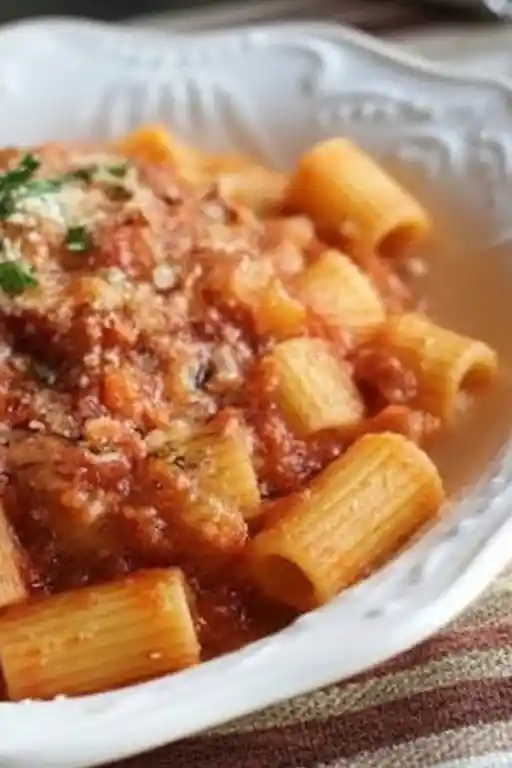
List of ingredients
- 2 tablespoons olive oil – used for sautéing the aromatics.
- 1 large onion, chopped finely – provides a sweet, savory base.
- 2 carrots, peeled and chopped finely – adds natural sweetness and depth.
- 2 celery stalks, chopped finely – adds an earthy, aromatic quality.
- 1 pound ground beef (80/20 mix) – the primary protein for richness.
- 1/2 pound ground beef – used as a substitute for pork to maintain texture.
- 1 cup beef broth mixed with 1 tablespoon red wine vinegar – a non-alcoholic substitute for red wine to provide acidity.
- 1 (28 ounce) can crushed tomatoes – the base of the sauce for body and tang.
- 1 cup beef broth – adds moisture and enhances the beefy flavor.
- 1/2 cup whole milk – tenderizes the meat and adds a creamy finish.
- Salt, to taste – essential for enhancing all other flavors.
- Black pepper, to taste – adds a subtle spicy warmth.
- Pinch of nutmeg – a traditional addition that complements the milk.
- Fresh parsley, chopped (for garnish) – provides a fresh, herbal contrast.
- Parmesan cheese, grated (for serving) – adds a salty, nutty finish.
step-by-step instructions
- Sauté the Vegetables: Heat olive oil in your Dutch oven over medium heat. Add the finely chopped onion and cook for about 5 minutes until soft. Stir in the carrots and celery, cooking for another 5-7 minutes until the vegetables are tender.
- Brown the Meats: Add the ground beef to the pot. Break the meat apart with a spoon and cook until it is fully browned. Drain any excess fat from the pot to ensure the sauce doesn’t become too greasy.
- Deglaze the Pot: Pour in the mixture of beef broth and red wine vinegar. Use your spoon to scrape up the browned bits from the bottom of the pot. Let the liquid simmer until it has almost completely evaporated to concentrate the flavor.
- Add Tomatoes and Broth: Stir in the crushed tomatoes and the additional cup of beef broth. Bring the mixture to a gentle boil, then immediately reduce the heat to low.
- Simmer the Sauce: Cover the Dutch oven with a lid. Let the sauce simmer slowly for at least 2 hours, stirring occasionally. For an even deeper flavor, you may allow it to simmer for up to 3 hours.
- Finish with Milk and Seasonings: Stir in the whole milk, salt, black pepper, and a pinch of nutmeg. Simmer for another 15 minutes without the lid to let the flavors meld and the sauce thicken.
- Serve and Enjoy: Ladle the finished Bolognese over your favorite cooked pasta. Garnish with chopped fresh parsley and a generous dusting of grated Parmesan cheese.
Professional Preparation Secrets
Selecting the Optimal Beef Ratio
The choice of 80/20 ground beef is critical for the success of this sauce. The 20% fat content ensures that the meat remains moist during the long simmering process. Leaner meats can become dry and grainy when cooked for several hours.
Precision in Vegetable Dicing
Finely chopping the onion, carrots, and celery is more than just a visual preference. Small, uniform pieces allow the vegetables to break down almost completely into the sauce. This creates a smooth, cohesive texture where the vegetables enhance the flavor without being distracting.
Managing Heat During the Browning Phase
It is important to maintain a steady medium heat when browning the beef. If the heat is too high, the meat may sear too quickly and release too much liquid. If the heat is too low, the meat will steam rather than brown, missing out on the essential Maillard reaction flavors.
Ingredient Alternatives and Substitutions
Replacing Pork with Beef or Veal
To keep the recipe suitable for all dietary needs, ground beef is an excellent substitute for pork. For a slightly lighter and sweeter flavor profile, you can use ground veal. This maintains the traditional meat-heavy consistency of a true Bolognese.
Non-Alcoholic Deglazing Liquids
To replace red wine, a combination of beef broth and red wine vinegar is highly effective. The broth provides the body, while the vinegar provides the necessary acidity to cut through the fat. Alternatively, a small amount of pomegranate juice can mimic the tannins found in red wine.
Dairy Substitutions for Creaminess
While whole milk is traditional, heavy cream can be used for a thicker and richer sauce. For a dairy-free version, unsweetened cashew milk or coconut milk can be used, although the flavor profile will shift slightly. The primary goal of the milk is to neutralize the tomato acidity.
Advanced Cooking Techniques for Depth
The Importance of Deglazing the Fond
The brown bits stuck to the bottom of the pot after browning the meat are called the fond. These bits are concentrated pockets of flavor. Deglazing with liquid lifts these proteins back into the sauce, which is the secret to achieving a professional, deep-brown color.
The Logic of Slow Simmering
Simmering the sauce on low heat for several hours allows the collagen in the beef to break down into gelatin. This process thickens the sauce naturally and creates a velvety mouthfeel. A rapid boil would instead toughen the meat fibers and separate the fats.
Balancing Acidity with Natural Sweetness
Depending on the brand of crushed tomatoes, the sauce may occasionally taste too tart. A small pinch of granulated sugar can balance this acidity. Alternatively, the carrots already in the recipe provide natural sugars that mellow out the tomatoes over time.
Serving and Presentation Ideas
Choosing the Right Pasta Shape
Broad, flat noodles are the best pairing for a heavy meat sauce. Tagliatelle is the traditional choice because its surface area allows the thick sauce to cling to the pasta. Pappardelle or wide fettuccine are also excellent alternatives for this dish.
Fresh Garnishes for Visual Contrast
The rich, dark red color of the Bolognese benefits from bright garnishes. Freshly chopped flat-leaf parsley adds a pop of green and a clean, peppery taste. A sprinkle of bright white Parmesan cheese provides a sharp visual and flavor contrast.
Complementary Side Dishes
To balance the richness of the beef, serve this dish with a crisp side salad. An arugula salad with a lemon vinaigrette provides a sharp acidity that cleanses the palate. Garlic toasted baguette is also a classic choice for scooping up extra sauce.
Storage and Long-Term Preservation
Refrigeration Guidelines
Store the leftover sauce in an airtight glass container in the refrigerator. The sauce will typically stay fresh for 3 to 4 days. Many cooks find that the flavor actually improves after a day in the fridge as the spices and aromatics fully meld.
Freezing for Future Use
Bolognese freezes exceptionally well. Portion the sauce into freezer-safe bags or containers, leaving a small amount of space for expansion. Properly sealed, the sauce will maintain its quality for up to three months in the freezer.
The Best Method for Reheating
Avoid reheating the sauce in the microwave on high heat, as this can cause the fats to separate. Instead, warm the sauce in a saucepan over low heat. Add a splash of water or pasta water to loosen the consistency and bring back the original creaminess.
Troubleshooting Common Issues
Fixing a Sauce That Is Too Thin
If the sauce appears too watery after simmering, remove the lid and increase the heat slightly. This allows excess moisture to evaporate more quickly. Stir frequently to prevent the bottom from scorching while the sauce reduces to a thick consistency.
Preventing Milk From Curdling
Adding milk too early or boiling it too vigorously can cause it to separate or curdle. Always stir in the milk during the final stage of cooking. Maintain a gentle simmer and stir constantly to ensure the milk integrates smoothly into the tomato base.
Adjusting Overly Salty Sauce
If the beef broth or Parmesan cheese makes the sauce too salty, do not add more salt. You can add a small amount of unsalted crushed tomatoes or a splash of water to dilute the saltiness. A teaspoon of sugar can also help mask excess salt.
Frequently Asked Questions
Can I use ground veal in this recipe?
Yes, ground veal is a traditional ingredient in authentic Bolognese. It provides a softer texture and a milder flavor than beef. You can replace half of the beef with veal for a more complex taste.
Why is nutmeg added to a meat sauce?
Nutmeg is used to enhance the creaminess of the milk and provide a subtle, warm undertone. It doesn’t make the sauce taste like a dessert, but rather adds a depth that is characteristic of classic European cooking.
Can this recipe be adapted for a slow cooker?
Yes, but you must brown the vegetables and meat in a pan first. After browning and deglazing, transfer everything to the slow cooker and cook on low for 6 to 8 hours. Stir in the milk and seasonings during the last 30 minutes of cooking.
Print
Julia Child Bolognese Sauce Recipe
- Total Time: 75 minutes
- Yield: 4 servings 1x
- Diet: General
Description
This sauce is rich. It is full of flavor. It brings joy to every bite. You will love this Julia Child Bolognese sauce recipe.
Ingredients
- 2 tablespoons olive oil
- 1 large onion (chopped finely)
- 2 carrots (peeled and chopped finely)
- 2 celery stalks (chopped finely)
- 1 pound ground beef (80/20 mix)
- 1/2 pound ground beef
- 1 cup beef broth
- 1 28 ounce can crushed tomatoes
- 1 cup beef broth
- 1/2 cup whole milk
- Salt (to taste)
- Black pepper (to taste)
- Pinch of nutmeg
- Fresh parsley (chopped (for garnish))
- Parmesan cheese (grated (for serving))
Instructions
- Sauté the Vegetables: Heat olive oil in your Dutch oven. Use medium heat. Add chopped onion. Cook until soft. This takes about 5 minutes. Now add carrots and celery. Cook for another 5-7 minutes. Vegetables should be tender.
- Brown the Meats: Add ground beef. Break up the meat. Cook until it’s browned. Drain any extra fat. This step is important.
- Deglaze with Broth: Pour in the beef broth. Scrape up bits from the bottom. Let the broth simmer. Cook until it almost evaporates. This adds deep flavor.
- Add Tomatoes and Broth: Stir in crushed tomatoes. Add the beef broth. Bring it to a gentle boil. Then reduce the heat.
- Simmer the Sauce: Cover the pot. Let it simmer slowly. Cook for at least 2 hours. Stir occasionally. The longer it cooks, the better. It can simmer for 3 hours.
- Finish with Milk and Seasonings: Stir in the whole milk. Add salt, pepper, and nutmeg. Simmer for 15 more minutes. The milk makes it creamy. Taste and adjust seasonings.
- Serve and Enjoy: Your Bolognese is ready! Serve over your favorite pasta. Garnish with fresh parsley. Add grated Parmesan cheese. Enjoy your homemade Julia Child Bolognese sauce recipe.
Notes
Use fresh, good quality ingredients. This makes a big difference. Do not rush the simmering. Low and slow is the way. Taste as you go. Adjust salt and pepper. A pinch of sugar can balance acidity. Make it ahead of time. It tastes better the next day. Reheat gently.
- Prep Time: 25 minutes
- Cook Time: 50 minutes
- Category: Main Course
- Method: Simmering
- Cuisine: British
Nutrition
- Serving Size: 1 serving
- Calories: 450 kcal
- Sugar: 8 g
- Sodium: 720 mg
- Fat: 28 g
- Saturated Fat: 12 g
- Unsaturated Fat: 16 g
- Trans Fat: 0 g
- Carbohydrates: 14 g
- Fiber: 4 g
- Protein: 32 g
- Cholesterol: 95 mg
Keywords: Julia Child Bolognese Sauce Recipe