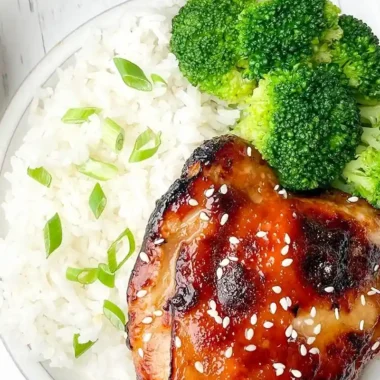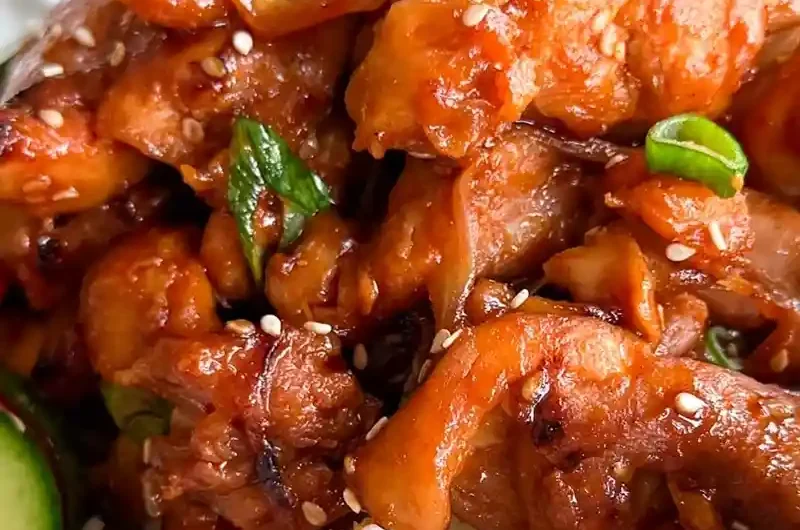
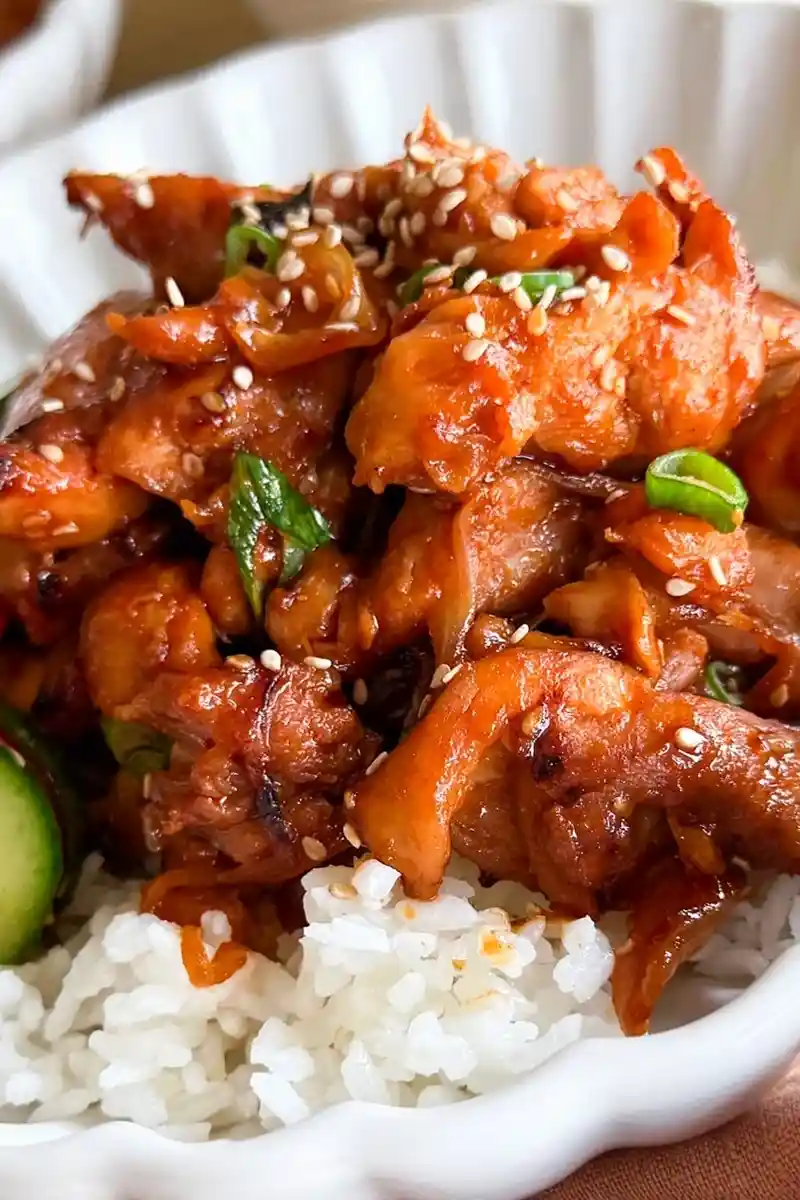
This easy chicken bulgogi recipe brings authentic Korean flavors to your kitchen using simple, accessible ingredients. It is a versatile dish that can be prepared in an air fryer or on a stovetop for a fast and flavorful weeknight meal.
List of ingredients
- 8 boneless skinless chicken thighs – cut into bite-size pieces.
- 1 onion – thinly sliced.
- 3 tbsp soy sauce – the primary salty base for the marinade.
- 2 tbsp brown sugar – adds sweetness and helps the meat caramelize.
- 2 tbsp rice vinegar – used as a clean substitute for mirin.
- 2 tbsp sesame oil – provides a rich, nutty aroma.
- 1 tbsp rice vinegar – adds a touch of acidity to balance the sugars.
- 1 tbsp avocado oil – a neutral oil with a high smoke point.
- 1 garlic clove – finely minced.
- ½ inch ginger – freshly grated for a zingy flavor.
- 1 tbsp gochujang paste – optional, add this for a spicy kick.
step-by-step instructions
- Prepare the marinade: In a large mixing bowl, combine the bite-sized chicken pieces with the sliced onion, soy sauce, brown sugar, rice vinegar (both portions), sesame oil, avocado oil, minced garlic, grated ginger, and optional gochujang paste.
- Coat the chicken: Stir the mixture thoroughly until every piece of chicken and slice of onion is evenly coated with the marinade.
- Marinate the meat: Let the chicken sit for at least 30 minutes to absorb the flavors, although marinating for several hours or overnight is recommended for the best results.
- Pan-fry method: Heat a large skillet or wok over medium-high heat. Add the chicken and marinade, then stir-fry for approximately 12 minutes until the sauce reduces, caramelizes, and the chicken is fully cooked.
- Air fryer method: Preheat the air fryer to 385°F. Remove the rack if necessary and place the chicken and marinade directly into the basket. Cook for 25 minutes, flipping the chicken a few times during the process to ensure a caramelized crust on all sides.
- Final serve: Remove from the heat and serve immediately while the glaze is sticky and hot.
Marinade Enhancement Techniques
Optimize Marinating Duration for Depth
For the most intense flavor, allow the chicken to marinate for 12 to 24 hours in the refrigerator. This extended time allows the soy sauce and sugars to penetrate deep into the muscle fibers of the thighs. If you are short on time, 30 minutes is sufficient, but the flavor will remain mostly on the surface.
Utilize Fresh Aromatics
Always use fresh ginger and garlic rather than powdered versions to achieve an authentic taste. Freshly grated ginger contains active enzymes that slightly tenderize the meat. Pressing the garlic cloves into a paste helps distribute the pungent oils more evenly throughout the marinade.
Balance the Sweetness and Salt
Depending on the brand of soy sauce used, the saltiness may vary. If the marinade tastes too salty, add an extra teaspoon of brown sugar or a small squeeze of lime juice. This creates a balanced flavor profile that highlights the savory notes without overwhelming the palate.
Ingredient Substitutions and Alternatives
Gluten-Free Soy Sauce Options
To make this recipe gluten-free, replace the standard soy sauce with tamari or coconut aminos. Tamari offers a flavor profile very similar to soy sauce. Coconut aminos are slightly sweeter and less salty, so you may need to add a pinch of salt to compensate.
Alternative Sweetener Choices
If you do not have brown sugar, honey or maple syrup are excellent substitutes. Honey creates a thicker, stickier glaze that adheres well to the chicken. Maple syrup adds a subtle woody note that complements the ginger and garlic.
Neutral Oil Variations
While avocado oil is recommended for its high smoke point, grapeseed oil or vegetable oil work equally well. Avoid using extra virgin olive oil for the frying process as its lower smoke point can lead to the oil burning at the high temperatures required for caramelization.
Using Different Meat Cuts
While thighs are preferred for their juiciness, you can use boneless chicken breasts by cutting them into slightly larger pieces to prevent overcooking. You can also use beef sirloin or flank steak; if using beef, ensure you slice it thinly against the grain to maintain a tender texture.
Cooking Method Variations
Grilling for a Smoky Profile
For a BBQ-style finish, thread the marinated chicken and onions onto skewers. Grill over medium-high heat for 3-4 minutes per side. Be cautious of flare-ups, as the sugar in the marinade can burn quickly over open flames.
Oven Roasting Instructions
Preheat your oven to 400°F and line a baking sheet with parchment paper. Spread the chicken in a single layer and roast for 15-20 minutes. Turn on the broiler for the last 2 minutes to achieve the charred, caramelized edges typical of bulgogi.
Slow Cooker Adaptation
Place the marinated chicken and onions in a slow cooker and cook on low for 6 hours. Once the meat is tender, the sauce will be quite thin. Transfer the mixture to a skillet and simmer on high heat for 5-10 minutes to reduce the liquid into a thick glaze.
Serving and Pairing Ideas
Traditional Korean Side Dishes
Serve the chicken with a side of fermented kimchi to provide a sharp, acidic contrast to the sweet glaze. Steamed bok choy or seasoned bean sprouts (sukju namul) add freshness and a crunchy texture to the plate.
Assembling Lettuce Wraps
Use large red leaf lettuce or romaine leaves as natural wraps for the chicken. Place a piece of chicken and a slice of onion in the center of the leaf. Add a small dollop of ssamjang (Korean soybean paste) and a slice of fresh raw garlic for an authentic experience.
Grain Pairings
Steamed short-grain white rice is the classic accompaniment, as it absorbs the extra marinade. For a healthier alternative, use brown rice or quinoa. Ensure the rice is fluffy and hot to complement the savory meat.
Storage and Preservation
Refrigerating Cooked Leftovers
Store leftover chicken bulgogi in an airtight glass or plastic container in the refrigerator. It will remain fresh for up to 3 days. Keep the sauce and meat together to prevent the chicken from drying out during storage.
Freezing Raw Marinated Chicken
This recipe is ideal for meal prep. Place the raw marinated chicken and onions in a heavy-duty freezer bag, squeezing out as much air as possible. It can be frozen for up to 3 months without losing flavor quality.
Safe Thawing Procedures
To thaw frozen marinated chicken, move the bag from the freezer to the refrigerator 24 hours before you plan to cook. Avoid thawing meat on the kitchen counter at room temperature to prevent the growth of harmful bacteria.
Reheating Strategies
Stovetop Reheating Method
Place the leftover chicken in a pan over medium heat. Add a tablespoon of water or chicken broth to loosen the thickened sauce. Stir frequently for 3-5 minutes until the meat is heated through and the sauce becomes glossy again.
Microwave Reheating Tips
Place the chicken in a microwave-safe dish and cover it with a damp paper towel. This traps the steam and prevents the chicken from becoming rubbery. Heat in short 30-second intervals, stirring in between.
Air Fryer Refreshing
To restore the crisp, caramelized exterior, place leftovers in the air fryer at 350°F for 3-5 minutes. This is the best method for maintaining the texture of the meat and the stickiness of the glaze.
Troubleshooting Common Issues
Preventing the Sauce from Burning
Because of the high sugar content, the marinade can burn if the heat is too high. If you notice the sauce darkening too quickly in the pan, reduce the heat to medium and add a splash of water to deglaze the pan.
Correcting Overly Salty Results
If the dish tastes too salty, you can balance it by adding a small amount of unsalted butter or a teaspoon of honey. Serving the chicken with unseasoned steamed rice also helps neutralize the saltiness of each bite.
Maintaining Chicken Juiciness
Avoid overcooking the chicken, especially if using breasts. Use a meat thermometer to ensure the internal temperature reaches 165°F (74°C). Once this temperature is hit, remove the chicken from the heat immediately to prevent toughness.
Frequently Asked Questions
What to eat with chicken bulgogi?
Chicken bulgogi pairs best with steamed white rice, kimchi, and a fresh green salad. Roasted vegetables like carrots and broccoli also complement the sweet and savory flavors of the marinade.
How long can you marinate bulgogi?
The chicken should be marinated for at least one hour for basic flavor penetration. For the best results, marinate the meat overnight in the refrigerator.
Can I use chicken breast instead of thighs?
Yes, you can use chicken breast, but be aware that they cook faster and can dry out more easily. Reduce the cooking time slightly and ensure the pieces are cut uniformly for even cooking.
Print
Korean-Style Chicken Bulgogi (Dak Bulgogi)
- Total Time: 30 minutes
- Yield: 2 servings 1x
- Diet: General
Description
This Chicken Bulgogi recipe is one of the best chicken recipes ever. Also called Dak Bulgogi in Korean. It is easy, quick, and cooks beautifully on the air fryer, grill, or frying pan.
Ingredients
- 8 boneless skinless chicken thighs (cut into bite size pieces)
- 1 onion (sliced)
- 3 tbsp soy sauce
- 2 tbsp brown sugar
- 2 tbsp rice vinegar (substitute for mirin)
- 2 tbsp sesame oil
- 1 tbsp rice vinegar
- 1 tbsp avocado oil
- 1 garlic clove
- ½ inch ginger (grated)
- 1 tbsp gochujang paste
Instructions
- Marinate: In a large bowl, add all the ingredients in with the chicken.
- Pan Fry: In a large skillet or wok, pan-fry the chicken on medium-high heat until the chicken is cooked and the sauce is caramelized (around 12 minutes).
- Air Fry: Preheat the air fryer at 385 degrees on air fry mode, place the chicken and the marinade in the air fryer basket, and cook for 25 minutes, flipping a couple of times to get a good caramelized crust.
Notes
Cut chicken into bite size pieces if pan frying. Marinate for 30 minutes or longer, though 1 hour or overnight provides the best results.
- Prep Time: 10 minutes
- Cook Time: 20 minutes
- Category: Mains
- Method: Pan Fry or Air Fry
- Cuisine: Korean
Nutrition
- Serving Size: 1 serving
- Calories: 837 kcal
- Sugar: 18 g
- Sodium: 2047 mg
- Fat: 40 g
- Saturated Fat: 7 g
- Unsaturated Fat: 28 g
- Trans Fat: 0.1 g
- Carbohydrates: 26 g
- Fiber: 1 g
- Protein: 91 g
- Cholesterol: 429 mg
Keywords: Chicken Bulgogi, Dak Bulgogi, Korean chicken, air fryer chicken, easy chicken recipe