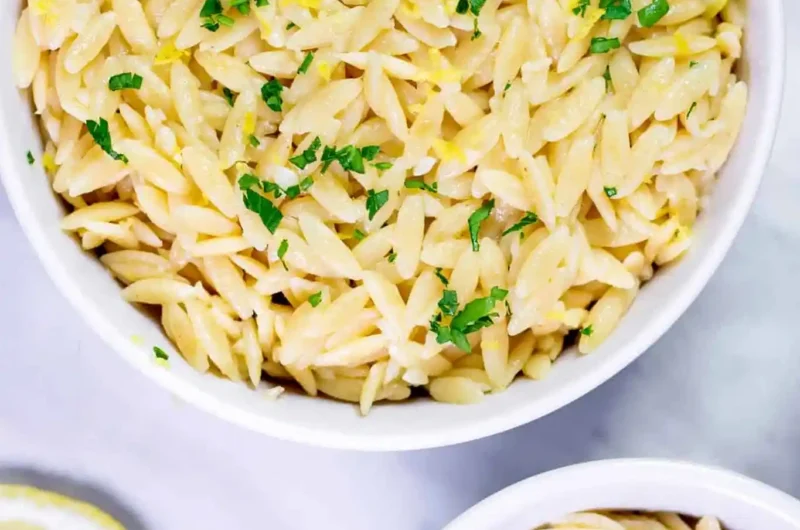
This bright and savory pasta side dish is a quick way to add a fresh element to any meal. It combines the nuttiness of toasted orzo with the sharpness of parmesan and citrus notes.
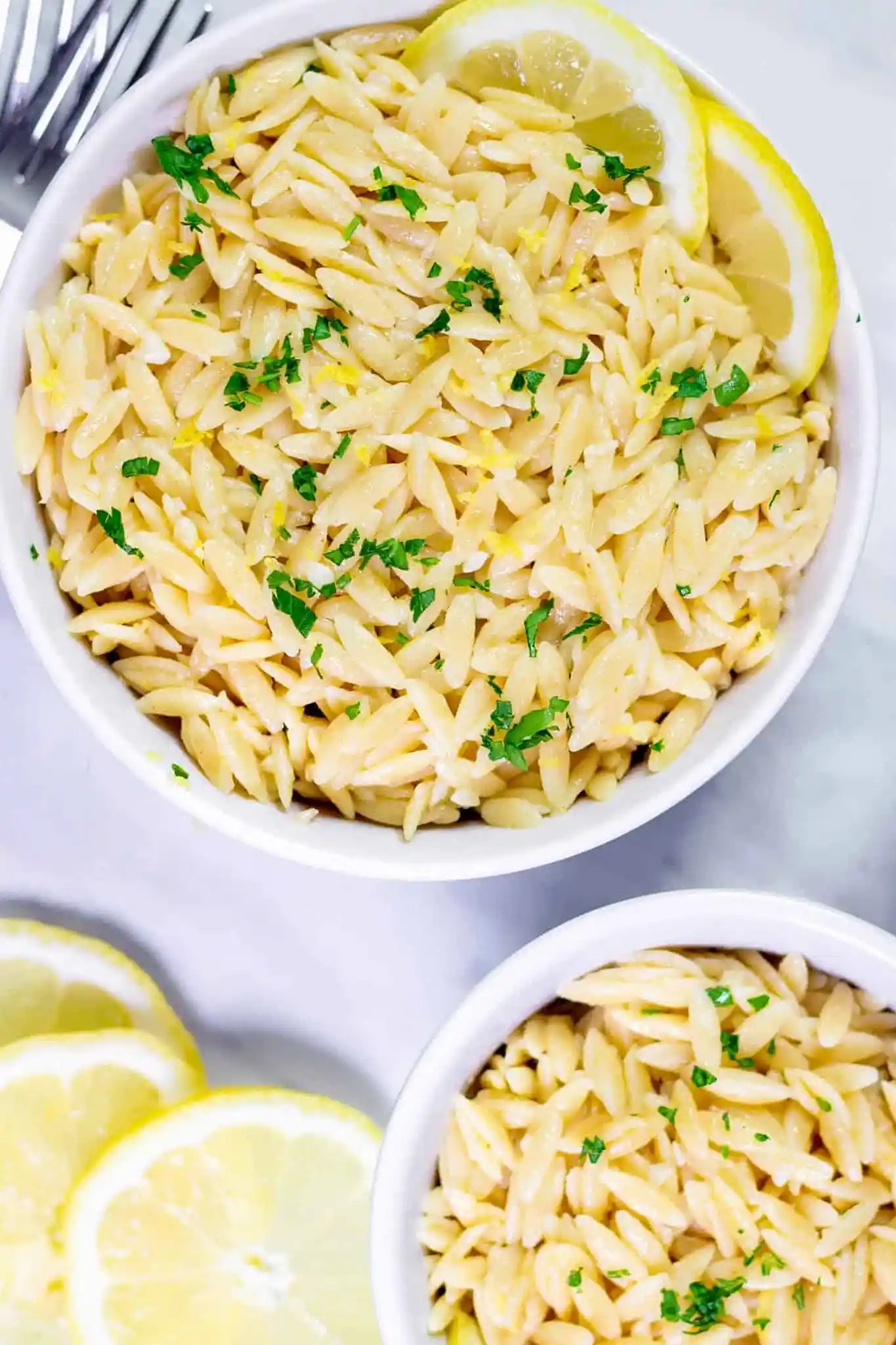
List of ingredients
- 1 cup orzo – use a high-quality dried pasta.
- 2 tablespoons butter – provides a rich base for toasting.
- 2 cloves garlic – minced finely for even distribution.
- 2 cups water or chicken broth – broth adds more depth of flavor.
- 3 tablespoons lemon juice – fresh squeezed from about one lemon.
- Zest of 1 lemon – ensures a concentrated citrus aroma.
- 1/4 cup parmesan cheese – shaved or grated for melting.
- 2 tablespoons parsley – chopped fresh for a colorful garnish.
step-by-step instructions
- Sauté the base: Heat butter in a saucepan over medium heat. Add orzo and cook for 3-5 minutes, stirring occasionally until the grains are browned.
- Add aromatics: Stir in the minced garlic and cook for one additional minute until fragrant, ensuring the garlic does not burn.
- Simmer: Pour in the water or chicken broth. Cover the pan with a lid and cook for 20-25 minutes or until the orzo is tender and liquid is absorbed.
- Finish and garnish: Fluff the cooked orzo with a fork. Stir in the parmesan cheese, lemon juice, and lemon zest. Sprinkle with chopped parsley before serving.
Professional Cooking Tips
Toast Orzo for Depth
Browning the orzo in butter before adding liquid creates a nutty flavor profile. This process prevents the pasta from becoming overly mushy during the simmering phase. Keep the heat at medium to avoid burning the butter.
Manage Garlic Timing
Add the garlic only after the orzo has browned. Garlic burns quickly at high temperatures, which can create a bitter taste in the final dish. One minute of sautéing is usually sufficient to release the aromatic oils.
Monitor Liquid Absorption
Ensure the saucepan is tightly covered to trap steam. This allows the orzo to cook evenly without the liquid evaporating too quickly. If the liquid is gone but the pasta is still hard, add a small amount of water.
Use Fresh Citrus
Avoid bottled lemon juice for this recipe. Freshly squeezed juice and zest provide a vibrant acidity that cannot be replicated by processed alternatives. Zest the lemon before juicing it for easier handling.
Ingredient Substitutions
Broth Alternatives
If chicken broth is unavailable, vegetable broth is an excellent substitute that maintains the savory profile. Water can be used, but you may need to add a pinch of extra salt to compensate for the lack of seasoning. Low-sodium versions are recommended to control the salt levels.
Cheese Variations
While parmesan is traditional, Pecorino Romano offers a saltier and sharper alternative. Grana Padano is a milder option that blends smoothly into the pasta. Ensure the cheese is finely grated to prevent clumping during the final stir.
Butter Replacements
Unsalted butter is preferred to control sodium, but salted butter works if you reduce additional salt. For a different flavor, olive oil can be used to toast the orzo, though the taste will be less creamy. Use a high-smoke point oil if using high heat.
Citrus Swaps
Lime juice and zest can be substituted for lemon to create a slightly different, more tropical flavor profile. This pairs particularly well if you are serving the orzo with seafood. Keep the proportions the same as listed in the recipe.
Customization and Variations
Incorporate Green Vegetables
Stir in two cups of fresh baby spinach during the final minute of cooking. The residual heat will wilt the spinach without overcooking it. Frozen peas can also be added during the last five minutes of simmering.
Adding Protein Mix-ins
Mix in grilled shrimp or diced grilled chicken once the orzo is cooked. This transforms the side dish into a complete meal. Ensure the protein is already cooked and seasoned before adding it to the pan.
Using Different Herbs
While parsley is the standard garnish, fresh dill or basil provide a Mediterranean twist. Dill pairs exceptionally well with the lemon and parmesan flavors. Chop the herbs finely and fold them in at the very end.
Creating a Creamier Texture
Add a tablespoon of heavy cream or a dollop of cream cheese along with the parmesan. This creates a rich, velvety sauce that coats the orzo grains. Stir over low heat to ensure the dairy does not separate.
Serving and Pairing Ideas
Pairing with Poultry
This lemon orzo is a classic accompaniment to lemon-garlic roasted chicken. The acidity of the pasta cuts through the richness of the meat. It also works well with grilled turkey breasts for a lighter meal.
Serving with Seafood
Pair the dish with pan-seared salmon or butter-poached shrimp. The citrus notes enhance the natural flavor of the fish. Serve the seafood directly on top of a bed of fluffy orzo.
Using as a Grain Bowl Base
Use the cooked orzo as a base for a healthy bowl. Top it with roasted chickpeas, diced cucumbers, cherry tomatoes, and a drizzle of tahini. This creates a filling, nutrient-dense lunch option.
Cold Pasta Salad Variation
Allow the orzo to cool completely and toss it with extra lemon juice and olive oil. Add diced red onions and feta cheese for a cold salad. This is an ideal choice for picnics or meal prep.
Storage and Preservation
Refrigerator Storage
Store leftover orzo in an airtight container in the refrigerator for up to four days. The starches will cause the pasta to clump together as it cools. This is normal and can be corrected during reheating.
Air-Tight Containers
Use glass containers with locking lids to prevent the pasta from absorbing odors from other foods. Ensure the container is not overfilled to allow for even cooling. Store the parsley garnish separately to keep it fresh.
Freezing Guidelines
Orzo is generally not recommended for freezing as the texture can become grainy. If you must freeze it, do so in small portions. Thaw in the refrigerator overnight before reheating on the stovetop.
Reheating Guidelines
Microwave Method
Place a portion of orzo in a microwave-safe bowl. Add one tablespoon of water or broth per cup of pasta to restore moisture. Heat in short bursts, stirring in between, until warmed through.
Stovetop Method
Place the leftovers in a small saucepan over low heat. Add a splash of water or chicken broth and stir constantly. This method provides a more consistent temperature and better texture than the microwave.
Preventing Clumping
The addition of liquid is the most important step when reheating. Because orzo is high in starch, it absorbs moisture during storage. A small amount of liquid loosens the grains and restores the creamy consistency.
Make-Ahead Advice
Prepping Aromatics
Mince the garlic and chop the parsley several hours in advance. Store them in small containers in the fridge. This reduces the active prep time when you are ready to start the stove.
Zesting and Juicing
Zest and juice the lemon ahead of time and store the liquids in a small jar. Keep the zest and juice together to maintain the flavor profile. Use a tight lid to prevent the citrus from drying out.
Batch Cooking
Cook a double batch of the toasted and simmered orzo. Before adding the cheese and lemon, divide the pasta into portions. Add the final flavorings only when you are ready to serve for the best taste.
Troubleshooting Common Issues
Correcting Mushy Texture
If the orzo becomes too soft, you may have used too much liquid or simmered it for too long. To fix this, stir in a bit more parmesan cheese to thicken the sauce. Next time, check the pasta two minutes before the timer ends.
Fixing Undercooked Grains
If the orzo is still hard after the designated time, add a quarter cup of broth. Replace the lid and simmer for another three to five minutes. Stir occasionally to ensure the grains do not stick to the bottom.
Adjusting Dry Pasta
If the final result seems too dry, stir in a tablespoon of butter or a splash of warm broth. This will emulsify with the parmesan to create a smoother sauce. Avoid adding cold water, as it can break the emulsion.
Balancing Overpowering Lemon
If the lemon flavor is too strong, add a small amount of extra butter or a pinch of sugar. The fat in the butter helps neutralize the sharp acidity. You can also stir in more parmesan to add a savory counter-note.
Frequently Asked Questions
Can I use brown orzo instead of white?
Yes, you can use whole-grain or brown orzo. Note that brown orzo typically requires a longer simmering time and slightly more liquid to reach the desired tenderness.
Is this recipe gluten-free?
No, traditional orzo is made from wheat. To make this gluten-free, substitute the orzo with a gluten-free pasta alternative or cooked quinoa, adjusting the liquid ratio as needed.
What is the best type of parmesan for this?
Freshly grated Parmesan Reggiano is the best choice for a professional flavor. Pre-grated cheeses often contain anti-clumping agents that can prevent the cheese from melting smoothly into the pasta.
How do I zest a lemon without the bitter white part?
Use a microplane or a fine grater. Only grate the bright yellow outer layer of the peel. Stop as soon as you see the white pith, as the pith contains the bitter oils.
Print
Lemon Parmesan Orzo
- Total Time: 25 minutes
- Yield: 4 servings 1x
- Diet: General
Description
This simple Greek side is fresh, easy, and delicious!
Ingredients
- 1 cup orzo
- 2 tablespoons butter
- 2 cloves garlic, minced
- 2 cups water or chicken broth
- 3 tablespoons fresh lemon juice
- Zest of 1 lemon
- 1/4 cup microbial-rennet parmesan cheese, shaved or grated
- 2 tablespoons chopped parsley, garnish
Instructions
- Heat: Heat butter in a saucepan over medium heat.
- Sauté: Add orzo, and cook for 3-5 minutes or until browned. Add garlic, and cook for an additional minute or until garlic is fragrant.
- Simmer: Add water. Cover, and cook for 20-25 minutes or until orzo is cooked.
- Finish: Fluff with a fork. Stir in parmesan cheese, lemon juice, and lemon zest. Garnish with parsley.
Notes
Orzo tends to stick when cooled; when reheating, add a tablespoon of liquid per cup and stir.
- Prep Time: 5 minutes
- Cook Time: 20 minutes
- Category: Side Dish
- Method: Stovetop
- Cuisine: Greek
Nutrition
- Serving Size: 1 serving
- Calories: 219 kcal
- Sugar: 1 g
- Sodium: 160 mg
- Fat: 8 g
- Saturated Fat: 5 g
- Unsaturated Fat: 3 g
- Trans Fat: 0 g
- Carbohydrates: 30 g
- Fiber: 1 g
- Protein: 7 g
- Cholesterol: 19 mg
Keywords: lemon parmesan orzo, Greek side dish, easy orzo