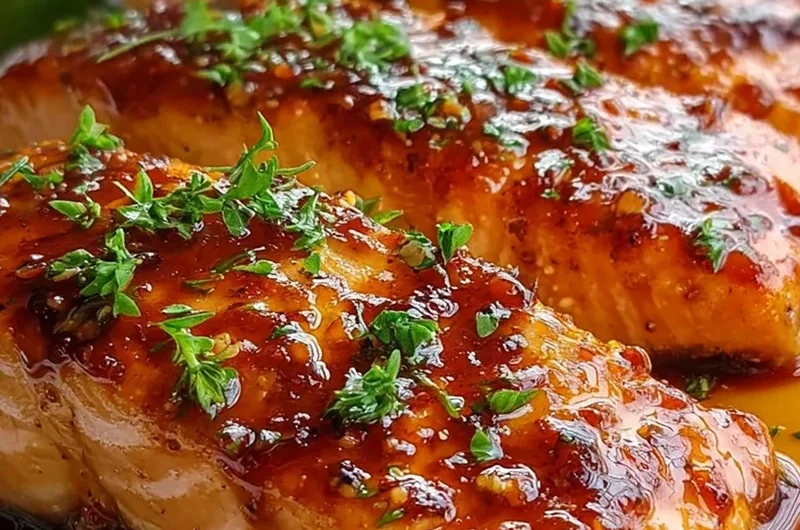
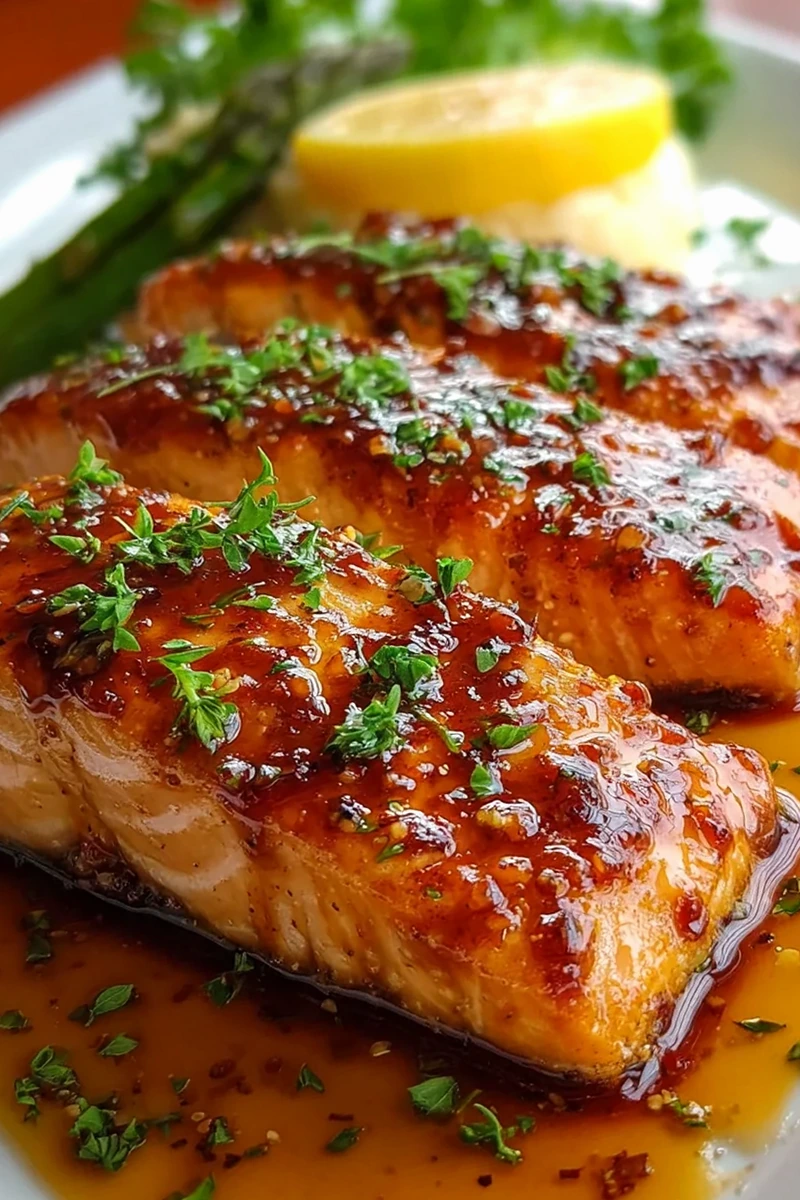
This maple glazed baked salmon offers a perfect harmony of delicate, flaky fish and a bold, caramelized glaze that brings out the natural richness of the fillet. Designed for efficiency, this recipe minimizes prep time while delivering a restaurant-quality finish that works equally well for busy weeknights or quiet dinner gatherings. You will find the balance of sweetness from the syrup and the savory depth of the glaze creates a sophisticated flavor profile that satisfies everyone at the table.
List of ingredients
- 4 salmon fillets
- 2 tbsp maple syrup
- 1 tbsp soy sauce
- 1 tbsp Dijon mustard
- Salt & pepper
step-by-step instructions
- Step: Mix glaze ingredients and brush over salmon.
- Step: Bake at 425°F (220°C) for 12–15 minutes.
Practical cooking methods
Selecting the right salmon thickness
Uniform thickness is the most important factor in achieving consistent results across all four fillets. Try to source center-cut fillets, which are generally thicker and more uniform in shape compared to the thinner tail pieces. If your fillets have a large variation in thickness, you can fold the thinner tail end of the fish under itself to create a uniform thickness that cooks evenly.
Preventing the glaze from burning
The high sugar content in the maple syrup means it can turn from perfectly caramelized to burnt rather quickly at 425°F. If you notice your oven runs hot, keep a close watch during the final three minutes of cooking time. If the edges of the glaze look as though they are darkening too rapidly, you can lightly tent the pan with aluminum foil to protect the edges while the center continues to finish cooking.
Ensuring proper heat circulation
For the best texture, avoid crowding the baking sheet when arranging your salmon fillets. Leave at least two inches of space between each piece of fish to allow hot air to circulate freely around them. This spacing promotes faster, more even cooking and helps the surface of the glaze become sticky and golden rather than steamed and pale.
Substitutions and adjustments
Finding maple syrup alternatives
If you find yourself without maple syrup, you can substitute it with high-quality agave nectar or a dark honey to achieve a similar viscosity. Note that honey has a distinct floral flavor profile compared to the woodsy, rich notes of maple, so you may want to add a tiny splash of apple cider vinegar to the glaze to balance the flavor profile correctly. Avoid using pancake syrups with artificial flavoring, as they will not caramelize effectively.
Managing salt levels
If you prefer a lower-sodium meal, replace the standard soy sauce with a low-sodium tamari or coconut aminos. These alternatives provide the dark color and complex depth needed for the glaze without the high salt content found in traditional soy sauce. When using coconut aminos, you might find the final glaze is slightly sweeter, so adjust your Dijon mustard ratio accordingly to maintain the desired balance.
Serving ideas for a balanced meal
Complementing with roasted vegetables
The sweet and savory profile of the salmon pairs excellently with roasted root vegetables or earthy greens. Consider roasting carrots, parsnips, or asparagus on a separate tray while the salmon is in the oven. Drizzle these vegetables with a light coat of olive oil and herbs to keep the palate clean and refreshing against the rich salmon glaze.
Adding starch for a filling dinner
If you are looking to make this a more substantial meal, serve the glazed fish over a bed of fluffy jasmine rice or nutty farro. These grains act as a perfect canvas, absorbing any excess glaze that might drip off the fillets. A simple side of garlic-sautéed spinach or steamed broccoli also provides a bright, nutritious addition that rounds out the plate without competing with the main dish.
Storage and reheating logistics
Maintaining quality in the refrigerator
Leftover salmon can be stored in an airtight container in the refrigerator for up to three days. To keep the fish from drying out during storage, add a tiny splash of water or broth to the container before sealing it. This creates a humid environment that protects the delicate protein structure of the cold fish.
Reheating without losing moisture
The best way to reheat this dish is in an oven or a toaster oven set to a low temperature, such as 300°F (150°C), rather than using a microwave. Place the fillets on a baking sheet and heat for about 8 to 10 minutes until warmed through. The microwave often results in rubbery, unevenly heated fish because it works by vibrating water molecules, which can easily overcook the protein.
Frequently asked questions
How can I tell if the salmon is fully cooked?
The most reliable indicator is using an instant-read meat thermometer to reach an internal temperature of 145°F at the thickest point of the fish. If you do not have a thermometer, observe the flesh; it should turn from translucent pink to an opaque, light pink shade and flake easily when nudged gently with a dinner fork. Avoid cooking the fish until it is completely dry or brittle, as the residual heat will continue the cooking process for a few minutes after it is removed from the oven.
Can this recipe be prepared ahead of time?
While the salmon should be baked fresh for the best texture, you can absolutely prepare the glaze ingredients in advance. Whisk the maple syrup, soy sauce, and Dijon mustard together and store them in a small jar or sealed container in the refrigerator for up to one week. This makes the evening of your dinner much faster, as the only remaining step is to brush the mixture onto the salmon and set the timer for the oven.
Why did the glaze slide off the salmon while baking?
If the glaze slides off the fish, it is usually because the surface of the salmon was wet when the glaze was applied. Always spend an extra minute drying the fish thoroughly with paper towels before seasoning. If the salmon is still slippery, try brushing on a very thin base layer of glaze first, letting it sit for a minute to become tacky, and then applying a second, thicker layer before sliding it into the oven.
Can I grill this recipe instead of baking it?
You can certainly adapt this method for a grill, though you must be careful with the heat. Because the glaze contains sugar, it will burn rapidly over direct high flames. Grill the salmon over indirect heat for the majority of the cooking time, and only move the fillets over direct heat for the final minute to achieve the desired char. Always ensure the grates are well-oiled before placing the fish down to prevent the delicate skin from sticking.
Is it necessary to remove the skin before baking?
Removing the skin is a matter of personal preference. Keeping the skin on can help the fillets hold their shape better while moving them in and out of the oven, and it acts as an insulating barrier against the heat of the pan. If you prefer to eat the fish without the skin, it is much easier to slide a thin spatula between the flesh and the skin once the salmon is cooked and resting on your serving plate.
Does the type of salmon matter for this glaze?
While any variety of salmon will work, Atlantic salmon or farmed salmon generally has a higher fat content, which keeps it moister during the high-heat roasting process. Wild-caught sockeye or coho salmon are leaner and will cook significantly faster, so you should monitor the oven closely if you choose these varieties. Regardless of the type, ensure the fillets are of consistent size and quality to achieve the best culinary outcome every time.
Print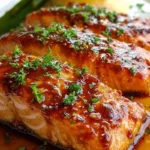
Maple Glazed Baked Salmon
- Total Time: PT20M
- Yield: 4 servings 1x
- Diet: Gluten Free
Description
A deliciously sweet and easy salmon recipe glazed with maple syrup, perfect for a quick dinner.
Ingredients
- 4 salmon fillets
- 2 tbsp maple syrup
- 1 tbsp soy sauce
- 1 tbsp Dijon mustard
- Salt & pepper
Instructions
- Step: Mix glaze ingredients and brush over salmon.
- Step: Bake at 425°F (220°C) for 12–15 minutes.
Notes
Adjust cooking time based on the thickness of the salmon fillets. Serve with your choice of sides for a complete meal.
- Prep Time: PT5M
- Cook Time: PT15M
- Category: Dinner
- Method: Baking
- Cuisine: American
Nutrition
- Serving Size: 1 fillet
- Calories: 420 kcal
- Sugar: 11g
- Sodium: 400mg
- Fat: 24g
- Saturated Fat: 4g
- Unsaturated Fat: 5g
- Trans Fat: 0g
- Carbohydrates: 10g
- Fiber: 0g
- Protein: 40g
- Cholesterol: 100mg
Keywords: salmon, maple glazed, healthy dinner, easy recipe, oven baked