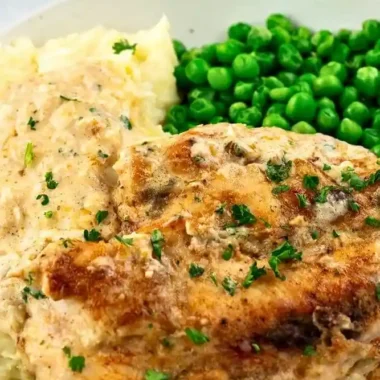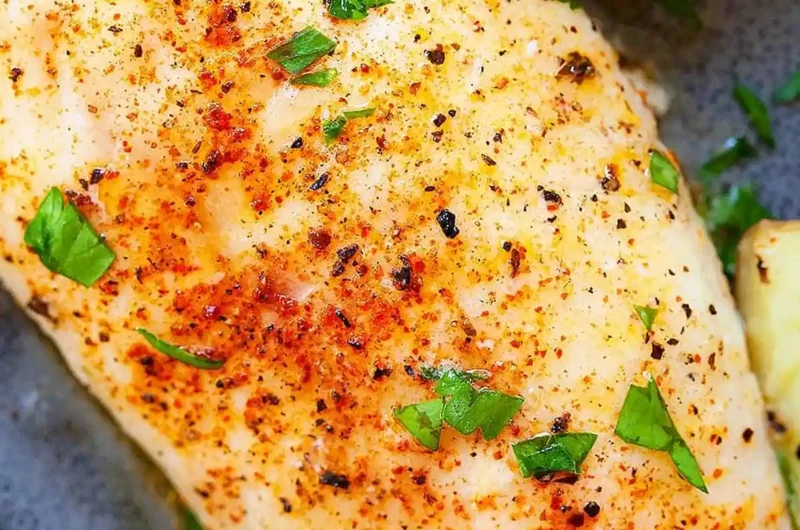
This simple oven-baked cod recipe delivers tender and juicy results in under 20 minutes. It uses a few basic pantry staples to enhance the mild flavor of the fish without overpowering it.
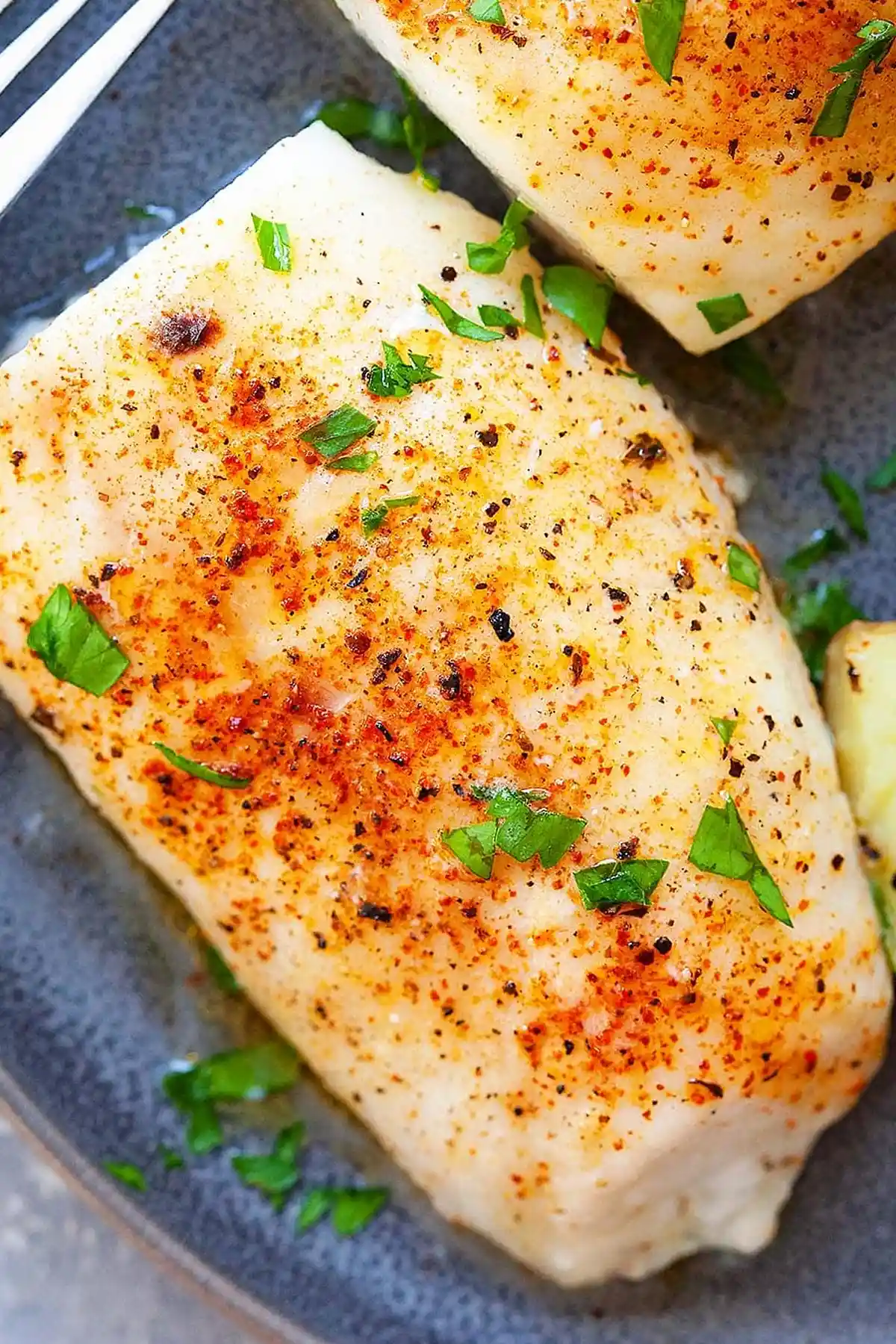
List of ingredients
- 1 lb cod fillets or cod loins – rinsed and patted dry for best results.
- 1/4 teaspoon salt – to enhance the natural flavor.
- 1 tablespoon freshly squeezed lemon juice – adds a bright, acidic note.
- 3 dashes cayenne pepper – provides a subtle hint of heat.
- 1 1/2 tablespoons olive oil or extra virgin olive oil – helps retain moisture during baking.
- 1 tablespoon chopped parsley – used as a fresh garnish.
step-by-step instructions
- Prepare Oven: Preheat your oven to 400°F (205°C).
- Arrange Fish: Place the prepared cod fillets on a baking tray.
- Season: Drizzle olive oil over the fillets, then apply the lemon juice, salt, and cayenne pepper.
- Bake: Place the tray in the oven and bake for 10 to 12 minutes, adjusting for the thickness of the fillets.
- Finish: Garnish the cooked fish with chopped parsley and serve immediately.
Critical Preparation Secrets
Thawing Frozen Fillets Safely
The most effective way to thaw frozen cod is to leave it in the refrigerator overnight. This gradual process preserves the flaky texture and prevents the fish from becoming mushy. If you are in a rush, seal the fish in a waterproof bag and submerge it in a bowl of cold water for 30 to 45 minutes.
The Importance of Patting Fish Dry
Always use paper towels to pat the cod fillets until they are completely dry before seasoning. Surface moisture turns into steam in the oven, which can lead to a soggy bottom and a boiled texture. Ensuring the fish is bone-dry allows the oil to adhere better and promotes a cleaner roast.
Selecting the Right Baking Pan
A glass baking tray is recommended because it retains heat more efficiently and distributes it evenly across the fillets. For easier cleanup and extra moisture retention, you can line the tray with aluminum foil. This helps trap a small amount of steam to keep the fish succulent.
Techniques for Perfect Texture
Identifying the Albumin Warning Sign
Albumin is the white, cloudy protein that sometimes leaks out of fish during the cooking process. A small amount is normal and indicates the fish is nearly done. However, a thick coating of white protein suggests the fish is overcooking, as the muscle fibers are contracting too tightly and pushing out moisture.
Performing the Fork Twist Test
If you do not have a meat thermometer, use a fork to gently twist the thickest part of the fillet. Perfectly cooked cod should separate into large, moist flakes with minimal pressure. If the flesh feels jelly-like or sticks together, it needs one more minute of cooking.
Observing Flake Color for Doneness
The ideal color for cooked cod is an opaque, shimmering white. If the center of the fillet looks dull, flat, or chalky, the fish has been overcooked. Remove the tray as soon as the edges are opaque, as residual heat will finish the center while the fish rests.
Managing Oven Temperature for Moisture
Baking at a high temperature like 400°F for a shorter duration is better than low-and-slow cooking for lean fish. This approach sears the outside quickly to lock in the internal juices. Avoid extending the bake time beyond 12 minutes unless the fillets are exceptionally thick.
Ingredient Substitutions and Swaps
Alternative White Fish Options
If cod is unavailable, haddock, pollock, and flounder are excellent substitutes. These fish share a similar mild flavor and flaky texture, making them interchangeable in this recipe. Ensure you adjust the baking time slightly based on the thickness of the substitute fillet.
Choosing Different Cooking Oils
While extra virgin olive oil provides a fruity nuance, you can use avocado oil or coconut oil for a different flavor profile. Ghee or clarified butter is also a great option for added richness. The primary goal is to create a fat barrier that prevents the lean fish from drying out.
Substituting the Heat Element
If you do not have cayenne pepper, smoked paprika is a suitable alternative that provides a woody depth and mild warmth. For those who prefer no heat at all, a pinch of white pepper or extra lemon zest can add complexity. Adjust the amount based on your personal spice tolerance.
Flavor Enhancements and Variations
Adding Mediterranean Accents
You can elevate the flavor profile by adding minced garlic, sliced Kalamata olives, or capers to the tray. Cherry tomatoes halved and placed around the fish add a burst of sweetness and color. These ingredients bake alongside the cod, creating a built-in sauce.
Trying the Shallow Poaching Method
For a restaurant-style finish, start the fish on the stovetop with oil and finish it in the oven. This method combines moist and dry heat, ensuring the fish is cooked through while remaining incredibly tender. Use a pan that can safely transition from the burner to the oven.
Exploring Pan-Frying Techniques
Pan-frying cod in melted unsalted butter allows you to achieve a golden-brown crust. Ensure both sides are cooked evenly over medium heat before topping the fish with a lemon-butter sauce. This method is faster than baking but requires more active attention to prevent burning.
Using Traditional Steaming
Steaming is a gentle technique that highlights the natural, delicate flavor of the cod. Place the fish in a steamer basket and steam until opaque. Finish the dish with a splash of soy sauce and chopped scallions for a light, aromatic meal.
Serving and Pairing Suggestions
Best Starchy Side Dishes
Boiled new potatoes with parsley or a side of fluffy quinoa complement the mildness of the cod. Roasted fingerling potatoes provide a nice textural contrast to the soft fish. For a lower-carb option, cauliflower mash is an excellent pairing.
Nutritious Vegetable Pairings
Sautéed asparagus, garlic broccoli, or sautéed spinach provide essential nutrients and a vibrant color to the plate. Roasted zucchini with a sprinkle of parmesan cheese also pairs well with the lemon notes of the fish. Keep the vegetables simple to let the cod remain the star.
Fresh Salad Combinations
A crisp garden salad with a light vinaigrette cuts through the richness of the olive oil. A cucumber and tomato salad with red onion and lemon juice mirrors the seasonings used on the fish. Fresh arugula with a squeeze of lemon is another quick and healthy choice.
Storage and Reheating Guide
Proper Refrigeration Methods
Store leftover baked cod in an airtight container in the refrigerator for up to three days. Allow the fish to cool completely before sealing the container to prevent excess moisture buildup. Keep it in the coldest part of the fridge to maintain freshness.
Freezing Cooked Cod Fillets
Cooked cod can be frozen by wrapping it tightly in plastic wrap or foil and placing it in a freezer-safe bag. Ensure there is as little air as possible in the packaging to prevent freezer burn. Label the bag with the date for easy tracking.
Reheating Without Drying Out
The best way to reheat cod is in a 350°F (175°C) oven or an air fryer for 6 to 8 minutes. Loosely cover the fish with foil to trap moisture and prevent the edges from hardening. If using a microwave, add a splash of water and cover the fish with a damp paper towel.
Troubleshooting Common Issues
Preventing a Soggy Bottom
If your fish often turns out watery, revisit the bone-dry rule. Ensure the fillets are patted thoroughly with paper towels before any oil or seasoning is applied. Avoid overcrowding the baking tray, as this can cause the fish to steam rather than roast.
Avoiding Rubbery Texture
Rubbery fish is almost always a result of overcooking. Use the fork twist test and watch for albumin beads to determine the exact moment to remove the fish from the oven. Remember that the fish will continue to cook for a minute after being removed from the heat.
Fixing Overcooked Fish
Once fish has become dry and chalky, it cannot be reversed, but you can improve the eating experience with a sauce. A drizzle of melted butter, a squeeze of fresh lemon, or a dollop of tartar sauce can add necessary moisture. Serve it immediately while it is still warm.
Frequently Asked Questions
Does cod have a strong fishy flavor?
No, cod is known for having a very mild, delicate flavor. Because it is a low-activity saltwater fish with low oil content, it does not possess the strong fishy taste found in some other species.
Is baked cod healthy?
Yes, baked cod is highly nutritious as it is low in fat and high in lean protein. It provides essential vitamins such as B12, B6, and B3, and generally contains lower levels of mercury than larger predatory fish.
What is the ideal baking temperature for cod?
The optimal temperature is 400°F (205°C). This high heat allows the fish to cook quickly, which helps maintain tenderness and prevents the lean flesh from drying out.
Can I bake cod in foil?
Yes, baking in foil is a great way to lock in moisture and flavor. Simply season the fish and wrap it securely in a foil packet before placing it in the oven; this creates a steaming effect that ensures juiciness.
Print
Moist Oven Baked Cod
- Total Time: 15 minutes
- Yield: 2 servings 1x
- Diet: Keto, Gluten-free
Description
Perfectly baked cod in minutes! This easy recipe with lemon, olive oil, salt, and cayenne pepper is one of the best oven-baked cod recipes you’ll find, ensuring the fish is moist, juicy and tender every time.
Ingredients
- 1 lb cod fillets (or cod loins, rinsed and pat dry)
- 1/4 teaspoon salt
- 1 tablespoon lemon juice (freshly squeezed)
- 3 dashes cayenne pepper
- 1 1/2 tablespoons olive oil (or extra virgin olive oil)
- 1 tablespoon chopped parsley
Instructions
- Step 1: Preheat oven to 400°F (205°C). Arrange the cod fillets in a baking tray. Drizzle olive oil onto the fish, followed by lemon juice, salt, and cayenne pepper.
- Step 2: Bake the cod in the oven for 10 – 12 minutes, depending on the thickness of the cod. Garnish with parsley and serve immediately.
Notes
Thaw frozen fish completely in the fridge overnight. Pat dry the fillets with a paper towel to remove excess moisture. For best results, use a glass baking tray and cover with aluminum foil to lock in moisture.
- Prep Time: 5 minutes
- Cook Time: 10 minutes
- Category: Fish
- Method: Oven baked
- Cuisine: American
Nutrition
- Serving Size: 1 fillet
- Calories: 286 kcal
- Sugar: 0.4 g
- Sodium: 415 mg
- Fat: 12 g
- Saturated Fat: 2 g
- Unsaturated Fat: 10 g
- Trans Fat: 0 g
- Carbohydrates: 1 g
- Fiber: 1 g
- Protein: 41 g
- Cholesterol: 98 mg
Keywords: baked cod, lemon baked cod, healthy fish recipe, keto, gluten-free, oven baked fish