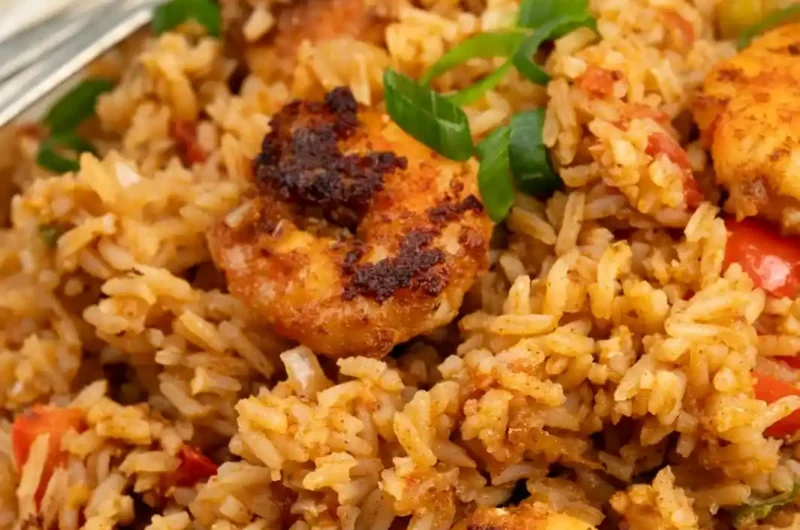
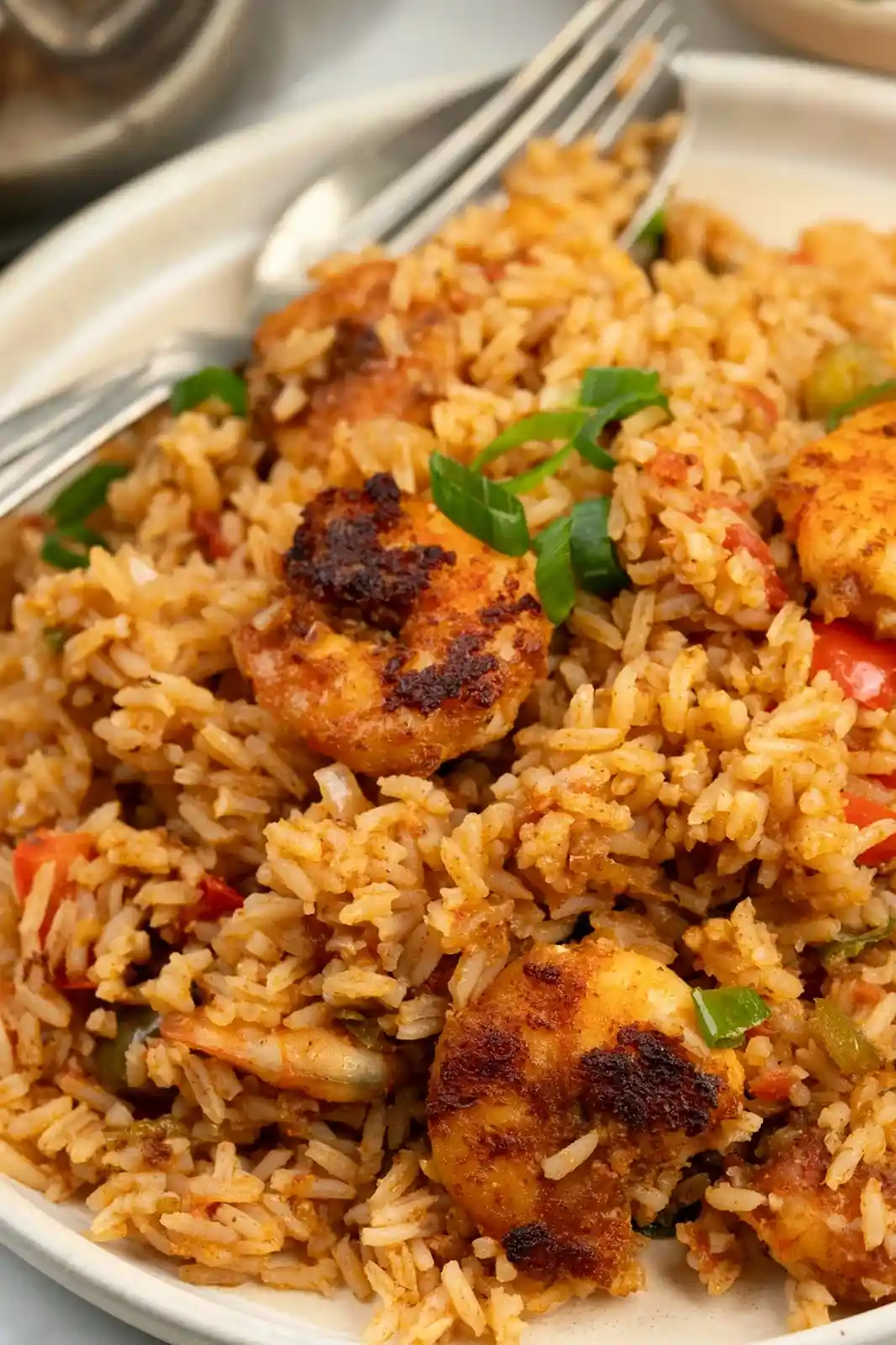
This Cajun shrimp and rice is a flavor-packed one-pot meal perfect for busy weeknights. It combines succulent shrimp with aromatic vegetables and perfectly seasoned rice for a satisfying dinner.
List of ingredients
- 500 grams Medium Shrimp (1 pound) – cleaned and deveined for ease of eating.
- 1+1/4 cups Long grain White rice – ensures light and fluffy grains.
- 2-3 tablespoon Cajun Spice mix – provides the core smoky and spicy flavor.
- 2 tablespoon Oil / Butter – used for searing shrimp and sautéing aromatics.
- 1 large onion – finely chopped to create a flavor base.
- 1 tbsp Minced garlic – adds depth and aromatic punch.
- 2-3 Medium ripe tomatoes (about 1 cup) – adds acidity to balance the spice.
- 1 cup bell pepper – diced for color and sweetness.
- 2.5 cups chicken stock – provides the cooking liquid and savory base.
- Salt to taste – adjust based on the saltiness of your spice mix.
step-by-step instructions
- Season the Shrimp: Pat the cleaned shrimp dry with paper towels to ensure a good sear. Toss them with one tablespoon of Cajun seasoning until evenly coated.
- Sear the Shrimp: Heat one tablespoon of oil or butter in a pan over medium-high heat. Arrange the seasoned shrimp in a single layer and cook for no more than 2 minutes per side. Remove the shrimp from the pan and set them aside to avoid overcooking.
- Sauté Aromatics: Add the remaining butter or oil to the same pan. Stir in the chopped onions and minced garlic, cooking until the onions are soft and translucent.
- Toast the Rice: Add the white rice to the pan. Stir constantly over low-medium heat for about 2 minutes until the grains look slightly toasty.
- Integrate Vegetables: Add the diced bell pepper, chopped tomatoes, and the remaining Cajun seasoning. Mix everything thoroughly to coat the rice and vegetables in spice.
- Simmer the Rice: Pour in the warm chicken stock and check the seasoning, adding salt if needed. Cover the pan with a tight lid and cook until the rice is approximately 3/4 cooked.
- Combine and Finish: Stir the seared shrimp back into the pan. Cover and continue cooking on a low flame for another 5-6 minutes until the rice is fully tender.
- Rest and Fluff: Turn off the heat and let the pan rest, covered, for 10 minutes. Use a fork to gently separate the rice grains without mashing them.
- Final Touch: Garnish the dish with fresh cilantro or parsley before serving.
Essential Ingredient Selection
Choosing the Best Rice for Texture
Long grain white rice is recommended because it contains less starch than short grain varieties, which prevents the dish from becoming sticky. Basmati rice is also an excellent alternative as it stays separate and fluffy. Avoid brown rice for this specific method as its longer cooking time will overcook the shrimp.
Selecting the Ideal Shrimp Size
Medium shrimp are the best choice for one-pot rice dishes because they cook evenly and distribute well throughout the pan. Large shrimp may require more space and can overcook quickly if not monitored. Always ensure they are deveined to ensure a professional texture and clean taste.
Controlling the Heat in Cajun Seasoning
If you are sensitive to spice, you can create a homemade mix using smoked paprika, garlic powder, onion powder, and a small pinch of cayenne. Store-bought mixes vary wildly in salt content, so always taste your stock before adding extra salt. Reducing the cayenne while increasing the paprika maintains the color and smokiness without excessive heat.
The Role of Fresh Tomatoes
Ripe tomatoes provide a necessary acidic component that cuts through the richness of the butter and the intensity of the spices. They break down during the simmering process to create a light sauce that coats the rice. If fresh tomatoes are unavailable, canned diced tomatoes are a practical and effective substitute.
Technical Cooking Tips for Success
The Importance of Patting Shrimp Dry
Moisture on the surface of the shrimp creates steam instead of a sear when they hit the pan. By patting them dry with paper towels, you ensure the Cajun seasoning adheres better and the shrimp develop a golden-brown crust. This step is crucial for locking in the juices and adding depth to the final flavor.
The Science of Toasting Rice
Toasting the rice in oil or butter before adding liquid seals the surface of the grain. This process prevents the rice from releasing too much starch, which is what usually causes clumping or mushiness. The nutty aroma developed during toasting adds an extra layer of flavor to the finished meal.
Using Warm Stock for Consistent Heat
Adding cold stock to a hot pan drops the temperature significantly, which can lead to uneven cooking of the rice grains. Warming the chicken stock beforehand ensures the simmering process begins immediately. This consistency helps the rice cook uniformly from the bottom to the top of the pan.
Preventing Rubbery Shrimp
Shrimp cook very quickly and become rubbery if exposed to heat for too long. Searing them first and removing them from the pan ensures they are not boiled along with the rice. Adding them back only for the final few minutes of steaming allows them to heat through while remaining tender.
The Necessity of the Final Resting Period
Allowing the pan to rest for 10 minutes after the heat is turned off allows the remaining steam to redistribute. This ensures that the top layer of rice is as tender as the bottom layer. It also allows the grains to firm up slightly, making it easier to fluff them with a fork without breaking them.
Flavor Customization and Variations
Creating the Cajun Holy Trinity
To make the flavor more authentic, add diced celery along with the onions and bell peppers. These three vegetables together form the ‘Holy Trinity’ of Cajun and Creole cooking. Sauté the celery at the same time as the onions to ensure it softens completely.
Using Vegetable Broth for Dietary Needs
If you prefer a meat-free base, replace the chicken stock with a high-quality vegetable broth. Ensure the broth is low-sodium to maintain control over the overall salt levels. This substitution does not alter the cooking time or the texture of the rice.
Adjusting Spice Levels for Different Palates
For those who prefer a milder flavor, swap a portion of the Cajun seasoning for smoked paprika. If you want more heat, add a dash of hot sauce or a pinch of crushed red pepper flakes during the vegetable sauté phase. This allows the heat to infuse into the oil and permeate the entire dish.
Adding Complementary Vegetables
Frozen peas or corn can be stirred in during the final 5 minutes of cooking for added color and sweetness. Diced carrots can be added with the onions for more nutritional value and a subtle earthiness. Keep additional vegetable quantities moderate to avoid altering the rice-to-liquid ratio.
Serving and Presentation Ideas
Pairing with Fresh Citrus
Squeezing fresh lemon or lime juice over the dish just before serving brightens the heavy spices. The acidity of the citrus highlights the sweetness of the shrimp and the richness of the butter. This is a simple way to elevate the flavor profile from a home meal to a restaurant-style dish.
Serving with Steamed Seasonal Greens
This dish is quite rich, so it pairs well with light, bitter greens. Steamed kale, sautéed spinach, or roasted asparagus provide a fresh contrast to the spicy rice. A side of sliced avocado can also add a creamy texture that balances the heat of the Cajun spices.
Garnish Options for Visual Appeal
Freshly chopped parsley or cilantro adds a pop of green that contrasts beautifully with the orange-red hue of the rice. A sprinkle of sliced green onions provides a mild bite and a professional finish. For extra indulgence, a small dollop of sour cream or Greek yogurt on the side can cool the palate.
Storage and Reheating Methods
Proper Refrigeration Techniques
Allow the leftover rice and shrimp to cool completely before transferring them to an airtight container. This prevents excess condensation from forming, which can make the rice mushy upon reheating. Store the dish in the refrigerator for up to three days.
Reheating to Maintain Moisture
Rice tends to dry out in the refrigerator as the grains absorb remaining moisture. When reheating in a microwave, add a tablespoon of water or chicken broth and cover the dish with a damp paper towel. Heat in short bursts, stirring in between, to ensure the shrimp do not overcook again.
Freezing Guidelines for Meal Prep
While rice can be frozen, the texture of the shrimp may change slightly. If freezing, portion the meal into individual containers and freeze quickly. Thaw in the refrigerator overnight before reheating on the stove with a splash of water over low heat.
Common Cooking Troubleshooting
Fixing Mushy Rice Texture
Mushy rice usually occurs due to too much liquid or excessive stirring during the simmering phase. If the rice is too wet, continue cooking uncovered for a few minutes to allow the excess moisture to evaporate. In the future, ensure the lid is tight to prevent steam loss and avoid stirring until the very end.
Resolving Undercooked Rice Grains
If the rice is still hard after the cooking time, add 1/4 cup of warm stock. Cover the pan tightly and cook on the lowest possible heat for another 5 minutes. The remaining steam will penetrate the core of the grains without burning the bottom of the pan.
Balancing Excessive Saltiness
If the dish tastes too salty due to the store-bought seasoning or stock, add a squeeze of lemon juice or a teaspoon of sugar. The acid or sweetness helps neutralize the perception of salt. Adding a side of unsalted steamed vegetables can also balance the overall meal.
Dealing with Burnt Toasted Rice
If the rice browns too quickly during the toasting phase, remove the pan from the heat immediately. If the bottom is slightly charred, carefully transfer the top layer of rice and shrimp to a new bowl, leaving the burnt layer behind. To prevent this, keep the heat at a steady low-medium and stir constantly.
Frequently Asked Questions
Can I use Basmati rice instead of long grain white rice?
Yes, Basmati rice works very well in this recipe. It provides a similar fluffy texture and aromatic quality. You may need to adjust the stock slightly, as Basmati sometimes requires slightly less liquid than standard long grain white rice.
How do I thaw frozen shrimp quickly and safely?
Place the frozen shrimp in a sealed plastic bag and submerge the bag in a bowl of cold water. Change the water every 30 minutes until thawed. Avoid using warm water, as this can compromise the texture of the shrimp and increase the risk of bacterial growth.
Can this recipe be made in a slow cooker?
This specific recipe is designed for a skillet to allow for searing and toasting. While you can cook rice and shrimp in a slow cooker, you will lose the toasted flavor of the rice and the sear on the shrimp. For the best results, stick to the stovetop method.
What is the best substitute for Cajun seasoning?
You can substitute Cajun seasoning with a mix of paprika, garlic powder, onion powder, dried oregano, and a pinch of cayenne pepper. This allows you to control the salt and heat levels precisely to suit your preference.
Print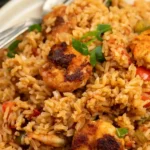
One-Pot Cajun Shrimp and Rice
- Total Time: 40 minutes
- Yield: 4 servings 1x
- Diet: General
Description
Cajun shrimp and rice is a one pot dinner which is delicious and packed with flavour.
Ingredients
- 500 grams medium shrimp, cleaned and deveined
- 1 1/4 cups long grain white rice
- 2–3 tablespoons Cajun spice mix
- 2 tablespoons oil or butter
- 1 large onion, chopped
- 1 tablespoon minced garlic
- 2–3 medium ripe tomatoes, chopped
- 1 cup bell pepper, diced
- 2.5 cups chicken stock
- Salt to taste
Instructions
- Step 1: Pat dry the cleaned shrimp well and toss with a tablespoon of Cajun seasoning.
- Step 2: Heat 1 tablespoon oil/butter in a pan, arrange seasoned shrimps in a single layer, and cook on medium-high heat for not more than 2 minutes on each side; remove from pan and keep aside.
- Step 3: Add remaining butter and oil to the same pan, add chopped onions and minced garlic, and cook until onion is softened.
- Step 4: Add rice to the pan and toast on low-medium heat for 2 minutes, stirring in between.
- Step 5: Add chopped red bell pepper, tomato, and remaining Cajun seasoning, and mix well.
- Step 6: Add warm stock, adjust salt if required, cover, and cook until the rice is 3/4 cooked.
- Step 7: Stir in shrimp, cover, and let it cook another 5-6 minutes on low flame or until the rice is cooked through.
- Step 8: Let it rest for 10 minutes before opening the lid, then use a fork to gently separate the rice grains.
- Step 9: Garnish with fresh cilantro or parsley.
Notes
Use warm stock to help rice grains stay separate. Adjust salt based on the sodium content of your Cajun seasoning and stock.
- Prep Time: 10 minutes
- Cook Time: 30 minutes
- Category: Main Course
- Method: One-pot
- Cuisine: American
Nutrition
- Serving Size: 1 serving
- Calories: 725 kcal
- Sugar: 7 g
- Sodium: 376 mg
- Fat: 11 g
- Saturated Fat: 1 g
- Unsaturated Fat: 10 g
- Trans Fat: 0.03 g
- Carbohydrates: 116 g
- Fiber: 4 g
- Protein: 39 g
- Cholesterol: 206 mg
Keywords: Cajun shrimp and rice, one pot meal, spicy shrimp, American cuisine, dinner