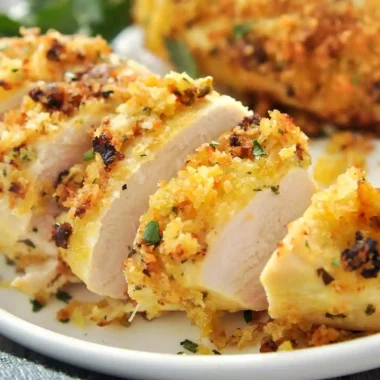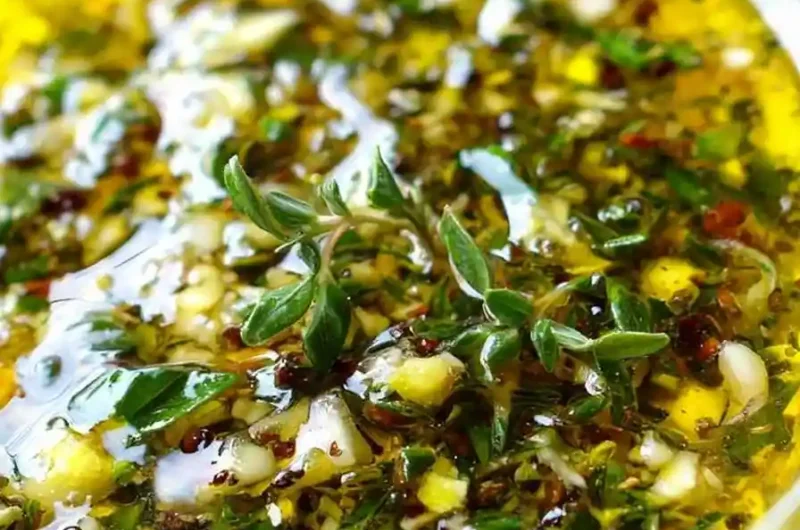
This zesty marinade delivers traditional Mediterranean flavors using simple pantry staples. It is designed to tenderize chicken quickly while adding a bright, herbal profile perfect for grilling.
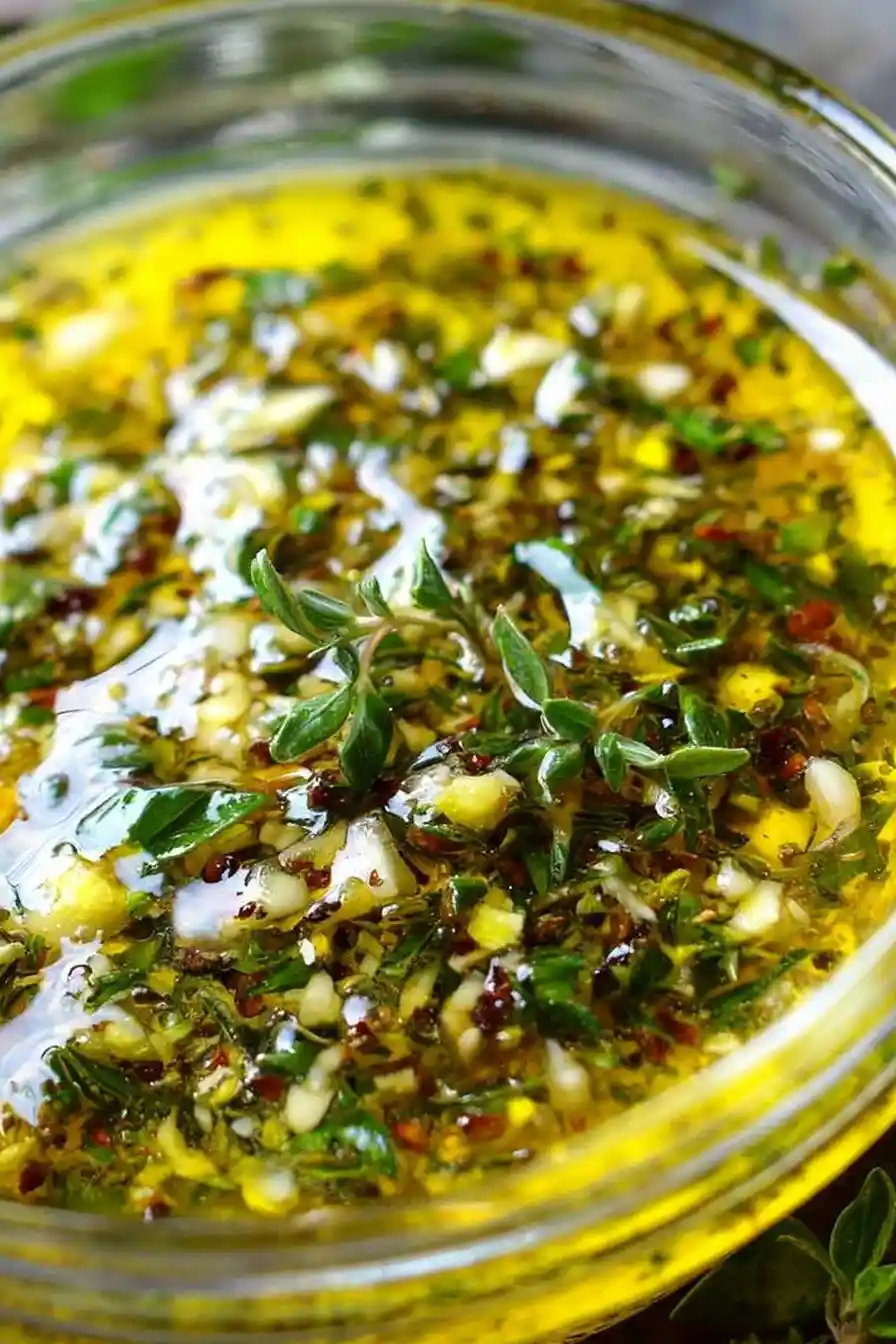
List of ingredients
- 1/4 cup extra virgin olive oil – provides a rich base and prevents sticking.
- Juice of 2 lemons (about 6 tbsp) – adds essential acidity for tenderizing.
- Zest of 1 lemon – contains aromatic oils for deep citrus flavor.
- 3 garlic cloves, minced – adds a pungent, savory depth.
- 1 tbsp dried oregano – preferably Greek oregano for an authentic herbal taste.
- 1 tsp kosher salt – enhances all other flavors in the mix.
- 1/2 tsp black pepper – provides a subtle, warm spice.
- 1 tbsp apple cider vinegar – adds a tangy brightness to the acidity.
- 2 tbsp plain Greek yogurt (optional) – creates a creamier texture and further tenderizes the meat.
- 1/2 tsp crushed red pepper flakes (optional) – adds a mild heat to the finished dish.
step-by-step instructions
- Prepare the citrus and garlic: Zest one lemon using a microplane and then juice both lemons. Mince the three garlic cloves finely or use a garlic press for a smoother consistency.
- Mix the base flavors: In a medium mixing bowl, combine the lemon juice, lemon zest, extra virgin olive oil, apple cider vinegar, minced garlic, dried oregano, salt, and black pepper.
- Incorporate optional additions: Stir in the Greek yogurt for a thicker consistency or add red pepper flakes if you prefer a spicy kick.
- Emulsify the marinade: Whisk the mixture vigorously for one to two minutes. The oil and acids should blend into a slightly opaque, golden emulsion to ensure even coating.
- Coat the chicken: Place 1.5 to 2 pounds of cubed chicken breast or thighs into a resealable bag or glass container. Pour the marinade over the meat, seal the container, and massage the bag to ensure every piece is fully coated.
- Chill and marinate: Place the chicken in the refrigerator. Let it marinate for a minimum of 2 hours, though 4 to 6 hours is ideal for the best flavor penetration.
- Prepare for cooking: Once marinated, thread the chicken onto skewers or cook them directly in a pan, oven, or grill.
Professional Preparation Tips
Use a Microplane for Precision Zesting
A microplane allows you to remove only the bright yellow outer layer of the lemon. Avoid grating into the white pith, as this introduces a bitter taste that can overpower the marinade. Zesting before juicing makes the process much easier.
Select High-Quality Extra Virgin Olive Oil
Greek-style dishes rely heavily on the quality of the oil. Choose a cold-pressed extra virgin olive oil with a peppery or grassy profile. This adds a layer of complexity that refined oils cannot provide.
Prioritize Greek Oregano Over Italian
Greek oregano is generally more pungent and has a slightly different chemical composition than Italian varieties. It provides the distinct, earthy aroma associated with authentic souvlaki. If unavailable, a mix of dried oregano and a pinch of thyme can mimic this profile.
Ensure Uniform Chicken Cube Sizes
Cut your chicken into consistent 1-inch cubes. Uniform sizes ensure that every piece cooks at the same rate, preventing smaller pieces from drying out while larger ones remain raw. This is critical for skewers.
Ingredient Substitutions
Dairy-Free Yogurt Alternatives
If you cannot use Greek yogurt, substitute it with an equal amount of unsweetened soy or coconut yogurt. These provide the same lactic acid properties needed for tenderizing the meat. Alternatively, simply omit the yogurt for a lighter, oil-based marinade.
Replacing Lemon Juice with Other Acids
If lemons are unavailable, use a combination of lime juice and a small amount of extra white vinegar. While the flavor profile will shift slightly, the acidity will still perform the necessary tenderizing function. Avoid using bottled lemon juice if possible, as it lacks the aromatic oils of fresh fruit.
Substituting Dried Herbs
If you lack dried oregano, a blend of dried marjoram and basil can work as a substitute. Use a 1:1 ratio of these herbs to maintain the herbal volume. Fresh herbs can be used, but you should triple the quantity to account for the water content.
Vinegar Swaps for Tanginess
While apple cider vinegar is a great substitute, white wine vinegar or distilled white vinegar also work well. Red wine vinegar is traditional but apple cider vinegar provides a similar fruity acidity. Avoid using balsamic vinegar, as its dark color and sweetness will alter the authentic Greek profile.
Flavor Variations
Lamb Souvlaki Adaptation
This marinade works exceptionally well with cubed leg of lamb. To adapt the flavor for lamb, add a teaspoon of dried rosemary or a sprig of fresh rosemary to the mix. Lamb requires a slightly longer marinating time, up to 12 hours, for maximum tenderness.
Roasted Mediterranean Vegetable Application
Use this marinade for zucchini, bell peppers, red onions, and eggplant. Since vegetables have more water and less protein than meat, reduce the marinating time to 30 to 60 minutes. Roast them at 400°F until caramelized.
North African Style Twist
To shift the flavor toward a Moroccan profile, add a half teaspoon of ground cumin and coriander. Replace the lemon zest with a small amount of preserved lemon peel. Finish the cooked meat with a sprinkle of fresh chopped mint.
Cretan Sweet and Savory Method
For a taste inspired by Crete, stir in one teaspoon of honey to the marinade. Reduce the garlic to one clove to allow the sweetness to balance the acidity. This creates a glazed effect when the chicken hits the hot grill.
Cycladic Island Herb Blend
Create a broader herbal profile by mixing equal parts dried thyme, marjoram, and oregano. This blend reflects the wild herbs found on the Greek islands. It results in a more complex, floral aroma than oregano alone.
Serving and Pairing Ideas
Traditional Pita Wrap Assembly
Warm a pita bread on the grill for 30 seconds per side. Spread a generous layer of tzatziki on the bread and add the grilled chicken skewers. Top with sliced red onions, fresh tomatoes, and a pinch of salt.
Fresh Greek Salad Pairing
Serve the chicken alongside a salad of cucumbers, cherry tomatoes, Kalamata olives, and feta cheese. Dress the salad with a simple mixture of olive oil, lemon juice, and dried oregano. This provides a cool, crisp contrast to the charred meat.
Homemade Tzatziki Sauce Complement
Blend Greek yogurt, grated cucumber, garlic, lemon juice, and dill to create a traditional dipping sauce. The coolness of the yogurt balances the acidity and heat of the marinated chicken. Serve it in a bowl on the side or as a base for the meat.
Roasted Lemon Potatoes Side
Toss potato wedges in olive oil, lemon juice, garlic, and oregano before roasting them in the oven. The flavors mirror the chicken marinade, creating a cohesive meal. Ensure the potatoes are roasted until the edges are golden brown.
Storage and Meal Prep Advice
Freezing Marinated Chicken
Place the raw chicken and marinade in a heavy-duty freezer bag and remove as much air as possible. This method allows the meat to marinate during the thawing process. The chicken can be stored in the freezer for up to two months.
Storing the Marinade Separately
If you make a large batch of marinade without meat, store it in a glass jar in the refrigerator. It will remain fresh and potent for up to five days. Shake the jar well before each use to re-emulsify the oil and lemon juice.
Managing Maximum Marinating Time
Do not marinate the chicken for longer than 24 hours. The citric acid in the lemon juice will eventually break down the meat fibers too much, resulting in a mushy texture. For overnight marinating, 8 to 12 hours is the sweet spot.
Safe Thawing Process
When using frozen marinated chicken, thaw it slowly in the refrigerator for 24 hours. Avoid thawing at room temperature to prevent bacterial growth. This slow thaw ensures the marinade is evenly distributed as the meat softens.
Cooking and Reheating Guidance
Grilling Over Charcoal
For the most authentic taste, use a charcoal grill to achieve a smoky char. Keep the heat at medium-high and turn the skewers frequently. Cook until the internal temperature reaches 165°F to ensure safety and juiciness.
Oven and Air Fryer Methods
In an oven, bake the skewers at 400°F for about 15-20 minutes, turning once. In an air fryer, cook at 380°F for 10-12 minutes. Both methods produce a great sear while keeping the inside moist.
Reheating Leftover Chicken
To reheat, use a skillet over medium heat with a teaspoon of olive oil. This prevents the chicken from drying out, which often happens in a microwave. Heat just until warmed through to maintain the tender texture.
Accurate Temperature Checking
Use a digital meat thermometer to check the thickest part of the chicken. Remove the meat from the heat when it hits 160°F, as carry-over cooking will bring it to the safe 165°F. Overcooking will erase the effects of the tenderizing marinade.
Troubleshooting Common Issues
Preventing Burnt Wooden Skewers
Soak wooden skewers in water for at least 30 to 60 minutes before threading the meat. This saturates the wood and prevents it from igniting or charring over high heat. Metal skewers are a permanent alternative if available.
Solving a Separated Marinade
If the oil and lemon juice separate before you add the chicken, whisk them again or shake them in a jar. Emulsification is key to ensuring that the chicken is coated in both fat and acid. You can add a teaspoon of mustard to help stabilize the emulsion if needed.
Fixing Overly Sour Meat
If the chicken tastes too acidic, it may have marinated for too long. Balance the flavor by serving it with a creamy sauce like tzatziki or adding a small amount of honey to the dipping sauce. Next time, reduce the marinating time by two hours.
Avoiding Dry Chicken Breast
Chicken breast is leaner and dries out faster than thighs. To prevent this, ensure you use the optional Greek yogurt in the marinade. The fats and lactic acid in the yogurt create a protective barrier that locks in moisture during cooking.
Frequently Asked Questions
Can I use this marinade for beef or turkey?
Yes, this flavor profile works well with beef sirloin or turkey breast. For beef, you can increase the marinating time up to 24 hours because the muscle fibers are denser. Turkey should be treated similarly to chicken for the best results.
Does the acid in the marinade cook the meat?
The acid denatures the proteins, which may make the surface of the chicken look white or opaque, similar to cooking. However, it does not kill bacteria or cook the meat to a safe temperature. Always cook the chicken thoroughly to 165°F.
Is Greek yogurt essential for the recipe?
No, the yogurt is an optional addition for those who prefer a thicker consistency and extra tenderness. The lemon juice and vinegar provide enough acidity to tenderize the meat on their own. It is a great option for those using lean breast meat.
How long is the ideal marinating window?
The minimum recommended time is 2 hours to allow the flavors to penetrate the meat. The ideal window is between 4 and 6 hours. Avoid exceeding 24 hours to prevent the meat from becoming too soft due to the lemon juice.
Print
Quick and Authentic Greek Chicken Souvlaki Marinade
- Total Time: 10 minutes
- Yield: 4 servings 1x
- Diet: General
Description
A bright, herbaceous, and authentic Greek chicken souvlaki marinade that captures the flavors of a seaside taverna with lemon, garlic, and oregano.
Ingredients
- ¼ cup extra virgin olive oil
- Juice of 2 lemons (about 6 tbsp)
- Zest of 1 lemon
- 3 garlic cloves, minced
- 1 tbsp dried oregano
- 1 tsp kosher salt
- ½ tsp black pepper
- 1 tbsp apple cider vinegar
- Optional: 2 tbsp plain Greek yogurt
- Optional: ½ tsp crushed red pepper flakes
Instructions
- Step: Zest and juice the lemons, and mince the garlic.
- Step: In a bowl, combine lemon juice, zest, olive oil, vinegar, garlic, oregano, salt, and pepper.
- Step: Add optional yogurt and red pepper flakes if desired.
- Step: Whisk until well combined and slightly emulsified.
- Step: Pour over 1.5–2 lbs of chicken in a bag or container, seal, and refrigerate.
- Step: Marinate for at least 2 hours, ideally 4–6 hours.
- Step: Use for grilled chicken souvlaki skewers or other Mediterranean dishes.
Notes
For the most authentic taste, use Greek extra virgin olive oil. To ensure wooden skewers do not burn, soak them in water for 30 minutes before grilling.
- Prep Time: 10 minutes
- Cook Time: 0 minutes
- Category: Recipes
- Method: Marinating
- Cuisine: Greek
Nutrition
- Serving Size: 1 serving
- Calories: 300 kcal
- Sugar: 3 g
- Sodium: 575 mg
- Fat: 15 g
- Saturated Fat: 2 g
- Unsaturated Fat: 13 g
- Trans Fat: 0 g
- Carbohydrates: 5 g
- Fiber: 1 g
- Protein: 35 g
- Cholesterol: 80 mg
Keywords: Greek, chicken souvlaki, marinade, Mediterranean, grilled chicken