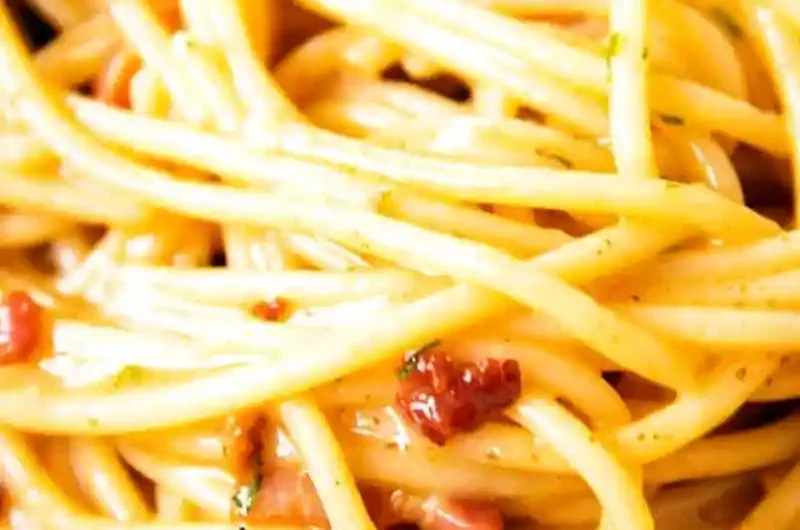
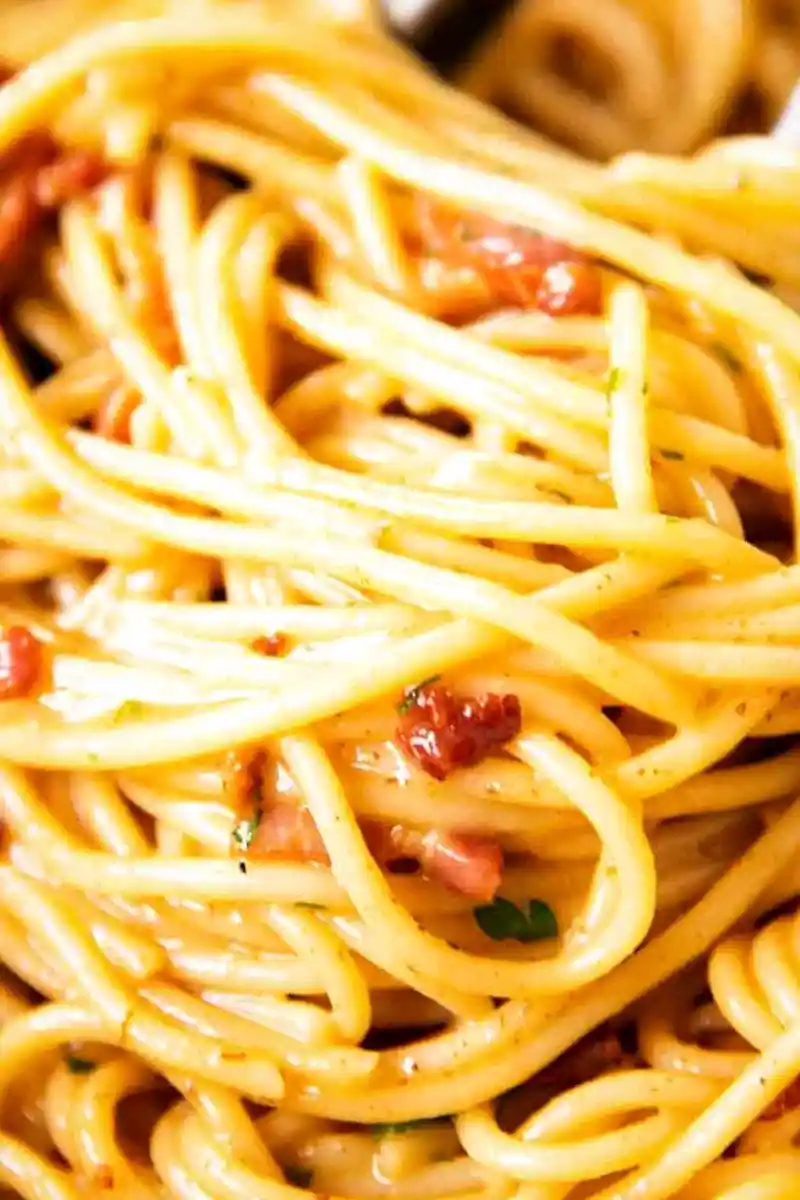
This creamy pasta dish comes together in just 20 minutes using simple pantry staples. It is an ideal choice for a fast weeknight dinner or a focused date night meal.
List of ingredients
- 1 pound spaghetti – high-quality durum wheat pasta is recommended for best texture.
- 1 tablespoon salt – used specifically for seasoning the pasta boiling water.
- 3 large eggs – use whole eggs for a lighter sauce or mostly yolks for added richness.
- 1 cup grated cheese – a combination of Parmesan and Pecorino Romano works best.
- 2 tablespoons chopped parsley – optional ingredient for a fresh, herbaceous finish.
- Ground black pepper – freshly cracked pepper provides the most authentic flavor.
- 1/2 cup pasta cooking water – reserved from the pot to help emulsify the sauce.
- 1 tablespoon olive oil – used to sear the beef bacon in the skillet.
- 8 oz cured beef bacon – diced into small cubes or batons as a savory substitute.
step-by-step instructions
- Cook the pasta: Bring a large pot of water to a rolling boil and add 1 tablespoon of salt. Cook the spaghetti according to the package directions until it reaches an al dente texture.
- Prepare the cheese sauce: In a mixing bowl, whisk together the eggs, grated cheese, parsley, and black pepper. Carefully trickle 1/2 cup of the boiling pasta water into the mixture while whisking continuously to temper the eggs.
- Sear the beef bacon: Heat olive oil in a large, deep skillet over medium-high heat. Add the diced beef bacon and fry until the fat renders and the pieces become crispy.
- Combine and finish: Toss the cooked spaghetti into the skillet with the beef bacon. Remove the skillet from the heat entirely, then stir in the egg and cheese mixture until the pasta is coated in a silky, smooth sauce. Serve the dish immediately.
Choosing the Best Ingredients
Selecting Cured Beef Bacon
Use thick-cut beef bacon to ensure the meat retains its structure during the searing process. Dice the bacon into uniform 1/4-inch batons to ensure they all crisp up at the same time. This provides a consistent salty and smoky element to the final dish.
Comparing Parmesan and Pecorino Romano
Parmigiano-Reggiano offers a nutty and slightly sweet flavor profile. Pecorino Romano is made from sheep’s milk and is significantly saltier and sharper. Mixing both cheeses creates a balanced flavor that isn’t too salty but remains complex.
Optimizing Egg Ratios for Texture
For a light and airy sauce, stick with three whole eggs. If you prefer a dense, ultra-rich custard-like consistency, replace the whole eggs with six egg yolks. A middle-ground approach is using four yolks and one whole egg for a professional finish.
The Importance of Freshly Grated Cheese
Always grate your cheese from a block rather than using pre-shredded options. Pre-shredded cheeses are coated in cornstarch or cellulose to prevent clumping, which can make the sauce grainy. Freshly grated cheese melts smoothly into the egg mixture.
Professional Cooking Techniques
Preventing Egg Coagulation
The most common mistake is scrambling the eggs by adding them to a pan that is too hot. Always remove the skillet from the burner before pouring in the egg mixture. The residual heat from the pasta and the pan is sufficient to cook the eggs into a sauce.
Achieving Perfect Al Dente Pasta
Begin tasting your pasta two minutes before the package directions indicate it is done. The pasta should be tender on the outside but have a slight, firm bite in the center. This prevents the noodles from becoming mushy when they are tossed in the sauce.
Mastering the Tempering Process
Tempering involves slowly raising the temperature of the eggs so they do not shock and curdle. By whisking in small amounts of boiling pasta water, you prepare the proteins for the heat of the pasta. Ensure you whisk vigorously during this entire step.
Utilizing a Wide Sauté Pan
A wide skillet provides more surface area for the beef bacon to render its fat evenly. It also allows you to toss the spaghetti more effectively without breaking the noodles. A deep-sided pan prevents the sauce from splashing over the edges during the final mix.
Customizing Your Carbonara
Vegetarian Meat Alternatives
Substitute the beef bacon with smoked tofu or tempeh diced into small cubes. To replicate the smoky flavor, toss the tofu in a bit of smoked paprika and soy sauce before searing. Use a small amount of butter or oil to achieve a crispy exterior.
Incorporating Fresh Vegetables
Add a cup of frozen peas to the boiling pasta during the last two minutes of cooking. Alternatively, fold in some sautéed baby spinach or diced zucchini before adding the egg mixture. These additions provide a pop of color and nutritional value to the meal.
Adjusting the Spice Level
Increase the amount of ground black pepper to add a spicy, pungent kick to the sauce. For those who prefer more heat, a pinch of red chili flakes added to the olive oil during the bacon searing phase works well. This distributes the heat evenly throughout the dish.
Exploring Alternative Pasta Shapes
While spaghetti is traditional, rigatoni or bucatini are excellent alternatives. Rigatoni’s large hollow center captures more of the creamy sauce and bits of beef bacon. Bucatini is thicker than spaghetti and provides a more substantial chew.
Serving and Pairing Suggestions
Fresh Side Salad Pairings
Serve this rich pasta with a light arugula salad dressed in lemon juice and olive oil. The peppery notes of the arugula and the acidity of the lemon cut through the richness of the egg and cheese. This balances the overall palate of the meal.
Roasted Vegetable Accompaniments
Roasted asparagus or broccolini makes a healthy and visually appealing side dish. Toss the vegetables in olive oil and salt, then roast at 400 degrees Fahrenheit until tender. These greens complement the savory nature of the beef bacon.
Plating for Maximum Quality
Warm your serving bowls in a low oven before plating the pasta. Carbonara cools down quickly, and a warm bowl helps maintain the silky consistency of the sauce. Garnish with an extra sprinkle of cheese and fresh parsley for a professional look.
Storage and Reheating Guidance
Refrigerating Leftovers
Store any remaining pasta in an airtight container in the refrigerator for up to three days. Keep the container in the main body of the fridge rather than the door to maintain a consistent temperature. Be aware that the sauce will thicken significantly as it cools.
Reheating Without Curdling
Avoid using a microwave on high heat, as this will scramble the eggs in the sauce. Instead, reheat the pasta in a skillet over low heat with a tablespoon of water or milk. Stir constantly until the sauce becomes creamy again.
Avoid Freezing Carbonara
Do not freeze this recipe, as the emulsion of egg and cheese will separate upon thawing. The result is often a grainy texture and a watery sauce that cannot be fixed. It is best to make only what you can eat within a few days.
Troubleshooting Common Issues
Fixing a Sauce That Is Too Thick
If the sauce appears too clumpy or dry, add a tablespoon of reserved pasta water. Stir quickly over very low heat to incorporate the liquid. Continue adding water one tablespoon at a time until the desired silkiness is achieved.
Managing Overly Salty Results
If the cheese and beef bacon make the dish too salty, avoid adding extra salt to the pasta water. You can also balance the salt by adding a squeeze of fresh lemon juice at the end. The acidity helps neutralize the perceived saltiness.
Handling Under-cooked Pasta
If the pasta is too firm after mixing, return the skillet to a very low heat for one minute. Add a splash of pasta water and cover the pan with a lid to steam the noodles. Be careful not to overheat, or the egg sauce will curdle.
Frequently Asked Questions
Can I use heavy cream in this recipe?
This recipe does not use cream because the creaminess comes from the emulsion of eggs, cheese, and pasta water. Adding cream changes the flavor profile and texture, moving it away from a traditional carbonara style.
Why is my sauce watery instead of creamy?
A watery sauce usually occurs if too much pasta water was added or if the cheese was not fully incorporated. Ensure you use the exact measured amount of water and whisk the cheese and eggs thoroughly before adding them to the pan.
Which cheese is the best choice for this dish?
A 50/50 blend of Parmesan and Pecorino Romano is the gold standard. Parmesan provides the necessary depth and creaminess, while Pecorino Romano adds the sharp, salty punch that defines the dish.
Print
Quick and Creamy Beef Bacon Spaghetti Carbonara
- Total Time: 20 minutes
- Yield: 5 servings 1x
- Diet: General
Description
The creamy richness of an authentic pasta carbonara comes together in just 20 minutes with a few ingredients.
Ingredients
- 1 pound spaghetti
- 1 tablespoon salt
- 3 large eggs
- 1 cup grated microbial-rennet cheese (Parmesan or Pecorino Romano)
- 2 tablespoons chopped parsley (optional)
- ground black pepper
- ½ cup pasta cooking water
- 1 tablespoon olive oil
- 8 oz cured beef bacon, diced
Instructions
- Cook pasta: Bring a large pot of water to a rolling boil and season it with 1 tablespoon salt. Add pasta and cook according to package directions until al dente.
- Prepare cheese sauce: In the meantime, add eggs, parmesan cheese, parsley and ground black pepper to a mixing bowl and whisk together well. Remove 1/2 cup of pasta cooking water from the boiling pot of pasta and slowly trickle it into the egg and cheese mixture while whisking well. Set aside.
- Cook beef bacon: Add olive oil to a large and deep skillet or sauté pan over medium-high heat. Add beef bacon and cook until crispy.
- Finish dish: Toss the cooked pasta with the beef bacon in the skillet, then take the pan off the heat. Keep tossing the pasta as you add the egg and cheese mixture, until the pasta is coated in a silky sauce. Serve immediately!
Notes
For an extra-rich pasta sauce, use 6 egg yolks. For a rich pasta sauce, use 4 egg yolks and 1 whole egg. For a medium-rich sauce, go for 2 whole eggs and 2 egg yolks. Always take the pan off the heat before adding the egg mixture to prevent the eggs from scrambling.
- Prep Time: 5 minutes
- Cook Time: 15 minutes
- Category: Main Course
- Method: Stovetop
- Cuisine: Italian
Nutrition
- Serving Size: 1 serving
- Calories: 675 kcal
- Sugar: 3 g
- Sodium: 2045 mg
- Fat: 30 g
- Saturated Fat: 11 g
- Unsaturated Fat: 19 g
- Trans Fat: 0 g
- Carbohydrates: 69 g
- Fiber: 3 g
- Protein: 29 g
- Cholesterol: 146 mg
Keywords: Pasta Carbonara, Italian, Creamy Pasta, Quick Dinner