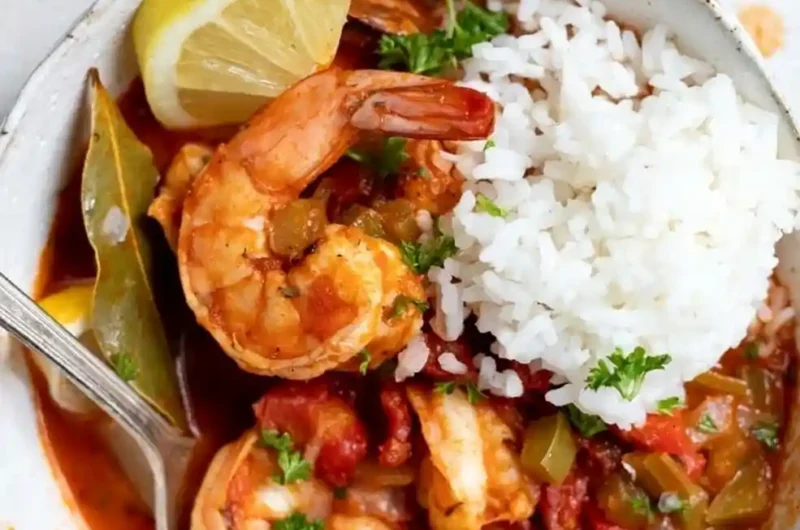
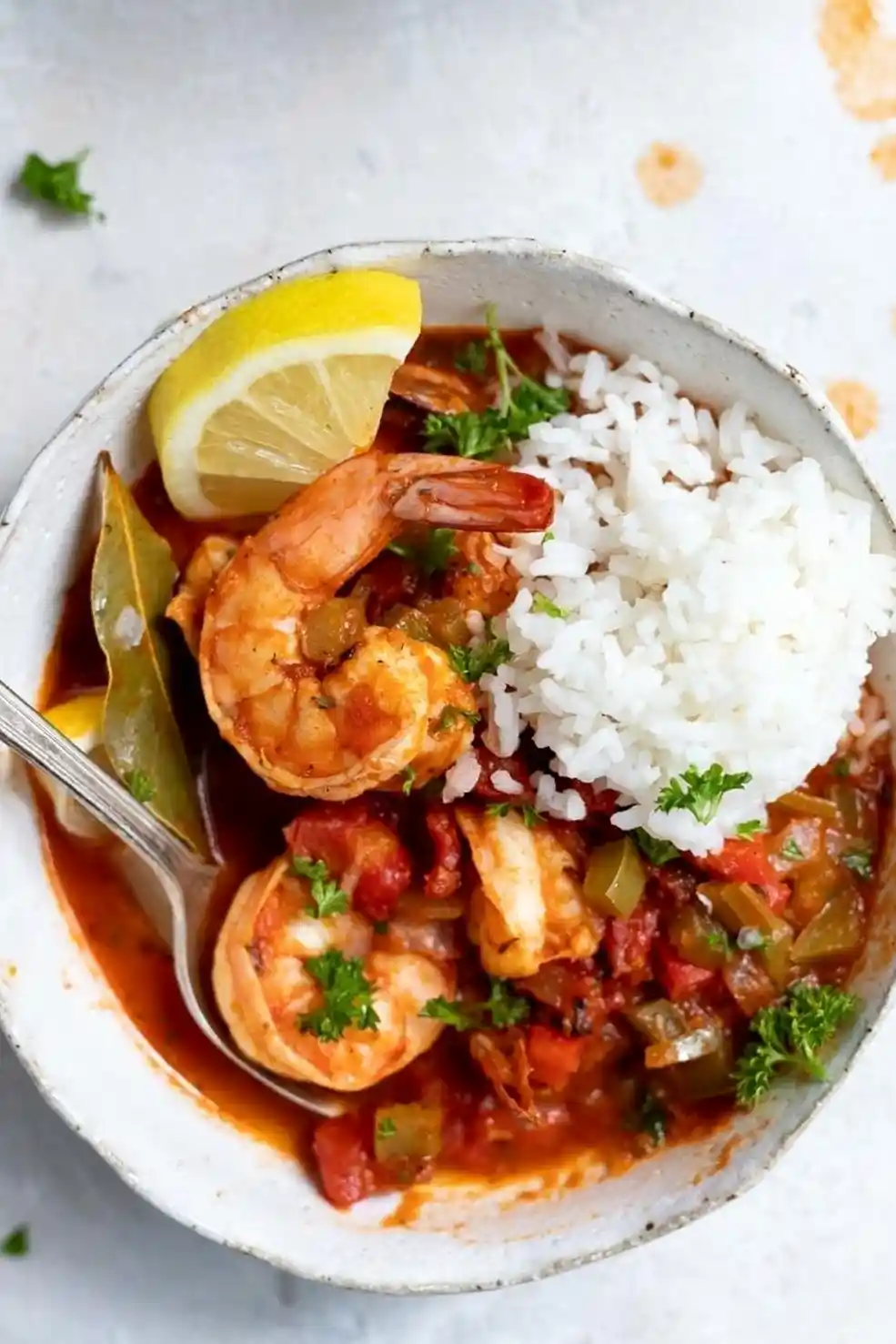
This nutritious shrimp dish combines a bold, spicy tomato base with tender seafood for a satisfying meal. It is a fast-cooking dinner option that pairs perfectly with steamed rice or low-carb alternatives.
List of ingredients
- 1/4 Cup Oil – used for sautéing the aromatic vegetables.
- 1 Sweet Onion – chopped for a mild, sweet base.
- 1 Small Green Bell Pepper – seeds removed and chopped.
- 1 Small Red Bell Pepper – seeds removed and chopped.
- 3 Large Celery Stalks – chopped to complete the aromatic trinity.
- 4 Garlic Cloves – grated or finely chopped for depth.
- 2-3 teaspoons Cajun Seasoning – provides the signature spicy flavor.
- 2 Bay Leaves – adds a subtle herbal note to the sauce.
- 28 oz Can Fire Roasted Crushed Tomatoes – creates a smoky, rich base.
- 1 Cup Water – helps adjust the consistency of the sauce.
- 1 Tablespoon Worcestershire Sauce – adds a savory, salty complexity.
- Salt/Pepper – added to taste for seasoning.
- Hot Sauce – optional, added to taste for extra heat.
- 2 Lbs Thawed Shrimp – peeled and deveined.
step-by-step instructions
- Sauté Aromatics: Heat oil in a large pot over medium/high heat. Add the chopped onions, bell peppers, and celery to the pot and saute until they become tender.
- Cook Garlic: Add the grated or finely chopped garlic to the vegetable mixture and saute for approximately 1 minute.
- Simmer Sauce: Stir in the Cajun seasoning, bay leaves, crushed tomatoes, water, Worcestershire sauce, salt, pepper, and optional hot sauce. Allow the mixture to simmer until the sauce thickens to your desired consistency, which usually takes 5-10 minutes.
- Cook Shrimp: Add the thawed shrimp to the pot. Cook until the shrimp are pink on the outside and opaque and cooked through on the inside.
- Final Touch: Remove the pot from the heat. Serve the dish garnished with fresh parsley and lemon wedges, ideally over a bed of rice.
Professional Cooking Techniques
Sautéing the Holy Trinity
The combination of onion, celery, and bell pepper is known as the Holy Trinity in Creole cooking. Ensure these vegetables are chopped to a similar size so they soften at the same rate. Sauté them until the onions are translucent to build a deep flavor foundation.
Preventing Garlic Burn
Garlic has a lower burn point than onions and peppers, which is why it is added later in the process. Sautéing it for only one minute prevents the garlic from becoming bitter. This ensures the aromatic quality remains fresh and complements the spicy tomato base.
Managing Sauce Reduction
The simmering phase is crucial for concentrating the flavors of the fire-roasted tomatoes and Cajun spices. If the sauce is too thin, simmer for an additional few minutes before adding the shrimp. If it becomes too thick, stir in a small amount of additional water to reach the preferred texture.
Avoiding Rubbery Shrimp
Shrimp cook very quickly and can become tough if left on the heat too long. Add them only after the sauce has reached its final consistency. Remove the pot from the heat the moment the shrimp turn opaque to maintain a tender, juicy texture.
Ingredient Substitutions and Adjustments
Low-Carb and Keto Alternatives
To make this recipe keto-friendly or Paleo, simply omit the rice. You can serve the shrimp creole over cauliflower rice or steamed zoodles. Additionally, remove the Worcestershire sauce to strictly adhere to Whole30 guidelines.
Substituting Worcestershire Sauce
If you need a substitute for Worcestershire sauce, coconut aminos provide a similar salty and savory profile. Alternatively, a small amount of soy sauce can work, though it may alter the color slightly. These options maintain the depth of the sauce without the original ingredient.
Adjusting the Heat Level
For a milder version, reduce the Cajun seasoning to 2 teaspoons and omit the hot sauce. If you prefer more heat, add a pinch of cayenne pepper or increase the amount of hot sauce. Adjusting these elements allows the dish to suit various spice tolerances.
Using Fresh Tomatoes
If you prefer fresh tomatoes over canned fire-roasted ones, dice about 6-8 large ripe tomatoes. You will need to simmer the fresh tomatoes longer to break them down and may need to add a tablespoon of tomato paste for thickness. Fresh tomatoes provide a lighter, brighter taste.
Different Seafood Options
While shrimp is traditional, this sauce works well with other firm seafood. Large scallops or chunks of halibut can be substituted in the same quantity. Ensure you adjust the cooking time based on the thickness of the seafood used.
Serving and Pairing Ideas
Traditional Grain Pairings
Long-grain white rice is the most traditional accompaniment to soak up the spicy sauce. For a nuttier flavor, try brown rice or wild rice blends. These grains provide a neutral base that balances the acidity of the tomatoes.
Pasta Alternatives
This dish can be served as a pasta sauce over linguine or angel hair pasta. The thin noodles pair well with the chunks of vegetables and shrimp. Toss the pasta in the sauce for a minute before serving to ensure it is well-coated.
Fresh Vegetable Sides
Pair this meal with steamed broccoli or roasted asparagus to add a fresh, green element to the plate. A simple side salad with a lemon vinaigrette also cuts through the richness of the sauce. These sides increase the nutritional value of the meal.
Garnish and Finishing Touches
Freshly chopped parsley adds a pop of color and a clean, herbal finish. Squeezing fresh lemon wedges over the shrimp just before eating brightens the overall flavor profile. This acidity helps balance the saltiness of the Cajun seasoning.
Storage and Preservation
Refrigerating Leftovers
Store any remaining shrimp creole in an airtight container in the refrigerator. It will stay fresh for up to three to four days. The flavors often meld and improve after a night in the fridge.
Freezing the Tomato Base
If you want to freeze the meal, it is best to freeze the sauce separately from the shrimp. Freezing cooked shrimp can lead to a rubbery texture upon reheating. Freeze the sauce in freezer-safe bags or containers for up to three months.
Managing Freezer Burn
To prevent freezer burn, remove as much air as possible from the storage bag. Press the sauce flat in the bag to allow for faster freezing and thawing. Label the container with the date and contents for easy organization.
Thawing Instructions
Thaw the frozen sauce in the refrigerator overnight before heating. Avoid thawing at room temperature to maintain food safety standards. Once thawed, you can add fresh shrimp to the simmering sauce to complete the meal.
Reheating Guidelines
Stovetop Reheating Method
The best way to reheat shrimp creole is in a small pot over medium-low heat. Add a tablespoon of water or broth to loosen the sauce as it warms. Stir gently to avoid breaking the shrimp.
Microwave Reheating Tips
If using a microwave, heat the dish in short 30-second intervals. Stir the sauce between intervals to ensure even heating. Be careful not to overheat, as this will cause the shrimp to toughen quickly.
Maintaining Shrimp Texture
When reheating, stop the process just before the dish reaches boiling point. The residual heat will finish warming the shrimp without overcooking them. This method preserves the delicate texture of the seafood.
Make-Ahead Strategies
Prepping the Vegetable Base
You can chop the onion, bell peppers, and celery hours in advance. Store them together in a sealed container in the fridge. This reduces the active prep time when you are ready to start cooking.
Simmering the Sauce Early
The sauce can be made entirely without the shrimp up to 24 hours in advance. Simmer the vegetables and tomatoes, then cool and refrigerate. When ready to serve, simply heat the sauce and add the shrimp at the end.
Preparing Shrimp in Advance
If your shrimp are not pre-cleaned, peel and devein them ahead of time. Pat them dry with paper towels and store them in a container with a damp paper towel on top. This ensures they are ready to be tossed into the pot immediately.
Troubleshooting Common Issues
Fixing a Thin Sauce
If the sauce remains too watery after simmering, increase the heat slightly for 3-5 minutes. Alternatively, you can simmer it without a lid to allow moisture to evaporate more quickly. Avoid adding flour as it can change the authentic flavor.
Balancing Excess Salt
If the Cajun seasoning makes the dish too salty, add a small amount of unsalted crushed tomatoes or a pinch of sugar. The sweetness helps neutralize the saltiness. You can also serve it over unseasoned rice to balance the taste.
Correcting Acidic Overtones
If the tomatoes make the sauce too acidic, stir in a tiny pinch of baking soda or a small pat of unsalted butter. The butter adds a richness that mellows out the sharp acidity of the canned tomatoes. Stir until fully incorporated.
Handling Overcooked Shrimp
If the shrimp curl into tight circles and become rubbery, they are overcooked. While they are still safe to eat, you can mitigate the texture by adding a bit more sauce. Next time, ensure the pot is removed from the heat immediately once the shrimp turn opaque.
Frequently Asked Questions
Can I use frozen shrimp?
Yes, you can use frozen shrimp as long as they are completely thawed. Rinse them under cold water and pat them dry before adding them to the pot. This prevents excess water from thinning your sauce.
Is this recipe very spicy?
The spice level depends on the brand of Cajun seasoning you use. Most are moderately spicy, but you can control the heat by adjusting the amount of seasoning and omitting the optional hot sauce.
What is the best way to devein shrimp?
Use a small paring knife to make a shallow slit along the back of the shrimp. Gently remove the dark vein with the tip of the knife or your fingers. Rinse the shrimp under cold water afterward.
Can I make this in a slow cooker?
The sauce can be cooked in a slow cooker on low for 6-8 hours. However, do not add the shrimp until the last 15-20 minutes of cooking. Adding shrimp too early will result in a tough, rubbery texture.
Which type of onion is best for this recipe?
A sweet onion, such as Vidalia or Walla Walla, is recommended for its mild flavor. If you only have yellow or white onions, they will still work, though the taste will be slightly more pungent.
How long does the cooked dish last?
When stored in an airtight container in the refrigerator, the cooked shrimp creole lasts for 3 to 4 days. Always reheat it thoroughly to an internal temperature of 165 degrees Fahrenheit before consuming.
Print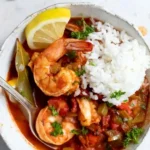
Quick and Flavorful Shrimp Creole
- Total Time: 25 minutes
- Yield: 8 servings 1x
- Diet: Low carb, Keto, Whole30, Paleo
Description
This Easy Shrimp Creole Recipe is a quick, easy, nutritious dinner idea that the entire family will love. A little spice and a lot of flavor will make this dish a new favorite. Skip the rice and this meal is Keto-friendly, low carb, Whole30 and Paleo.
Ingredients
- 1/4 Cup Oil
- 1 Sweet Onion, chopped
- 1 Small Green Bell Pepper, seeds removed, chopped
- 1 Small Red Bell Pepper, seeds removed, chopped
- 3 Large Celery Stalks, chopped
- 4 Garlic Cloves, grated or finely chopped
- 2–3 teaspoons Cajun Seasoning
- 2 Bay Leaves
- 28 oz Can Fire Roasted Crushed Tomatoes
- 1 Cup Water
- 1 Tablespoon Worcestershire Sauce
- Salt/Pepper to taste
- Hot Sauce to taste (optional)
- 2 Lbs Thawed Shrimp, peeled, deveined
Instructions
- Sauté: Heat oil in large pot over medium/high heat. Add onions, bell peppers and celery to the pot and saute until tender.
- Garlic: Add garlic, saute for 1 minute.
- Simmer: Add Cajun season, bay leaves, tomatoes, water, worcestershire sauce, salt, pepper and hot sauce. Simmer until sauce thickens to desired consistency (approx 5-10 minutes).
- Shrimp: Add shrimp to pot and cook until shrimp is pink on the outside, opaque and cooked through on the inside.
- Serve: Remove from heat and serve with fresh parsley, lemon wedges and rice.
Notes
For Keto, Whole30 and Paleo – omit Worcestershire sauce and do not serve with rice.
- Prep Time: 5 minutes
- Cook Time: 20 minutes
- Category: 30 Minute Meals
- Method: Stovetop
- Cuisine: American
Nutrition
- Serving Size: 1 serving
- Calories: 232 kcal
- Sugar: 4 g
- Sodium: 1636 mg
- Fat: 9 g
- Saturated Fat: 1 g
- Unsaturated Fat: 8 g
- Trans Fat: 0 g
- Carbohydrates: 10 g
- Fiber: 1 g
- Protein: 27 g
- Cholesterol: 239 mg
Keywords: cajun recipe, shrimp creole, shrimp creole recipe, shrimp recipe