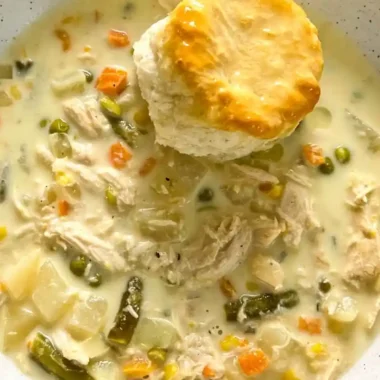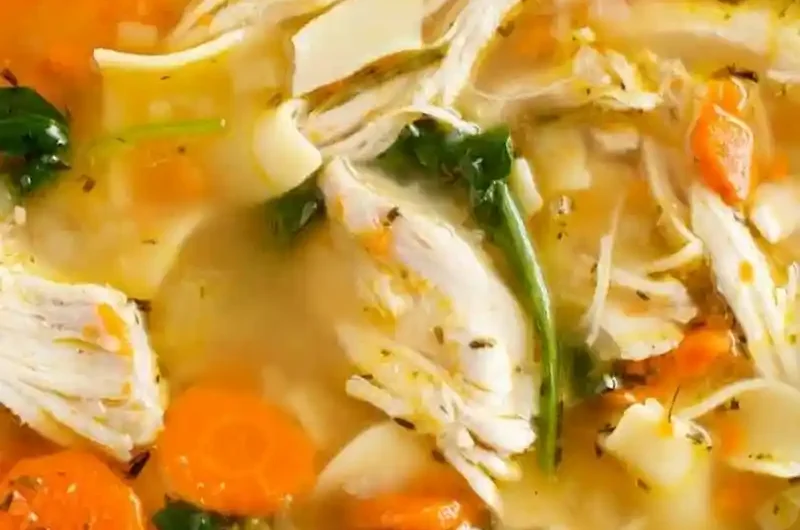
Prepare a hearty and comforting meal in under an hour using a pressure cooker. This recipe delivers tender chicken and perfectly cooked noodles with minimal effort and cleanup.
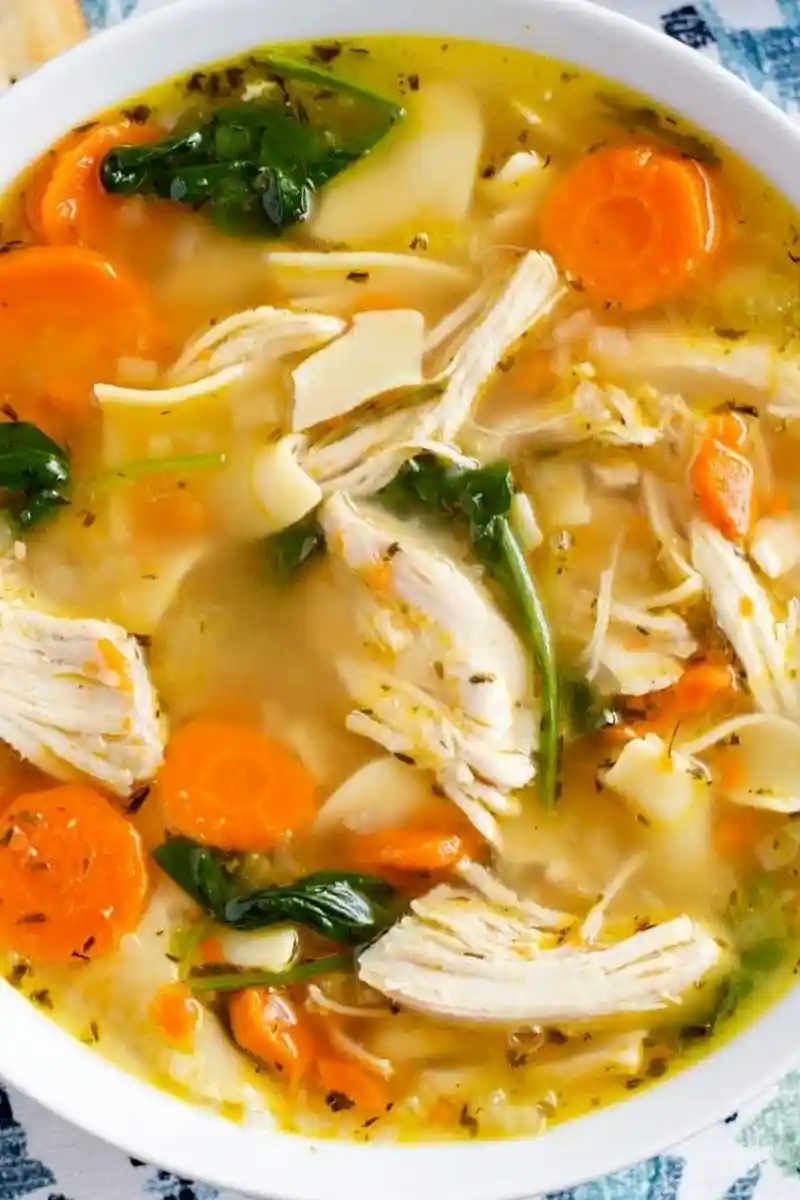
List of ingredients
- 2 tablespoons butter – used for sautéing the aromatic vegetables.
- 1 cup sliced celery – provides a traditional savory base.
- 1 cup diced onion – adds depth and sweetness to the broth.
- 1 1/2 cups sliced carrot – contributes color and natural sweetness.
- 1 teaspoon salt – enhances all the flavors in the pot.
- 1 teaspoon ground black pepper – adds a subtle heat.
- 1 teaspoon dried Thyme – provides an earthy, herbal note.
- 2 lbs boneless skinless chicken breasts – the main protein source for the soup.
- 3 large Bay Leaves – adds a sophisticated aromatic layer to the broth.
- 1 sprig fresh Rosemary or 1 teaspoon dried rosemary – offers a piney, fragrant aroma.
- 6 cups low sodium chicken broth – the liquid base that keeps the soup light.
- 1 1/2 cup extra wide egg noodles – thick noodles that hold up well in broth.
- 1 handful fresh spinach leaves – adds a boost of nutrients and color.
step-by-step instructions
- Sauté Vegetables: Turn the Instant Pot on the sauté setting and melt the butter. Add the sliced celery, diced onion, and sliced carrots, cooking for about 5 minutes until the onion becomes translucent.
- Season: Add the salt, ground pepper, and ground thyme to the vegetables and mix well to coat.
- Combine Main Ingredients: Add the boneless chicken breasts, bay leaves, and rosemary sprig to the pot. Pour in the chicken broth and stir to combine everything.
- Seal the Pot: Place the lid on the Instant Pot, ensuring it is engaged properly. Set the valve to the sealing position.
- Pressure Cook: Press the manual button and set the pressure cooking time to 8 minutes.
- Natural Release: Once the timer finishes, allow the pressure cooker to naturally release the steam for 8 minutes.
- Vent Steam: Use the handle of a wooden spoon to push the valve to the venting position to release any remaining steam. Carefully open the lid, lifting it away from your face to avoid steam burns.
- Shred Chicken: Remove the cooked chicken breasts and place them in a bowl. Use two forks to shred the meat into bite-sized pieces, then return the chicken to the pot.
- Cook Noodles: Stir in 1 1/2 cups of extra wide egg noodles. Replace the lid and set the vent to the sealing position.
- Residual Heat Cooking: Let the pot sit undisturbed for 12 minutes. The residual heat will cook the noodles without making them mushy.
- Final Check: Open the pot and check the noodle texture. If they need more time, replace the lid for another one to two minutes.
- Add Greens: Stir in the fresh spinach leaves until they wilt slightly.
- Serve: Dish out the soup immediately into bowls.
Optimizing Your Soup Broth
Using Low Sodium Options
Using low sodium chicken broth allows you to control the salt levels more precisely. You can add more salt at the end if the flavor is too mild. This prevents the soup from becoming overly salty as it reduces during the cooking process.
Making a Homemade Stock
If you have time, substitute store-bought broth with homemade chicken stock. Simmer chicken bones with carrots, celery, and onions for several hours before straining. This results in a richer, more gelatinous broth that improves the overall mouthfeel of the soup.
Enhancing Aroma with Fresh Herbs
While dried herbs are convenient, fresh thyme and rosemary provide a brighter flavor. Tie fresh sprigs together with kitchen twine for easy removal before serving. Fresh herbs should be added at the start of the pressure cooking cycle to infuse the broth deeply.
Managing Noodle Texture
Preventing Mushy Noodles
Never pressure cook the noodles with the chicken. High pressure breaks down the starch in the noodles too quickly, resulting in a mushy consistency. Using the residual heat method ensures the noodles remain al dente.
Using Gluten-Free Pasta Alternatives
If you need a gluten-free option, use brown rice noodles or chickpea pasta. These often require different cooking times than egg noodles. Check the package instructions and adjust the residual heat waiting time accordingly.
Cooking Noodles Separately
For those who plan to store the soup for several days, cook the noodles in a separate pot of salted water. Add a portion of cooked noodles to each bowl just before serving. This prevents the noodles from absorbing all the broth and becoming bloated in the fridge.
Chicken Preparation and Texture
Selecting the Right Cut
Boneless skinless chicken breasts are used here for a lean, quick-cooking result. For a richer flavor and more moisture, you can substitute with boneless skinless chicken thighs. Thighs are less likely to dry out if the pressure cooking time is slightly extended.
Achieving the Perfect Shred
Shredding chicken with two forks is the most efficient method for this soup. Pull the meat apart along the natural grain of the muscle fibers. This creates irregular pieces that catch more of the broth, enhancing the flavor in every bite.
Maintaining Meat Moisture
Avoid overcooking the chicken by adhering strictly to the 8-minute pressure time. If the chicken is too large, cut the breasts in half before adding them to the pot. This ensures the center reaches a safe temperature without the outer edges becoming tough.
Vegetable Variations and Additions
Adding Sweet Peas and Corn
Frozen peas and corn can be added at the very end along with the spinach. These vegetables only need a minute or two of residual heat to warm through. They add pops of color and extra sweetness to the savory broth.
Incorporating Hardy Leafy Greens
If you do not have spinach, kale or Swiss chard are excellent alternatives. These greens are heartier and may need to be stirred in a few minutes before the noodles are finished. They provide a more robust flavor and a tougher texture than spinach.
Customizing the Mirepoix
The base of onion, celery, and carrot is known as a mirepoix. You can experiment by adding leeks or parsnips for a different aromatic profile. Ensure all vegetables are diced to a similar size to ensure they cook evenly during the sauté phase.
Storage and Preservation
Refrigeration Guidelines
Store the leftover soup in airtight containers in the refrigerator for up to four days. Ensure the soup has cooled down to room temperature before sealing the lid. This prevents condensation from forming, which can dilute the broth.
Freezing the Soup Base
To freeze this soup, omit the noodles and spinach. Freeze the chicken and vegetable broth base in freezer-safe bags or containers for up to three months. Thaw in the refrigerator overnight before reheating and adding fresh noodles.
Preventing Noodle Sog
Noodles act like sponges and will continue to absorb liquid while stored. If you store the soup with noodles, you will likely need to add a splash of chicken broth when reheating. This restores the original consistency of the soup.
Reheating Instructions
Stovetop Reheating Method
Place the soup in a pot over medium-low heat. Stir occasionally to prevent the noodles from sticking to the bottom. Heat gently until the soup reaches a simmer, then remove from heat immediately.
Microwave Reheating Tips
Heat the soup in a microwave-safe bowl in 1-minute intervals. Stir between each interval to ensure the heat is distributed evenly. Adding a tablespoon of water or broth helps prevent the chicken from drying out.
Adjusting Consistency After Reheating
If the soup has become too thick due to the noodles absorbing the liquid, stir in a small amount of low sodium broth. This brings the soup back to its intended liquid-to-solid ratio without altering the seasoning.
Common Troubleshooting
Correcting a Thin Broth
If the broth feels too thin, you can create a simple slurry with one tablespoon of cornstarch and one tablespoon of water. Stir this into the boiling soup and simmer for a few minutes. This will give the broth a slightly thicker, more velvety texture.
Reducing Excess Saltiness
If the soup is too salty, add a peeled, halved potato and simmer it for 10 minutes, then remove it. The potato absorbs some of the excess salt. Alternatively, stir in a small amount of unsalted water or a splash of lemon juice to balance the salt.
Fixing Overcooked Chicken
If the chicken becomes too tough, it is usually due to overcooking. To mitigate this, shred the chicken into very small pieces. Small pieces are easier to chew and absorb more broth, which helps mask the dryness.
Frequently Asked Questions
Can I use frozen chicken breasts?
Yes, but you must increase the pressure cooking time to about 12-15 minutes to ensure the center is cooked. Ensure the frozen breasts are separated and not frozen in one large block for even cooking.
What if I do not have an Instant Pot?
You can make this on a stovetop by sautéing vegetables in a pot and simmering everything for about 30-40 minutes. Add the noodles at the very end and simmer until tender, as you cannot use the residual heat method as effectively.
Can I add cream for a richer taste?
Adding a quarter cup of heavy cream or a dollop of sour cream at the end creates a creamy chicken noodle soup. Stir it in on low heat to prevent the cream from curdling. This adds a rich, silky texture to the broth.
Print
Quick Pressure Cooker Chicken Noodle Soup
- Total Time: 45 minutes
- Yield: 6 servings 1x
- Diet: General
Description
Instant Pot Chicken Noodle Soup is a hearty chicken soup recipe the family will love. Packed full of flavor, it is a family favorite during the cold winter months and can be done in less than 45 minutes.
Ingredients
- 2 tablespoons butter
- 1 cup sliced celery
- 1 cup diced onion
- 1 1/2 cups sliced carrot
- 1 teaspoon salt
- 1 teaspoon ground black pepper
- 1 teaspoon dried Thyme
- 2 lbs boneless skinless chicken breasts
- 3 large Bay Leaves
- 1 Sprig fresh Rosemary or 1 teaspoon dried rosemary
- 6 cups low sodium chicken broth
- 1 1/2 cup extra wide egg noodles
- 1 handful fresh spinach leaves
Instructions
- Step: Turn the Instant Pot on the saute setting and melt the butter. Add the sliced celery, diced onion, and sliced carrots to the Instant Pot. Saute for about 5 minutes or until the onion is starting to get translucent.
- Step: Add the salt, ground pepper, and ground thyme and mix.
- Step: Add the boneless chicken breasts, bay leaves and rosemary sprig to the Instant Pot. Pour the chicken broth in and mix to combine.
- Step: Place the lid on the Instant Pot and make sure it is engaged properly. Set the valve to the sealing position.
- Step: Press the manual button and set the pressure cooking time to 8 minutes.
- Step: Once the Instant Pot has finished pressure cooking allow the pressure cooker to naturally release the steam for 8 minutes.
- Step: Use the handle of a wooden spoon to push the valve to the venting position and allow the remaining steam to release. Carefully open the lid of the Instant Pot and lift it so the steam escapes away from your face to prevent a burn.
- Step: Remove the pressure cooked chicken pieces from the Instant Pot and place them in a bowl.
- Step: Use two forks to shred the pressure cooked chicken meat. Return the cooked chicken to the Instant Pot.
- Step: Add 1 1/2 cups of extra wide egg noodles to the Instant Pot and mix to combine.
- Step: Place the lid back on the Instant Pot and push the vent to the sealing position. Allow the Instant Pot to sit undisturbed for 12 minutes to cook the wide egg noodles.
- Step: After 12 minutes open the Instant Pot and check the noodles to see if they are done enough for your tastes. If the noodles need to cook a bit more replace the Instant Pot lid and wait another minute or two.
- Step: Serve immediately.
Notes
Noodles should be added after the pressure cooking process to prevent them from becoming mushy. You can use store-bought broth for convenience or homemade broth for extra flavor.
- Prep Time: 18 minutes
- Cook Time: 12 minutes
- Category: Main Dish
- Method: Pressure Cooking
- Cuisine: American
Nutrition
- Serving Size: 1 bowl
- Calories: 279 kcal
- Sugar: 4 g
- Sodium: 682 mg
- Fat: 6 g
- Saturated Fat: 2 g
- Unsaturated Fat: 4 g
- Trans Fat: 0 g
- Carbohydrates: 16 g
- Fiber: 2 g
- Protein: 39 g
- Cholesterol: 105 mg
Keywords: Instant Pot, chicken noodle soup, pressure cooker, comfort food, easy soup