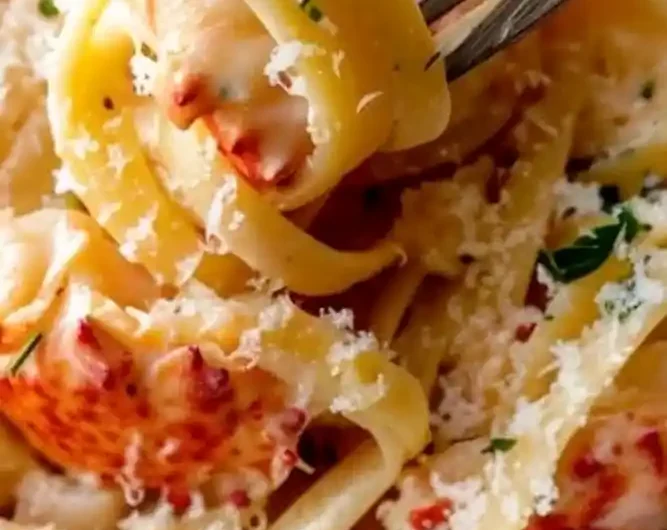
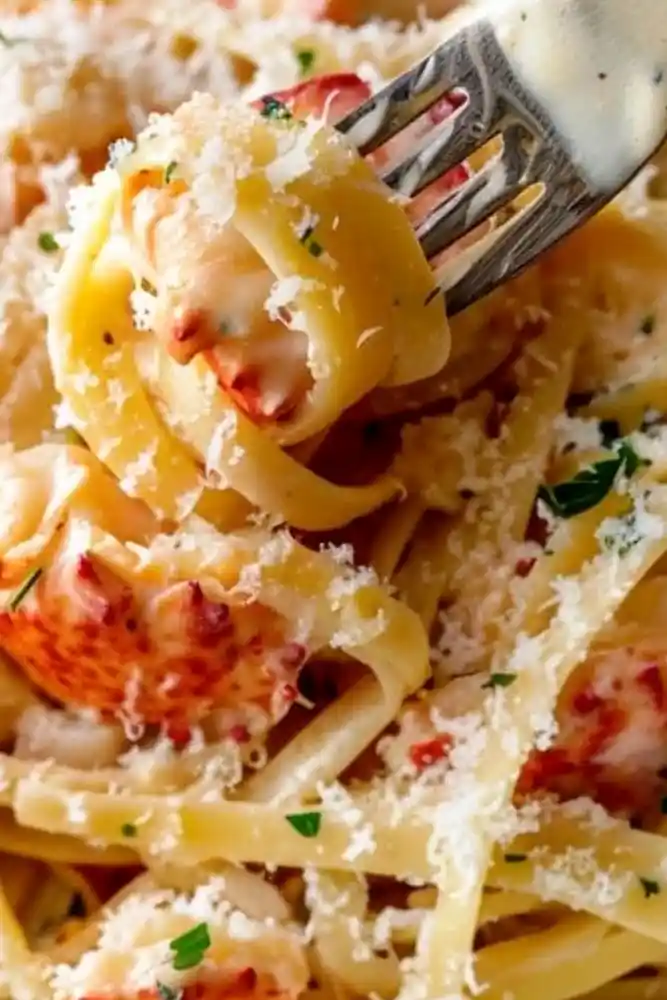
Prepare a luxurious and indulgent dinner with this rich lobster pasta. This recipe combines succulent seafood with a garlic cream sauce for a restaurant-quality meal at home.
List of ingredients
- 2 live lobsters (about 1 1/2 pounds each) or 1 pound cooked lobster meat – use fresh for best flavor.
- 12 ounces linguine or fettuccine – long, flat noodles hold the sauce well.
- 2 tablespoons olive oil – used for a higher smoke point during sautéing.
- 4 tablespoons unsalted butter, divided – adds richness and a glossy finish.
- 1 small shallot, finely chopped – provides a mild, sweet onion flavor.
- 2 garlic cloves, minced – adds essential aromatic depth.
- 1/2 cup vegetable broth – used as a savory, alcohol-free liquid for deglazing.
- 1 cup heavy cream – creates the thick, velvety base of the sauce.
- 1/2 cup grated Parmesan cheese, plus more for serving – ensure it is a microbial-rennet variety.
- 1/4 teaspoon dried thyme – adds a subtle earthy note.
- 2 sprigs tarragon – provides a distinct anise-like flavor that pairs with seafood.
- 1 pinch red pepper flakes, optional – adds a hint of warmth.
- 1/2 teaspoon salt, or to taste – essential for flavor balance.
- 1/4 teaspoon freshly ground black pepper, or to taste – provides a sharp contrast to the cream.
- 1/4 cup chopped fresh parsley – adds a bright, clean finish.
- zest of 1 lemon – provides citrus fragrance.
- 1 tablespoon lemon juice – adds necessary acidity to cut through the richness.
step-by-step instructions
- Prepare the lobster: If using cooked meat, chop it into bite-sized pieces and set aside. If using live lobsters, boil them in salted water for 8-10 minutes until bright red, cool on a wire rack, then extract and chop the meat from the claws, knuckles, and tails.
- Cook the pasta: Boil a pot of well-salted water, using lobster water if available for extra flavor. Cook linguine or fettuccine until al dente, reserve 1 cup of pasta water, and drain the noodles.
- Sauté aromatics: Heat olive oil and 2 tablespoons of butter in a large skillet over medium heat. Add shallots and sauté for 2-3 minutes until soft, then stir in minced garlic for about 1 minute until fragrant.
- Deglaze and thicken: Pour in the vegetable broth and scrape any browned bits from the pan. Let the broth simmer for one minute, then slowly stir in the heavy cream.
- Incorporate cheese and herbs: Add Parmesan cheese in small handfuls, stirring constantly until melted. Mix in the dried thyme, tarragon, and optional red pepper flakes.
- Simmer the sauce: Season the mixture with salt and pepper, then let it simmer for 5 minutes until the sauce thickens slightly.
- Combine pasta and sauce: Toss the drained pasta into the skillet. If the sauce is too thick, stir in a splash of the reserved pasta water until the desired consistency is reached.
- Add final touches: Gently stir in the chopped lobster meat, the remaining 2 tablespoons of butter, chopped parsley, lemon zest, and lemon juice.
- Final heat through: Cook for 2-3 minutes until the lobster is warmed through. Adjust seasonings with salt or pepper if needed.
- Serve: Plate the pasta immediately and garnish with extra Parmesan cheese and fresh parsley.
Professional Cooking Tips for Seafood Pasta
Seasoning the Pasta Water Generously
Add enough salt to the boiling water so that it tastes like seawater. This ensures the pasta is seasoned from the inside out, which is crucial since the noodles only absorb salt during the boiling process. This baseline flavor prevents the final dish from tasting bland.
Achieving the Perfect Al Dente Texture
Cook the pasta for one to two minutes less than the package directions indicate. Because the noodles will continue to cook while tossing in the simmering cream sauce, undercooking them slightly prevents them from becoming mushy. This maintains a firm bite that contrasts with the creamy sauce.
Using Reserved Pasta Water to Emulsify
Always save a cup of the starchy pasta water before draining. This liquid contains released starches that act as a binder between the fat in the cream and the pasta. Adding it at the end helps the sauce cling to the noodles rather than sliding off.
Gently Handling the Lobster Meat
Stir the lobster meat into the pasta using a folding motion rather than vigorous stirring. Lobster is delicate and can break apart or become rubbery if over-handled. Adding it at the very end ensures the chunks remain intact and succulent.
Adding Parmesan Cheese Gradually
Sprinkle the grated Parmesan into the sauce in small batches rather than all at once. Stirring the cheese in slowly allows it to melt evenly into the cream. This prevents the cheese from clumping together and ensures a smooth, velvety texture.
Monitoring Garlic Temperature to Prevent Bitterness
Keep a close eye on the minced garlic, as it can burn in a matter of seconds. Sauté it only until it becomes fragrant, which usually takes about 60 seconds over medium heat. Burnt garlic introduces a bitter taste that can overpower the sweetness of the lobster.
Ingredient Substitutions and Swaps
Replacing White Wine with Vegetable Broth
To keep the recipe alcohol-free, use a high-quality vegetable broth or a seafood-based stock. The broth provides the necessary savory liquid for deglazing the pan and incorporating browned bits. The addition of lemon juice later in the recipe restores the acidity typically provided by wine.
Using Large Shrimp as a Protein Alternative
If lobster is unavailable or too expensive, large shrimp are an excellent substitute. Sauté the shrimp with the shallots and garlic first, then remove them from the pan before making the sauce. Stir them back in at the end to avoid overcooking them.
Experimenting with Different Pasta Shapes
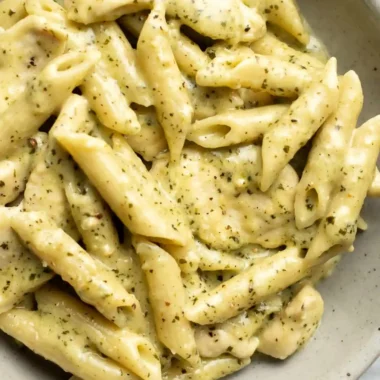
While linguine and fettuccine are traditional, other shapes can work depending on your preference. Penne or rigatoni are good options as they capture the sauce inside the tubes. Orecchiette is also effective for scooping up small pieces of lobster meat.
Substituting Heavy Cream for Lighter Options
For a slightly lighter version, you can use half-and-half, though the sauce will be thinner. If using a dairy-free alternative, a cashew-based cream or full-fat coconut cream can work, though the flavor profile will shift slightly toward the nuttiness of the substitute.
Using Alternative Fresh Herbs
If tarragon is unavailable, fresh chives or a small amount of fresh basil can be used. Chives offer a mild onion flavor that complements seafood, while basil provides a sweeter, peppery note. Always add these fresh herbs at the end to preserve their color and aroma.
Creative Recipe Variations
Adding Chopped Tomatoes for a Redder Sauce
Sauté one cup of finely chopped tomatoes with the shallots until they soften and release their juices. Follow the rest of the recipe as instructed to create a creamy tomato-lobster hybrid. This adds a layer of acidity and a vibrant color to the dish.
Increasing Heat with Extra Chili Flakes
For those who prefer a spicier profile, increase the red pepper flakes or add a pinch of cayenne pepper. You can also stir in thinly sliced fresh red chilies during the sauté phase. The heat balances the richness of the heavy cream and butter.
Incorporating Baby Spinach or Asparagus
Stir in a handful of baby spinach or blanched asparagus tips during the final tossing stage. The greens provide a fresh contrast and add essential nutrients to the meal. These vegetables cook quickly in the residual heat of the pasta and sauce.
Mixing in Sautéed Garlic Butter Mushrooms
Sauté sliced mushrooms in butter and garlic in a separate pan until browned and caramelized. Mix them into the pasta just before serving to add an earthy, umami depth. This makes the dish heartier and more complex in flavor.
Finishing with a Touch of Truffle Oil
Drizzle a small amount of high-quality white truffle oil over the plated pasta. The earthy aroma of truffle complements the sweetness of the lobster and the creaminess of the Parmesan. Use this sparingly, as the flavor is very potent.
Serving and Pairing Suggestions
Pairing with Grilled Steaks for Surf and Turf
Serve the lobster pasta alongside a grilled T-bone or filet mignon for a classic surf and turf experience. The charred, savory flavor of the beef provides a strong contrast to the rich, creamy seafood pasta. This combination is ideal for celebratory dinners.
Serving with Warm Garlic Bread
Prepare a side of crusty French bread toasted with garlic butter and parsley. The bread is perfect for soaking up any remaining cream sauce left on the plate. This adds a satisfying crunch to the overall meal texture.
Balancing with Roasted Asparagus
Roasted asparagus spears with a squeeze of lemon and a pinch of salt offer a healthy and bitter contrast. The crispness of the vegetable cuts through the heaviness of the cream and butter. It also adds a bright green color to the presentation.
Adding a Fresh Garden Salad
A light salad with mixed greens, cucumber, and a lemon-vinaigrette is an excellent accompaniment. The acidity of the dressing cleanses the palate between bites of the rich pasta. Avoid heavy creamy dressings to keep the balance of the meal.
Storage and Reheating Guidelines
Refrigeration Times and Airtight Containers
Store leftover lobster and sauce in a glass airtight container in the refrigerator for up to three days. It is recommended to store the sauce and lobster separately from the pasta if possible. This prevents the noodles from absorbing all the moisture and becoming soggy.
Reheating the Sauce and Lobster
Warm the lobster and sauce in a 350°F oven in a covered dish for about 10 minutes. Alternatively, heat it slowly on a stovetop over low heat, adding a splash of milk or broth to loosen the sauce. Avoid high heat, as it will cause the lobster to toughen.
Cooking Fresh Pasta for Leftovers
If you have stored the sauce separately, boil a fresh batch of pasta for the second meal. Reheating cooked pasta often results in a mushy texture that ruins the dish. Freshly cooked noodles will provide the best structure for the reheated sauce.
Avoiding the Freezer to Prevent Texture Loss
Do not freeze this dish, as the cream sauce is likely to split and separate upon thawing. Furthermore, lobster meat becomes rubbery and loses its sweetness when frozen and thawed. For the best quality, enjoy the meal within a few days of preparation.
Troubleshooting Common Issues
Fixing a Broken or Curdled Sauce
If the sauce separates, it is usually due to too much heat or the cheese being added too quickly. To fix it, remove the pan from the heat and whisk in a tablespoon of warm water or cream. Stir vigorously to re-emulsify the fats and liquids.
Adjusting a Sauce That Is Too Thick
If the sauce becomes too thick or pasty, stir in the reserved pasta water one tablespoon at a time. Continue stirring over low heat until the sauce reaches a silky consistency. The starch in the water helps the sauce smooth out without thinning the flavor.
Preventing Rubbery Lobster Meat
Rubbery lobster is caused by overcooking, either during the initial boil or the final heating stage. Ensure the lobster is only warmed through for 2-3 minutes at the end. If you are using pre-cooked meat, be extra careful not to let it boil in the sauce.
Balancing Too Much Saltiness
If the sauce tastes too salty, add a squeeze of fresh lemon juice or a small amount of unsalted butter. The acidity of the lemon or the fat of the butter helps mask excess salt. You can also add a pinch of sugar to balance the flavor profile.
Frequently Asked Questions
Can I use frozen lobster tails?
Yes, you can use frozen tails, but make sure they are fully thawed in the refrigerator before cooking. Pat them dry before boiling or sautéing to ensure they cook evenly and don’t release excess water into your sauce.
Which type of Parmesan is best for this recipe?
A finely grated Parmesan Reggiano is best because it melts quickly and provides a nutty, salty flavor. Ensure you use a brand that uses microbial rennet to keep the ingredients clean and consistent.
How do I tell when the lobster is cooked?
Live lobster is cooked when the shell turns a bright red color and the meat becomes opaque white. For tails, the meat should be firm to the touch and no longer translucent in the center.
Can I make this dish in one pot?
While you can boil the pasta in the same pot you use for the sauce, it is not recommended. Cooking the pasta separately allows you to control the texture and reserve the essential pasta water for the final emulsification of the sauce.
Print
Rich and Creamy Lobster Pasta
- Total Time: 50 minutes
- Yield: 4 servings 1x
- Diet: General
Description
Believe it or not, you can make this creamy lobster pasta in a flash. Elegant yet approachable, it’s the perfect blend of simplicity and sophistication.
Ingredients
- 2 live lobsters (about 1 1/2 pounds each) or 1 pound cooked lobster meat
- 12 ounces linguine or fettuccine
- 2 tablespoons olive oil
- 4 tablespoons unsalted butter, divided
- 1 small shallot, finely chopped
- 2 garlic cloves, minced
- 1/2 cup vegetable broth
- 1 cup heavy cream
- 1/2 cup grated Parmesan cheese, plus more for serving
- 1/4 teaspoon dried thyme
- 2 sprigs tarragon
- 1 pinch red pepper flakes, optional
- 1/2 teaspoon salt, or to taste
- 1/4 teaspoon freshly ground black pepper, or to taste
- 1/4 cup chopped fresh parsley
- zest of 1 lemon
- 1 tablespoon lemon juice
Instructions
- Step: If using cooked lobster meat, simply chop it and set it aside.
- Step: If using live lobsters, bring a large pot of well-salted water to a boil. Add the lobsters and cook for about 8-10 minutes or until they are bright red. Remove the lobsters and let them cool on a wire rack. When cool, extract the meat from the claws, knuckles, and tails, chop into bite-sized pieces, and set aside.
- Step: Bring a pot of well-salted water to boil (use the lobster water for extra flavor, if possible). Cook the pasta according to package instructions until al dente. Reserve 1 cup of pasta water, then drain and set aside.
- Step: In a large skillet over medium heat, add the olive oil and 2 tablespoons of butter. Once the butter has melted, add the shallot and sauté until soft, about 2-3 minutes. Add the garlic and stir until fragrant, about 1 minute.
- Step: Pour in the vegetable broth and scrape up any browned bits from the bottom of the pan. Let the broth simmer for a minute, then slowly add the heavy cream and stir well.
- Step: Add the Parmesan cheese in small handfuls, stirring well between each addition until melted. Mix in the thyme, tarragon, and red pepper flakes (if using).
- Step: Season with salt and pepper, bring to a simmer and cook for 5 minutes until slightly thickened.
- Step: Add the drained pasta to the skillet with the sauce, tossing to coat well. If the sauce is too thick, add a splash of pasta water and stir. Add more as needed until the desired consistency is reached.
- Step: Gently stir in the chopped lobster meat, remaining 2 tablespoons of butter, parsley, lemon zest, and lemon juice.
- Step: Cook until the lobster is heated through, about 2-3 minutes, and adjust the seasoning if necessary.
- Step: Serve the pasta with additional Parmesan cheese and a sprinkle of fresh parsley.
Notes
Use vegetable broth or chicken broth for the liquid base. Use large shrimp instead of lobster if preferred.
- Prep Time: 20 minutes
- Cook Time: 30 minutes
- Category: Main Course
- Method: Sautéing
- Cuisine: Italian
Nutrition
- Serving Size: 1 serving
- Calories: 720 kcal
- Sugar: 6 g
- Sodium: 880 mg
- Fat: 36 g
- Saturated Fat: 19 g
- Unsaturated Fat: 17 g
- Trans Fat: 0 g
- Carbohydrates: 62 g
- Fiber: 3 g
- Protein: 34 g
- Cholesterol: 145 mg
Keywords: creamy lobster pasta, seafood pasta, date night dinner, Italian pasta