
Salmon gravlax is a classic Scandinavian-style cured fish dish that relies on a simple blend of salt, sugar, and aromatics to transform raw fillets into a delicate, flavorful delicacy. Perfect for elegant brunches or sophisticated appetizer boards, this method allows you to master the art of fish curing at home without any specialized equipment. Follow this guide to achieve a professional-quality cure that elevates your favorite breakfast bagels and salads with incredible depth of flavor.
List of ingredients
- 1/2 cup kosher salt
- 1/3 cup granulated sugar
- 1 tablespoon smoked sea salt
- 1 tablespoon brown sugar
- 2 teaspoons lemon zest
- 1 tablespoon black peppercorns (lightly crushed)
- 8 sprigs fresh dill
- 1 teaspoon ground coriander
- 1 lb. high-quality skin-on salmon fillet
step-by-step instructions
- Step: Combine the salt, sugar, lemon zest, peppercorns, coriander, and fresh dill in a mixing bowl and toss to combine.
- Step: Find a glass or ceramic dish that fits your salmon and pour 1/3 of the cure into the bottom of the dish.
- Step: Place the salmon on top. Bury the salmon with the remaining cure, ensuring that the dill is arranged both under and on top of the salmon.
- Step: Cover with plastic wrap and transfer to a refrigerator for 2 days, up to 3 days (or as little as 24 hours for a lighter cure).
- Step: After 2-3 days, remove the salmon from the cure and rinse the excess off the salmon with cold water. Pat very dry with paper towels.
- Step: Using a sharp, flexible knife, thinly slice the salmon away from the skin. Serve immediately.
Practical considerations for the curing process
Choosing the right salmon fillet
Always prioritize the freshest salmon available at your local fish market, ideally sourcing it from a reputable counter where the fish is handled with care. A fillet with a uniform thickness is easier to cure, as it allows the salt and sugar mixture to penetrate the meat at an even rate throughout the duration of the process.
Selecting the best storage containers
Glass and ceramic are the preferred materials for curing because they are non-reactive, ensuring that no metallic or plastic odors transfer to the delicate fish during the long refrigeration period. Avoid metal bowls or pans, as the high salt content in the curing mixture can react with the surface of the container and lead to off-flavors.
Managing curing time for texture
The duration the fish spends in the cure directly dictates the final density of the meat. A 24-hour cure will yield a texture similar to fresh sashimi, while the full three-day duration will result in a firmer, traditional gravlax consistency that is significantly easier to slice into thin, translucent pieces.
Substitutions and flavor variations
Utilizing alternative herbs
While fresh dill is traditional, you can introduce subtle variety by adding chopped fresh fennel fronds or a small amount of finely minced parsley. These herbs offer a slightly different aromatic profile while still maintaining the fresh, herbal quality that makes this cured dish so refreshing for a weekend brunch.
Experimenting with citrus elements
If you prefer a more complex citrus profile, replace half of the lemon zest with freshly grated orange or lime zest. This small adjustment provides a nuanced layer of fruitiness that works exceptionally well when serving the salmon alongside capers or pickled red onions.
Enhancing the spice profile
For a bit of warmth, consider adding a pinch of crushed fennel seeds or toasted mustard seeds to the curing mix. These additions provide a subtle crunch and a spicy, earthy aroma that pairs beautifully with the natural fats present in the salmon fillet.
Serving suggestions and pairings
Building the perfect brunch plate
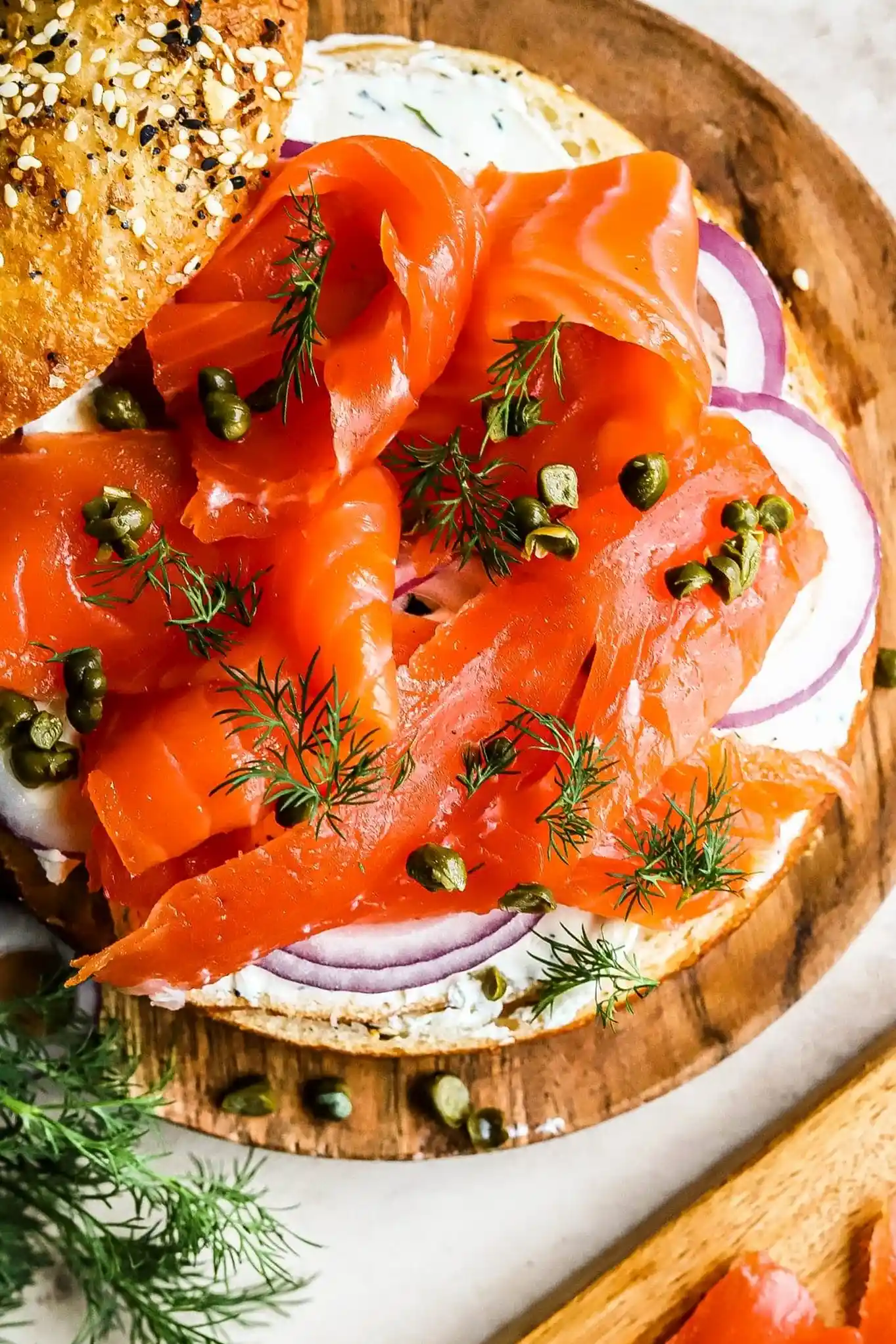
Serve your cured salmon alongside toasted bagels, a variety of cream cheeses, and thinly sliced cucumbers or radishes. The crunch of the fresh vegetables acts as the perfect contrast to the velvety, cured texture of the fish, making every bite feel balanced and intentional.
Pairing with savory spreads
A simple mixture of crème fraîche with a touch of fresh chives or horseradish makes an excellent condiment for salmon gravlax. The creamy, slightly tangy nature of the base allows the seasoning of the salmon to shine without overpowering its delicate, cured character.
Proper storage and handling
Storing sliced leftovers
Once the salmon has been sliced, place any remaining portions in an airtight container or wrap them tightly in high-quality plastic wrap. Keep the container in the coldest section of your refrigerator and aim to consume the fish within 24 hours to ensure the best flavor and safety profile.
Maintaining the cure integrity
Never leave the cured salmon at room temperature for extended periods during the slicing or serving process. Keep the fish chilled until the exact moment you are ready to plate it, as the temperature affects the texture and keeps the oils stable for the best possible mouthfeel.
Frequently Asked Questions
Is it necessary to use high-quality salmon?
Yes, because the curing process does not involve heat, you must use the freshest, highest-quality fish available to ensure the best flavor and safety. Always communicate with your fishmonger about your intention to cure the fish so they can provide the most appropriate cut.
Can I reuse the curing mixture?
No, the curing mixture should be discarded after one use because it has absorbed moisture and fish oils during the process. Reusing the cure can introduce unwanted bacteria and lead to an uneven, overly salty flavor that will compromise the quality of your next batch.
How do I know when the fish is cured correctly?
The fish is properly cured when it feels firm to the touch and the flesh has turned a more opaque, slightly deeper shade of pink. If the edges feel overly dry or the center remains completely soft, simply adjust your timing in the refrigerator by a few hours in future batches to better suit the specific thickness of your fillet.
Can I freeze the salmon after curing?
While you can technically freeze the cured salmon, the freezing and thawing process can break down the delicate structure of the meat, resulting in a mushy texture. For the best experience, always plan to consume the entire fillet within a day or two of finishing the curing process.
How thin should the slices be?
Aim for paper-thin slices by using a very sharp, long, and flexible knife, which allows you to cut horizontally along the surface of the fillet. Steady, fluid strokes are the key to achieving professional-looking slices that hold their shape and provide the most pleasant eating experience.
Print
Salmon Gravlax (Cured Salmon Recipe)
- Total Time: PT48H
- Yield: 13 oz 1x
- Diet: Pescatarian
Description
Salmon gravlax is an easy cured salmon recipe that’s perfect for brunch or any occasion! This Scandinavian-style dish features a clean, balanced flavor achieved by curing high-quality salmon with a blend of salt, sugar, and fresh herbs.
Ingredients
- 1/2 cup kosher salt
- 1/3 cup granulated sugar
- 1 tablespoon smoked sea salt
- 1 tablespoon brown sugar
- 2 teaspoons lemon zest
- 1 tablespoon black peppercorns (lightly crushed)
- 8 sprigs fresh dill
- 1 teaspoon ground coriander
- 1 lb. high-quality skin-on salmon fillet
Instructions
- Step: Combine the salt, sugar, lemon zest, peppercorns, coriander, and fresh dill in a mixing bowl and toss to combine.
- Step: Find a glass or ceramic dish that fits your salmon and pour 1/3 of the cure into the bottom of the dish.
- Step: Place the salmon on top. Bury the salmon with the remaining cure, ensuring that the dill is arranged both under and on top of the salmon.
- Step: Cover with plastic wrap and transfer to a refrigerator for 2 days, up to 3 days (or as little as 24 hours for a lighter cure).
- Step: After 2-3 days, remove the salmon from the cure and rinse the excess off the salmon with cold water. Pat very dry with paper towels.
- Step: Using a sharp, flexible knife, thinly slice the salmon away from the skin. Serve immediately.
Notes
Store the sliced salmon in an airtight container in the refrigerator for up to 1 day for best quality. Always use the highest quality fresh salmon available for curing.
- Prep Time: PT5M
- Cook Time: PT0M
- Category: Main Dishes
- Method: Curing
- Cuisine: Scandinavian
Nutrition
- Serving Size: 2 oz
- Calories: 70 kcal
- Sugar: 1 g
- Sodium: 670 mg
- Fat: 3 g
- Saturated Fat: 0.5 g
- Unsaturated Fat: 2.5 g
- Trans Fat: 0 g
- Carbohydrates: 1 g
- Fiber: 0 g
- Protein: 12 g
- Cholesterol: 10 mg
Keywords: salmon, gravlax, cured salmon, brunch, appetizer