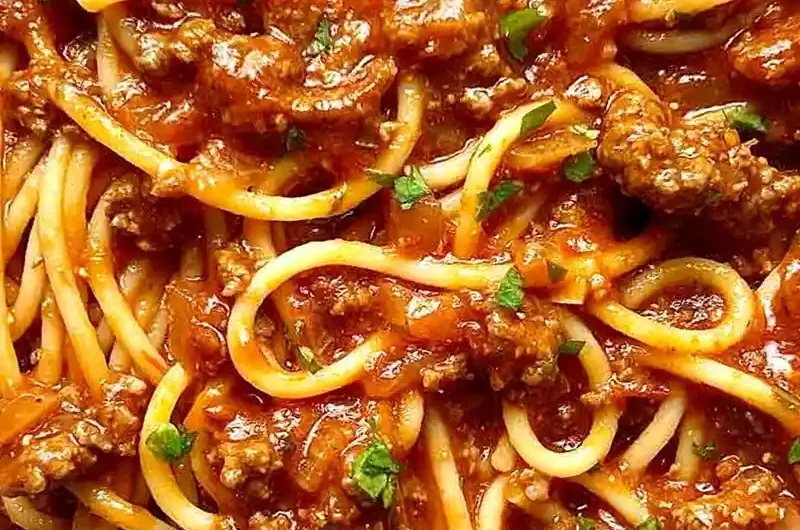
Prepare a rich and hearty meat sauce in just 45 minutes. This recipe delivers deep flavor without needing to simmer for hours, making it perfect for weeknight meals.
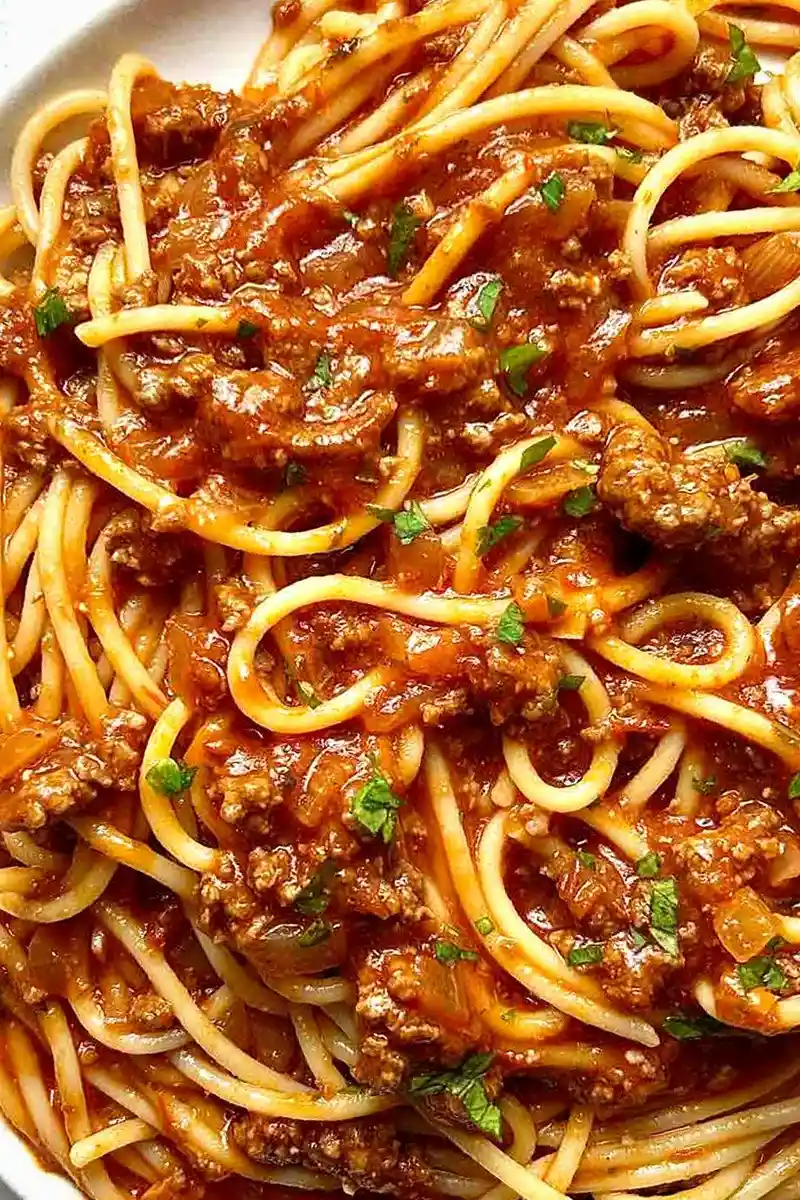
List of ingredients
- 2 tablespoons extra virgin olive oil – used for sautéing
- 1 pound lean ground beef – the primary protein
- 1 yellow onion (finely diced) – adds aromatic sweetness
- 4 cloves garlic (minced) – provides pungent flavor
- 1 (6-ounce) can tomato paste – concentrates the tomato taste
- 2 cups low-sodium chicken stock (or vegetable broth) – creates the sauce base
- 2 (15-ounce) cans crushed tomatoes (or diced tomatoes) – adds bulk and texture
- 1 tablespoon granulated sugar – balances the acidity
- 1 teaspoon dried basil – classic Italian herb
- 1 teaspoon dried oregano – adds earthy notes
- 1 teaspoon salt – enhances all flavors
- ¼ teaspoon ground black pepper – adds a subtle spicy kick
step-by-step instructions
- Sauté Aromatics: Heat the olive oil in a large pot over medium-high heat. Add the ground beef, onions, and garlic, and cook for 6-8 minutes until the beef is no longer pink.
- Caramelize Paste: Add the tomato paste and cook for 1 minute. This step helps develop a deeper, richer flavor profile.
- Simmer Sauce: Add the chicken stock, crushed tomatoes, sugar, basil, oregano, salt, and black pepper. Bring to a boil over high heat, then reduce to a gentle simmer and cook for 20-30 minutes.
- Final Touch: Taste and add more salt or black pepper to taste. Serve with your favorite spaghetti, meatballs, and garnish with parmesan cheese.
Advanced Cooking Techniques
Properly Browning the Ground Beef
Ensure your pot is sufficiently hot before adding the meat to achieve a deep brown sear. Avoid stirring the beef constantly, as letting it sit for a minute allows the Maillard reaction to occur. This process creates complex flavor compounds that a grey, steamed meat lacks.
Developing the Tomato Paste
Cooking the tomato paste directly with the meat and aromatics removes the raw, metallic taste often found in canned pastes. This brief frying process caramelizes the natural sugars in the tomatoes. It results in a more concentrated and sweet base for the rest of the sauce.
Maintaining a Consistent Simmer
Once the sauce reaches a boil, immediately drop the heat to a low simmer. A gentle bubble prevents the sauce from splashing and ensures the liquid reduces slowly and evenly. If the heat is too high, you risk burning the sugars in the tomato paste at the bottom of the pot.
Ingredient Substitutions
Replacing Beef with Ground Turkey
You can substitute lean ground turkey for beef if you prefer a lighter protein option. Since turkey has a milder flavor, you may want to increase the garlic or add a pinch more salt. Ensure you use a bit more olive oil if the turkey is exceptionally lean to prevent sticking.
Using Vegetable Broth Instead of Chicken Stock
Vegetable broth is an excellent alternative for those avoiding animal-based stocks. It provides the necessary liquid for simmering while maintaining a savory depth. Most store-bought low-sodium vegetable broths work perfectly without altering the final taste of the sauce.
Substituting Dried Herbs for Fresh
If you prefer fresh basil and oregano, use approximately three times the amount listed in the recipe. Add fresh herbs during the last five minutes of simmering to preserve their bright color and volatile oils. Dried herbs are better for long simmers, while fresh herbs provide a more aromatic finish.
Alternative Sweeteners for Acidity Balance
If you do not have granulated sugar, honey or maple syrup can be used as a replacement. Use a small amount and taste frequently, as liquid sweeteners can be more potent. These alternatives provide a similar balance to the natural acidity of the crushed tomatoes.
Customizing Your Sauce
Incorporating Root Vegetables
Finely diced carrots and celery can be added during the initial sautéing phase with the onions. This creates a ‘soffritto’ base, which is traditional in many Italian meat sauces. These vegetables add subtle sweetness and extra nutritional value to every serving.
Adjusting the Spice Level
For those who enjoy a bit of heat, add a half-teaspoon of crushed red pepper flakes. You can also stir in a pinch of cayenne pepper for a more consistent warmth throughout the sauce. Add these spices when you add the tomato paste for maximum flavor extraction.
Adding a Creamy Texture
Stirring in a tablespoon of unsalted butter or a splash of heavy cream at the very end can mellow the sauce. This technique reduces the sharp edge of the tomatoes and creates a velvety mouthfeel. It is a great way to make the sauce feel more indulgent for special occasions.
Serving Suggestions
Selecting the Ideal Pasta Shape
While spaghetti is the classic choice, larger shapes like rigatoni or penne are excellent for meat sauces. The ridges and hollow centers of these pastas trap the beef and tomato bits more effectively. This ensures you get a balanced ratio of meat and pasta in every bite.
Pairing with Side Dishes
Serve this sauce alongside a piece of toasted garlic bread to scoop up any remaining sauce from the plate. A crisp green salad with a light vinaigrette also provides a refreshing contrast to the richness of the beef. Roasted broccoli or asparagus are great vegetable additions to the meal.
Garnishing for Presentation
Finish the dish with a generous dusting of freshly grated parmesan or pecorino romano cheese. The saltiness of the cheese complements the sweetness of the tomatoes perfectly. A few torn leaves of fresh basil added on top provide a professional, vibrant look.
Storage and Preservation
Refrigeration Guidelines
Store any leftover sauce in an airtight glass container in the refrigerator. It will stay fresh and safe to eat for up to four days. Often, the flavors meld and deepen overnight, making the leftovers taste even better the next day.
Freezing for Long-Term Use
This sauce freezes exceptionally well for several months. Portion the cooled sauce into freezer-safe bags or containers, leaving a small amount of space for expansion. Squeeze out as much air as possible to prevent freezer burn and preserve the taste.
Safe Thawing Methods
The best way to thaw frozen sauce is to place it in the refrigerator 24 hours before you plan to eat it. For a faster method, you can submerge the sealed bag in a bowl of cool water. Avoid thawing the sauce in the microwave to prevent uneven heating and hotspots.
Reheating Instructions
Stovetop Reheating Method
Heat the sauce in a small saucepan over low-medium heat. Stir frequently to ensure the beef is heated evenly throughout. Add a tablespoon of water or beef broth if the sauce has thickened too much during storage.
Microwave Reheating Tips
Place the sauce in a microwave-safe bowl and cover it with a lid or damp paper towel to prevent splattering. Heat in one-minute intervals, stirring between each session. This ensures the sauce is heated thoroughly without boiling over.
Adjusting Consistency After Reheating
Sauces often thicken when cooled. If the reheated sauce seems too dense, stir in a small amount of the starchy water used to boil your pasta. This emulsifies the sauce and gives it a glossy, restaurant-style finish.
Troubleshooting Common Issues
Correcting Excessive Acidity
If the sauce tastes too sharp or acidic, add another pinch of sugar or a small knob of butter. The fat in the butter helps neutralize the acid and smooths out the flavor profile. Always taste again after adding these corrections to avoid making the sauce too sweet.
Thickening a Watery Sauce
If your sauce is too thin after the initial simmer, remove the lid and continue cooking over medium-low heat. This allows the excess water to evaporate naturally while the flavors concentrate. Be careful not to over-reduce, or the sauce may become too salty.
Thinning Out a Thick Sauce
If the sauce becomes too thick or pasty, whisk in a few tablespoons of beef broth or water. Add the liquid slowly, stirring constantly until you reach your preferred consistency. This is especially helpful when reheating frozen sauce.
Frequently Asked Questions
Can I use diced tomatoes instead of crushed?
Yes, you can use diced tomatoes, but the resulting sauce will have a chunkier, more rustic texture. If you prefer a smooth sauce but only have diced tomatoes, you can pulse them in a food processor or use an immersion blender before adding them to the pot.
How do I prevent the sauce from separating?
Separation usually happens if too much fat is left in the pan after browning the beef. If you see a layer of oil on top, you can skim it off with a spoon or use a paper towel to soak up the excess fat before adding the tomato paste.
Can this recipe be made in a slow cooker?
Yes, but you should still brown the beef, onions, and garlic in a pan first for the best flavor. Once browned, transfer everything to the slow cooker and cook on low for 6-8 hours or high for 3-4 hours. This results in an even deeper flavor profile.
Which beef fat percentage is best for this sauce?
Lean ground beef (90/10 or 93/7) is recommended to avoid an overly greasy sauce. If you use a higher fat beef, like 80/20, be sure to drain the excess grease from the pot after browning the meat but before adding the tomato paste.
Print
Savory Homemade Beef Pasta Sauce
- Total Time: 45 minutes
- Yield: 6 servings 1x
- Diet: General
Description
This has been my go-to homemade spaghetti sauce for over 10 years. It is one of my favorite and most frequently made recipes.
Ingredients
- 2 tablespoons extra virgin olive oil
- 1 pound lean ground beef
- 1 yellow onion (finely diced)
- 4 cloves garlic (minced)
- 1 (6-ounce) can tomato paste
- 2 cups low-sodium vegetable broth
- 2 (15-ounce) cans crushed tomatoes
- 1 tablespoon granulated sugar
- 1 teaspoon dried basil
- 1 teaspoon dried oregano
- 1 teaspoon salt
- ¼ teaspoon ground black pepper
Instructions
- Step 1: Heat the olive oil in a large pot over medium-high heat. Add the ground beef, onions, and garlic, and cook for 6-8 minutes until the beef is no longer pink.
- Step 2: Add the tomato paste and cook for 1 minute.
- Step 3: Add the chicken stock, crushed tomatoes, sugar, basil, oregano, salt, and black pepper. Bring to a boil over high heat, then reduce to a gentle simmer and cook for 20-30 minutes.
- Step 4: Taste and add more salt or black pepper to taste. Serve with your favorite spaghetti, meatballs, and garnish with parmesan cheese. Enjoy!
Notes
The key to the deep, rich flavor is using a whole tin of tomato paste. You can also use fresh oregano and basil if preferred.
- Prep Time: 15 minutes
- Cook Time: 30 minutes
- Category: Main Course
- Method: Simmering
- Cuisine: American, Italian
Nutrition
- Serving Size: 1 serving
- Calories: 310 kcal
- Sugar: 6 g
- Sodium: 780 mg
- Fat: 18 g
- Saturated Fat: 6 g
- Unsaturated Fat: 11 g
- Trans Fat: 0 g
- Carbohydrates: 14 g
- Fiber: 3 g
- Protein: 22 g
- Cholesterol: 65 mg
Keywords: homemade spaghetti sauce, meat sauce, Italian-American sauce, quick pasta sauce