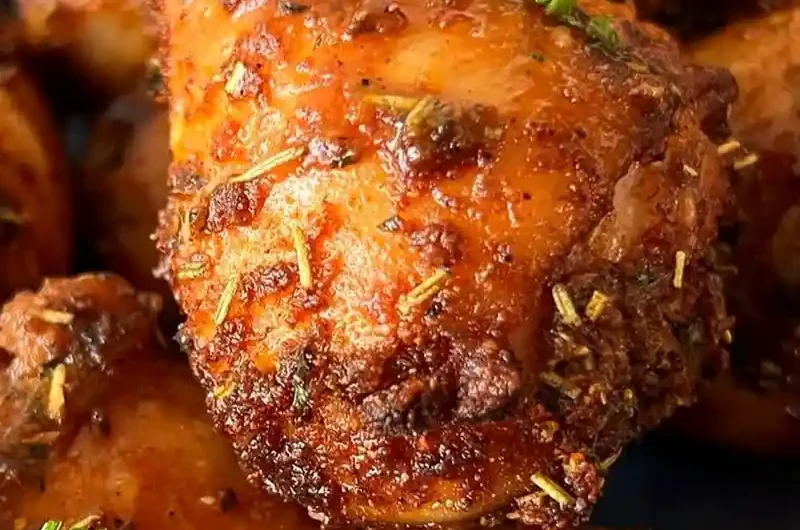
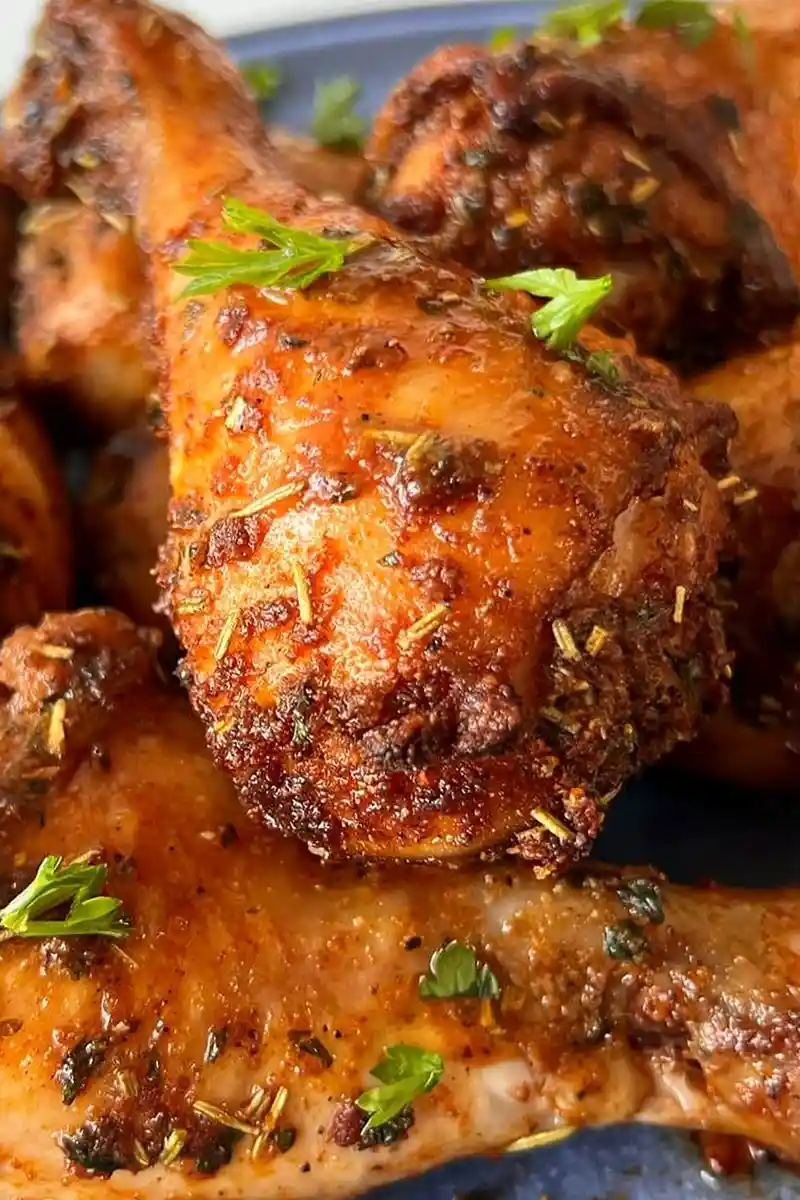
These oven-baked chicken legs are seasoned with a robust blend of herbs and roasted at a high temperature for a perfectly crisp exterior. This straightforward method ensures the meat remains tender and juicy while achieving a deep golden-brown finish.
List of ingredients
- 6 chicken legs – use drumsticks for consistent cooking.
- 2 tsp paprika – adds color and a mild sweetness.
- 1.5 tsp kosher salt – enhances all the savory flavors.
- 1 tsp onion powder – provides a concentrated savory base.
- 1 tsp garlic powder – adds a pungent, aromatic depth.
- 1 tsp rosemary, dried – brings an earthy, pine-like aroma.
- 1 tsp parsley flakes – adds a mild, grassy freshness.
- ½ tsp ground black pepper – provides a subtle heat.
- ½ tsp ground mustard – adds a slight tang and depth.
- 1 tbs olive oil – helps seasonings stick and crisps the skin.
step-by-step instructions
- Preheat: Set your oven to 425°F to ensure a hot environment for searing the skin.
- Prepare Chicken: Pat the chicken legs dry with a paper towel and trim away any excess skin or loose bits.
- Oil Coating: Place the chicken legs in a large ziptop bag and add olive oil, shaking well to coat each piece.
- Season: Pour the seasoning mix into the bag, seal it, and shake or massage the chicken to distribute the spices evenly.
- Prep Pan: Line a baking sheet with aluminum foil and spray it thoroughly with non-stick cooking spray.
- Roast: Arrange the legs on the baking sheet on the middle rack and bake for 40 minutes, turning them halfway through.
- Check Temp: Use a thermometer to ensure an internal temperature of at least 165°F, though 185-195°F is ideal for tenderness.
- Rest: Let the chicken rest for several minutes before serving to keep the juices inside.
Perfecting the Texture and Finish
Drying the Skin Thoroughly
Use heavy-duty paper towels to pat every chicken leg completely dry before adding oil. Removing surface moisture is critical because water creates steam in the oven, which prevents the skin from crisping. This step ensures the seasoning adheres better and the Maillard reaction occurs efficiently.
The Role of Olive Oil
Olive oil acts as a binder for the dry spices, preventing them from blowing off or clumping. It also conducts heat more efficiently than air, helping the skin reach a golden-brown state faster. For those preferring higher smoke points, avocado oil is an excellent alternative.
Managing Oven Temperature
Maintaining a steady 425°F is essential for achieving the contrast between a crisp exterior and juicy interior. If the oven is too cool, the chicken will steam rather than roast, leading to rubbery skin. Ensure your oven is fully preheated before sliding the tray inside.
Avoiding Pan Overcrowding
Leave at least one inch of space between each chicken leg on the baking sheet. When pieces touch, they trap moisture and steam each other, which ruins the crispiness of the skin. If cooking a larger batch, use two separate baking sheets rather than crowding one.
Using a Wire Rack
For even better airflow, place a wire cooling rack on top of your foil-lined baking sheet. This allows hot air to circulate under the chicken, eliminating the need to turn the legs halfway through. It prevents the bottom of the leg from becoming soggy in its own juices.
Flavor Modifications and Substitutions
Smoked Paprika Variation
Replace the standard paprika with smoked paprika to introduce a deep, woody flavor. This creates a profile similar to grilled or barbecued chicken without needing a grill. It adds a layer of complexity that complements the rosemary and garlic.
Adding Spicy Elements
To introduce a heat kick, stir in ½ teaspoon of cayenne pepper or a teaspoon of crushed red pepper flakes. These additions work well with the existing savory profile and are great for game-day appetizers. Adjust the amount based on your preferred spice tolerance.
Herb Alternatives
If you do not have rosemary, dried thyme or oregano serve as excellent replacements. Thyme provides a more subtle, lemony note, while oregano adds a Mediterranean flair. Keep the quantity the same to maintain the balance of the rub.
Garlic and Onion Powder Substitutes
While powders are best for roasting, you can use a small amount of garlic paste if necessary. However, avoid using fresh minced garlic in this high-heat oven recipe, as it can burn and become bitter. The powders provide a more consistent coating and flavor distribution.
Salt Type Considerations
Kosher salt is recommended due to its larger grains, which distribute more evenly over the skin. If using fine table salt, reduce the measurement slightly to avoid over-salting the meat. Always season generously to penetrate the thick skin of the drumstick.
Strategic Serving Suggestions
Roasted Vegetable Pairings
Roast carrots, parsnips, or Brussels sprouts on a separate tray at the same temperature. Toss them in olive oil and salt to match the savory profile of the chicken. These vegetables cook in a similar timeframe, making for an efficient one-oven meal.
Fresh Salad Accompaniments
Serve the rich, savory chicken with a crisp green salad and a vinaigrette. The acidity of a lemon or apple cider vinegar dressing cuts through the fat of the chicken skin. A simple arugula salad with shaved parmesan is a sophisticated pairing.
Starch-Based Sides
Garlic mashed potatoes or a wild rice pilaf provide a hearty base for the roasted legs. The juices from the chicken can be drizzled over the starch for extra flavor. For a lighter option, try roasted cauliflower florets or quinoa.
Complementary Dipping Sauces
While the chicken is flavorful on its own, a side of honey mustard or a garlic aioli adds a nice contrast. A tangy BBQ sauce can also be used for dipping to add sweetness and acidity. Keep sauces on the side to preserve the crispness of the roasted skin.
Plating for Presentation
Arrange the legs in a circular pattern on a platter and garnish with fresh chopped parsley. Adding lemon wedges to the side allows guests to add a burst of freshness. A few sprigs of fresh rosemary can enhance the visual appeal and aroma.
Storage and Preservation
Optimal Refrigeration
Store leftover chicken in an airtight glass or plastic container once it has cooled to room temperature. Keep it in the main body of the refrigerator, avoiding the door where temperatures fluctuate. The chicken will remain safe to eat for 3 to 4 days.
Long-term Freezing
Wrap individual cooked legs tightly in aluminum foil and then place them in a heavy-duty freezer bag. Squeeze out as much air as possible to prevent freezer burn. Properly stored, these legs can be kept for up to 3 months.
Thawing Procedures
Transfer frozen chicken to the refrigerator 24 hours before you plan to eat it. Thawing slowly in the fridge preserves the texture of the meat better than rapid thawing. Avoid thawing on the counter to prevent bacterial growth.
Preventing Freezer Burn
Double-wrapping the chicken in both foil and a freezer bag is the best defense against ice crystals. Vacuum sealing is an even better option if you have the equipment. Ensure the meat is completely cold before freezing to prevent condensation inside the wrap.
Reheating for Quality
Oven Reheating Method
Place the chicken on a baking sheet and heat at 350°F for about 10 to 15 minutes. Cover the legs with foil for the first half of the process to keep them moist, then uncover to crisp the skin. This method best replicates the original roasted texture.
Air Fryer Restoration
The air fryer is the most efficient way to restore the crunch of the skin. Heat at 375°F for 3 to 5 minutes, turning once. This quickly evaporates surface moisture and renders the fat in the skin again.
Microwave Limitations
Avoid using the microwave if you value the texture of the skin, as it will become rubbery. If you must use it, heat on medium power and cover with a damp paper towel. This prevents the meat from drying out, though the skin will not be crisp.
Maintaining Juiciness
Do not overcook the chicken during the reheating process, as it has already been cooked once. Heat only until the internal temperature reaches 165°F. Overheating will cause the proteins to tighten and the meat to become dry.
Cooking Troubleshooting and FAQs
Why is the skin rubbery?
Rubbery skin is usually caused by too much moisture on the surface before cooking or oven temperatures that are too low. Ensure the chicken is patted dry and the oven is fully preheated to 425°F. Avoid overcrowding the pan to prevent steaming.
How to tell if it is done without a thermometer?
While a thermometer is best, you can check by piercing the thickest part of the leg with a fork. The juices should run clear rather than pink or cloudy. However, this is less accurate than checking for 185°F.
Can I use a different cut of chicken?
Yes, chicken thighs work very well with this seasoning and temperature. Thighs may require an extra 5 to 10 minutes depending on their thickness. Boneless cuts will cook much faster, so reduce the time to 20 to 25 minutes.
Why did the seasoning clump?
Clumping usually happens if the olive oil wasn’t distributed evenly or if the spices were added to a wet surface. Using a ziptop bag and shaking vigorously ensures a fine, even coating. Massage the chicken through the bag to break up any spice pockets.
Is 165 degrees sufficient?
While 165°F is the USDA safety minimum, dark meat contains more connective tissue. Heating to 185-195°F breaks down the collagen, making the meat fall-off-the-bone tender. This higher range significantly improves the eating experience.
Preparation Efficiency
Making a Dry Rub in Bulk
Mix a large batch of the paprika, salt, and herb blend and store it in a jar. This allows you to quickly season chicken for future meals without measuring every time. Keep the rub in a cool, dry place to maintain potency.
Using the Bag Method
The ziptop bag method is superior to bowl-mixing because it uses less oil to cover the entire surface. It also minimizes cleanup by keeping the mess contained. Ensure the bag is gallon-sized to allow enough room for the chicken to move.
Timing the Preheat
Start preheating your oven at least 20 minutes before you begin prepping the chicken. High-temperature ovens often take longer to stabilize than the display indicates. A stabilized oven prevents a temperature drop when the cold tray is inserted.
Organizing the Workspace
Set up a designated station with your paper towels, oil, and spice mix before starting. Have your baking sheet lined and sprayed before the chicken is seasoned. This streamlined workflow prevents the seasoned chicken from sitting too long at room temperature.
Print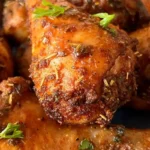
Savory Oven Roasted Chicken Drumsticks
- Total Time: 50 minutes
- Yield: 2–3 servings 1x
- Diet: General
Description
Expertly seasoned and oven roasted to perfection, these chicken drumsticks are so delicious, so juicy, so tender, you will not believe you made them with this simple recipe.
Ingredients
- 6 chicken legs
- 2 tsp paprika
- 1.5 tsp kosher salt
- 1 tsp onion powder
- 1 tsp garlic powder
- 1 tsp rosemary, dried
- 1 tsp parsley flakes
- ½ tsp ground black pepper
- ½ tsp ground mustard
- 1 tbs olive oil
Instructions
- Step: Preheat oven to 425°(F)
- Step: Pat chicken legs dry with a paper towel and trim any excess skin
- Step: Place chicken legs in a large ziptop bag and add olive oil. Close bag and shake to coat chicken well with the oil.
- Step: Add seasoning mix to bag, close and shake to get chicken well coated with seasoning.
- Step: Line a baking sheet with foil and spray with non-stick cooking spray.
- Step: Place chicken legs on baking sheet and place on middle rack of oven for 40 minutes, turning halfway.
- Step: Chicken must have internal temperature of at least 165°(F), but 185-195°(F) is ideal for best results.
- Step: Let rest for several minutes before serving.
Notes
For a deeper flavor, use smoked paprika instead of regular paprika. For a bit of heat, add ½ teaspoon of cayenne pepper and 1 teaspoon of crushed red pepper flakes. For optimal tenderness in dark meat, aim for an internal temperature of 185-195°F.
- Prep Time: 10 minutes
- Cook Time: 40 minutes
- Category: Dinner
- Method: Oven
- Cuisine: American
Nutrition
- Serving Size: 2 chicken legs
- Calories: 620 kcal
- Sugar: 2 g
- Sodium: 1150 mg
- Fat: 42 g
- Saturated Fat: 12 g
- Unsaturated Fat: 30 g
- Trans Fat: 0 g
- Carbohydrates: 5 g
- Fiber: 1 g
- Protein: 48 g
- Cholesterol: 210 mg
Keywords: oven baked chicken legs, roasted drumsticks, easy chicken recipe, seasoned chicken