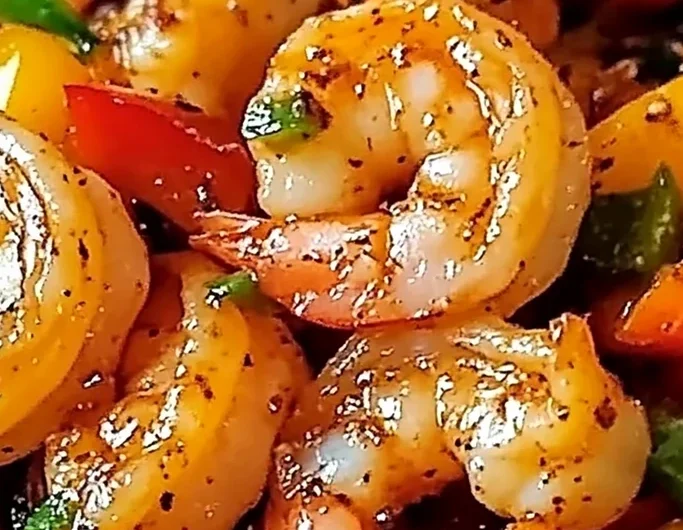
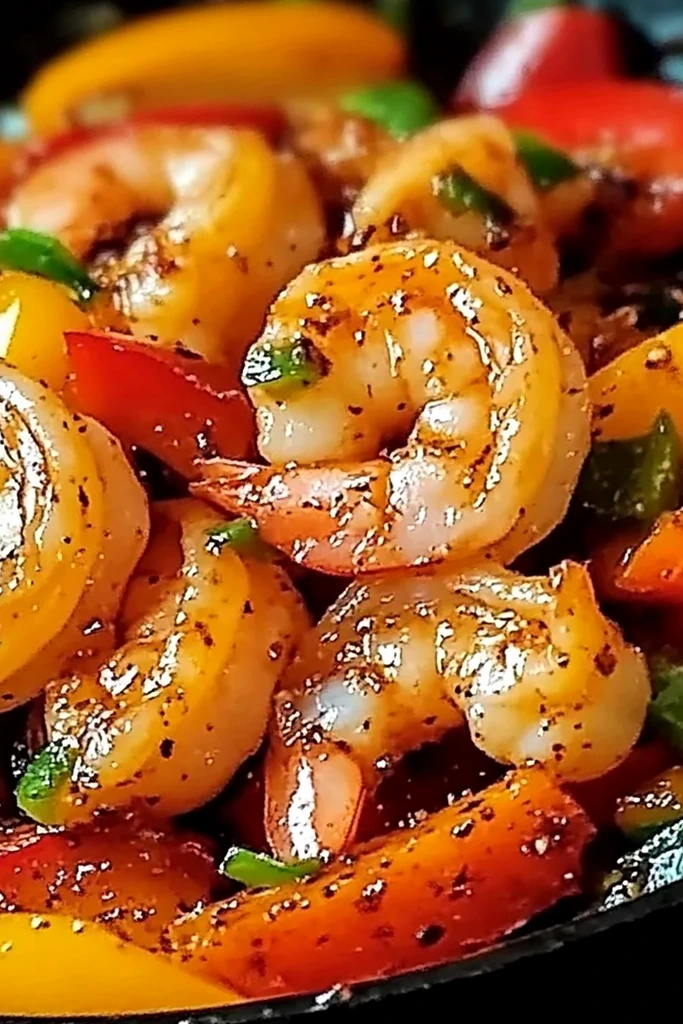
This shrimp and pepper stir-fry delivers a harmonious blend of tender, succulent shellfish and crisp, colorful bell peppers in a savory, aromatic sauce. Designed for efficiency and bold flavor, this dish transforms a few simple, fresh components into a restaurant-quality meal in under thirty minutes. Perfect for busy weeknights when you desire a nutritious, high-protein dinner that feels special without requiring extensive cleanup.
List of ingredients
- 1 pound shrimp, peeled and deveined
- 2 tablespoons vegetable oil
- 1 red bell pepper, sliced
- 1 yellow bell pepper, sliced
- 1 green bell pepper, sliced
- 3 cloves garlic, minced
- 2 tablespoons soy sauce
- 1 tablespoon oyster sauce
- 1 tablespoon cornstarch
- 1 teaspoon sesame oil
- Salt and pepper to taste
- Cooked rice or noodles for serving
step-by-step instructions
- Prep: Wash and cut the bell peppers into thin slices. Mince the garlic and set aside.
- Heat Oil: In a large skillet or wok, heat the vegetable oil over medium-high heat.
- Cook Shrimp: Add the shrimp to the hot pan and stir-fry for 3-4 minutes until pink and opaque. Remove shrimp and set aside.
- Sauté Peppers: In the same pan, add bell peppers and garlic. Stir-fry for 3-5 minutes until tender but crisp.
- Combine: Return shrimp to the pan. Add soy sauce, oyster sauce, sesame oil, and cornstarch mixed with a little water. Mix well.
- Final Touches: Cook for one additional minute to allow flavors to meld. Season with salt and pepper to taste.
- Serve: Remove from heat and serve immediately over cooked rice or noodles.
Refining Your Stir-Fry Technique
Mastering High Heat Cooking
The key to a successful stir-fry is maintaining high temperatures throughout the process. A crowded pan will lower the temperature too quickly, causing the shrimp to steam rather than sear, which often leads to a soggy result. By cooking in small batches or using a very large pan, you ensure that moisture evaporates quickly and the natural sugars in the peppers caramelize efficiently.
Achieving Uniform Slices
Consistency in the size of your vegetable cuts is more than just an aesthetic choice; it is essential for even cooking. Because peppers vary in thickness, cutting them into consistent half-inch strips ensures that no piece is left raw while another becomes mushy. This uniformity is what gives a professional-grade stir-fry its characteristic clean texture.
Managing Moisture Levels
If you find that your pan is accumulating too much liquid, verify that your shrimp were thoroughly patted dry with paper towels before hitting the heat. Excess water trapped on the shrimp surfaces creates steam, which is the enemy of a good stir-fry. Additionally, avoid adding salt too early, as it draws moisture out of the peppers and can create an unwanted pool of liquid at the bottom of your wok.
Effective Ingredient Substitutions
Swapping Proteins
While shrimp is the star of this dish, you can successfully substitute it with firm tofu, seitan, or thinly sliced chicken breast if desired. If using tofu, ensure you press the excess moisture out for at least twenty minutes before searing. For chicken, ensure it is cut into bite-sized pieces so it cooks through in the same timeframe as the peppers.
Expanding the Vegetable Base
Feel free to diversify the flavor profile by adding snap peas, broccoli florets, or water chestnuts. Snap peas offer a delightful crunch that complements the bell peppers, while sliced carrots provide a beautiful orange contrast. Remember to blanch harder vegetables like broccoli briefly in boiling water before adding them to the stir-fry to guarantee they reach perfect tenderness.
Gluten-Free Adjustments
Many traditional sauces contain wheat-based ingredients, but you can easily adapt this recipe for a gluten-free diet. Simply replace the standard soy sauce with tamari, which provides a similar savory depth without the gluten. Ensure that your oyster sauce is also labeled gluten-free, as some commercial brands incorporate wheat flour as a thickener.
Practical Serving and Storage Strategies
Enhancing the Plate
To elevate the dining experience, focus on textural contrasts and garnishes. Fresh green onions sliced on a sharp bias add a crisp, oniony bite, while toasted sesame seeds provide a subtle, earthy crunch. Placing a few cilantro leaves on top can also introduce a bright, herbaceous note that cuts through the savory richness of the oyster sauce.
Storing Leftovers
Should you have leftovers, allow the stir-fry to cool to room temperature before placing it into a shallow, airtight glass container. This helps maintain the structural integrity of the peppers and prevents the shrimp from becoming overly soft. Properly stored, the dish will stay fresh in the refrigerator for up to three days, though the quality is highest within the first twenty-four hours.
Reheating for Quality
Avoid the microwave if possible, as it tends to overcook the shrimp and make it tough. Instead, place the leftovers in a lightly oiled skillet over medium heat for two to three minutes. Stir constantly to ensure even heating and add a tiny splash of water or broth to help re-emulsify the sauce if it has thickened too much during refrigeration.
Common Kitchen Inquiries
How do I know when the shrimp are perfectly cooked?
The visual cues are very distinct: the shrimp should form a “C” shape when properly cooked, whereas they curl into a tight “O” shape when overcooked. Once they turn pink and opaque with a slight firmness to the touch, they are ready to be removed from the heat.
Can I prepare the ingredients in advance?
Yes, prepping your vegetables and measuring your sauces beforehand is a technique known as mise-en-place, and it is highly recommended for stir-fry recipes. You can slice the peppers and mince the garlic up to six hours in advance and keep them in sealed containers. This makes the actual cooking process incredibly fast and stress-free.
Why should I use a wok versus a skillet?
A wok is designed to circulate heat up the curved sides, which is ideal for tossing ingredients rapidly. If you do not have a wok, a large, wide-bottomed cast iron or stainless steel skillet is a fantastic alternative. Just ensure the pan is large enough to prevent overcrowding, allowing all ingredients to touch the bottom surface for proper browning.
Is the cornstarch step necessary?
The cornstarch acts as a binding agent that helps the savory sauce adhere to the surface of the shrimp and peppers rather than pooling at the bottom of the bowl. While it is optional, it is recommended if you enjoy a sauce that has a glossy, restaurant-style coating that holds its flavor in every bite.
Can I make this dish ahead for a party?
While this dish is best served immediately, you can partially cook the vegetables earlier in the day and keep them slightly under-done. When you are ready to serve, quickly sear the shrimp and toss everything back together to finish. This saves you significant time when guests arrive while keeping the vegetables crisp and fresh.
Print
Shrimp and Pepper Stir-Fry: The Ultimate Vibrant Dinner
- Total Time: 30 minutes
- Yield: 4 servings 1x
- Diet: Pescatarian
Description
An incredibly vibrant and flavorful stir-fry combining succulent shrimp with a colorful medley of bell peppers in a savory sauce. This quick, restaurant-quality meal is perfect for healthy weeknight dinners.
Ingredients
- 1 pound shrimp, peeled and deveined
- 2 tablespoons vegetable oil
- 1 red bell pepper, sliced
- 1 yellow bell pepper, sliced
- 1 green bell pepper, sliced
- 3 cloves garlic, minced
- 2 tablespoons soy sauce
- 1 tablespoon oyster sauce
- 1 tablespoon cornstarch
- 1 teaspoon sesame oil
- Salt and pepper to taste
- Cooked rice or noodles for serving
Instructions
- Prep: Wash and cut the bell peppers into thin slices. Mince the garlic and set aside.
- Heat Oil: In a large skillet or wok, heat the vegetable oil over medium-high heat.
- Cook Shrimp: Add the shrimp to the hot pan and stir-fry for 3-4 minutes until pink and opaque. Remove shrimp and set aside.
- Sauté Peppers: In the same pan, add bell peppers and garlic. Stir-fry for 3-5 minutes until tender but crisp.
- Combine: Return shrimp to the pan. Add soy sauce, oyster sauce, sesame oil, and cornstarch mixed with a little water. Mix well.
- Final Touches: Cook for one additional minute to allow flavors to meld. Season with salt and pepper to taste.
- Serve: Remove from heat and serve immediately over cooked rice or noodles.
Notes
Store leftovers in an airtight container in the refrigerator for up to 3 days or freeze for up to 2 months. To make gluten-free, use tamari instead of soy sauce.
- Prep Time: 15 minutes
- Cook Time: 15 minutes
- Category: Main Course
- Method: Stir-frying
- Cuisine: Asian-inspired
Nutrition
- Serving Size: 1 serving
- Calories: 350 kcal
- Sugar: 4g
- Sodium: 850mg
- Fat: 15g
- Saturated Fat: 2g
- Unsaturated Fat: 10g
- Trans Fat: 0g
- Carbohydrates: 22g
- Fiber: 3g
- Protein: 30g
- Cholesterol: 170mg
Keywords: shrimp stir-fry, bell pepper recipe, quick dinner, healthy stir-fry, easy seafood dinner