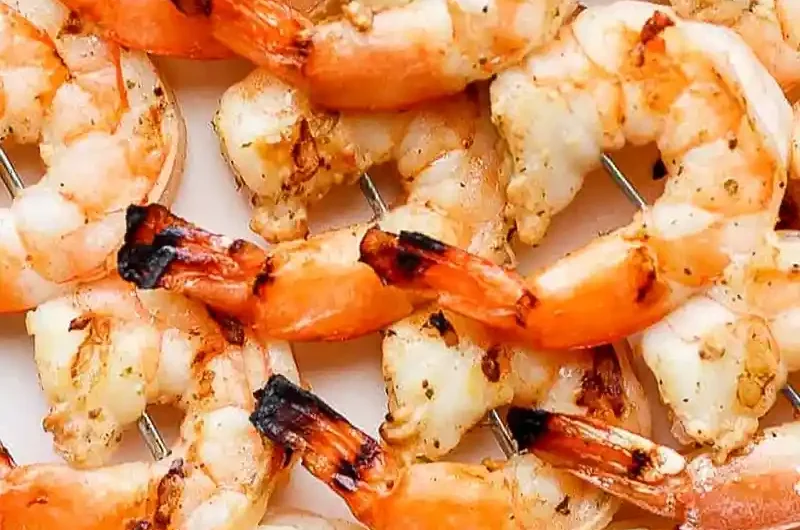
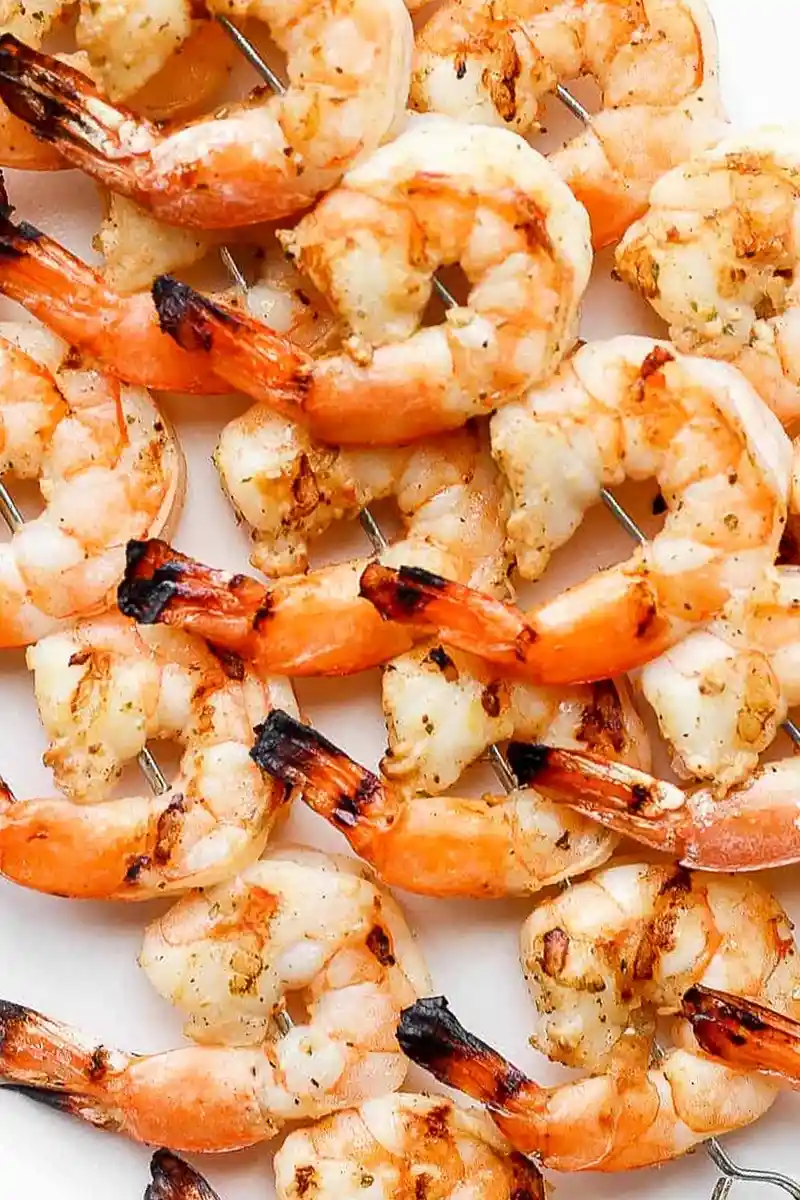
These perfectly charred shrimp skewers deliver incredible flavor in less than five minutes of active grill time. By utilizing a simple lemon and garlic-based marinade, you ensure that every bite is juicy, tender, and seasoned with the classic warmth of Old Bay. This dish is an efficient, high-protein main course that pairs beautifully with a wide variety of seasonal sides, making it a reliable choice for any night of the week.
List of ingredients
- 2 tablespoons olive oil (sub avocado oil)
- 1 tablespoon lemon juice
- 2 teaspoons garlic (minced)
- 1 teaspoon Old Bay seasoning
- ½ teaspoon soy sauce (sub tamari for gluten-free)
- ¼ teaspoon kosher salt
- ¼ teaspoon dried oregano leaves
- ⅛ teaspoon ground black pepper
- 1 pound jumbo shrimp (deveined and shelled, ensure thawed if previously frozen)
step-by-step instructions
- Prep: Ensure grill grates are clean and preheat grill to medium-high heat (Approx. 400-450℉).
- Marinate Shrimp: In a large bowl, add 2 tablespoons olive oil, 1 tablespoon lemon juice, 2 teaspoons garlic, 1 teaspoon Old Bay seasoning, ½ teaspoon soy sauce, ¼ teaspoon kosher salt, ¼ teaspoon dried oregano leaves, and ⅛ teaspoon ground black pepper. Whisk to combine. Toss 1 pound jumbo shrimp in the bowl with the marinade. Let marinate for 20-30 minutes.
- Skewer Shrimp: Taking a metal skewer, pierce the shrimp through the tail and then again through the thickest part and slide all the way to the bottom. Continue until all the shrimp are used.
- Grill: Place over direct heat and close lid. Let cook 2 minutes. Flip and close lid again. Let cook for an additional 1-2 minutes. Shrimp is done cooking when the meat is no longer translucent.
- Rest + Serve: Remove from grill and let rest 5 minutes. Serve and enjoy!
Optimal Grilling Techniques
Preventing Stuck Proteins
Before placing the shrimp onto the grates, wipe the bars with a paper towel lightly soaked in high-smoke-point oil. A clean, well-greased surface is the most important factor in keeping the shrimp intact when flipping. If you notice any stubborn residue on the grates, scrub them with a wire brush while they are still preheating to ensure a smooth cooking surface.
The Role of Proper Heat Management
Maintaining a consistent medium-high temperature is essential because shrimp have a very low tolerance for overcooking. If the heat is too low, the shrimp will turn rubbery while waiting for the color to change. By hitting that 400-450℉ target, you create a rapid sear that traps moisture inside the shell-less meat.
Choosing and Managing Seafood
Selecting the Correct Shrimp Size
Jumbo shrimp, typically categorized as 16-20 count per pound, are the gold standard for grilling. Their larger surface area allows them to stay juicy inside while developing a nice charred exterior. If you only have access to smaller varieties, consider using a grill basket instead of skewers to keep them from slipping between the grates.
Thawing Procedures for Quality Results
If your shrimp are frozen, always thaw them completely in a bowl of cold water in the refrigerator before marinating. Never attempt to grill semi-frozen shrimp, as the temperature difference will result in uneven cooking and inconsistent texture. Drying the shrimp with paper towels after thawing but before marinating helps the liquid seasonings adhere much better to the meat.
Understanding Marinade Dynamics
Managing Acidity Levels
Because the lemon juice contains natural acids, it is critical not to exceed the recommended 30-minute marination window. Extended exposure to acidic ingredients can begin to denature the delicate proteins of the shrimp, changing the texture from snappy to mushy. If you need to prepare the dish early, you can mix the dry spices and oil together in advance, but hold the lemon juice until right before the 30-minute window begins.
Why Skipping the Marinade Works
If you are in a rush, a dry rub of salt, pepper, and Old Bay can provide excellent results without the wait time. Simply toss the shrimp in the olive oil and apply the seasonings directly to the surface just before placing them on the grill. This method produces a more intense crust that highlights the natural sweetness of the shellfish without the added moisture from liquid marinades.
Strategic Serving Ideas
Building Balanced Meal Bowls
Grilled shrimp are incredibly versatile and serve as a fantastic protein anchor for rice or quinoa bowls. Top your bowl with sliced avocado, pickled red onions, and a drizzle of lime-cilantro sauce to complement the Old Bay profile. The coolness of the fresh vegetables creates a perfect contrast to the warm, smoky shrimp.
Enhancing Salad Presentations
Shrimp skewers can be easily de-skewered and served atop a crisp Caesar or garden salad. The smokiness from the grill provides a sophisticated element that replaces traditional croutons or heavy dressings. By adding fresh citrus segments to the salad, you tie the entire meal back to the lemon notes used in the marinade.
Handling and Storage
Preserving Leftovers Safely
Should you have leftovers, remove the shrimp from the skewers immediately after the initial resting period to stop the carryover cooking. Place the shrimp in an airtight container and store them in the coldest part of the refrigerator for no more than two days. Reheating should be done gently, perhaps in a skillet over low heat for just one minute, to avoid turning the protein rubbery.
Can You Freeze Prepared Shrimp?
While fresh is best, cooked shrimp can be frozen for up to a month in a vacuum-sealed bag. Note that the texture will be softer upon thawing, making them better suited for incorporating into soups, stews, or pasta sauces rather than eating as individual grilled skewers. Always thaw frozen cooked shrimp slowly in the refrigerator before using them in a new application.
Frequently Asked Questions
Should I use wooden or metal skewers for this recipe?
Metal skewers are generally more convenient because they conduct heat into the center of the shrimp and are reusable. If you choose wooden skewers, you must soak them in water for at least 30 minutes to prevent them from burning during the high-heat cooking process.
How do I know for sure if the shrimp are overcooked?
The best visual indicator is the shape of the shrimp. A perfectly cooked piece of shrimp will curl into a loose “C” shape. If the shrimp have curled into a tight, closed “O” shape, they have remained on the heat for too long and the texture will likely be tough or rubbery.
Is it necessary to remove the tail before grilling?
Removing the tail is purely a matter of personal preference. Leaving the tail on provides a convenient handle for eating and adds a slight bit of extra flavor during the cooking process. If you are serving these over pasta or in a bowl, removing them beforehand is often preferred for a cleaner dining experience.
Can I swap the Old Bay for another seasoning?
Absolutely, though the result will change the profile significantly. Cajun spice blends, smoked paprika with cumin, or even a simple lemon-pepper mix work very well with the base oil and garlic ratio. Maintain the same quantities for the best result when experimenting with your own spice cabinet favorites.
Why did my shrimp spin on the skewer?
This is a common occurrence with round-bodied shrimp. To stop this, use two skewers for each line of shrimp instead of one. This creates a ladder-like structure that keeps the shrimp stationary, making it much easier to flip the entire row of seafood at once without the pieces twisting around.
Print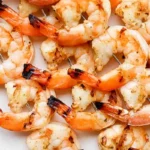
Shrimp Skewers on the Grill + Old Bay Marinade
- Total Time: PT30M
- Yield: 4 servings 1x
- Diet: Gluten-Free, Dairy-Free, Paleo, Whole30
Description
Our quick cooking Shrimp Skewers on the Grill + Old Bay Marinade are made with less than 10 ingredients and make the perfect main dish!
Ingredients
- 2 tablespoons olive oil (sub avocado oil)
- 1 tablespoon lemon juice
- 2 teaspoons garlic (minced)
- 1 teaspoon Old Bay seasoning
- ½ teaspoon soy sauce (sub tamari for gluten-free)
- ¼ teaspoon kosher salt
- ¼ teaspoon dried oregano leaves
- ⅛ teaspoon ground black pepper
- 1 pound jumbo shrimp (deveined and shelled, ensure thawed if previously frozen)
Instructions
- Prep: Ensure grill grates are clean and preheat grill to medium-high heat (Approx. 400-450℉).
- Marinate Shrimp: In a large bowl, add 2 tablespoons olive oil, 1 tablespoon lemon juice, 2 teaspoons garlic, 1 teaspoon Old Bay seasoning, ½ teaspoon soy sauce, ¼ teaspoon kosher salt, ¼ teaspoon dried oregano leaves, and ⅛ teaspoon ground black pepper. Whisk to combine. Toss 1 pound jumbo shrimp in the bowl with the marinade. Let marinate for 20-30 minutes.
- Skewer Shrimp: Taking a metal skewer, pierce the shrimp through the tail and then again through the thickest part and slide all the way to the bottom. Continue until all the shrimp are used.
- Grill: Place over direct heat and close lid. Let cook 2 minutes. Flip and close lid again. Let cook for an additional 1-2 minutes. Shrimp is done cooking when the meat is no longer translucent.
- Rest + Serve: Remove from grill and let rest 5 minutes. Serve and enjoy!
Notes
Leaving tails on is optional. If using wooden skewers, be sure to soak them for 30 minutes before grilling to reduce charring. The marinade is optional; salt and pepper alone also work well.
- Prep Time: PT5M
- Cook Time: PT5M
- Category: Dinner/Entree
- Method: Grilling
- Cuisine: American
Nutrition
- Serving Size: 1 serving
- Calories: 148 kcal
- Sugar: 0.1 g
- Sodium: 830 mg
- Fat: 8 g
- Saturated Fat: 1 g
- Unsaturated Fat: 6 g
- Trans Fat: 0 g
- Carbohydrates: 2 g
- Fiber: 0.2 g
- Protein: 16 g
- Cholesterol: 143 mg
Keywords: grilled shrimp, shrimp skewers, old bay, quick dinner, gluten-free, paleo, healthy, seafood