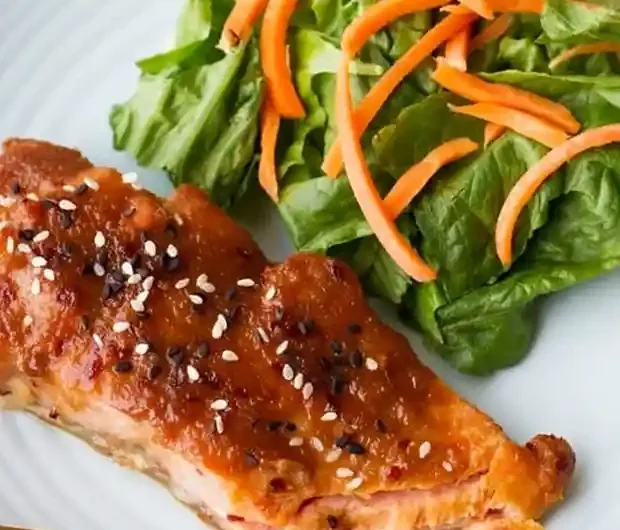
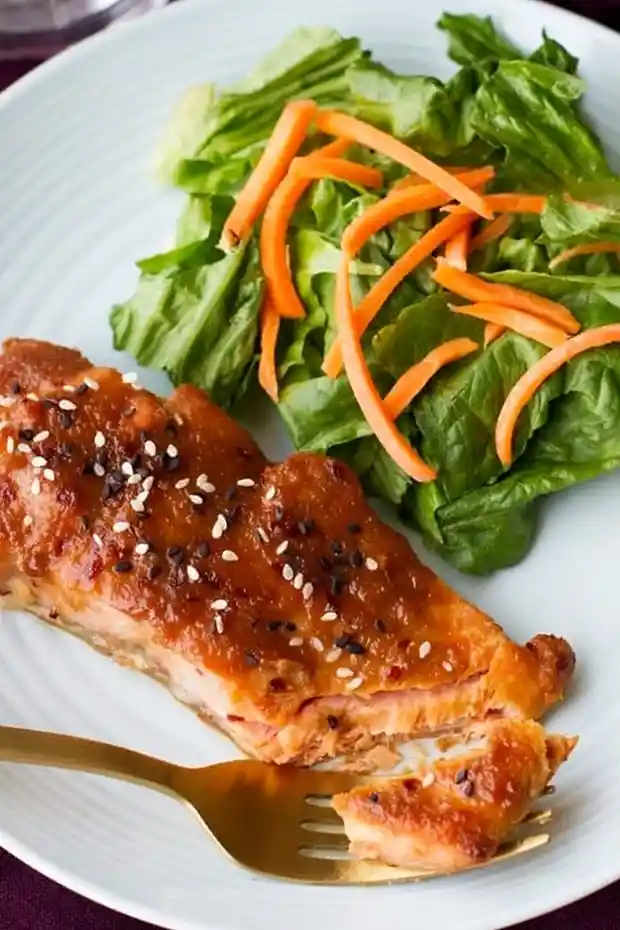
This recipe creates a savory and sweet glaze that enhances the natural flavor of salmon. It is a quick-prep meal perfect for weeknights or formal dinner parties.
List of ingredients
- 2 tablespoons miso paste – provides a salty, umami base.
- 1 tablespoon soy sauce – adds depth and salty complexity.
- 1 teaspoon ginger, grated – adds a fresh, zesty heat.
- 1 clove garlic, grated – provides a pungent aromatic flavor.
- 1/4 – 1/2 teaspoon red pepper flakes – adds a hint of spicy warmth to taste.
- 1 tablespoon brown sugar – balances the salt with a rich sweetness.
- 3 – 5 ounce pieces of coho or sockeye salmon – high-quality wild-caught fillets are recommended.
- Sesame seeds – optional garnish for added texture and visual appeal.
step-by-step instructions
- Prepare the marinade: In a medium bowl, combine the miso paste, soy sauce, ginger, garlic, red pepper flakes, and brown sugar. Stir the mixture well and allow the brown sugar to dissolve completely.
- Marinate the fish: Coat the salmon pieces in the glaze and let them marinate in the refrigerator for 30 minutes to 1 hour. Ensure the container is covered to keep the fish moist.
- Set up the oven: Preheat the oven to 425ºF and position the rack near the upper third of the oven. Line a baking sheet with a piece of aluminum foil for easy cleanup.
- Bake the fillets: Place the marinated salmon on the foil-lined baking sheet and drizzle each piece with an additional teaspoon of the marinade. Bake for 5-10 minutes until the salmon is tender and flakey in the center.
- Serve and garnish: Remove the salmon from the oven and serve while warm. Top with sesame seeds if desired, and pair with a side salad or rice.
Guidelines for Selecting Quality Salmon
Choosing Sockeye Salmon
Sockeye salmon is prized for its deep red color and intense, rich flavor profile. It contains a higher concentration of omega-3 fatty acids than many other varieties, which contributes to its nutrient density. This variety holds up exceptionally well against bold glazes because its strong flavor is not easily masked.
Choosing Coho Salmon
Coho salmon offers a milder taste and a lighter red hue compared to sockeye. It is an ideal choice for those who prefer a more subtle fish flavor. Because it is leaner, it absorbs the miso marinade efficiently without becoming overly oily during the baking process.
Why to Avoid Pink Salmon
Pink salmon generally has a much higher water content than sockeye or coho varieties. When baked, this excess moisture is released, which can prevent the glaze from adhering and leave the fish with a wet, soggy texture. Using higher-quality wild-caught options ensures a firm and flakey result.
Identifying Fresh Fillets
Fresh salmon should have firm flesh that springs back when lightly pressed. Avoid any fillets that have a strong, unpleasant fishy odor or an iridescent sheen on the surface. The color should be vibrant and consistent throughout the piece without any brown spots.
Understanding the Miso Glaze Components
Selecting the Right Miso Paste
White miso is generally sweeter and milder, making it the most popular choice for fish glazes. Red miso is fermented longer and has a saltier, more pungent taste that creates a bolder profile. Depending on your preference, you can swap white for red miso, but you may want to reduce the added soy sauce.
The Role of Brown Sugar
Brown sugar provides the necessary sweetness to balance the intense saltiness of the miso and soy sauce. It also aids in the caramelization process when exposed to the high heat of the oven. This creates a sticky, glossy finish on the surface of the salmon.
Adding Zest with Ginger and Garlic
Freshly grated ginger and garlic provide essential aromatic notes that cut through the richness of the fish. The ginger adds a subtle heat and brightness, while the garlic adds a savory depth. Using fresh aromatics is always preferable to powdered versions for a more vibrant taste.
Managing Salt Levels
Since both miso paste and soy sauce are high in sodium, there is no need to add extra salt to this recipe. The combination of these two ingredients provides more than enough seasoning for the salmon. If you are sensitive to salt, you can use a low-sodium soy sauce alternative.
Optimal Cooking Techniques
Achieving the Perfect Flake
Salmon is best when it is just cooked through and still moist in the center. Use a fork to gently press the thickest part of the fillet; if it separates easily along the natural lines, it is done. Overcooking salmon leads to a dry, chalky texture that ruins the delicacy of the fish.
Importance of Oven Rack Position
Placing the rack in the upper third of the oven exposes the salmon to more direct heat from the top elements. This encourages the sugar in the glaze to caramelize and brown more effectively. This positioning ensures a charred exterior while keeping the interior tender.
Using Aluminum Foil for Efficiency
Lining the baking sheet with aluminum foil prevents the sticky miso glaze from burning onto the pan. This makes the cleanup process significantly faster and prevents the salmon from sticking to the metal. For an even easier cleanup, you can use parchment paper on top of the foil.
Monitoring Internal Temperature
For those who prefer precision, use an instant-read meat thermometer to check the salmon. The USDA recommends an internal temperature of 145ºF (63°C), but many chefs prefer pulling it at 135ºF to 140ºF. Carry-over cooking will finish the process while the fish rests.
Ingredient Substitutions and Alternatives
Replacing Brown Sugar with Honey
Honey can be used as a direct replacement for brown sugar if you prefer a more floral sweetness. Since honey is a liquid, you may need to slightly reduce the amount of soy sauce to maintain the consistency of the glaze. It creates a very similar glossy finish upon baking.
Using Maple Syrup as a Sweetener
Maple syrup provides an earthy sweetness that pairs beautifully with the saltiness of the miso. It works particularly well with coho salmon, as the maple notes complement the milder fish flavor. Use an equal amount of pure maple syrup in place of brown sugar.
Tamari for a Gluten-Free Option
If you need a gluten-free alternative to soy sauce, tamari is the best choice. Tamari is made without wheat and provides a similar salty, umami flavor profile. Ensure your miso paste is also certified gluten-free, as some varieties contain barley.
Using Powdered Ginger and Garlic
If fresh ginger or garlic is unavailable, you can use the powdered versions from your pantry. Use 1/4 teaspoon of ground ginger to replace 1 teaspoon of fresh grated ginger. Use 1/8 teaspoon of garlic powder to replace one fresh clove of garlic.
Serving and Pairing Recommendations
Pairing with Steamed White Rice
Steamed jasmine or basmati rice is a classic accompaniment that absorbs the extra miso glaze. The neutral flavor of the white rice balances the intensity of the savory and sweet salmon. This combination makes the meal feel complete and satisfying.
Using Brown Rice for Extra Nutrition
Brown rice provides a nuttier flavor and a higher fiber content than white rice. The chewiness of the whole grain contrasts well with the tender texture of the baked salmon. It is a great option for those looking for a heartier, more filling meal.
Combining with a Fresh Green Salad
A bright, citrus-based green salad helps cut through the richness of the miso glaze. Use a mix of arugula, spinach, and cucumber with a lemon-olive oil dressing. This provides a refreshing contrast and adds essential vitamins to the plate.
Adding Steamed Bok Choy
Steamed or sautéed bok choy adds a beautiful green color and a mild peppery taste to the dish. The stalks of the bok choy provide a satisfying crunch that complements the soft salmon. Simply steam the greens for 3-5 minutes before serving.
Storage and Reheating Advice
Refrigerating Leftover Salmon
Store leftover salmon in an airtight container in the refrigerator for up to three days. Ensure the fish has cooled slightly before sealing the container to prevent excess moisture buildup. This helps maintain the integrity of the glaze during storage.
How to Reheat Without Overcooking
To reheat, place the salmon in a low oven (about 275ºF) for 10 minutes or use a microwave on medium power. If using a microwave, cover the fish with a damp paper towel to trap steam. This prevents the salmon from becoming dry and rubbery.
Freezing Cooked Salmon
Cooked salmon can be frozen for up to one month if wrapped tightly in foil and then placed in a freezer bag. Thaw the fish slowly in the refrigerator overnight before reheating. This method is convenient for meal prepping throughout the week.
Maximum Storage Duration
For the best taste and texture, it is recommended to consume the salmon within 72 hours of cooking. Beyond this point, the fats in the salmon can begin to oxidize, affecting the flavor. The glaze may also begin to separate or lose its gloss.
Troubleshooting Common Issues
Fixing a Glaze That Is Too Thick
If the miso paste is very dense and the glaze is too thick to drizzle, add a teaspoon of water. Stir slowly until the consistency is smooth and pourable. Be careful not to add too much liquid, as this could dilute the flavor of the marinade.
Preventing the Glaze from Burning
The high sugar content in the brown sugar can cause the glaze to burn if the oven is too hot or the fish is left too long. Keep a close eye on the fillets during the last 3 minutes of baking. If the top is browning too quickly, lower the rack one position.
Solving Dry Salmon Fillets
Dryness usually occurs when the salmon is overcooked or when the fillets are too thin for the suggested time. Reduce the baking time by 1-2 minutes for thinner cuts. Always check for flakiness rather than relying solely on the timer.
Adjusting for Extra Thick Cuts
Thicker fillets will require more time in the oven to reach the safe internal temperature. Add 2-3 minutes to the baking time if your pieces are thicker than one inch. Use a thermometer to ensure the center is cooked without drying the edges.
Frequently Asked Questions
Can I marinate the salmon overnight?
While you can marinate salmon overnight, it is not recommended. The salt in the miso and soy sauce can begin to cure the fish, changing the texture and making it firmer. A 30-minute to 1-hour window is optimal for maximum flavor without altering the structure.
Do I need to peel the salmon skin?
It is best to keep the skin on during the baking process. The skin acts as a barrier that protects the flesh from the direct heat of the pan, keeping the fish moister. You can easily slide the skin off after cooking if you prefer not to eat it.
Is it okay to use frozen salmon?
Yes, you can use frozen salmon, but it must be completely thawed before marinating. Thaw the fillets in the refrigerator for 12-24 hours to ensure an even temperature. Marinating frozen fish will not allow the flavors to penetrate the meat.
Can I use an air fryer for this recipe?
Yes, an air fryer can be used for a faster result. Set the air fryer to 400ºF and cook the marinated fillets for about 7 to 9 minutes. Ensure the basket is lined with parchment paper or lightly greased to prevent the glaze from sticking.
Print
Simple Miso Glazed Salmon Fillets
- Total Time: 50 minutes
- Yield: 3 servings 1x
- Diet: Pescatarian
Description
Easy to make Miso Glazed Salmon that requires just 7 simple ingredients! This is a meal that’s easy to throw together on a weeknight and still nice enough to serve for Sunday dinner!
Ingredients
- 2 tablespoons miso paste
- 1 tablespoon soy sauce
- 1 teaspoon ginger (grated)
- 1 clove garlic (grated)
- 1/4 – 1/2 teaspoon red pepper flakes
- 1 tablespoon brown sugar
- 3 – 5 ounce pieces of coho or sockeye salmon
- sesame seeds for garnishing (optional)
Instructions
- Marinate: In a medium bowl, combine the miso paste, soy sauce, ginger, garlic, red pepper flakes, and brown sugar, Allow the brown sugar to dissolve. Marinate the salmon for 30 minutes to 1 hour covered in the refrigerator.
- Preheat: Position a rack near the upper third of oven and preheat the oven to 425ºF. Line a baking sheet with a piece of aluminum foil.
- Bake: Place the salmon on the foil-lined baking sheet and drizzle each piece with a teaspoon of the marinade. Bake the salmon filets for 5-10 minutes or until the salmon is tender and flakey in the center. Depending on the thickness of the filet, it may take more or less time. Serve warm topped with sesame seeds, if desired.
Notes
I suggest using a good quality salmon for this recipe. Try to avoid using ‘pink salmon’ as this type of salmon is quite watery and will release lots of water in the baking process causing the fish to be wet and not flakey. Baking time may vary slightly depending on the thickness of the salmon.
- Prep Time: 40 minutes
- Cook Time: 10 minutes
- Category: Main Course
- Method: Baking
- Cuisine: Asian
Nutrition
- Serving Size: 1 piece of salmon
- Calories: 380 kcal
- Sugar: 8 g
- Sodium: 920 mg
- Fat: 22 g
- Saturated Fat: 4 g
- Unsaturated Fat: 18 g
- Trans Fat: 0 g
- Carbohydrates: 12 g
- Fiber: 1 g
- Protein: 32 g
- Cholesterol: 85 mg
Keywords: miso glazed salmon, easy salmon recipe, baked salmon, seafood dinner