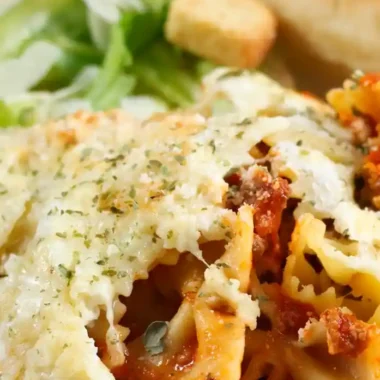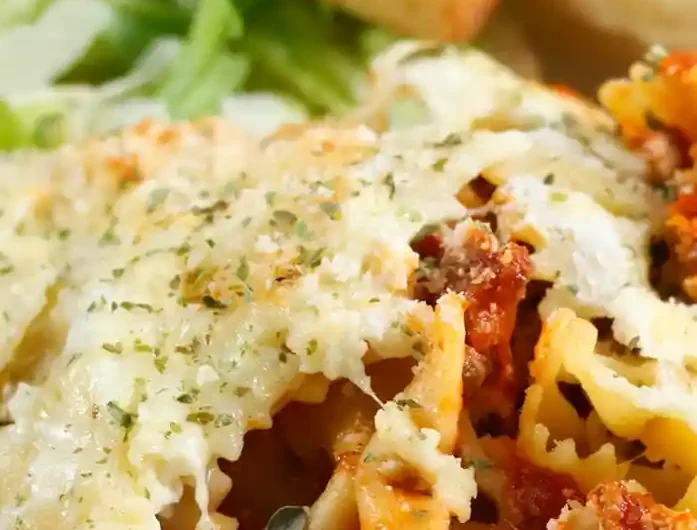
This slow cooker lasagna casserole provides a convenient way to enjoy classic flavors without the effort of layering traditional noodles. It uses bow tie pasta for a unique texture and easy assembly, making it ideal for family meals.
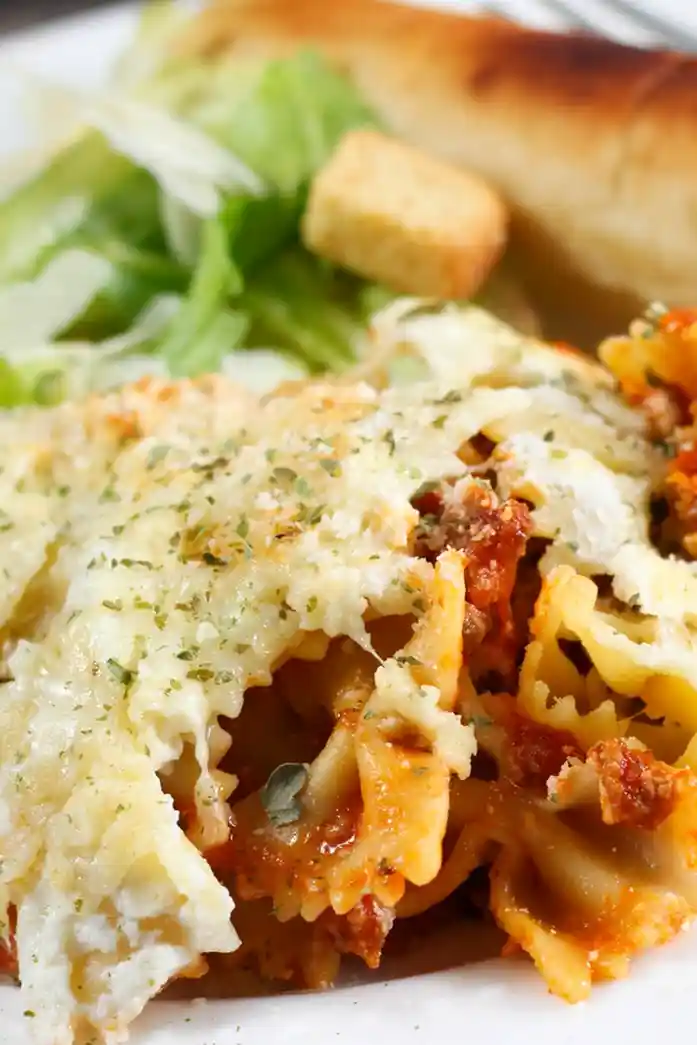
List of ingredients
- 1 lb. ground beef, browned – provides the protein base.
- 1 16 oz. pkg. farfalle (bow tie pasta), cooked – used instead of lasagna sheets.
- 1 25-28 oz. jar spaghetti sauce – the primary flavoring agent.
- 1 small onion, chopped – adds aromatic depth.
- 1 clove garlic, minced – enhances the savory profile.
- ½ tsp. Italian seasoning – adds a blend of dried herbs.
- salt and pepper to taste – basic seasoning for flavor balance.
- 15 oz. container ricotta cheese – creates the creamy layer.
- 2 Tablespoons milk – thins the ricotta for easier spreading.
- ¼ cup Parmesan cheese – adds a salty, sharp finish.
- 1 cup shredded mozzarella – provides the gooey, melted topping.
- Dried parsley to garnish – for a professional visual touch.
step-by-step instructions
- Brown the Beef: In a skillet over medium heat, cook beef until no longer pink, then drain the excess grease.
- Sauté Aromatics: Add the chopped onions to the skillet and cook until they become translucent.
- Add Garlic: Stir in the minced garlic and cook for exactly 1 minute longer to avoid burning.
- Combine Sauce: Turn off the heat and stir in the spaghetti sauce, salt, pepper, and Italian seasoning.
- Prepare Pasta: Cook the farfalle pasta until Al Dente, which usually takes about 8 minutes.
- Prepare Ricotta: Place the ricotta in a medium bowl and stir in the milk until the mixture is spreadable.
- Layer the Casserole: In a lightly greased 5 qt. slow cooker, start with half the spaghetti sauce, followed by half the pasta, half the ricotta, and half the mozzarella cheese.
- Repeat Layers: Repeat the layering process with the remaining sauce, pasta, ricotta, and mozzarella.
- Final Topping: Sprinkle the Parmesan cheese and dried parsley over the top layer.
- Cook: Set the slow cooker to high for about 1 1/2 hours or on low for about 3 hours.
Optimizing Meat Preparation
Choosing the Right Beef Fat Percentage
Using ground beef with an 80/20 lean-to-fat ratio provides the most flavor but requires thorough draining. If you prefer a leaner option, 90/10 beef reduces the need for grease removal but can result in a slightly drier texture. Always drain the fat after browning to ensure the sauce does not become oily.
Sautéing Onions for Depth
Cooking onions until translucent ensures they are soft and their natural sugars have released. This process removes the raw bite of the onion and integrates the flavor into the meat. Avoid browning the onions too deeply if you want a more subtle sweetness.
Managing Garlic Timing
Garlic burns much faster than onions, which can introduce a bitter taste to the sauce. Adding it only for the final minute of sautéing preserves its pungent aroma. If the pan is too hot, remove it from the burner before adding the garlic.
Perfecting the Pasta
Achieving the Al Dente Texture
Cooking the farfalle to Al Dente is critical because the pasta will continue to soften during the slow cooking process. If the pasta is fully cooked before entering the crock pot, it may become mushy. Aim for a firm center that still has a slight resistance when bitten.
Preventing Pasta Sticking
After draining the cooked pasta, you can toss it with a small amount of olive oil to prevent the pieces from clumping. This ensures that the pasta distributes evenly throughout the layers of the casserole. Avoid rinsing the pasta with cold water, as this removes the starch that helps the sauce adhere.
Benefits of Using Farfalle
Bow tie pasta is an excellent substitute for lasagna noodles because it requires no rolling or breaking. The shape creates small pockets that trap the sauce and cheese more effectively than flat noodles. It also makes the dish easier to scoop and serve.
Managing Cheese Components
Smoothing the Ricotta Mixture
Ricotta cheese can be quite thick and clumpy straight from the container. Adding milk allows you to whip the cheese into a smoother, more spreadable consistency. This ensures the creamy layer is even and does not leave large gaps of sauce or pasta.
Selecting the Best Mozzarella
For the best melt, use a high-moisture mozzarella cheese. While pre-shredded cheese is convenient, block mozzarella grated by hand often melts more smoothly because it lacks anti-clumping agents. Ensure the cheese is evenly distributed to create a consistent crust.
Using High-Quality Parmesan
Parmesan provides the necessary salty contrast to the creamy ricotta. Using a finely grated Parmesan allows it to dissolve slightly into the top layer of mozzarella. For a stronger flavor, choose a Parmesan Reggiano aged for at least 12 months.
Slow Cooker Execution
High vs Low Heat Settings
The high setting is ideal for those who need the meal ready in under two hours. The low setting provides a gentler heat that can further meld the flavors over three hours. Regardless of the setting, the goal is to heat the ingredients through and melt the cheese without drying out the sauce.
Preventing Liquid Buildup
Slow cookers trap steam, which can sometimes lead to excess liquid at the bottom of the pot. Using a thick spaghetti sauce and properly drained pasta helps mitigate this issue. If you notice too much liquid, you can slightly increase the amount of pasta or reduce the milk in the ricotta.
Choosing the Correct Vessel Size
A 5-quart slow cooker is the optimal size for this recipe to ensure there is enough room for layering. If using a larger pot, the layers may spread too thin, leading to faster evaporation. In a smaller pot, the ingredients may overflow or cook unevenly.
Ingredient Variations
Alternative Meat Options
Ground turkey or ground chicken can be used as a leaner substitute for beef. Ground bison is another flavorful option that is naturally lower in fat. Ensure you brown these meats thoroughly and season them with extra salt to maintain the savory profile.
Adding Vegetable Nutrition
Finely chopped spinach or shredded carrots can be stirred into the meat and sauce mixture. Sautéed mushrooms also add a hearty, earthy flavor that complements the Italian seasonings. These additions increase the nutritional value without altering the dish’s structure.
Customizing the Sauce
If you prefer a spicier profile, add a pinch of red pepper flakes to the sauce while sautéing the garlic. For a sweeter taste, a teaspoon of sugar can balance the acidity of the canned spaghetti sauce. You can also stir in a tablespoon of tomato paste for a thicker, richer consistency.
Serving and Pairing
Complementary Side Salads
A crisp Caesar salad with romaine lettuce and croutons provides a refreshing contrast to the heavy casserole. A garden salad with a light vinaigrette also works well to cut through the richness of the cheese. Avoid creamy dressings if you want a lighter overall meal.
Garlic Bread Preparation
Toasted baguette slices with garlic butter and parsley are the traditional accompaniment. You can wrap them in foil and place them in the oven during the final ten minutes of the casserole’s cooking time. This provides a crunchy texture to scoop up any remaining sauce.
Plating for Presentation
Use a wide spatula to lift a square section of the casserole to showcase the layers. Garnish the plate with a fresh sprig of parsley or a sprinkle of extra Parmesan. Serving in shallow bowls helps keep the heat contained while allowing the sauce to pool slightly.
Storage and Preservation
Refrigeration and Containers
Store leftovers in airtight glass containers to maintain freshness for up to four days. Ensure the casserole has cooled to room temperature before sealing the lid to prevent condensation. Glass containers are preferred over plastic to avoid staining from the tomato sauce.
Freezing and Thawing
This casserole can be frozen after the initial cooking process. Let it cool completely, wrap it tightly in foil, and place it in a freezer bag for up to three months. Thaw the casserole in the refrigerator overnight before reheating to ensure an even temperature.
Optimal Reheating Methods
To reheat, place a portion in an oven-safe dish and cover it with foil to prevent the cheese from drying out. Heat at 350°F until the center is hot. Alternatively, a microwave can be used, but adding a splash of water or sauce helps restore the moisture.
Common Troubleshooting
Fixing a Watery Casserole
If the dish appears too watery, it is often due to under-drained pasta or too much milk in the ricotta. You can fix this by simmering the meat sauce longer before layering. In the future, ensure the pasta is cooked slightly less than Al Dente.
Handling Overcooked Pasta
If the pasta becomes too soft, it is usually a result of cooking it too long on the stove before adding it to the crock pot. To prevent this, reduce the boiling time by two minutes. Once the dish is cooked, avoid over-stirring to maintain the structural integrity of the noodles.
Managing Burnt Edges
Burnt edges can occur if the slow cooker is set to high for too long or if the pot is not greased. Always apply a thin layer of oil or butter to the sides of the vessel. If edges burn, simply trim them away before serving.
Recipe FAQs
Can I make this without pre-cooking the pasta?
No, pre-cooking the pasta is necessary because farfalle requires more liquid and heat than a slow cooker typically provides in this layered format. Without pre-cooking, the pasta would remain hard or soak up all the sauce, leaving the dish dry.
Is it possible to make this vegetarian?
Yes, you can replace the ground beef with a plant-based meat substitute or a mixture of lentils and diced mushrooms. Ensure you sauté the substitute with the onions and garlic to maintain the savory base of the sauce.
Can I use a different type of slow cooker?
Any slow cooker will work as long as the capacity is around 5 quarts. If using a digital cooker with a timer, you can set it to low and let it cook while you are away. Just ensure the lid remains sealed to keep the moisture inside.
Print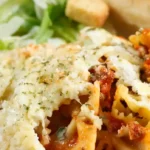
Slow Cooker Bow Tie Lasagna Casserole
- Total Time: 3 hours 20 minutes
- Yield: 8 servings 1x
- Diet: General
Description
An easier alternative to traditional lasagna with the same great taste the whole family loves, utilizing bow tie pasta and a slow cooker for convenience.
Ingredients
- 1 lb. ground beef (browned)
- 1 16 oz. pkg. farfalle (bow tie pasta, cooked)
- 1 25-28 oz. jar spaghetti sauce
- 1 small onion (chopped)
- 1 clove garlic (minced)
- ½ tsp. Italian seasoning
- salt and pepper to taste
- 15 oz. container ricotta cheese
- 2 Tablespoons milk
- ¼ cup Parmesan cheese
- 1 cup shredded mozzarella
- Dried parsley to garnish
Instructions
- Brown Beef: In a skillet over medium heat, cook beef until no longer pink, drain.
- Sauté Aromatics: Add onions and cook until translucent.
- Add Garlic: Add garlic and cook for 1 minute longer.
- Simmer Sauce: Turn off the heat and add the spaghetti sauce, salt and pepper and Italian seasoning.
- Prepare Pasta: Cook the pasta until Al Dente about 8 minutes.
- Prepare Ricotta: Place the ricotta in a medium bowl and add the milk until spreadable.
- Layer: Layer the ingredients in a lightly greased 5 qt. slow cooker starting with half the spaghetti sauce, half the pasta, half the ricotta and half the mozzarella cheese; repeat.
- Garnish: Sprinkle the Parmesan cheese and parsley.
- Slow Cook: Cook on high for about 1 1/2 hours or on low for about 3 hours.
Notes
If you are in a hurry, you can skip the layering process and mix all the ingredients (except the Parmesan cheese and parsley) in a large bowl before placing them in the slow cooker.
- Prep Time: 20 minutes
- Cook Time: 3 hours
- Category: Main Course
- Method: Slow Cooking
- Cuisine: American-Italian
Nutrition
- Serving Size: 1 serving
- Calories: 540 kcal
- Sugar: 11 g
- Sodium: 980 mg
- Fat: 27 g
- Saturated Fat: 13 g
- Unsaturated Fat: 14 g
- Trans Fat: 0 g
- Carbohydrates: 36 g
- Fiber: 4 g
- Protein: 31 g
- Cholesterol: 115 mg
Keywords: crock pot lasagna, slow cooker pasta, beef lasagna casserole, easy dinner