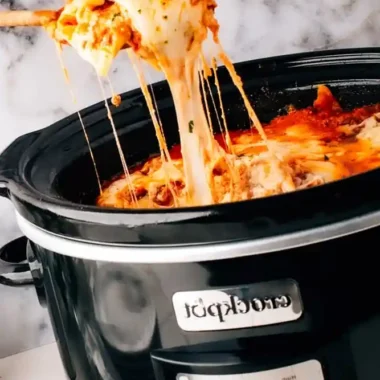
This slow cooker lasagna provides a rich, hearty meal with minimal effort by simmering the sauce and baking the pasta in one vessel. It eliminates the need to pre-boil noodles, streamlining the preparation process.
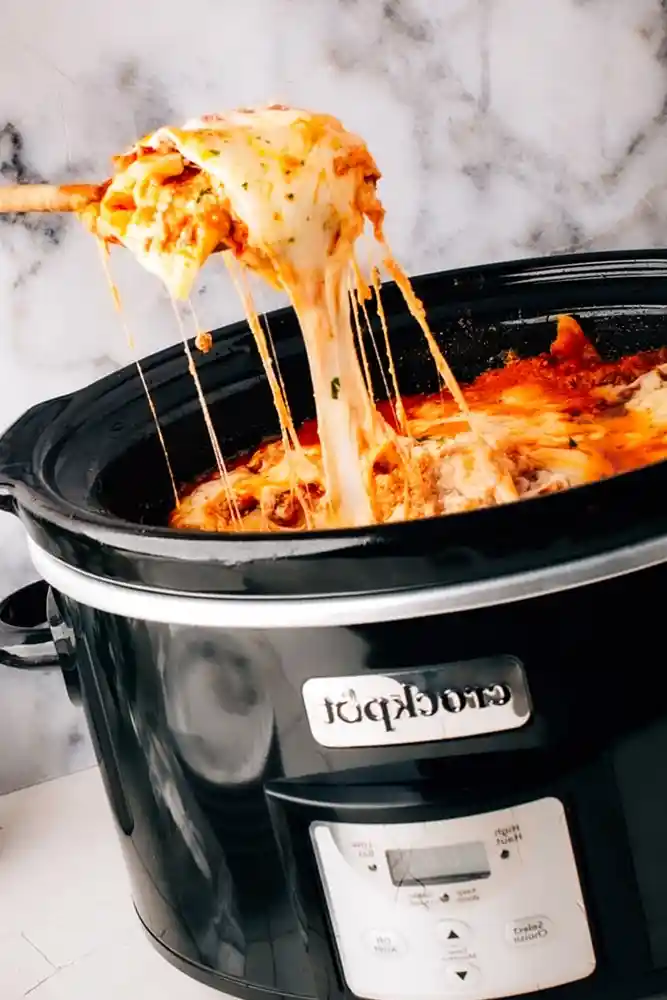
List of ingredients
- 2 tbsp olive oil – used for sautéing aromatics.
- 1 cup finely chopped onion – provides a savory base.
- 4 cloves garlic (minced) – adds pungent flavor.
- 1 lb ground beef – the primary protein source.
- 2 tsp kosher salt (divided use) – used across multiple steps for seasoning.
- 1/2 tsp crushed chili flakes – introduces a mild heat.
- 1 6-oz can tomato paste – thickens the sauce and adds depth.
- 1 28-oz can whole or diced tomatoes – the main liquid base for the sauce.
- 1 lb ricotta – creates the creamy cheese layer.
- 1 oz parmesan cheese (grated) – adds a salty, sharp note.
- 1 1/2 tbsp minced fresh parsley – adds freshness to the filling.
- 10 uncooked regular lasagna noodles – standard dry noodles, not no-boil.
- 8 oz grated mozzarella cheese (3 cups packed) – for the melted topping and layers.
step-by-step instructions
- Prepare the meat base: Heat olive oil in a large dutch oven over medium heat. Sauté the chopped onion with 1/4 tsp of salt for about 6 minutes until soft, then add minced garlic and cook for one more minute.
- Brown the beef: Add the ground beef to the pot and sprinkle with 1 tsp of salt and the chili flakes. Stir frequently and cook until the meat is no longer pink.
- Mix the cheese filling: While the beef is browning, combine the ricotta, grated parmesan, and minced parsley in a large bowl and stir until well combined.
- Finish the sauce: Stir the tomato paste into the browned beef and cook until the paste darkens in color and the oil shimmers. Mix in the canned tomatoes and the remaining 1/4 tsp of salt, then remove from heat.
- Begin layering: Pour approximately one cup of the meat sauce into the bottom of a 4-quart slow cooker. Lay two lasagna noodles on top, breaking them as needed to fit the shape of the pot.
- Build the layers: Add a layer of meat sauce, followed by a layer of the ricotta mixture and a handful of mozzarella cheese. Repeat this sequence of noodles, sauce, ricotta, and mozzarella until all ingredients are used.
- Final topping: Ensure the final layer is a coating of meat sauce topped with a generous layer of mozzarella cheese.
- Slow cook: Set the slow cooker to the low setting and cook for 3.5 hours. Garnish with extra parsley before serving.
Optimal Pasta Selection
Use Standard Dry Lasagna Noodles
This recipe requires standard, boxed lasagna noodles that are not pre-cooked or labeled as no-boil. Regular dry noodles absorb the moisture from the slow-simmered sauce gradually, resulting in an al-dente texture. No-boil noodles often become too mushy or disintegrate in the prolonged moist heat of a slow cooker.
Break Noodles to Fit the Pot
Most slow cooker inserts are oval or round, while lasagna noodles are rectangular. To ensure every piece of pasta is submerged in sauce, break the noodles into smaller segments. This prevents edges from sticking up and drying out, which can lead to hard, uncooked spots in the final dish.
Meat Sauce Technical Tips
Toasting the Tomato Paste
Cooking the tomato paste with the beef until it darkens is a critical step called toasting. This process caramelizes the natural sugars in the tomato paste and removes the raw, metallic taste. It creates a deep, umami-rich flavor profile that mimics a sauce simmered for many hours on a stove.
Using Store-Bought Marinara
To simplify the process, you can replace the onion, garlic, tomato paste, and canned tomatoes with two 22-oz jars of high-quality marinara sauce. Brown the beef in olive oil first, then stir in the marinara. The slow cooker will still develop a rich flavor, though the homemade version offers more control over salt and spice.
Selecting the Right Ground Beef
Use a lean ground beef, such as 85% or 90% lean, to avoid excessive grease pooling in the slow cooker. Because the slow cooker is a sealed environment, fats do not evaporate and can separate from the sauce. If using fattier meat, drain the excess grease after browning before adding the tomato paste.
Ricotta Filling Modifications
Substituting Cottage Cheese
If ricotta is unavailable, full-fat cottage cheese can be used as a substitute. For a smoother texture that mimics ricotta, pulse the cottage cheese in a food processor or blender for a few seconds before mixing with the parmesan and parsley. This prevents the filling from being too grainy.
Adding Egg for Structural Stability
Adding one lightly beaten egg to the ricotta mixture helps the cheese layer set more firmly. This is particularly useful if you prefer clean, sharp slices of lasagna that do not slump on the plate. Without the egg, the filling remains creamier and softer, which is also acceptable depending on preference.
Fresh Herb Variations
While parsley provides a clean, bright contrast to the heavy cheese, fresh basil is an excellent alternative. Finely chop the basil and stir it into the ricotta for a more traditional Italian flavor. Avoid using too much dried herbs in the cheese layer, as they can create a gritty texture.
Layering and Assembly Logic
The Importance of the Bottom Sauce Layer
Starting the assembly with a layer of sauce prevents the bottom noodles from sticking to the ceramic insert. This layer creates a moisture barrier that allows the heat to distribute evenly. Without this base, the first layer of pasta may scorch or remain dry.
Ensuring Noodle Hydration
Every single noodle layer must be in direct contact with a layer of sauce. Because the noodles are uncooked, they rely entirely on the liquid from the sauce to hydrate and soften. Any noodle left exposed to the air or only touching cheese will remain hard after the cooking cycle.
Cheese Distribution Strategy
Distribute the mozzarella evenly between the internal layers and the top. Placing mozzarella inside the layers helps bind the ricotta and sauce together, providing structural integrity. The final top layer should be the most generous to create a thick, melted crust.
Cooking and Temperature Management
Adjusting for Slow Cooker Size
A 4-quart slow cooker is ideal for this recipe. In larger pots, the sauce spreads thinner, which may increase the cooking speed but can risk drying out the edges. In smaller, deeper pots, heat takes longer to reach the center; you may need to extend the cooking time by 30 to 60 minutes.
Utilizing the Warm Setting
Once the lasagna has cooked for 3.5 hours on low, you can switch the appliance to the warm setting. This keeps the dish at a food-safe temperature without continuing to cook the noodles. This is highly effective for potlucks or dinners where the serving time is delayed.
Testing for Doneness
To verify the lasagna is finished, insert a thin paring knife into the center of the pot. The knife should slide through the pasta layers with minimal resistance. For maximum safety and consistency, use a meat thermometer to ensure the internal temperature has reached 165°F.
Storage and Preservation
Refrigeration Guidelines
Allow the lasagna to cool to room temperature before transferring leftovers to an airtight container. Store the lasagna in the refrigerator for up to 4 days. Keep the pieces tightly sealed to prevent the pasta from absorbing odors from other foods in the fridge.
Freezing for Long-Term Use
This lasagna freezes well when portioned into individual squares. Wrap each portion tightly in plastic wrap, then add a layer of aluminum foil to prevent freezer burn. Store these wrapped portions in a freezer-safe bag for up to 3 months.
Thawing Frozen Portions
For the best texture, thaw frozen lasagna slices overnight in the refrigerator. Thawing slowly prevents the sauce from separating and ensures the center heats through evenly during the reheating process. Avoid thawing in the microwave, as this can make the noodles rubbery.
Reheating Methods
Microwave Reheating
For quick individual servings, place a slice on a microwave-safe plate and cover it with a damp paper towel. Heat on high for 2-3 minutes. The damp towel creates a small amount of steam, which prevents the cheese from becoming hard and the noodles from drying out.
Oven Reheating for Large Portions
Preheat the oven to 350°F. Place the lasagna in an oven-safe dish and cover it tightly with aluminum foil. Bake for 20-30 minutes. The foil is essential here to trap moisture, ensuring the lasagna remains saucy and the cheese stays melted.
Troubleshooting Common Issues
Hard or Undercooked Noodles
If the noodles are still firm after the cooking time, it is usually due to a lack of moisture. Stir a small amount of water or additional marinara sauce around the edges of the pot, cover tightly, and cook for another 30 minutes. Ensure the lid is not being lifted frequently, as this releases critical steam.
Watery Sauce Consistency
A watery sauce often occurs if the vegetables were not sautéed sufficiently or if the tomato paste was skipped. To fix this in future batches, ensure the tomato paste is cooked until darkened. For current batches, you can leave the lid slightly ajar during the last 30 minutes of cooking to allow some moisture to evaporate.
Cheese Not Melting Properly
If the mozzarella does not melt into a smooth layer, it may be due to the cheese being too cold or using pre-shredded cheese with cellulose anti-clumping agents. For the best melt, grate the mozzarella from a block and ensure the slow cooker has reached its full operating temperature.
Serving and Pairing Ideas
Complementary Bread Sides
Serve the lasagna with toasted garlic bread or cheesy breadsticks. The crunch of the toasted bread provides a necessary textural contrast to the soft, creamy layers of the lasagna. Use a baguette brushed with garlic butter and parsley for a classic pairing.
Adding Fresh Green Salads
A crisp Caesar salad or a garden salad with a vinaigrette helps balance the richness of the cheese and beef. The acidity in the dressing cuts through the fat of the ricotta and mozzarella, refreshing the palate between bites.
Steamed Vegetable Accompaniments
Steamed broccolini, spinach, or zucchini are excellent side options. These vegetables add essential nutrients and a pop of color to the plate. Lightly seasoning them with lemon juice and salt keeps the meal from feeling too heavy.
Frequently Asked Questions
Can I use ground turkey instead of beef?
It is not recommended to use ground turkey for this specific slow cooker method. Turkey has a lower fat content than beef, which often leads to the meat becoming dry and grainy during the long cooking process.
Do I really not need to boil the noodles?
No, boiling is not necessary. The moisture from the canned tomatoes and tomato paste, combined with the trapped steam of the slow cooker, is sufficient to cook the dry noodles completely over 3.5 hours.
How many layers should the lasagna have?
Aim for 4 to 5 layers of noodles. This ratio ensures that you have a balanced amount of pasta, meat sauce, and cheese in every bite, preventing the dish from being too pasta-dense or too liquid.
Print
Slow Cooker Cheesy Meat Lasagna
- Total Time: 3 hours 45 minutes
- Yield: 6 servings 1x
- Diet: General
Description
This Crockpot Lasagna recipe is delicious and easy. The slow cooker creates rich, slow-simmered flavor and bakes the lasagna in one convenient step.
Ingredients
- 2 tbsp olive oil
- 1 cup finely chopped onion
- 4 cloves garlic, minced
- 1 lb ground beef
- 2 tsp kosher salt, divided
- 1/2 tsp crushed chili flakes
- 1 6-oz can tomato paste
- 1 28-oz can whole or diced tomatoes
- 1 lb ricotta cheese
- 1 oz parmesan cheese, grated
- 1 1/2 tbsp minced fresh parsley
- 10 uncooked regular lasagna noodles
- 8 oz grated mozzarella cheese
Instructions
- Start the meat sauce: Heat oil in a large dutch oven over medium heat; add onion and 1/4 tsp salt, cooking until soft (about 6 minutes), then add garlic for one minute, followed by ground beef, 1 tsp salt, and chili flakes, cooking until no longer pink.
- Make ricotta filling: Stir together ricotta, parmesan, and parsley in a large bowl and set aside.
- Finish meat sauce: Add tomato paste to the beef mixture and cook until it turns a shade darker; stir in tomatoes and 1/4 tsp salt, then turn off the heat.
- Assemble lasagna in the slow cooker: Pour one cup of sauce into the slow cooker, then layer noodles (broken to fit), sauce, ricotta filling, and mozzarella; repeat layers until ingredients are used, finishing with sauce and mozzarella, then cook on low for 3 1/2 hours.
Notes
Substitute cottage cheese for ricotta if preferred. You can use store-bought marinara sauce (2 x 22-oz jars) to replace the onions, garlic, tomato paste, and tomatoes for a faster version.
- Prep Time: 15 minutes
- Cook Time: 3 hours 30 minutes
- Category: Dinner
- Method: Slow Cooker
- Cuisine: Italian
Nutrition
- Serving Size: 1 serving
- Calories: 388 kcal
- Sugar: 5 g
- Sodium: 975 mg
- Fat: 31 g
- Saturated Fat: 13 g
- Unsaturated Fat: 17 g
- Trans Fat: 1 g
- Carbohydrates: 35 g
- Fiber: 3 g
- Protein: 23 g
- Cholesterol: 96 mg
Keywords: crockpot lasagna, slow cooker lasagna, easy dinner, Italian cuisine, cheesy lasagna