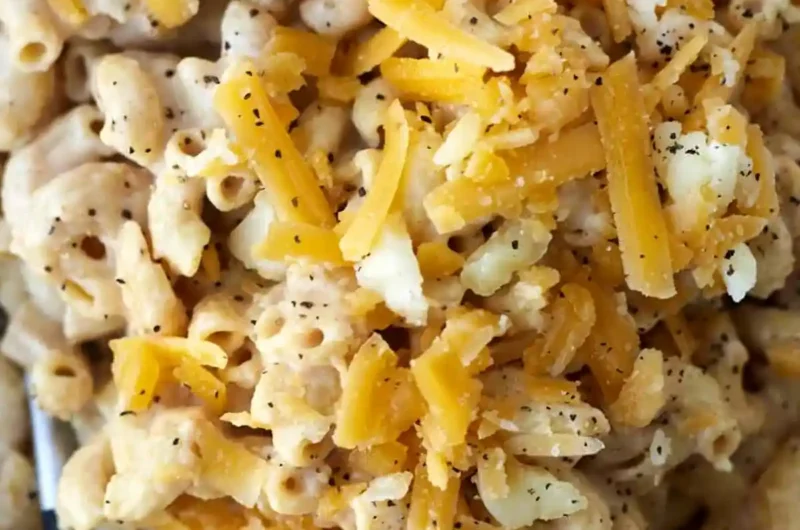
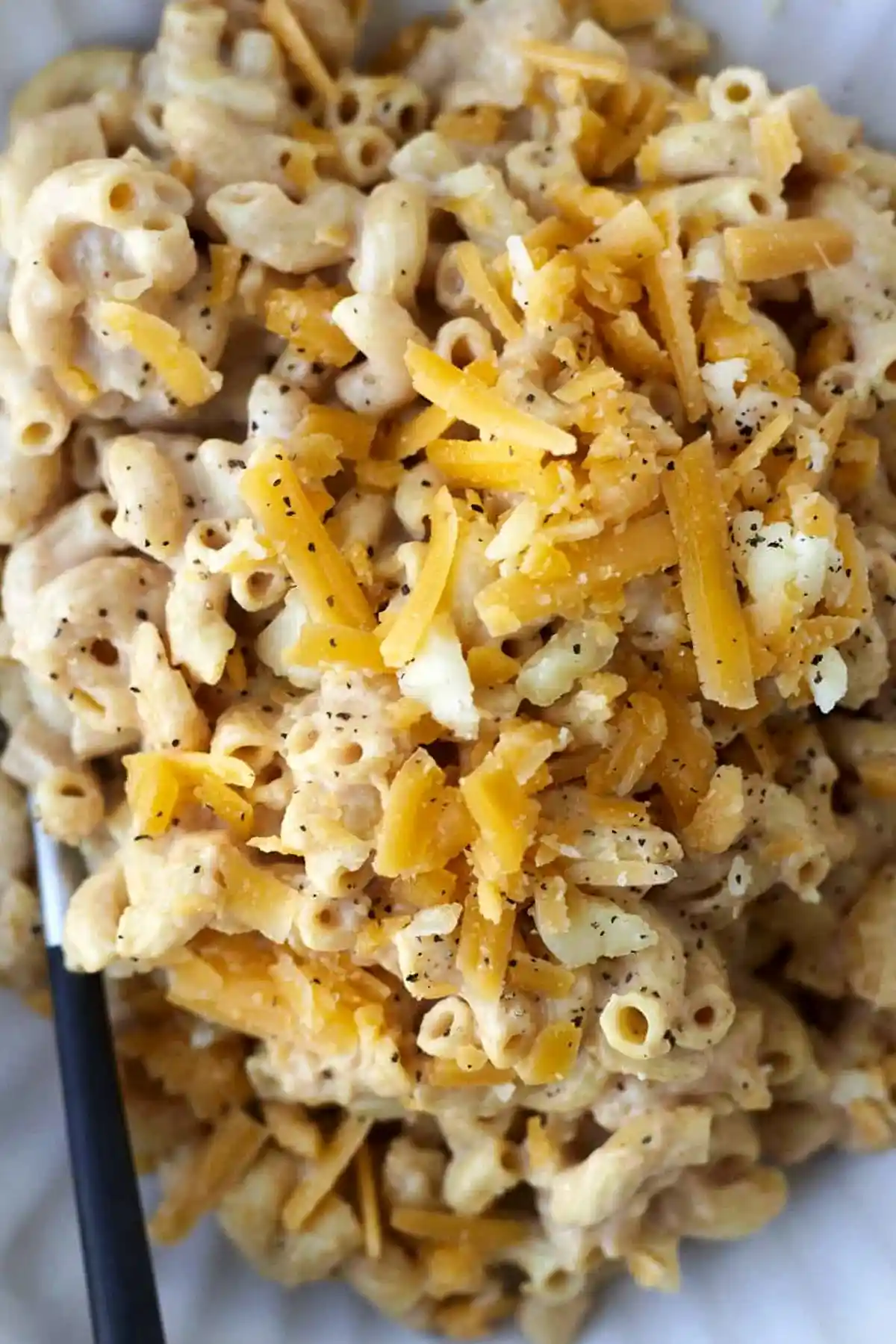
This slow cooker macaroni and cheese recipe creates a velvety, restaurant-quality meal with minimal preparation time. By cooking the pasta directly in a blend of rich milks and flavorful seasonings, you ensure every noodle is perfectly infused with savory goodness. It serves as an ideal solution for busy weeknights or large gatherings where you need a reliable, crowd-pleasing dish that keeps warm throughout the event.
List of ingredients
- 1 pound elbow pasta (uncooked)
- 16 ounces evaporated milk
- 1 1/2 cups whole milk
- 1 1/2 cups vegetable broth
- 3 tablespoons butter
- 1 teaspoon paprika
- 1/2 teaspoon onion powder
- 1/2 teaspoon garlic powder
- 2 teaspoons Dijon mustard
- 1 teaspoon salt
- 1/2 teaspoon pepper
- 8 ounces sharp cheddar cheese (freshly shredded)
- 4 ounces white cheddar cheese (freshly shredded)
step-by-step instructions
- Step: In the bowl of a crockpot, add the pasta, evaporated milk, whole milk, broth, butter, paprika, onion powder, garlic powder, Dijon mustard, salt, and pepper.
- Step: Cover, and cook on high for 1 hour.
- Step: Stir in the cheese.
- Step: Cover, and cook for another 30 minutes.
- Step: Add a splash of extra milk if needed to thin out the sauce, and serve warm.
Refining the Melting Process
Why Hand-Shredded Cheese Performs Better
Pre-shredded cheese from the supermarket often contains cellulose powder, a starch used to prevent the shreds from sticking together in the bag. Unfortunately, this anti-caking agent hinders the cheese from melting into a smooth, cohesive sauce, often resulting in a gritty or clumped texture. By taking an extra minute to grate a fresh block of cheese yourself, you ensure a superior, velvety consistency that coats each elbow noodle perfectly.
The Role of Room Temperature Dairy
When you are ready to incorporate your cheese, it is beneficial to have it at room temperature rather than pulling it directly from the freezer or refrigerator. Sudden temperature changes can sometimes cause the fat in dairy to separate, leading to a greasy sauce. Leaving your cheese on the counter for about twenty minutes before shredding and adding it to the slow cooker helps the sauce emulsify seamlessly.
Customizing Your Serving Experience
Adding Savory Mix-ins for Depth
While this recipe stands on its own, you can easily elevate the profile by folding in roasted vegetables such as bell peppers or sun-dried tomatoes. If you prefer a more substantial main dish, consider stirring in steamed cauliflower florets or sautéed mushrooms at the very end of the cooking process. These additions maintain the integrity of the creamy sauce while adding unique textures and nutritional variety to your meal.
Incorporating Textural Contrast
Macaroni and cheese is inherently soft, so adding a crunchy topping right before serving can create a professional-grade experience. To achieve this, toast some panko breadcrumbs with a small amount of butter and a pinch of dried parsley in a pan until golden brown. Sprinkle these over the top of individual bowls right before serving to provide a satisfying snap that contrasts perfectly with the soft pasta.
Frequently Asked Questions
How can I prevent the pasta from becoming too soft?
Every slow cooker model operates with slight variations in temperature, so it is helpful to check the tenderness of your pasta a few minutes before the timer expires. You want the noodles to be al dente or tender with a slight bite, as the residual heat will continue to cook them slightly even after you switch the device to warm.
What is the secret to fixing a broken or grainy sauce?
If you notice the sauce separating or looking oily, do not worry, as it is usually fixable with gentle agitation. Add a tablespoon of warm cream or milk and stir vigorously in a circular motion until the emulsion returns to a creamy state. The extra moisture and mechanical movement help reconnect the cheese fats with the liquid components.
Can this recipe be prepared ahead of time?
You can certainly assemble the dry ingredients and liquids in the crockpot stoneware and keep it covered in the refrigerator for a few hours before cooking. However, ensure you do not add the cheese until the final 30 minutes of the cook cycle to keep the texture fresh. Starting with the contents at room temperature rather than ice-cold will also help the cooking process proceed more evenly.
Proper Storage and Reheating Methods
Maintaining Moisture During Refrigeration
When storing leftovers, place the pasta in an airtight container to prevent a dry skin from forming on the surface. Because the starch in the pasta naturally continues to absorb moisture even after cooking, the dish will likely be thicker the next day. This is normal and expected; simply treat it as a dense, flavor-packed version of the original dish that is ready to be refreshed.
Regaining Creaminess When Reheating
When you are ready to enjoy your leftovers, never heat them straight out of the fridge without adding liquid. Add two tablespoons of milk or vegetable broth per serving before warming it in the microwave or on the stovetop. This moisture will transform back into a silky sauce as it warms up, effectively reviving the dish to its initial consistency and preventing the noodles from becoming dry or sticking together.
Strategic Ingredient Substitutions
Using Alternative Dairy for Dietary Needs
If you require a specific dairy profile, you can swap the whole milk for half-and-half to achieve an even richer result. For those who enjoy a sharper flavor, consider replacing the white cheddar with a small portion of grated gruyere, which provides an nutty undertone that pairs beautifully with the sharp yellow cheddar. These small adjustments allow you to tailor the intensity of the cheese flavor to suit your specific preferences for family dinners or formal side dish requirements.
Adjusting Spices for a Balanced Flavor
The base spices of paprika and garlic powder are designed to be subtle, but you can increase the intensity if you desire. If you enjoy a smoky undertone, you can substitute regular paprika with smoked paprika, but do so sparingly as it is much more potent. The Dijon mustard is a non-negotiable flavor component, but you can swap it for a touch of lemon juice if you want a brighter, citrusy note instead of the traditional tangy profile of the mustard.
Addressing Common Cooking Hurdles
Managing Different Crockpot Heat Settings
If your slow cooker tends to run hot, you may find that the edges of the pasta cook faster than the center. To mitigate this, open the lid and stir the contents after the first 30 minutes of the initial hour-long cook time. This ensures that the heat distribution remains uniform throughout the vessel, preventing any single area from overcooking or drying out while the rest of the pasta reaches the correct texture.
Selecting the Ideal Pasta Shape
Elbow macaroni is the traditional choice, but it is not the only option that works well in a slow cooker. You want to choose pasta shapes that are thick-walled and have crevices, such as cavatappi, shells, or radiatori. These shapes are designed to capture the sauce in their folds, ensuring that every forkful is perfectly balanced between tender pasta and the velvety, golden cheese mixture that defines this classic dish.
Print
Slow Cooker Creamy Macaroni and Cheese
- Total Time: PT92M
- Yield: 10 servings 1x
- Diet: Vegetarian
Description
The best crockpot mac and cheese—creamy, cheesy, and effortless! Toss it in the slow cooker for a crowd-pleasing side or main dish.
Ingredients
- 1 pound elbow pasta (uncooked)
- 16 ounces evaporated milk
- 1 1/2 cups whole milk
- 1 1/2 cups vegetable broth
- 3 tablespoons butter
- 1 teaspoon paprika
- 1/2 teaspoon onion powder
- 1/2 teaspoon garlic powder
- 2 teaspoons Dijon mustard
- 1 teaspoon salt
- 1/2 teaspoon pepper
- 8 ounces sharp cheddar cheese (freshly shredded)
- 4 ounces white cheddar cheese (freshly shredded)
Instructions
- Step: In the bowl of a crockpot, add the pasta, evaporated milk, whole milk, broth, butter, paprika, onion powder, garlic powder, Dijon mustard, salt, and pepper.
- Step: Cover, and cook on high for 1 hour.
- Step: Stir in the cheese.
- Step: Cover, and cook for another 30 minutes.
- Step: Add a splash of extra milk if needed to thin out the sauce, and serve warm.
Notes
Store leftovers in an airtight container in the fridge for up to 3-5 days. Reheat on the stovetop or in the microwave at 50% power. Use freshly shredded cheese for the best melting consistency.
- Prep Time: PT2M
- Cook Time: PT90M
- Category: Side Dish
- Method: Slow Cooker
- Cuisine: American
Nutrition
- Serving Size: 1 serving
- Calories: 397 kcal
- Sugar: 8 g
- Sodium: 677 mg
- Fat: 17 g
- Saturated Fat: 10 g
- Unsaturated Fat: 5 g
- Trans Fat: 0 g
- Carbohydrates: 42 g
- Fiber: 2 g
- Protein: 18 g
- Cholesterol: 52 mg
Keywords: mac and cheese, crockpot, slow cooker, comfort food, easy side dish