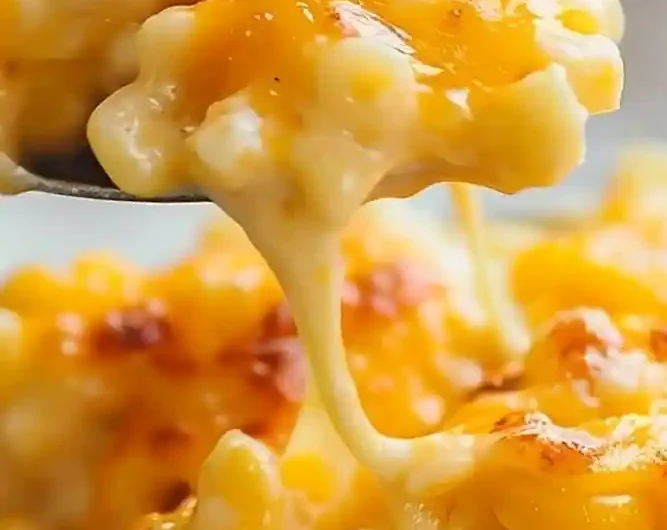
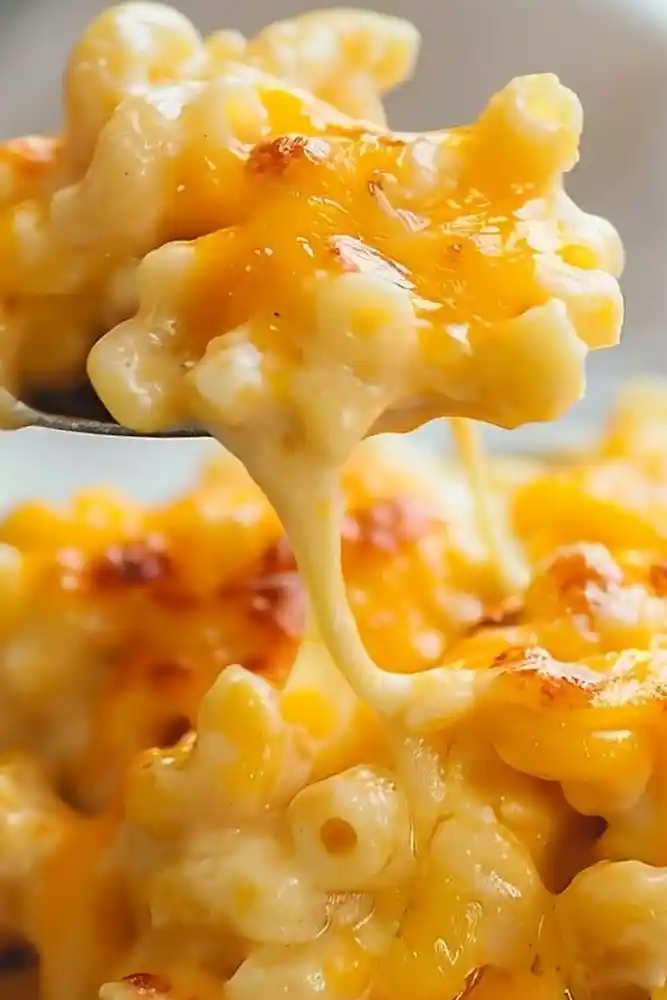
This slow cooker method creates a rich and velvety macaroni and cheese with minimal active effort. By cooking the pasta directly in the sauce, the noodles absorb the creamy flavors of the cheddar and milk.
List of ingredients
- Cooking spray – used to prevent the cheese from sticking to the sides of the pot.
- 8 ounces elbow macaroni, uncooked – the classic pasta choice for this dish.
- 1 (12-ounce) can evaporated milk – ensures a smooth, stable sauce that does not separate.
- 2 1/2 cups whole milk – provides the necessary liquid for the pasta to cook.
- 1/4 cup butter, melted (1/2 stick) – adds richness and a smooth mouthfeel.
- 2 (10-ounce) bricks sharp Cheddar cheese, grated (about 5 cups) – provide the primary flavor and thickness.
- 1 tsp salt – enhances the overall savory profile.
- Dash pepper – adds a subtle hint of spice.
- Dash paprika – used primarily for color and a mild earthy note.
- 3 egg yolks, optional – adds extra richness and helps the sauce bind.
step-by-step instructions
- Prepare the pot: Coat the interior of your slow cooker with cooking spray to ensure easy cleanup and prevent sticking.
- Combine base ingredients: Add the uncooked macaroni, evaporated milk, whole milk, melted butter, salt, and pepper to the pot.
- Incorporate cheese: Stir in all but 1/2 cup of the grated sharp cheddar cheese. If you are using egg yolks for extra richness, whisk them in now and stir until well combined.
- Add toppings: Evenly spread the remaining 1/2 cup of grated cheese over the top and sprinkle with a dash of paprika.
- First cook cycle: Cover the slow cooker and cook on the low setting for 2 hours.
- Check consistency: Lift the lid carefully, stir the mixture well, and check if the pasta is tender. If the noodles are still too firm, continue cooking for another 30 to 60 minutes.
- Final step: Give the macaroni and cheese one final stir to distribute the melted top cheese and serve immediately.
Cheese Selection and Preparation
Grate Your Own Cheese
Avoid using pre-shredded cheese bags because they contain cornstarch or cellulose to prevent clumping. These anti-caking agents hinder the melting process and can result in a grainy or gritty texture. Grating cheese directly from a block ensures a perfectly smooth, emulsified sauce.
Choosing the Right Cheddar
Sharp cheddar is recommended because its strong flavor cuts through the richness of the milk and butter. Extra sharp cheddar provides an even more intense taste, while mild cheddar results in a creamier but less punchy flavor profile. Ensure the cheese is at room temperature before adding it to the pot for more even melting.
Experimenting with Cheese Blends
While sharp cheddar is the standard, mixing it with other cheeses can add complexity. Gruyere or Fontina can be added for a nuttier flavor and superior meltability. Smoked Gouda can be substituted for a portion of the cheddar to introduce a subtle smoky depth to the dish.
Pasta Optimization Tips
Selecting High-Quality Macaroni
Use a pasta brand made from durum wheat semolina to ensure the noodles hold their shape. Lower-quality pastas tend to release more starch and break down more quickly, which can lead to a mushy consistency in the slow cooker. Check the pasta for consistent thickness to ensure even cooking.
Adjusting for Different Pasta Shapes
If substituting elbow macaroni for shells or cavatappi, be aware that thicker shapes may require more cooking time. Shells are excellent for trapping the cheese sauce inside, but they may need an additional 15 to 30 minutes. Always check for doneness starting at the two-hour mark regardless of the shape.
Preventing Overcooked Noodles
Overcooking is the most common issue with slow cooker pasta. To prevent this, avoid using the high setting, as the edges of the pot can overheat the noodles. Start checking the texture at two hours and turn the unit to the warm setting immediately once the pasta is al dente.
Enhancing the Sauce and Flavor
The Role of Evaporated Milk
Evaporated milk is essential because it has a lower water content than regular milk, which prevents the sauce from breaking. It acts as a stabilizer that keeps the fats and proteins in the cheese from separating during the long cooking process. Do not substitute this with sweetened condensed milk.
Using Heavy Cream for Extra Richness
For a denser, more indulgent sauce, you can replace one cup of the whole milk with heavy cream. This increases the fat content, resulting in a thicker coating on the noodles. This is particularly useful if you are serving the dish in a large buffet setting where it may sit for a while.
Adding Spicy Elements
To balance the richness of the cheese, stir in diced pickled jalapeños or a pinch of cayenne pepper before cooking. Red pepper flakes can also be added for a subtle heat. If you prefer a fresh kick, stir in chopped fresh chilies just before serving.
Incorporating Fresh Herbs
Freshly chopped parsley or chives added at the very end can brighten the flavor and provide a visual contrast. Thyme or sage can be stirred into the sauce for a more earthy, savory profile. Always add fresh herbs after cooking to preserve their color and delicate oils.
Recommended Pairings and Serving
Complementary Vegetable Sides
Serve this dish with a crisp garden salad featuring a vinaigrette dressing to cut through the richness. Steamed broccoli, roasted asparagus, or sautéed spinach are also excellent choices that provide necessary nutrition and a refreshing contrast to the heavy cheese sauce.
Main Course Combinations
This macaroni and cheese works well as a side for grilled chicken breasts or a lean beef roast. It also pairs perfectly with BBQ chicken thighs or a homemade beef meatloaf. These proteins provide a savory balance to the creamy pasta.
Serving as a Standalone Meal
To make this a full meal, stir in cooked diced chicken or steamed cauliflower florets. Adding peas or diced carrots directly into the pot during the last 30 minutes of cooking adds texture and vitamins without compromising the flavor.
Storage and Reheating Instructions
Proper Refrigeration Techniques
Store leftovers in an airtight container in the refrigerator for up to four days. To prevent the top from drying out, press a piece of parchment paper or plastic wrap directly onto the surface of the mac and cheese before sealing the lid.
Freezing and Thawing
This dish can be frozen for up to two months, though the texture may change slightly upon thawing. Allow the dish to cool completely before freezing in a freezer-safe container. Thaw it in the refrigerator overnight before reheating to maintain the best consistency.
Best Reheating Methods
The best way to reheat is in the oven at 325 degrees Fahrenheit, covered with foil, until heated through. If using a microwave, add a splash of milk or cream and stir every minute to prevent the cheese from separating or becoming oily.
Fixing Separated Sauce
If the sauce looks broken or grainy after reheating, whisk in a tablespoon of warm milk or a small knob of butter. Gently stir over low heat to re-emulsify the sauce. Avoid boiling the sauce, as high heat will cause the cheese to separate further.
Troubleshooting Common Issues
Addressing a Gritty Texture
A gritty texture is usually the result of using pre-shredded cheese or overheating the sauce. Ensure you use a block of cheese and keep the slow cooker on the low setting. If the texture is already gritty, you cannot fully reverse it, but adding a bit more milk can help smooth it out.
Managing Thin or Watery Sauce
If the sauce is too thin, it may be due to the size of your slow cooker allowing too much moisture to remain. You can fix this by stirring in a small amount of additional grated cheese or allowing it to cook for another 15 minutes without the lid to let some liquid evaporate.
Dealing with Mushy Pasta
Mushy pasta occurs when the noodles are cooked too long or are stirred too aggressively. Be gentle when stirring to avoid breaking the noodles. If the pasta is already overcooked, avoid adding more liquid; instead, serve it immediately to prevent further softening.
Frequently Asked Questions
Can I use pre-shredded cheese?
It is not recommended because pre-shredded cheese contains anti-clumping agents that prevent it from melting smoothly, often resulting in a grainy texture.
Do I need to boil the pasta first?
No, the uncooked macaroni is designed to cook directly in the milk and cheese mixture over the course of several hours on the low setting.
Are the egg yolks necessary?
The egg yolks are optional; they provide a richer, more custard-like consistency and help stabilize the sauce, but the dish remains delicious without them.
Can I cook this on the High setting?
Using the high setting is not advised as it can easily overcook the pasta and cause the cheese sauce to separate or burn around the edges.
What other milk can I use?
Whole milk is best for creaminess, but you can use 2% milk. Avoid using skim milk as it lacks the fat necessary to keep the sauce smooth and rich.
Print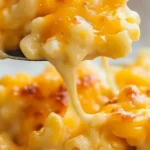
Slow Cooker Creamy Macaroni and Cheese
- Total Time: 3 hours 25 minutes
- Yield: 12 servings 1x
- Diet: General
Description
Trisha Yearwood’s crockpot mac and cheese is the ultimate comfort food! Creamy, cheesy, and perfect for potlucks, family get-togethers, BBQs, and more.
Ingredients
- Cooking spray
- 8 ounces elbow macaroni, uncooked
- 1 (12-ounce) can evaporated milk
- 2 1/2 cups whole milk
- 1/4 cup butter, melted
- 2 (10-ounce) bricks sharp Cheddar cheese, grated
- 1 tsp salt
- Dash pepper
- Dash paprika
- 3 egg yolks, optional
Instructions
- Step 1: Spray the crockpot with cooking spray.
- Step 2: Add the macaroni, evaporated milk, milk, butter, salt, pepper, and all but 1/2 cup of the grated cheese. Mix in the egg yolks, if using, and stir until well combined.
- Step 3: Spread the left over cheese on top and sprinkle with paprika.
- Step 4: Cover and cook on low for 2 hours. Check the pasta and stir everything well. Depending on the size of the crockpot, it may be ready to serve. If not, cook for another 30-60 minutes.
- Step 5: Stir, serve hot, and enjoy!
Notes
Always use freshly grated cheese, as pre-shredded cheese contains anti-clumping chemicals that hinder melting. Egg yolks are used instead of whole eggs to provide richness and prevent curdling in the slow cooker.
- Prep Time: 10 minutes
- Cook Time: 3 hours 15 minutes
- Category: Dinner
- Method: Slow Cooker
- Cuisine: American
Nutrition
- Serving Size: 1 serving
- Calories: 431 kcal
- Sugar: 3 g
- Sodium: 558 mg
- Fat: 24 g
- Saturated Fat: 15 g
- Unsaturated Fat: 9 g
- Trans Fat: 0 g
- Carbohydrates: 33 g
- Fiber: 1 g
- Protein: 20 g
- Cholesterol: 71 mg
Keywords: crockpot mac and cheese, slow cooker macaroni and cheese, creamy pasta, American comfort food