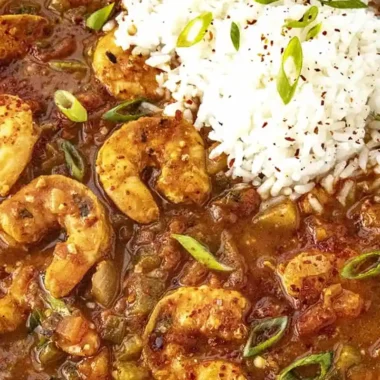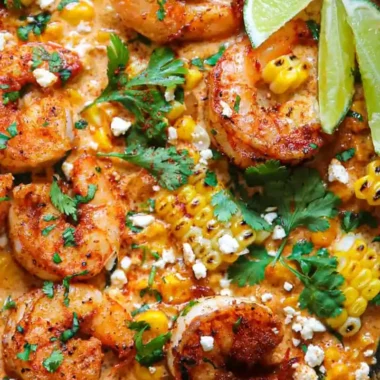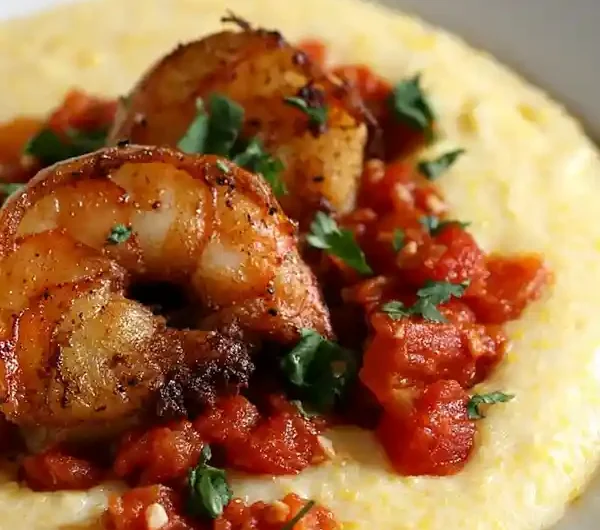
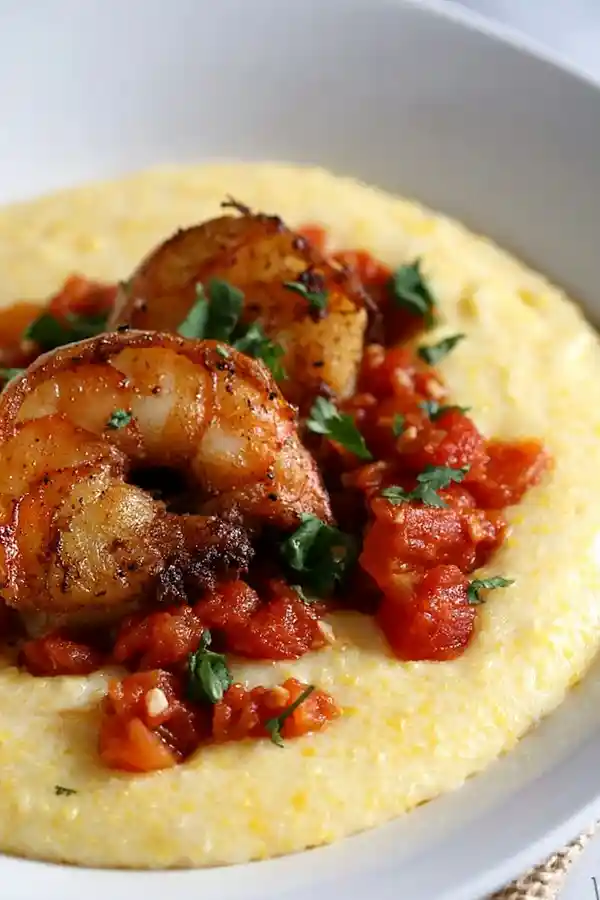
This hearty dish pairs zesty, seasoned shrimp with a smooth and buttery cheese polenta. It is a satisfying meal that balances smoky heat with a rich, creamy base.
List of ingredients
- 1 pound extra-large shrimp, peeled and deveined – ensures a substantial bite.
- 1/4 cup olive oil – used for searing the shrimp.
- 2 teaspoons Cajun seasoning – provides the primary spice blend.
- 1 teaspoon smoked paprika – adds a deep, smoky aroma.
- 1/4 teaspoon kosher salt – enhances all flavors.
- 1/4 teaspoon cayenne pepper (optional) – use this for additional heat.
- 2 cans Rotel tomatoes – diced tomatoes with green chilies for texture and zing.
- 2 cloves minced garlic – adds a pungent, aromatic base to the sauce.
- 1 teaspoon smoked paprika – reinforces the smoky profile in the tomato mixture.
- Kosher salt (to taste) – used for seasoning the sauce.
- 2 cups whole milk – creates a creamy consistency in the polenta.
- 2 cups water – serves as the primary cooking liquid for the cornmeal.
- 1 cup coarse grain polenta – the foundation of the creamy base.
- 4 tablespoons salted butter – adds richness and a glossy finish.
- 1/2 cup shredded cheddar cheese – provides a sharp, salty flavor and thickness.
- Kosher salt (to taste) – used to balance the polenta seasoning.
step-by-step instructions
- Season the shrimp: In a medium mixing bowl, combine the shrimp, olive oil, Cajun seasoning, smoked paprika, kosher salt, and optional cayenne pepper. Toss thoroughly until every piece of shrimp is evenly coated in the spice mixture.
- Sear the shrimp: Heat a large skillet over medium-high heat. Add the seasoned shrimp and cook until they turn pink and opaque. Remove the shrimp from the skillet and set them aside on a plate, then wipe the skillet clean.
- Prepare the tomato sauce: In the cleaned skillet, combine the Rotel tomatoes, minced garlic, smoked paprika, and salt. Cook over medium heat until the mixture is hot and simmering.
- Simmer the shrimp: Return the cooked shrimp to the tomato mixture. Lower the heat to low and keep the skillet covered to maintain warmth while the polenta is prepared.
- Boil polenta liquids: In a large, high-sided skillet, combine the whole milk and water over medium-high heat. Bring the liquid to a steady boil.
- Whisk in polenta: Slowly whisk the coarse grain polenta into the boiling liquid to prevent clumps from forming. Once the polenta is fully incorporated, reduce the heat to low.
- Cook until thick: Continue whisking slowly until the polenta thickens, which typically takes about 7 minutes.
- Finish the polenta: Remove the skillet from the heat. Stir in the salted butter, shredded cheddar cheese, and salt until the cheese is completely melted and the mixture is creamy.
- Plate the dish: Spoon a generous portion of creamy polenta into a bowl and top it with the spicy shrimp and tomato mixture.
Mastering Shrimp Texture
Preventing Rubbery Shrimp
Shrimp cook very quickly and can become tough if exposed to high heat for too long. Sauté them only until they change from translucent to a pinkish-orange hue. Removing them slightly underdone is acceptable since they will finish heating through in the tomato sauce.
Handling Frozen Shrimp
When using frozen shrimp, ensure they are completely thawed before seasoning. Thaw them by placing them in a bowl of cold water in the refrigerator. Pat them dry with paper towels before adding oil and spices to ensure a better sear and prevent the sauce from becoming watery.
Choosing the Right Shrimp Size
Extra-large shrimp are ideal for this recipe because they hold up better against the heavy texture of the polenta. Smaller shrimp may get lost in the dish or overcook too rapidly. Always ensure they are peeled and deveined for a professional presentation and better eating experience.
Polenta Preparation Techniques
Avoiding Cornmeal Clumps
The key to smooth polenta is adding the grains slowly into boiling liquid. Do not dump the cornmeal in all at once, as this creates dry pockets of flour that are difficult to whisk out. Use a wire whisk rather than a spoon to break up any aggregates immediately.
Managing the Liquid Ratio
The 1:2 ratio of polenta to liquid (milk and water combined) creates a creamy, pourable consistency. If the polenta becomes too thick during the simmering process, stir in an additional splash of warm milk or water. This restores the creamy texture without altering the flavor profile.
Developing the Flavor Base
While water provides the necessary hydration for the cornmeal, the whole milk adds fat and sweetness. This combination prevents the polenta from tasting too plain. Adding the butter and cheese at the very end preserves the emulsification, resulting in a glossy finish.
Customizing Flavors and Ingredients
Substituting Rotel Tomatoes
If Rotel is unavailable, substitute it with a combination of canned diced tomatoes and a small can of diced green chilies. To mimic the flavor, add a pinch of extra salt and a squeeze of lime juice for acidity. This maintains the signature spicy-tangy balance of the original sauce.
Alternative Cheese Options
Cheddar is used for its sharpness, but Parmesan or Gruyère can provide a more sophisticated flavor. Parmesan adds a salty, nutty note that pairs well with seafood. Gruyère offers a meltier, creamier texture that integrates seamlessly into the polenta.
Adjusting the Heat Level
To reduce the spice, omit the cayenne pepper and use a mild version of Cajun seasoning. For those who prefer more heat, add a pinch of crushed red pepper flakes to the tomato mixture. You can also use the ‘Hot’ variety of Rotel tomatoes for an extra kick.
Alternative Protein Choices
While shrimp is the primary protein, this dish works well with scallops or chunks of firm white fish like cod. For a meat-based alternative, use diced chicken breast. Adjust the searing time according to the protein, ensuring chicken is cooked through to an internal temperature of 165 degrees Fahrenheit.
Serving and Plating Suggestions
Adding Fresh Garnishes
Freshly chopped parsley or cilantro added just before serving provides a bright contrast to the smoky spices. Sliced green onions also add a mild onion flavor and a pop of color. A sprinkle of fresh chives can further elevate the visual appeal of the dish.
Complementary Side Dishes
Serve this meal with a side of steamed broccoli or sautéed spinach to add nutritional balance. A crisp green salad with a light vinaigrette helps cut through the richness of the cheesy polenta. Roasted asparagus is another excellent pairing that complements the smoky paprika notes.
Plating for Presentation
For a restaurant-style look, use a shallow wide bowl. Place a centered mound of polenta and create a small well in the middle with the back of a spoon. Pour the shrimp and tomato sauce into the well so the sauce cascades down the sides of the polenta.
Storage and Reheating Guide
Refrigeration and Shelf Life
Store the polenta and the shrimp mixture in separate airtight containers in the refrigerator. This prevents the polenta from absorbing all the sauce and becoming mushy. Both components will stay fresh for 3 to 4 days.
Restoring Polenta Texture
Polenta thickens significantly as it cools and becomes a solid block in the fridge. To reheat, place it in a saucepan over low heat and add a splash of milk or water. Stir constantly until it returns to a creamy, smooth consistency.
Reheating the Shrimp Sauce
Heat the shrimp and tomato mixture in a skillet over medium-low heat. Cover the pan to trap moisture and prevent the shrimp from drying out. Avoid overheating the shrimp to prevent them from becoming rubbery.
Troubleshooting Common Issues
Fixing Lumpy Polenta
If you notice lumps in your polenta after it has thickened, you can use an immersion blender to smooth it out. Pulse the blender for a few seconds until the texture is uniform. Be careful not to over-blend, as this can change the consistency of the cornmeal.
Balancing Overly Salty Sauce
If the Cajun seasoning and Rotel make the sauce too salty, add a small amount of unsalted tomato puree or a teaspoon of sugar. This helps neutralize the excess salt without diluting the flavor. Adding a splash of heavy cream can also mellow out the saltiness.
Correcting Thin Polenta
If the polenta is too runny after adding the cheese, continue to simmer it on low heat for a few more minutes. Stir frequently to prevent the bottom from scorching. If it remains thin, you can whisk in a small amount of additional cornmeal mixed with water.
Frequently Asked Questions
Can I use instant polenta?
Yes, you can use instant polenta, but the cooking time will be significantly shorter. Follow the package directions for the liquid ratio, and stir in the butter and cheese at the end as described in the recipe.
Is whole milk necessary for the polenta?
Whole milk is recommended for richness and creaminess. However, you can use 2% milk or a heavy cream mixture for a different fat content. For a non-dairy option, unsweetened almond or oat milk can be used, though the flavor will be slightly different.
How do I store leftovers safely?
Cool the food quickly and place it in airtight containers. Ensure the refrigerator is set to 40 degrees Fahrenheit or below. Always reheat the polenta with additional liquid to ensure it doesn’t stick to the pan.
What is the best way to devein shrimp?
Use a small paring knife to make a shallow slit along the back of the shrimp. Gently remove the dark vein with the tip of the knife or a toothpick. This ensures the shrimp has a clean taste and a better texture.
Can I make the sauce in advance?
You can prepare the tomato and garlic base in advance and store it in the fridge. When ready to serve, heat the base and then add the freshly seared shrimp. This prevents the shrimp from sitting in the acidic tomato sauce for too long, which can affect their texture.
Print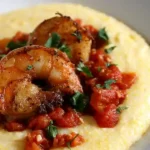
Spicy Shrimp Over Creamy Polenta
- Total Time: 1 hour 20 minutes
- Yield: 4 servings 1x
- Diet: General
Description
This spicy shrimp over creamy polenta is perfectly spiced and full of smoky flavor. Made with fresh shrimp, spicy tomatoes and creamy cheesy polenta.
Ingredients
- 1 pound extra-large shrimp, peeled and deveined
- 1/4 cup olive oil
- 2 teaspoons Cajun seasoning
- 1 teaspoon smoked paprika
- 1/4 teaspoon kosher salt
- 1/4 teaspoon cayenne pepper (optional)
- 2 cans Rotel tomatoes
- 2 cloves minced garlic
- 1 teaspoon smoked paprika
- Kosher salt to taste
- 2 cups whole milk
- 2 cups water
- 1 cup course grain polenta
- 4 tablespoons salted butter
- 1/2 cup shredded cheddar cheese
- Kosher salt to taste
Instructions
- Season Shrimp: In a medium-sized mixing bowl add shrimp, olive oil, Cajun seasoning, smoked paprika, kosher salt, and optional cayenne pepper. Toss together until all the shrimp are coated.
- Sear Shrimp: Place a large skillet over medium-high heat and add shrimp to the skillet. Cook until the shrimp turn pink and remove from the heat. Place shrimp on a plate and wipe out the skillet.
- Simmer Tomatoes: In the skillet you cooked your shrimp (and wiped clean) add both can Rotel tomatoes, garlic, smoked paprika, and kosher salt to taste. Cook on medium heat until the mixture is hot.
- Combine: Add in shrimp, lower heat to low, and keep covered while you prepare polenta.
- Boil Polenta Base: In a large high-sided skillet set over medium-high heat add water and milk. Bring to a boil and slowly whisk in polenta.
- Thicken: Once all the polenta has been added turn the heat down to low and slowly whisk until thick.
- Finish Polenta: Once creamy and cooked remove from heat and stir in butter, cheese, and salt.
- Assemble: Add polenta to the bottom of a bowl and top with tomatoes and shrimp.
Notes
Raw frozen shrimp can be used if defrosted in cold water. Heat levels can be adjusted by varying the cayenne pepper or type of Rotel tomatoes.
- Prep Time: 10 minutes
- Cook Time: 30 minutes
- Category: Main Course
- Method: Stovetop
- Cuisine: American
Nutrition
- Serving Size: 1 serving
- Calories: 575 kcal
- Sugar: 6 g
- Sodium: 3289 mg
- Fat: 39 g
- Saturated Fat: 16 g
- Unsaturated Fat: 20 g
- Trans Fat: 1 g
- Carbohydrates: 22 g
- Fiber: 1 g
- Protein: 36 g
- Cholesterol: 303 mg
Keywords: spicy shrimp, creamy polenta, Cajun shrimp, seafood main course, cheesy polenta