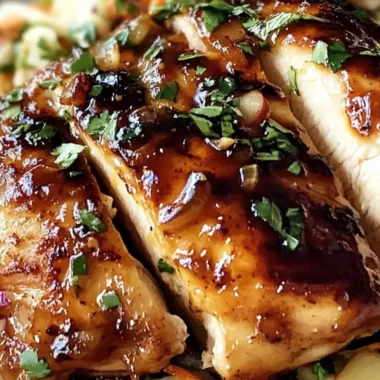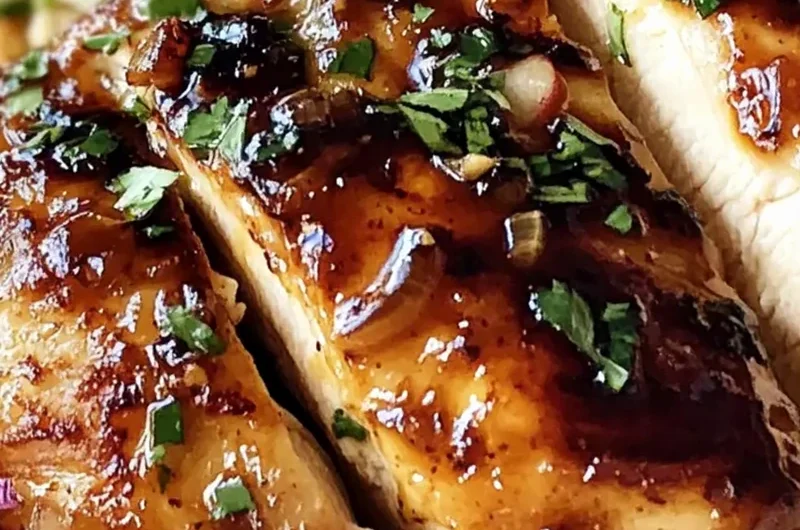
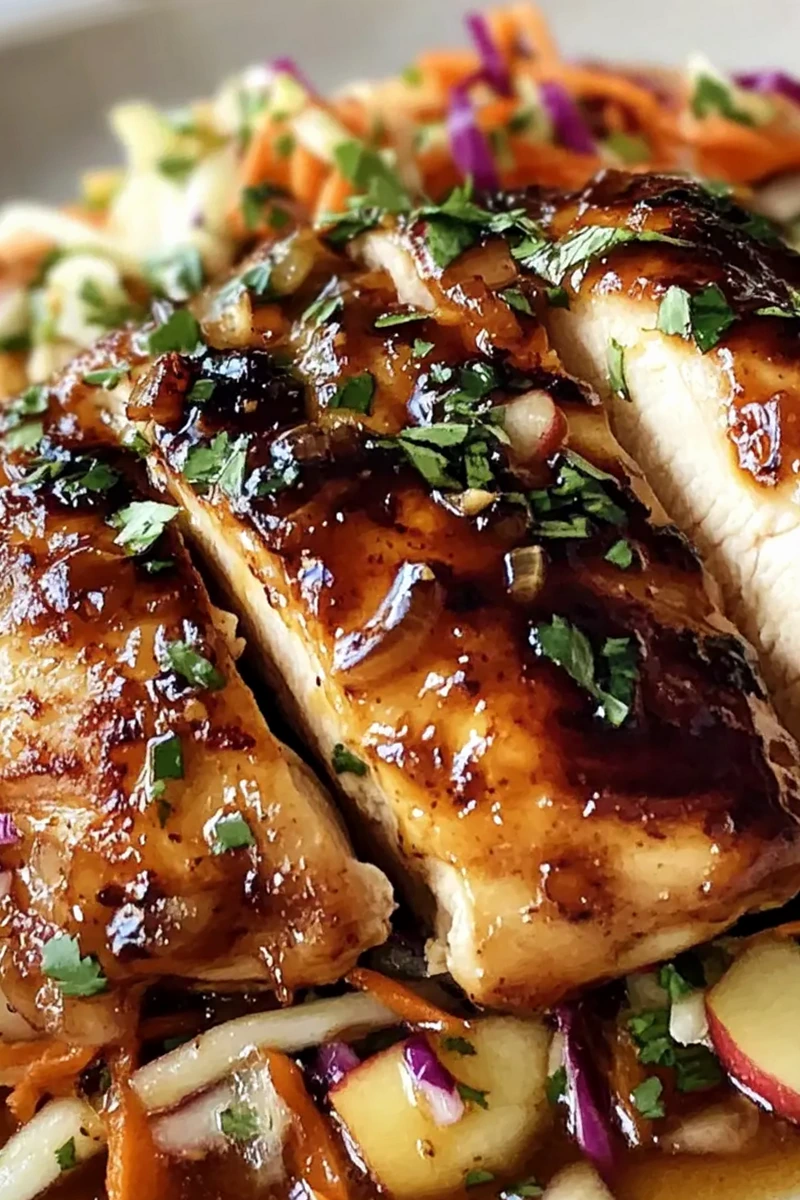
This recipe produces a sweet and savory chicken dish using a reduced apple cider glaze and a refreshing cabbage slaw. It is a practical one-pan meal that balances rich, caramelized flavors with crisp vegetables.
List of ingredients
- 1 cup Apple Cider – provides the base sweetness and depth for the reduction.
- 1/4 cup Honey – creates the sticky texture and adds natural sweetness.
- 2 tablespoons Dijon Mustard (or yellow mustard) – adds acidity and a tangy flavor profile.
- 2 cloves Minced Garlic – adds aromatic depth to the glaze.
- 4 Chicken Thighs (or chicken breasts) – provides the primary protein.
- Salt – used to season the chicken and dressing to taste.
- Pepper – used to season the chicken and dressing to taste.
- 3 cups Shredded Cabbage (or coleslaw mix) – forms the crunchy base of the side salad.
- 1 cup Shredded Carrots (or bell peppers) – adds color and a mild sweetness.
- 1 cup Apple Slices – uses a firm variety to maintain texture in the slaw.
- 2 tablespoons Apple Cider Vinegar (or white vinegar) – provides the necessary acidity for the dressing.
- A pinch of Celery Seeds – optional addition for an earthy, traditional slaw flavor.
- Fresh Herbs (Parsley/Chives) – used for final garnishing and fresh flavor.
step-by-step instructions
- Prepare the Glaze: In a medium saucepan, combine 1 cup of apple cider, 1/4 cup of honey, 2 tablespoons of Dijon mustard, and 2 minced garlic cloves. Place the saucepan over medium heat and bring the mixture to a gentle simmer. Stir occasionally, allowing it to thicken until it coats the back of a spoon, about 10-15 minutes.
- Cook the Chicken: Heat a large skillet over medium heat and add 1 tablespoon of oil. Season 4 chicken thighs generously with salt and pepper, then place them skin-side down in the hot skillet. Sear the chicken until the skin is beautifully golden and crispy, about 5-7 minutes. Carefully flip the thighs and cook for an additional 5 minutes, or until the internal temperature reads 165°F.
- Glaze the Chicken: Pour the prepared apple cider glaze over the chicken thighs in the skillet. Lower the heat to medium-low and continue to cook, spooning the glaze over the chicken frequently. Allow the glaze to reduce and caramelize, approximately 5-10 minutes, until the chicken is sticky and coated.
- Prepare the Slaw: In a large mixing bowl, combine 3 cups of shredded cabbage, 1 cup of shredded carrots, and 1 cup of apple slices. In a separate small bowl, whisk together 2 tablespoons of apple cider vinegar, a pinch of celery seeds, salt, and pepper. Drizzle this dressing over the slaw and toss gently to combine.
- Plate and Serve: On a serving platter, arrange the sticky apple cider chicken alongside the vibrant autumn slaw. Garnish with fresh herbs like parsley or chives if desired.
Cooking Tips for Optimal Results
Simmer the Glaze Until it Coats a Spoon
The glaze relies on the reduction of apple cider and the thickening properties of honey. If the glaze is too thin, it will run off the chicken rather than clinging to it. Use a spoon to check the consistency; it should leave a visible trail when you drag your finger across the back of the spoon.
Sear Chicken Skin for Maximum Crispness
Start the chicken in a preheated skillet with oil to ensure immediate searing. Keeping the chicken skin-side down for the first 5-7 minutes prevents the skin from becoming rubbery. Avoid overcrowding the pan, as too many pieces of meat can drop the temperature and cause the chicken to steam instead of sear.
Monitor Internal Temperature for Juiciness
Use an instant-read meat thermometer to check the thickest part of the thigh. Removing the chicken just as it hits 165°F prevents the meat from drying out during the final glazing phase. The residual heat during the resting period will finish the cooking process without overdoing the protein.
Dress the Slaw Immediately Before Serving
Vinegar breaks down the cellular structure of cabbage and carrots over time, which leads to wilting. To maintain the maximum crunch, toss the dressing with the vegetables right before plating. If you must prepare it early, keep the dressing in a separate container.
Ingredient Substitutions
Using Apple Juice Instead of Cider
Apple juice can be used if fresh, unfiltered cider is unavailable. Note that apple juice is typically filtered and pasteurized, which results in a lighter, less complex flavor. You may need to simmer the glaze slightly longer to achieve the same thickness due to different sugar concentrations.
Swapping Chicken Thighs for Chicken Breasts
Chicken breasts are a leaner alternative but cook faster than thighs. Reduce the initial searing time and monitor the internal temperature closely to avoid overcooking. Because breasts lack the fat of thighs, the glaze is essential for providing moisture to the final dish.
Replacing Dijon Mustard with Yellow Mustard
Yellow mustard provides a sharper, more acidic tang than the complex, slightly spicy profile of Dijon. It is a suitable substitute for those who prefer a more traditional American flavor. The thickening effect on the glaze remains the same regardless of the mustard type.
Using Pears Instead of Apples in the Slaw
Firm pears offer a softer texture and a different kind of sweetness compared to apples. Ensure you choose a variety like Bosc or Anjou that holds its shape when tossed. Pears pair exceptionally well with the apple cider glaze of the chicken.
Substituting Bell Peppers for Carrots
Red or orange bell peppers provide a similar color to carrots but add a more pronounced pepper flavor. Slice them into thin julienne strips to match the texture of the shredded cabbage. This swap adds a fresh, crisp element to the slaw.
Flavor Variations
Adding Cayenne Pepper for a Spicy Glaze
A small amount of cayenne pepper or red pepper flakes can be stirred into the glaze during the simmering process. The heat cuts through the sweetness of the honey and apple cider. Start with a pinch and adjust based on your preferred spice level.
Using Cranberry Cider for a Tart Twist
Replacing a portion of the apple cider with cranberry cider introduces a tart, wintery profile. This variation creates a deeper red color in the glaze. It works particularly well when paired with the apple slices in the slaw for a balanced flavor.
Incorporating Toasted Walnuts for Nutty Crunch
Adding toasted walnuts or pecans to the slaw provides an earthy contrast to the acidic dressing. Toast the nuts in a dry pan over medium heat until fragrant before adding them. This adds a layer of protein and healthy fats to the side dish.
Using Fresh Dill or Cilantro for Herbal Depth
While parsley and chives are traditional, fresh dill adds a bright, lemony note that complements the apple cider. Cilantro can be used for a more modern, fusion-style flavor profile. Chop the herbs finely and sprinkle them over the chicken immediately before serving.
Storage and Reheating Guide
Refrigerating Leftover Chicken
Store cooked chicken and its remaining glaze in an airtight glass or plastic container. Keep the slaw in a separate container to prevent the chicken juices from affecting the vegetables. The chicken will stay fresh and juicy in the refrigerator for up to 3 days.
Freezing Glazed Chicken for Long-Term Storage
Place the cooled glazed chicken in a heavy-duty freezer bag, removing as much air as possible to prevent freezer burn. The chicken can be stored this way for up to 2 months. Ensure the glaze is fully coated on the meat to help lock in moisture during the freezing process.
Reheating Chicken in a Skillet
Thaw frozen chicken completely in the refrigerator overnight before reheating. Place the chicken in a skillet over low to medium-low heat. Add a tablespoon of water or extra apple cider to the pan to loosen the glaze and prevent the honey from burning.
Managing Slaw Leftovers
Due to the high water content of the vegetables and the acidity of the vinegar, slaw does not store well. It is best consumed within 24 hours. If the slaw becomes too watery, you can drain the excess liquid before serving, though the crunch will be diminished.
Make-Ahead Strategies
Preparing the Apple Cider Glaze in Advance
The glaze can be made up to 24 hours before you plan to cook the chicken. Simmer it as directed and store it in a sealed jar in the refrigerator. Gently reheat the glaze in a small pan or microwave before pouring it over the seared chicken.
Pre-seasoning and Marinating the Chicken
Season the chicken thighs with salt and pepper and store them in a covered dish in the fridge for several hours. This allows the salt to penetrate the meat, enhancing the flavor and helping the skin crisp up more effectively during searing.
Pre-chopping Slaw Vegetables
Shred the cabbage and carrots and slice the apples up to 3 days in advance. Store the vegetables in a sealed container with a damp paper towel to maintain humidity. Keep the dressing separate until the moment of service to ensure maximum crispness.
Best Side Dish Pairings
Serving with Roasted Brussels Sprouts
Roasted Brussels sprouts with their charred edges provide a bitter contrast to the sweet apple glaze. Roast them at 400°F with olive oil and salt until tender. The earthy flavor of the sprouts complements the autumn theme of the meal.
Pairing with Creamy Mashed Potatoes
Mashed potatoes serve as an excellent base for the extra apple cider glaze. The starch absorbs the reduction, ensuring none of the sauce goes to waste. Use butter and a splash of milk for a rich texture that balances the acidity of the slaw.
Using Quinoa Pilaf for a Healthy Grain
A quinoa pilaf cooked in vegetable broth offers a nutty, light alternative to potatoes. It keeps the meal gluten-free and adds a different textural element. Mix in some toasted almonds to echo the crunch of the slaw.
Accompanying with Warm Bread Rolls
Soft, warm rolls are practical for mopping up the remaining glaze from the plate. Serve them with salted butter to add a savory element to the sweet-savory chicken. This makes the meal more filling and satisfying for larger groups.
Common Troubleshooting and FAQs
What kind of apple cider should I use for this recipe?
Fresh, unfiltered apple cider is recommended for its depth and natural pectin, which helps the glaze thicken. If you only have apple juice, you can use it, but the resulting glaze may be thinner and less aromatic.
How should I store leftover Sticky Apple Cider Chicken?
Place the chicken in an airtight container and refrigerate for up to 3 days. Always store the slaw in a separate container so the vegetables do not absorb the chicken glaze, which would cause them to lose their crunch.
Can I freeze Sticky Apple Cider Chicken?
Yes, the chicken can be frozen for up to 2 months. Use a freezer-safe bag or container and ensure the chicken is completely cooled before freezing. Thaw it in the fridge before reheating on the stove.
What if my glaze isn’t thick enough?
If the glaze is too thin, continue to simmer it over medium heat. Stir frequently to prevent the honey from scorching. It will thicken as the water evaporates from the cider; this usually takes an additional 5 to 10 minutes.
Are there any dietary considerations I should be aware of?
This recipe is naturally gluten-free, provided the mustard and vinegar used are certified. Always check the labels of processed ingredients for hidden thickeners or additives. Avoid adding honey if the dish is being served to infants.
Can I make the slaw ahead of time?
You can chop the ingredients ahead of time, but do not add the dressing until you are ready to serve. Adding the vinegar too early will cause the cabbage to release water and lose its structural integrity.
Print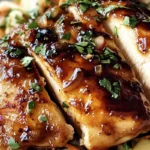
Sticky Apple Cider Chicken with Autumn Slaw
- Total Time: 45 minutes
- Yield: 4 servings 1x
- Diet: Gluten-Free
Description
Enjoy the warm flavors of fall with Sticky Apple Cider Chicken in this delightful crowd-pleaser.
Ingredients
- 1 cup Apple Cider
- ¼ cup Honey
- 2 tablespoons Dijon Mustard
- 2 cloves Minced Garlic
- 4 Chicken Thighs
- Salt to taste
- Pepper to taste
- 3 cups Shredded Cabbage
- 1 cup Shredded Carrots
- 1 cup Apple Slices
- 2 tablespoons Apple Cider Vinegar
- pinch Celery Seeds
- Fresh Herbs (Parsley/Chives)
Instructions
- Prepare the Glaze: In a medium saucepan, combine 1 cup of apple cider, ¼ cup of honey, 2 tablespoons of Dijon mustard, and 2 minced garlic cloves. Place the saucepan over medium heat and bring the mixture to a gentle simmer. Stir occasionally, allowing it to thicken until it coats the back of a spoon, about 10-15 minutes.
- Cook the Chicken: Heat a large skillet over medium heat and add 1 tablespoon of oil. Season 4 chicken thighs generously with salt and pepper, then place them skin-side down in the hot skillet. Sear the chicken until the skin is beautifully golden and crispy, about 5-7 minutes. Carefully flip the thighs and cook for an additional 5 minutes, or until the internal temperature reads 165°F.
- Glaze the Chicken: Pour the prepared apple cider glaze over the chicken thighs in the skillet. Lower the heat to medium-low and continue to cook, spooning the glaze over the chicken frequently. Allow the glaze to reduce and caramelize, approximately 5-10 minutes.
- Prepare the Slaw: In a large mixing bowl, combine 3 cups of shredded cabbage, 1 cup of shredded carrots, and 1 cup of apple slices. In a separate small bowl, whisk together 2 tablespoons of apple cider vinegar, a pinch of celery seeds, salt, and pepper. Drizzle this dressing over the slaw and toss gently to combine.
- Plate and Serve: On a serving platter, arrange the sticky apple cider chicken alongside the vibrant autumn slaw. Garnish with fresh herbs like parsley or chives if desired.
Notes
Store leftover chicken in an airtight container for up to 3 days. Freeze for up to 2 months and reheat gently in a skillet.
- Prep Time: 15 minutes
- Cook Time: 30 minutes
- Category: Dinner
- Method: Searing
- Cuisine: American
Nutrition
- Serving Size: 1 serving
- Calories: 250 kcal
- Sugar: 12 g
- Sodium: 300 mg
- Fat: 10 g
- Saturated Fat: 2 g
- Unsaturated Fat: 8 g
- Trans Fat: 0 g
- Carbohydrates: 30 g
- Fiber: 3 g
- Protein: 20 g
- Cholesterol: 60 mg
Keywords: Sticky Apple Cider Chicken, autumn dinner, chicken thighs, apple cider glaze, autumn slaw