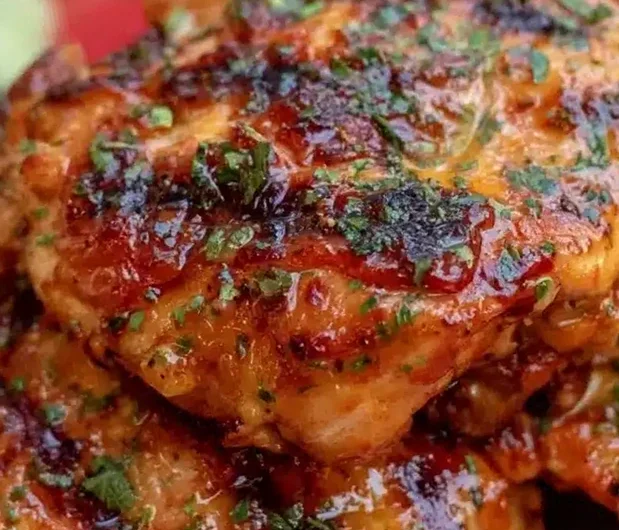
This recipe uses a Greek yogurt and lemon marinade to create exceptionally tender and juicy chicken thighs. It is a practical, high-protein meal that is ideal for quick weeknight dinners or meal prep.
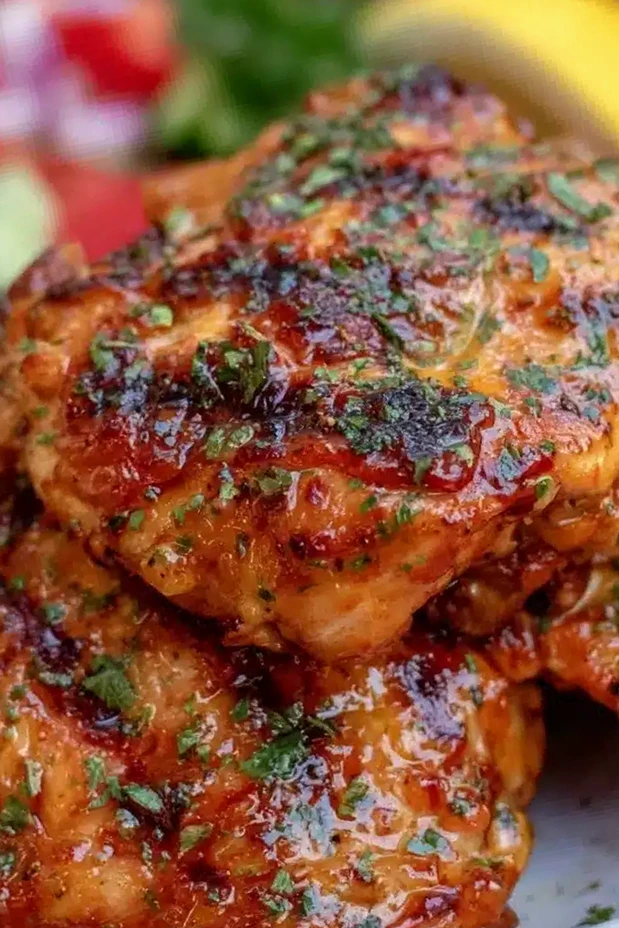
List of ingredients
- 2 pounds (900g) chicken thighs, bone-in skin-on preferred – provides maximum flavor and juiciness.
- 1 cup (240g) full-fat Greek yogurt – acts as the primary tenderizer.
- Juice of 1 large lemon (about 3 tablespoons / 45ml) – adds essential acidity and brightness.
- Zest of 1 large lemon – provides concentrated citrus oils for deeper flavor.
- 3 medium garlic cloves, minced – adds a pungent, savory base.
- 2 tablespoons (30ml) olive oil – helps the marinade coat evenly and adds richness.
- 1 teaspoon ground cumin – provides an earthy, warm undertone.
- Salt to taste (kosher salt recommended) – enhances all other flavors.
- Freshly ground black pepper to taste – adds a mild spicy kick.
- Optional: 2 tablespoons fresh herbs (parsley, oregano, or others) – used for final garnish.
step-by-step instructions
- Prepare the marinade: In a large mixing bowl, combine the Greek yogurt, lemon juice, lemon zest, minced garlic, olive oil, ground cumin, salt, and pepper. Whisk the mixture thoroughly until it is smooth and the spices are well incorporated.
- Marinate the meat: Add the chicken thighs to the bowl and toss them until every piece is completely and evenly coated. Cover the bowl with plastic wrap or transfer the chicken to a zip-top bag, then refrigerate for at least 1 hour, though 4-6 hours or overnight is recommended for maximum tenderness.
- Preheat the oven: Set your oven to 425°F (220°C) approximately 30 minutes before you plan to start roasting.
- Arrange the chicken: Line a baking sheet with parchment paper or aluminum foil. Place the chicken thighs skin-side up, ensuring there is space between each piece to allow air circulation. For the crispest skin, place a wire cooling rack on top of the lined baking sheet and arrange the chicken on the rack.
- Roast the thighs: Place the baking sheet in the oven and roast for 35-40 minutes. After the first 20 minutes, flip the thighs skin-side down for 5 minutes to render the fat, then flip them back to skin-side up for the remaining time. The chicken is fully cooked when the skin is golden brown and the internal temperature reaches 165°F (74°C).
- Rest and finish: Remove the pan from the oven and let the chicken rest for 5-10 minutes to allow juices to redistribute. Garnish with chopped fresh parsley or oregano if desired.
- Optional crisping: For extra crispy skin, broil the chicken for 1-2 minutes at the very end of the cooking process, watching closely to prevent burning.
Professional Roasting Techniques
Bring Chicken to Room Temperature
Take the marinated chicken out of the refrigerator about 20 to 30 minutes before placing it in the oven. This prevents the internal temperature of the oven from dropping sharply when the cold meat is added. It ensures the chicken cooks more evenly from the edge to the center.
Avoid Overcrowding the Baking Sheet
Ensure that the chicken thighs are not touching each other on the pan. When pieces are crowded, they release moisture that turns into steam, which prevents the skin from browning and crisping. Spacing them out allows dry heat to circulate around each piece of meat.
Use a Wire Cooling Rack
Placing a wire rack on your baking sheet elevates the chicken above the pan surface. This allows heat to reach the bottom of the thighs while they roast, reducing the need for flipping and ensuring a more uniform crispiness across the skin.
Monitor Internal Temperature
Rely on an instant-read meat thermometer rather than just visual cues. Insert the probe into the thickest part of the thigh, avoiding the bone. Remove the chicken as soon as it hits 165°F (74°C) to avoid overcooking and drying out the meat.
Ingredient Substitutions and Adjustments
Using Low-Fat or Non-Fat Yogurt
You can substitute full-fat Greek yogurt with a lower-fat version, but the result will be slightly less creamy. Full-fat yogurt provides a protective barrier that helps prevent the chicken from drying out during the high-heat roasting process. If using non-fat, be more vigilant about cooking times.
Substituting Fresh Garlic
If fresh garlic is unavailable, you can use garlic powder as a replacement. Use approximately 1/4 teaspoon of garlic powder for every medium clove of fresh garlic. While the flavor is slightly different, it still provides the necessary savory depth to the marinade.
Alternative Citrus Options
If you do not have lemons, lime juice and zest can be used for a different but still zesty flavor profile. For a more mellow acidity, you can use a small amount of white wine vinegar mixed with a pinch of sugar. However, fresh lemon remains the best choice for this specific Mediterranean style.
Changing the Spice Profile
To alter the earthy flavor of cumin, you can substitute it with smoked paprika or coriander. Smoked paprika adds a deeper, woodsy flavor and a richer red color to the finished chicken. Coriander provides a more floral, citrusy note that complements the lemon well.
Flavor Variations and Modifications
Adding a Spicy Element
For those who prefer heat, add 1/2 teaspoon of cayenne pepper or crushed red pepper flakes to the marinade. The spice cuts through the richness of the Greek yogurt and complements the acidity of the lemon. This creates a more dynamic flavor profile without overpowering the main ingredients.
Enhancing the Herb Blend
While parsley and oregano are traditional, adding fresh thyme or rosemary can create a more complex aromatic profile. Chop the herbs finely and mix them directly into the marinade or sprinkle them on the chicken during the last 10 minutes of roasting. This prevents the delicate herbs from burning.
Creating a Mediterranean-Style Platter
To lean further into the Mediterranean theme, add chopped kalamata olives and sliced red onions to the baking sheet around the chicken. The vegetables will roast in the lemon-yogurt drippings, absorbing the savory flavors. This transforms the dish into a complete meal on a single pan.
Integrating into One-Pot Meals
After roasting the chicken, you can use the residual pan juices to cook orzo or rice. Sauté mushrooms and garlic in the pan, then add the grains and liquid. The lemony drippings from the chicken thighs provide a rich, built-in sauce for the starch.
Serving and Pairing Suggestions
Fresh Salad Pairings
Serve these thighs with a classic Greek salad consisting of cucumbers, tomatoes, red onion, and feta cheese. The cool, crisp vegetables balance the warm, roasted richness of the chicken. A light vinaigrette of olive oil and red wine vinegar complements the lemon marinade.
Grain Bowl Assembly
Slice the cooked chicken and place it over a bed of quinoa, farro, or brown rice. Add roasted cauliflower, steamed spinach, and a drizzle of tahini or additional Greek yogurt sauce. This is an excellent option for healthy meal preparation and balanced nutrition.
Flatbread and Wrap Ideas
Warm some pita bread or flatbread and fill it with sliced chicken thighs. Add thin slices of red onion, shredded lettuce, and a generous dollop of tzatziki sauce. This turns the roasted chicken into a handheld meal perfect for casual dining.
Roasted Root Vegetable Sides
Pair the chicken with roasted carrots, parsnips, or baby potatoes. Toss the vegetables in olive oil, salt, and pepper, and roast them on a separate tray at the same temperature. The sweetness of roasted root vegetables pairs perfectly with the zesty lemon flavor.
Storage and Reheating Guide
Refrigeration Process
Once the chicken has cooled completely, store it in an airtight container in the refrigerator. It will remain fresh and safe to eat for up to 4 days. To prevent the skin from becoming soggy, store the chicken in a single layer rather than stacking the pieces.
Freezing Instructions
For long-term storage, wrap each cooked chicken thigh tightly in aluminum foil or plastic wrap. Place the wrapped pieces in a heavy-duty freezer bag, removing as much air as possible to prevent freezer burn. The chicken can be stored in the freezer for up to 3 months.
Optimal Reheating Methods
To maintain the crispiness of the skin, reheat the chicken in an oven or air fryer at 350°F (175°C) until warmed through. Avoid using a microwave if possible, as this often makes the skin rubbery and the meat tough. If using a microwave, cover the chicken with a damp paper towel.
Common Cooking Troubleshooting
Addressing Rubbery Skin
If the skin is rubbery, it is likely due to overcrowding the pan or not using a high enough temperature. Ensure the oven is fully preheated to 425°F before adding the meat. Using a wire rack allows the air to circulate under the chicken, which helps the skin crisp effectively.
Preventing Dry Meat
Dry chicken usually results from overcooking. Use a meat thermometer to ensure you remove the thighs exactly when they reach 165°F. Additionally, ensuring the chicken rests for at least 5 minutes before slicing prevents the juices from running out, keeping the meat moist.
Managing Burnt Garlic
If the garlic in the marinade burns, it may be because the pieces were minced too finely or the oven was too hot. Ensure the yogurt completely coats the garlic particles to protect them from direct heat. If burning occurs, you can gently scrape off the charred bits before serving.
Frequently Asked Questions
Can I use regular yogurt instead of Greek yogurt?
You can use regular plain yogurt, but it has a higher water content, which can make the marinade runnier. To get a similar consistency, strain regular yogurt through a cheesecloth for a few hours to remove excess whey. Greek yogurt is preferred for its thickness and superior tenderizing properties.
How long is the ideal marination time?
While one hour is sufficient for basic flavor, marinating for 4 to 12 hours is ideal. The lactic acid in the yogurt needs time to break down the proteins in the chicken, making it more tender. Overnight marination provides the deepest flavor penetration.
Is it possible to bake this at a lower temperature?
You can bake the chicken at 350°F (175°C), but the cooking time will increase significantly and the skin will not be as crispy. High heat is necessary to render the fat from the skin quickly. If you use a lower temperature, the skin may remain soft and pale.
Is this recipe gluten-free?
Yes, this recipe is naturally gluten-free. It relies on whole ingredients like yogurt, lemon, and spices. Always double-check the labels on your ground cumin or any store-bought spice blends to ensure there are no hidden gluten-containing additives.
What are the best side dishes for lemon chicken?
The best sides are those that balance the acidity of the lemon. Roasted potatoes, steamed asparagus, or a fluffy couscous with herbs are excellent choices. A side of tzatziki sauce also complements the Mediterranean flavors perfectly.
Print
Tender Greek Yogurt Marinated Chicken Thighs with Zesty Lemon
- Total Time: 1 hour 50 minutes
- Yield: 6 servings 1x
- Diet: Gluten-Free
Description
This recipe features tender, juicy chicken thighs marinated in Greek yogurt and zesty lemon, resulting in a flavorful and moist Mediterranean-inspired dish perfect for quick weeknight dinners or entertaining.
Ingredients
- 2 pounds (900g) chicken thighs, bone-in skin-on preferred
- 1 cup (240g) full-fat Greek yogurt
- Juice of 1 large lemon (about 3 tablespoons / 45ml)
- Zest of 1 large lemon
- 3 medium garlic cloves, minced
- 2 tablespoons (30ml) olive oil
- 1 teaspoon ground cumin
- Salt to taste
- Freshly ground black pepper to taste
- 2 tablespoons fresh herbs (parsley, oregano, or others)
Instructions
- Prep the marinade: In a large bowl, combine Greek yogurt, fresh lemon juice, lemon zest, minced garlic, olive oil, ground cumin, salt, and pepper. Whisk until smooth and aromatic.
- Marinate the chicken: Add chicken thighs to the bowl and toss to coat evenly. Cover and refrigerate for at least 1 hour, preferably 4-6 hours or overnight for best results.
- Preheat: Preheat oven to 425°F (220°C) about 30 minutes before cooking.
- Arrange: Arrange chicken on a foil- or parchment-lined baking sheet skin-side up, spacing pieces apart. Use a wire rack if available for crispier skin.
- Roast: Roast chicken for 35-40 minutes. After 20 minutes, flip thighs skin-side down for 5 minutes, then flip back skin-side up for the remaining time. Chicken is done when skin is golden and internal temperature reaches 165°F (74°C).
- Rest: Rest chicken for 5-10 minutes before serving. Garnish with chopped fresh herbs if desired.
- Broil (Optional): Broil for 1-2 minutes at the end for extra crispy skin, watching carefully to avoid burning.
Notes
Marinate chicken for at least 1 hour, preferably overnight, for best tenderness and flavor. Use bone-in, skin-on thighs for juiciness and crispy skin. Let chicken rest before serving to retain juices. Broil briefly at the end for extra crispiness if desired. Room temperature chicken cooks more evenly. Avoid overcrowding the pan to ensure crispy skin.
- Prep Time: 10 minutes
- Cook Time: 40 minutes
- Category: Main Course
- Method: Roasting
- Cuisine: Mediterranean
Nutrition
- Serving Size: 1 chicken thigh
- Calories: 280 kcal
- Sugar: 2 g
- Sodium: 450 mg
- Fat: 18 g
- Saturated Fat: 5 g
- Unsaturated Fat: 13 g
- Trans Fat: 0 g
- Carbohydrates: 2 g
- Fiber: 0 g
- Protein: 25 g
- Cholesterol: 90 mg
Keywords: Greek yogurt chicken, lemon chicken thighs, marinated chicken, easy chicken recipe, zesty lemon chicken, weeknight dinner, Mediterranean chicken