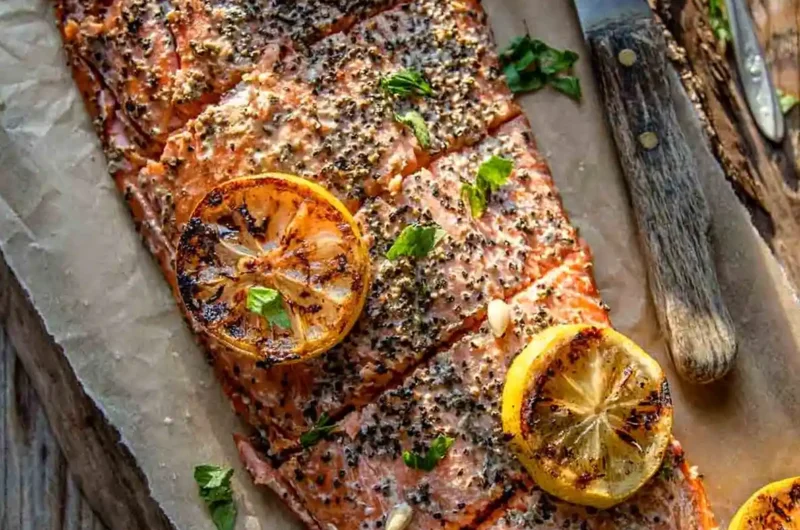
This recipe provides a straightforward method for creating tender, juicy smoked salmon using a hot smoking process. By utilizing a simple binder and precise temperature control, you can achieve professional results at home without the need for a long brine.
List of ingredients
- 1 ½ pounds salmon fillet, pin bones removed – King (Chinook) salmon is highly recommended for its superior fat content and texture.
- 1 tablespoon Dijon mustard – used as a binder for seasonings and to help the fish form a pellicle.
- 1 teaspoon kosher salt – provides the essential seasoning and helps draw out a small amount of moisture.
- 1 teaspoon fresh ground pepper – adds a sharp, aromatic contrast to the rich fish.
step-by-step instructions
- Preheat Smoker: Set your smoker to 225 degrees Fahrenheit. Use fruit woods such as cherry or apple to provide a sweet, mild smoke profile.
- Season Salmon: Apply a thin, even coat of Dijon mustard to the flesh side of the fillet. Immediately season the mustard layer with salt and pepper.
- Smoke Salmon: Place the seasoned fillet on the smoker grate. Cook until the internal temperature of the thickest part reaches 135 degrees Fahrenheit. If you do not have a thermometer, gently pull back the flesh to ensure the center is pink and no longer translucent.
- Rest and Serve: Remove the salmon from the smoker and let it rest for 10 minutes. This allows the juices to redistribute before you slice and serve the fish.
Choosing the Right Salmon
Farm-Raised Salmon for Tenderness
Farm-raised salmon typically has a significantly higher fat content than wild varieties. This extra fat makes the fish much more forgiving during the smoking process, as it prevents the meat from drying out. Look for Atlantic salmon or Columbia River King for the most tender results.
Wild-Caught Salmon for Robust Flavor
Wild-caught salmon is leaner and often possesses a more intense, natural flavor. While it is excellent for smoking, it cooks faster than farmed fish because it lacks the insulating fat. Be extra vigilant with your internal temperature when using wild Coho or Sockeye fillets.
Identifying High-Quality Freshness
Always inspect your fish before purchasing to ensure maximum flavor. Fresh salmon should have a vibrant pink or orange hue and should not have a strong, “fishy” odor. Check the eyes if buying a whole fish; they should be clear rather than glazed or cloudy.
Essential Preparation Techniques
Removing Pin Bones
Pin bones are the small, needle-like bones that run along the center line of the fillet. You can ask your fishmonger to remove these, or you can do it yourself using a pair of clean fish tweezers. Carefully pull the bones out in the direction they are pointing to avoid tearing the flesh.
Handling the Salmon Belly
The belly area contains a high concentration of fat and some cartilage or membrane. We recommend trimming the belly along the natural contour of the fish and cooking it separately as a snack. This ensures the main fillet cooks evenly without the thinner belly portions overcooking.
De-scaling the Skin
Even if the fish is pre-cleaned, it is good practice to check for remaining scales. Use the back of a knife to scrape against the skin in the direction of the scales. This removes any debris and ensures a clean presentation once the fish is cooked.
Understanding the Pellicle
The pellicle is a thin, tacky layer of protein that forms on the surface of the fish. In this recipe, the Dijon mustard helps facilitate this layer, which allows the smoke to adhere better to the meat. This process locks in moisture while enhancing the depth of the smoky flavor.
Smoker Setup and Wood Selection
Using Cherry Wood for Sweetness
Cherry wood is a premier choice for seafood because it imparts a mild, sweet flavor. It also helps the salmon develop a beautiful, deep reddish-brown color. It is strong enough to be noticed but not so overwhelming that it masks the taste of the fish.
Using Apple Wood for a Mellow Profile
Apple wood provides an even more subtle smoke than cherry, making it ideal for those who prefer a delicate flavor. It pairs exceptionally well with the richness of King salmon. Using a blend of apple and cherry is often the best way to achieve a balanced smoke profile.
Managing Smoker Temperatures
Maintaining a steady temperature of 225 degrees Fahrenheit is key to preventing the salmon from becoming tough. If the temperature spikes too high, the proteins will contract quickly and push out the moisture. Use a reliable smoker with consistent airflow to maintain this low-and-slow heat.
Adapting for Pellet Smokers
If you are using a Traeger or other pellet smoker, follow the same temperature guidelines. For an even deeper smoke flavor, you can use a “smoke” setting or drop the temperature to 180 degrees for the first 30 minutes. This increases the smoke density before finishing at 225 degrees.
Professional Cooking Tips
The Importance of a Digital Thermometer
Relying on a timer is risky because fillet thickness and smoker airflow vary greatly. An instant-read digital thermometer is the only way to guarantee the salmon hits exactly 135 degrees Fahrenheit. Insert the probe into the thickest part of the fillet for an accurate reading.
Monitoring Cooking Times for Small Fillets
Smaller fillets or leaner wild-caught fish can reach the target temperature much faster than a large King salmon fillet. Start checking the internal temperature as early as 30 minutes into the process. This prevents the fish from overcooking and becoming dry or chalky.
Pre-portioning the Fillet for Service
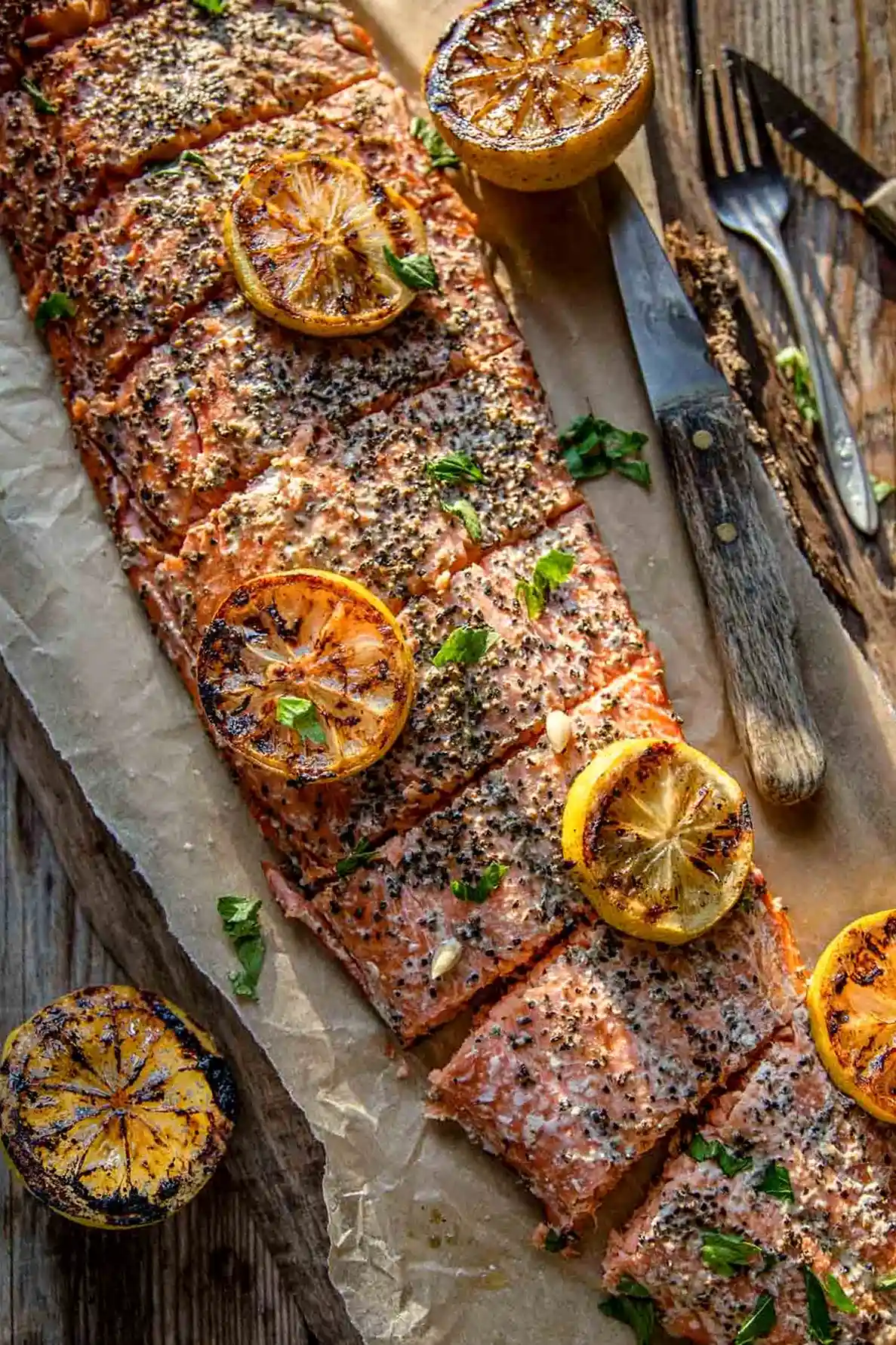
For a professional presentation at a party, you can pre-cut the fillet before smoking. Run a sharp knife lengthwise along the center of the fillet without cutting through the skin, then make horizontal cuts. After smoking, the individual portions can be lifted off the grill easily with a spatula.
Serving Suggestions and Pairings
Fresh Garnishes for a Bright Finish
To cut through the richness of the smoked fish, add a fresh garnish right before serving. Finely chopped fresh parsley adds a clean, herbal note. A squeeze of grilled lemon juice provides acidity that brightens the overall flavor of the dish.
Hearty Side Dish Options
Roasted potatoes with a crispy exterior and soft interior are a classic companion to smoked salmon. The starchiness of the potatoes balances the oily richness of the fish. Grilled asparagus or broccolini also provide a great textural contrast.
Using Acidic Sides for Balance
A no-mayo coleslaw or a vinegar-based cucumber salad is an excellent choice for this meal. The acidity in these sides cleanses the palate between bites of the rich, smoky salmon. This prevents the meal from feeling too heavy.
Non-Alcoholic Beverage Pairings
Pair this dish with beverages that have high acidity or a crisp, refreshing quality. Chilled sparkling water with a slice of lemon or lime is a perfect match. Alternatively, a cold glass of unsweetened iced tea or a chilled white grape juice provides a fruity contrast.
Storage and Reheating Methods
Safe Refrigeration Guidelines
Once cooled, smoked salmon can be stored in an airtight container in the refrigerator for up to three days. Ensure the fish is completely cooled before sealing the container to prevent moisture buildup. Keep it in the coldest part of the fridge to maintain freshness.
The Steam-Reheating Technique
To reheat leftovers without drying them out, use a low-temperature oven method. Preheat your oven to 325 degrees Fahrenheit. This lower heat prevents the fish from cooking further and becoming tough.
Using a Cooling Rack and Water
Place a cookie drying rack inside a sheet tray and pour a small amount of water into the bottom of the tray. Place the salmon on the rack and cover the entire tray with foil. The water creates a humid environment that steams the fish, keeping it tender during the 8-minute reheating process.
Creative Ways to Use Leftovers
Smoked Salmon Pasta
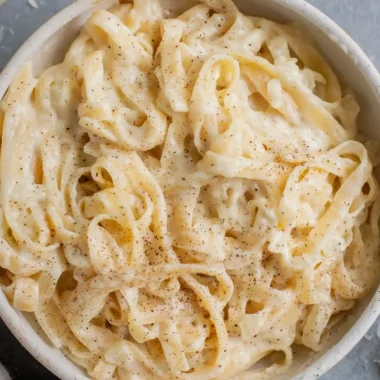
Flake any remaining smoked salmon into a creamy pasta dish. Combine it with fettuccine, a touch of cream, garlic, and capers. The smokiness of the fish adds a gourmet layer to a simple pasta dinner.
Smoked Salmon Benedict
Replace the traditional Canadian bacon with a slice of your smoked salmon for a luxurious breakfast. Serve it on a toasted English muffin with a poached egg and a drizzle of hollandaise sauce. This is a high-protein way to start the day.
Savory Salmon Appetizers
Cold smoked salmon can be blended with cream cheese, lemon zest, and chives to create a rich salmon dip. You can also fold flaked smoked salmon into crab cake batter for a unique seafood patty that offers a deep, smoky flavor profile.
Common Questions and Troubleshooting
What is the safe internal temperature for salmon?
The USDA recommends cooking salmon to 145 degrees Fahrenheit for maximum food safety. However, many chefs prefer 135 degrees Fahrenheit for a medium finish that preserves the juices. Carry-over cooking usually raises the temperature by another 5 degrees after removal from the heat.
How long does the smoking process typically take?
For a fillet weighing between 1 and 1.5 pounds, the process usually takes about one hour. However, you should always cook to the internal temperature rather than a specific time. Factors like wood type and ambient weather can influence the speed.
Is brining necessary for smoked salmon?
While some recipes call for a long wet brine, it is not necessary for this method. The combination of salt and Dijon mustard provides enough seasoning and moisture retention. If you prefer a brine, a simple mixture of water, kosher salt, and brown sugar will work.
Can I use Steelhead trout in this recipe?
Yes, steelhead trout is very similar to salmon in terms of fat content and texture. You can follow these exact instructions, temperatures, and wood selections for steelhead. It will result in a similarly tender and flavorful piece of fish.
Print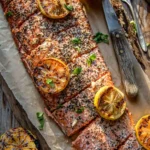
Tender Hot-Smoked Salmon Fillet
- Total Time: 75 minutes
- Yield: 4 servings 1x
- Diet: Gluten-Free
Description
Perfect Smoked Salmon. Recipe for fresh smoked salmon fillet. Secrets to juicy and tender salmon.
Ingredients
- 1 ½ pounds salmon fillet, pin bones removed
- 1 tablespoon Dijon mustard
- 1 teaspoon kosher salt
- 1 teaspoon fresh ground pepper
Instructions
- Preheat Smoker: Set smoker to 225 degrees using fruit wood (like cherry or apple).
- Season Salmon: Coat the flesh side of salmon with the Dijon mustard, and then season with salt and pepper.
- Smoke Salmon: Place on smoker and cook until the internal temperature of the salmon reaches 135 degrees (F). If you don’t have a thermometer you can pull back the flesh and make sure the inner portion is pink and not translucent.
- Rest and Serve: Remove from smoker and let sit for 10 minutes. Slice and serve.
Notes
Catering hack: Before smoking, if you want to pre-portion out the filet, run a sharp knife lengthwise along the center of the salmon filet, taking care to not cut through the skin. Then make small cuts horizontally. Then season and cook.
- Prep Time: 5 minutes
- Cook Time: 60 minutes
- Category: Entree
- Method: Smoking
- Cuisine: American
Nutrition
- Serving Size: 1 serving
- Calories: 322 kcal
- Sugar: 1 g
- Sodium: 599 mg
- Fat: 3 g
- Saturated Fat: 1 g
- Unsaturated Fat: 2 g
- Trans Fat: 0 g
- Carbohydrates: 1 g
- Fiber: 1 g
- Protein: 11 g
- Cholesterol: 31 mg
Keywords: smoked salmon, bbq, seafood, king salmon, hot smoked salmon