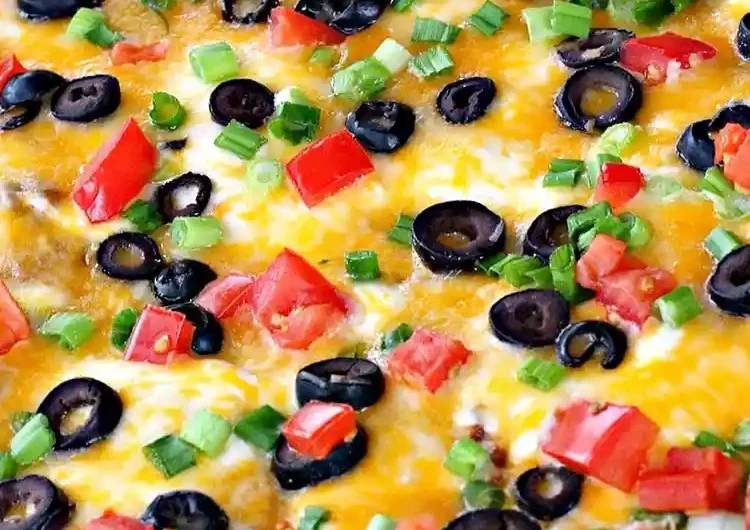
This Tex-Mex beef lasagna is a hearty, layered casserole that blends traditional pasta structure with zesty Mexican flavors. It is a convenient meal for large groups because it uses uncooked noodles that cook directly in the oven.
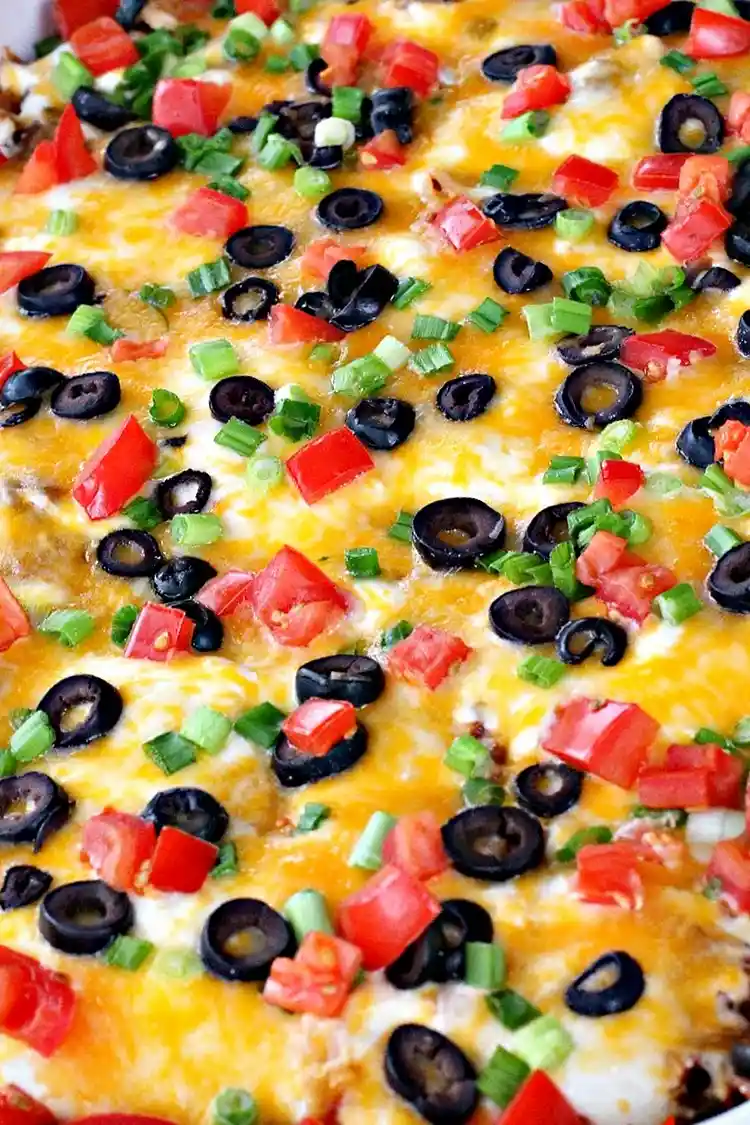
The combination of refried beans, ground beef, and chunky salsa creates a rich filling that pairs perfectly with melted Colby Jack cheese.
List of ingredients
- 2 lbs. 93% or 96% lean ground beef – provides the main protein base.
- 16 oz. can refried beans – adds creaminess and thickness to the meat layer.
- 4 oz. can chopped green chilies – introduces a mild heat and tang.
- 1 pkg. taco seasoning – provides the primary blend of Mexican spices.
- 16 oz. bag shredded Colby Jack cheese – divided for layering and topping.
- 16 oz. box uncooked lasagna noodles – the structural base of the dish.
- 24 oz. jar mild or medium chunky salsa – divided for the filling and the top sauce.
- 2 cups water – necessary for hydrating the uncooked noodles during baking.
- 16 oz. container sour cream – used as a cooling top layer.
- 2.25 oz. can sliced, drained ripe olives – used for garnishing.
- 3 chopped green onions – provides a fresh, sharp finish.
- 3 chopped small roma tomatoes – adds brightness to the topping.
step-by-step instructions
- Brown the meat: Cook the ground beef in a skillet over medium heat until it is no longer pink, then drain the excess grease.
- Break down beef: Use a hamburger chopper while frying to ensure the meat is broken into small, consistent pieces.
- Simmer filling: Stir in the refried beans, chopped green chilies, taco seasoning, and 2 heaping tablespoons of salsa, then heat through for about 5 minutes.
- Prepare the base: Heavily grease a 9×13 inch deep-dish baking pan and spread at least one cup of the meat mixture across the bottom to prevent the noodles from sticking.
- First layer: Place a row of four uncooked lasagna noodles over the beef, then spread one-third of the remaining meat mixture and sprinkle with 1 cup of cheese.
- Repeat layering: Repeat the noodle, meat, and cheese sequence two more times until the ingredients are used.
- Add liquid: In a small bowl, combine the remaining salsa and 2 cups of water, then pour the mixture evenly over the top of the assembly.
- Initial bake: Cover the dish tightly with foil and bake at 350°F for 1.5 hours, or until the noodles are fork-tender.
- Apply toppings: Uncover the dish and spread sour cream over the surface, followed by cheese, olives, green onions, and tomatoes.
- Final melt: Return the dish to the oven for 5 to 15 minutes until the topping cheese is completely melted.
- Rest and serve: Let the lasagna stand for 10 to 15 minutes before cutting to allow the layers to set.
Pro Cooking Tips for Success
Preventing Bottom Noodle Sticking
It is essential to spread a significant layer of the beef mixture on the bottom of the pan before adding noodles. This layer creates a moisture barrier that prevents the pasta from fusing to the glass or ceramic surface. Without this step, the bottom layer may be impossible to remove without breaking.
Ensuring Proper Noodle Hydration
The mixture of salsa and water is critical because the noodles are not pre-boiled. Make sure to pour the liquid to cover as much of the noodle surface as possible. This ensures that the steam trapped under the foil penetrates the pasta completely.
Using a Meat Chopper for Consistency
Utilizing a dedicated hamburger chopper prevents large clumps of beef from forming. Fine crumbles allow the meat to integrate better with the refried beans and seasonings. This results in a more uniform texture in every bite of the lasagna.
Checking for Pasta Doneness
Since oven temperatures vary, always test the noodles with a fork before adding the toppings. The fork should slide easily into the pasta without resistance. If the noodles are still firm, replace the foil and bake for an additional 15 minutes.
Ingredient Substitutions
Alternative Cheese Blends
While Colby Jack is recommended, a mix of Monterey Jack and Sharp Cheddar works equally well. For a creamier profile, you can incorporate a small amount of Mozzarella. Ensure the cheese is shredded finely so it melts evenly across the layers.
Substituting Refried Beans
If refried beans are unavailable, you can use mashed pinto beans or black beans. If using whole beans, mash them slightly with a fork first to maintain the thick consistency of the meat layer. This prevents the filling from becoming too loose.
Using Enchilada Sauce Instead of Water
For a more intense flavor, replace the 2 cups of water with red or green enchilada sauce. This increases the acidity and spice level of the noodle-cooking liquid. When using sauce, you can slightly reduce the amount of salsa to balance the salt content.
Choosing Different Lean Beef
93% or 96% lean ground beef is used to prevent the lasagna from becoming overly greasy. If using a higher fat percentage, be extremely thorough when draining the skillet. You may also use ground turkey or lean sirloin for a different protein profile.
Flavor Variations
Adding Corn and Black Beans
Stirring in a cup of canned corn and a cup of drained black beans to the beef mixture adds texture and color. These ingredients complement the taco seasoning and increase the nutritional value of the dish. Ensure they are mixed in before spreading the beef in the pan.
Increasing the Heat Level
To make the dish spicier, use hot green chilies instead of mild ones. You can also add diced jalapeños to the meat mixture or use a spicy variety of chunky salsa. Adding a pinch of cayenne pepper to the taco seasoning provides an extra kick.
Integrating Fresh Bell Peppers
Sautéing diced red and green bell peppers with the beef adds a subtle sweetness and crunch. This addition enhances the Tex-Mex profile and makes the meat layer more voluminous. Cook the peppers until softened before adding the beans and seasoning.
Vegetarian-Style Modifications
Replace the ground beef with a plant-based meat alternative or a mixture of lentils and walnuts. Use vegetable-based refried beans to keep the dish meat-free. All other steps, including the salsa and cheese layers, remain the same.
Serving and Pairing Suggestions
Fresh Side Salads
Serve the lasagna with a crisp garden salad featuring a lime-cilantro vinaigrette. The acidity of the dressing cuts through the richness of the cheese and sour cream. Mix in sliced radishes and shredded carrots for extra crunch.
Classic Tex-Mex Dips
Provide a side of fresh guacamole and a bowl of pico de gallo for dipping or topping. These fresh additions provide a temperature contrast to the hot casserole. Tortilla chips can also be served on the side to scoop up any remaining sauce.
Side of Mexican Rice
A side of fluffy Mexican red rice complements the flavors of the beef and beans. Cook the rice with tomato paste, garlic, and onion to match the savory notes of the lasagna. This makes the meal even more filling for large appetites.
Additional Garnish Options
Beyond the olives and tomatoes, consider adding fresh cilantro leaves or sliced avocado to the top after baking. A drizzle of hot sauce or a squeeze of fresh lime juice can brighten the overall flavor. These final touches add professional presentation to the dish.
Storage and Reheating Guide
Refrigerating Leftovers
Store any remaining lasagna in an airtight container in the refrigerator for up to four days. Ensure the dish has cooled slightly before sealing it to prevent excessive condensation. The layers will firm up in the cold, making it easier to slice clean squares.
Freezing the Casserole
You can freeze the lasagna before the final topping is added. Bake the dish up to the point where the noodles are tender, cool it completely, and wrap it tightly in plastic wrap and foil. Thaw in the refrigerator overnight before adding toppings and finishing the bake.
Best Reheating Methods
Reheat individual slices in the oven at 325°F covered with foil to maintain moisture. If using a microwave, cover the slice with a damp paper towel to prevent the noodles from drying out. Heat in 1-minute intervals until the center is warm.
Maintaining Texture During Storage
To prevent the sour cream topping from separating during reheating, you may choose to store the topping ingredients separately. Add fresh sour cream and tomatoes to the slice after it has been warmed. This keeps the garnish tasting fresh.
Make-Ahead Strategy
Assembling the Day Before
The lasagna can be fully assembled with the salsa-water mixture and stored in the fridge overnight. When you are ready to cook, take it out of the fridge for 30 minutes to take the chill off. This may slightly increase the required baking time by 10-15 minutes.
Preparing the Meat Filling in Advance
Cook the beef, bean, and seasoning mixture a day early and keep it in a sealed container. This reduces the active prep time on the day of the event. Simply reheat the mixture slightly before layering it into the baking dish.
Pre-chopping Garnishes
Dice the tomatoes, slice the olives, and chop the green onions in advance. Store them in separate small containers or a divided meal-prep box. This allows you to quickly assemble the final toppings once the lasagna comes out of the oven.
Pre-shredding the Cheese
While pre-shredded cheese is convenient, shredding a block of Colby Jack yourself provides a better melt. Do this a few hours before assembly and store the cheese in the refrigerator. This prevents the cheese from clumping during the final baking stage.
Common Troubleshooting
Dealing with Mushy Noodles
If the noodles are too soft, you may have used too much water or left the dish in the oven too long. To fix this in future batches, check the noodles 15 minutes before the timer ends. Ensure the salsa-to-water ratio is exactly as specified.
Fixing Dry Edges
Dry edges usually occur if the foil seal is not tight enough, allowing steam to escape. Make sure the foil covers the edges of the 9×13 pan completely. If edges dry out, you can brush them with a little extra salsa before the final bake.
Preventing Cheese from Burning
If the top cheese browns too quickly during the final melt, lower the oven temperature to 325°F. Keep a close eye on the dish during the last 10 minutes. You can also cover the top loosely with foil if the cheese is browning too fast.
Correcting a Bland Taste
If the dish lacks punch, it may be due to a mild taco seasoning or salsa. Add a splash of lime juice or a sprinkle of salt to the meat mixture before layering. You can also add a layer of diced pickled jalapeños for a sharper flavor.
Frequently Asked Questions
Can I precook the noodles?
Yes, you can precook the noodles to al dente. If you do this, omit the 2 cups of water from the recipe and pour only the salsa over the top. Reduce the initial baking time to 30-40 minutes since the pasta is already partially cooked.
Can I use a different baking dish?
A deep 9×13 inch glass or ceramic dish is best for heat distribution. If using a metal pan, be aware that it may cook the bottom layer faster, so check for doneness earlier. Ensure the dish is deep enough to hold all layers without overflowing.
How do I store the leftovers?
Place leftovers in an airtight container and refrigerate immediately after they have cooled. They will stay fresh for about four days. For long-term storage, the dish can be frozen after the first bake but before the fresh garnishes are added.
Why must the lasagna rest before cutting?
Resting for 10 to 15 minutes allows the sauces and melted cheese to set. This prevents the layers from sliding apart when you slice into the casserole. It ensures each serving maintains its structure on the plate.
Print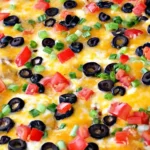
Tex-Mex Beef Lasagna
- Total Time: 2 hours 15 minutes
- Yield: 12 servings 1x
- Diet: General
Description
This amazing lasagna recipe with Tex-Mex flair is a family favorite entree featuring a beef mixture with refried beans and chilies, layered with noodles and cheese, topped with salsa, sour cream, and fresh garnishes.
Ingredients
- 2 lbs lean ground beef (93% or 96%)
- 16 oz can refried beans
- 4 oz can chopped green chilies
- 1 pkg taco seasoning
- 16 oz shredded Colby Jack cheese, divided
- 16 oz box uncooked lasagna noodles
- 24 oz jar mild or medium chunky salsa, divided
- 2 cups water
- 16 oz sour cream
- 2.25 oz can sliced ripe olives, drained
- 3 chopped green onions
- 3 chopped small roma tomatoes
Instructions
- Cook Beef: Cook beef over medium heat until no longer pink, then drain.
- Break Meat: Use a hamburger chopper to break meat into small pieces while frying.
- Combine Mix: Add beans, chilies, taco seasoning, and 2 heaping tablespoonfuls of salsa; mix well.
- Heat: Heat through over medium heat for about 5 minutes.
- Base Layer: Spread at least one cup of the meat mixture on the bottom of a well-greased 9×13” baking dish.
- Layer Noodles: Layer four uncooked noodles and spread with one-third of the remaining beef mixture.
- Add Cheese: Sprinkle with 1 cup of cheese.
- Repeat: Repeat the noodle, meat, and cheese layers twice.
- Add Liquid: Combine remaining salsa and water in a small bowl and pour over the top.
- Bake: Cover and bake at 350°F for 1.5 hours, or until noodles are fork-tender.
- Top: Uncover and top with sour cream, cheese, olives, onions, and tomatoes.
- Finish: Bake 5-15 minutes longer until cheese melts.
- Rest: Let stand 10-15 minutes before cutting.
Notes
Spread at least one cup of beef mixture on the bottom to prevent noodles from sticking. Cover the casserole while baking to prevent noodles from drying out. Do not add extra layers as there is only enough liquid to cook three layers of uncooked noodles.
- Prep Time: 30 minutes
- Cook Time: 1 hour 45 minutes
- Category: Beef Main Dish/Pasta
- Method: Baking
- Cuisine: Tex-Mex
Nutrition
- Serving Size: 1 serving
- Calories: 523 kcal
- Sugar: 6 g
- Sodium: 1012 mg
- Fat: 25 g
- Saturated Fat: 13 g
- Unsaturated Fat: 9 g
- Trans Fat: 0.3 g
- Carbohydrates: 40 g
- Fiber: 4 g
- Protein: 34 g
- Cholesterol: 105 mg
Keywords: beef, cheese, ground beef, lasagna, olives, pasta, salsa, Tex Mex, tomatoes