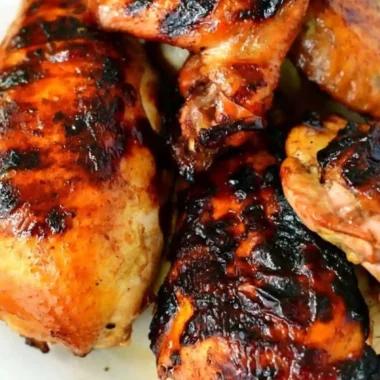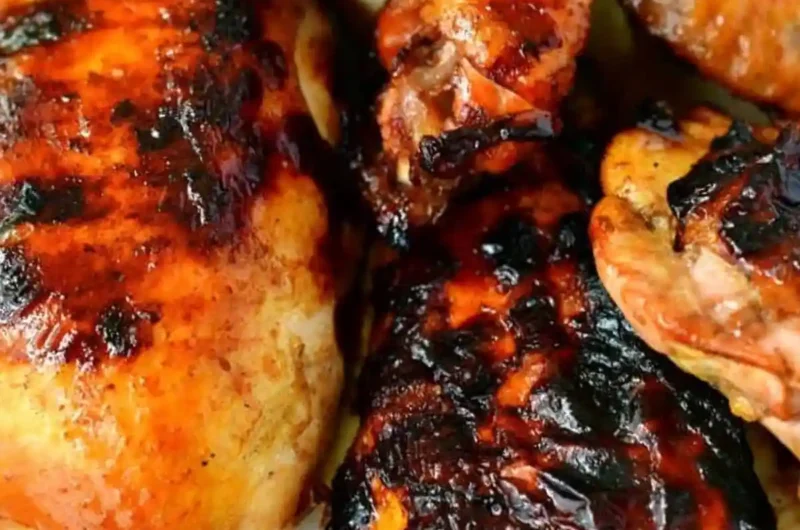
Transforming basic chicken into a restaurant-quality meal starts with a reliable marinade that balances acidity, fat, and deep aromatics. This versatile blend works effectively on any cut, ensuring your protein remains succulent while absorbing a complex profile of sweet, tangy, and savory notes. Whether you are planning a weekend backyard barbecue or a simple weeknight oven roast, this preparation provides the perfect foundation for juicy, flavorful results every single time.
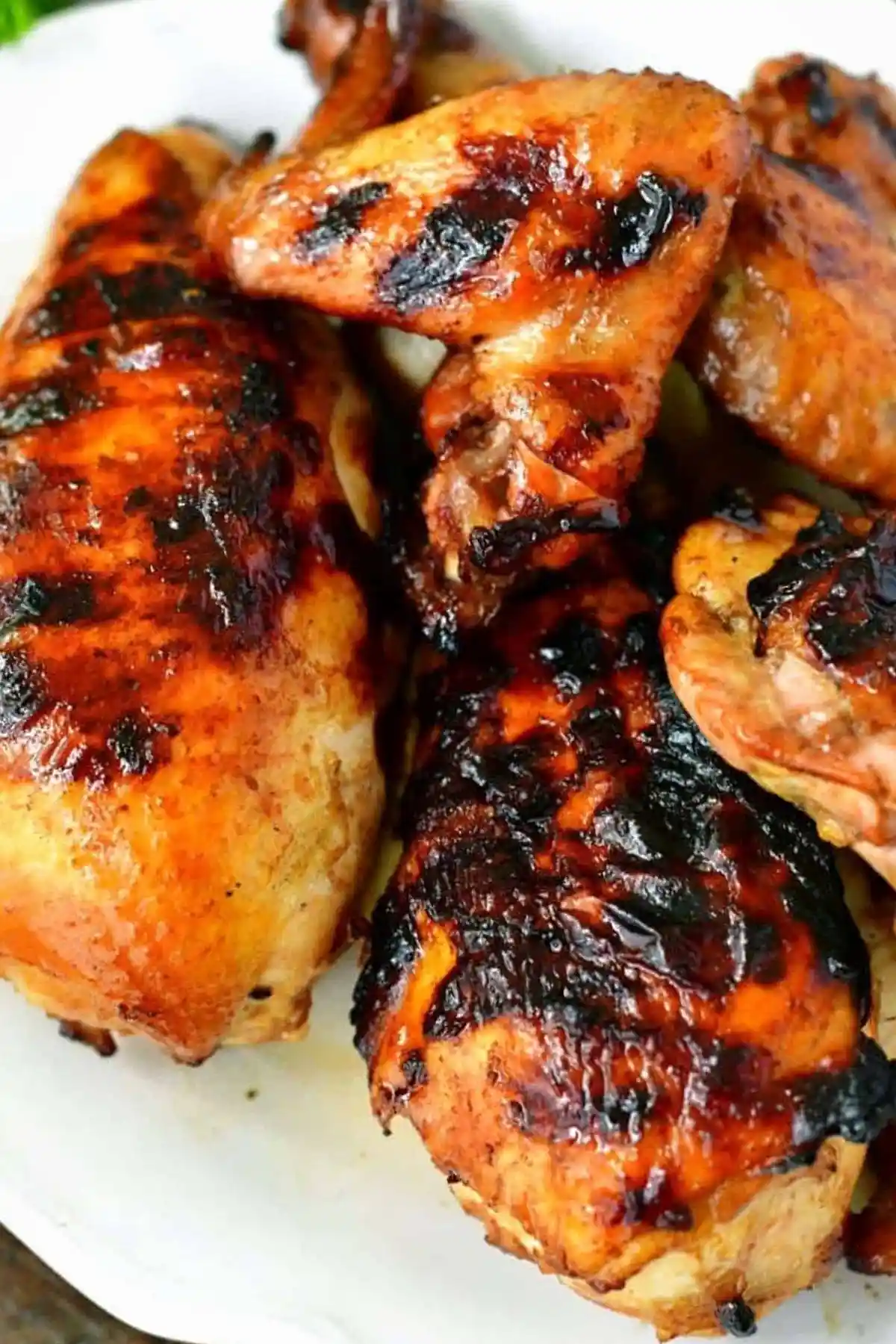
List of ingredients
- 1/2 cup avocado oil (or canola, or vegetable oil)
- 1/4 cup balsamic vinegar
- 1/3 cup honey
- 1 lime, juice only (about 2 Tbsp.)
- 3 tbsp Worcestershire sauce
- 3 tbsp low sodium soy sauce
- 1 tbsp Dijon mustard
- 4 garlic cloves
- 2 tsp salt
- 1 tsp black pepper
- 2 tbsp minced fresh parsley
- 3-4 lbs chicken
step-by-step instructions
- Step: Whisk all ingredients for the sauce in a mixing bowl until thoroughly combined.
- Step: Place chicken inside a durable zip-top bag and pour the marinade into the bag with chicken. Get air out of the bag and zip it closed.
- Step: Lay the bag on its side inside a rimmed baking dish or another container and place it in the refrigerator. Let it marinate for 4-6 hours or overnight.
- Step: Cooking chicken on the grill: Clean and set up the grill for two temperature zones. Preheat the grill first for about 10 minutes over medium heat. Take the chicken out of the marinade and spray it with some cooking spray on all sides. Place chicken over direct heat. Let it cook for a few minutes on both sides and then move it over to the cooler side to finish cooking if needed.
- Step: Baking chicken in the oven: Preheat the oven to 450°F if cooking chicken breast or 425°F if cooking bone-in chicken. Cover a heavy rimmed baking sheet with aluminum foil and lightly grease it. Take chicken out of the marinade and place it on the prepared baking sheet.
- Step: Cooking chicken in a pan: Preheat a cooking pan over medium heat until hot and add a couple of tablespoons of oil. Take chicken out of the marinade and add it to the hot pan. Cook to the desired internal temperature (165°F for breast, 170-175°F for leg and thigh meat).
- Step: To Make Sauce Out of Leftover Marinade: Pour the marinade into a sauce pot and simmer it over medium to medium-low heat for 15-20 minutes.
Understanding Marinade Composition
The Role of Acid in Tenderization
Acidic components like balsamic vinegar and lime juice work to gently denature the surface proteins of the chicken. This process, when managed correctly, results in a more tender mouthfeel once the meat is cooked. Excessive marination, however, can cause the proteins to break down too far, resulting in a mealy texture, which is why sticking to the recommended time window is critical.
Why Emulsification Matters
Whisking your oil and acidic ingredients together thoroughly ensures that the marinade remains a cohesive liquid rather than separating. An emulsified marinade clings more evenly to the surface of the chicken, allowing for consistent flavor distribution across every piece. The Dijon mustard acts as a stabilizer, holding these different textures together throughout the marinating process.
Selecting the Best Chicken Cuts
Optimizing Breast Meat
Chicken breasts are lean and benefit significantly from the oil content in this marinade, which prevents them from drying out during high-heat cooking. Because breasts lack the fat content of darker cuts, ensure you monitor the internal temperature closely. Removing the chicken from the heat as soon as it hits 165°F is the secret to maintaining the highest level of juiciness.
Benefits of Bone-in Portions
Bone-in cuts like thighs, drumsticks, and quarters are more forgiving during long cooking processes. The bone protects the meat from drying out and adds additional depth of flavor as it cooks. You should aim for a higher internal temperature, between 170°F and 175°F, to ensure the connective tissues in these darker cuts have properly softened.
Practical Handling and Safety
Preventing Cross-Contamination
Always treat the container used for marinating as a source of potential bacteria. When moving the chicken from the bag to your cooking vessel, use tongs and avoid letting the raw marinade splash onto clean surfaces. If you plan to serve the leftover marinade as a sauce, it must be boiled to kill any bacteria introduced by the raw meat.
The Importance of Temperature Tracking
A digital instant-read thermometer is the most reliable tool in your kitchen for verifying doneness. Relying on visual cues alone can be misleading, as chicken can look opaque on the outside while remaining undercooked near the bone. Always insert the probe into the thickest part of the meat, avoiding direct contact with bone for an accurate reading.
Storage and Make-Ahead Advice
Maintaining Quality in the Refrigerator
Raw chicken should never sit in the marinade for longer than 48 hours, as the quality of the meat will degrade regardless of the marinade’s strength. If you find your plans have changed, remove the chicken from the marinade after the 12-18 hour mark and store it in a clean, airtight container for an additional day. Always keep the chicken stored on the bottom shelf of your refrigerator to prevent accidental drips onto other foods.
Freezing Considerations
While you can freeze cooked, marinated chicken quite successfully, it is generally discouraged to freeze raw meat directly in the marinade for long-term storage. The acid in the marinade can continue to affect the tissue during the freezing and thawing process. If you must freeze, do so with the understanding that the texture may change slightly upon thawing.
Frequently Asked Questions
Can I use dried herbs instead of fresh parsley?
Yes, you can substitute 2 tablespoons of fresh parsley with approximately 2 teaspoons of dried parsley. If using dried herbs, whisk them into the oil base at least 10 minutes before adding the chicken to allow them to rehydrate slightly.
What is the best way to handle leftovers?
Store any cooked, marinated leftovers in an airtight glass or plastic container in the refrigerator for up to 4 days. When reheating, add a tablespoon of water or broth to the container to help restore moisture that may have been lost in the fridge.
Can this marinade be used for vegetarian options?
This flavor profile works exceptionally well with firm tofu or hearty portobello mushrooms. Adjust the marinating time down to 1-2 hours, as plant-based ingredients absorb liquids and acidity much faster than meat proteins.
Why does my chicken sometimes stick to the grill?
Sticking usually occurs if the chicken is moved too early or if the grill grates are not sufficiently clean and oiled. Allow the protein to form a crust naturally; it will release from the grates easily once the surface is properly seared.
Variations for Different Flavor Profiles
Adding a Subtle Spicy Kick
For those who enjoy a bit of warmth, whisk in a teaspoon of crushed red pepper flakes or a dash of hot sauce into the marinade. These additions work particularly well with the sweet notes of the honey, creating a balanced heat that builds as you eat.
Incorporating Zesty Citrus Twists
If you prefer a sharper citrus profile, add a teaspoon of finely grated lime zest to the mixture. This adds a concentrated burst of aromatic citrus oil that cuts through the richness of the balsamic vinegar and avocado oil.
Print
The Ultimate All-Purpose Chicken Marinade
- Total Time: PT265M
- Yield: 4 1x
- Diet: Gluten Free
Description
This is the best chicken marinade for grilling, baking, or pan-searing and works for every cut of chicken. It is an ultimate marinade for chicken, a deeply flavorful blend of balsamic vinegar, honey, lime juice, soy sauce, Dijon mustard, and garlic that keeps every cut of chicken incredibly juicy.
Ingredients
- 1/2 cup avocado oil (or canola, or vegetable oil)
- 1/4 cup balsamic vinegar
- 1/3 cup honey
- 1 lime, juice only (about 2 Tbsp.)
- 3 tbsp Worcestershire sauce
- 3 tbsp low sodium soy sauce
- 1 tbsp Dijon mustard
- 4 garlic cloves
- 2 tsp salt
- 1 tsp black pepper
- 2 tbsp minced fresh parsley
- 3–4 lbs chicken
Instructions
- Step: Whisk all ingredients for the sauce in a mixing bowl until thoroughly combined.
- Step: Place chicken inside a durable zip-top bag and pour the marinade into the bag with chicken. Get air out of the bag and zip it closed.
- Step: Lay the bag on its side inside a rimmed baking dish or another container and place it in the refrigerator. Let it marinate for 4-6 hours or overnight.
- Step: Cooking chicken on the grill: Clean and set up the grill for two temperature zones. Preheat the grill first for about 10 minutes over medium heat. Take the chicken out of the marinade and spray it with some cooking spray on all sides. Place chicken over direct heat. Let it cook for a few minutes on both sides and then move it over to the cooler side to finish cooking if needed.
- Step: Baking chicken in the oven: Preheat the oven to 450°F if cooking chicken breast or 425°F if cooking bone-in chicken. Cover a heavy rimmed baking sheet with aluminum foil and lightly grease it. Take chicken out of the marinade and place it on the prepared baking sheet.
- Step: Cooking chicken in a pan: Preheat a cooking pan over medium heat until hot and add a couple of tablespoons of oil. Take chicken out of the marinade and add it to the hot pan. Cook to the desired internal temperature (165°F for breast, 170-175°F for leg and thigh meat).
- Step: To Make Sauce Out of Leftover Marinade: Pour the marinade into a sauce pot and simmer it over medium to medium-low heat for 15-20 minutes.
Notes
Balsamic vinegar is hard to substitute because of its specific flavor. If you need a gluten-free option for the soy sauce, use gluten-free soy sauce, tamari, or coconut aminos. Ensure you use Dijon mustard, do not substitute with yellow mustard.
- Prep Time: PT5M
- Cook Time: PT20M
- Category: Main Course
- Method: Grill, Oven, Stovetop
- Cuisine: American
Nutrition
- Serving Size: 1 serving
- Calories: 767 kcal
- Sugar: 27 g
- Sodium: 2486 mg
- Fat: 37 g
- Saturated Fat: 4 g
- Unsaturated Fat: 31 g
- Trans Fat: 0 g
- Carbohydrates: 33 g
- Fiber: 1 g
- Protein: 74 g
- Cholesterol: 218 mg
Keywords: chicken marinade, best chicken marinade, grilling marinade, easy chicken recipe