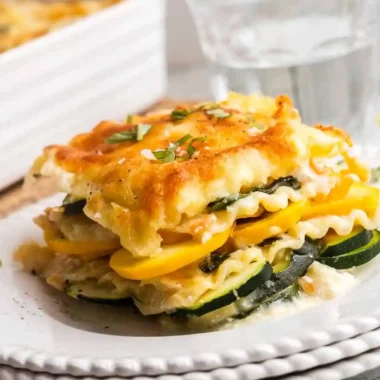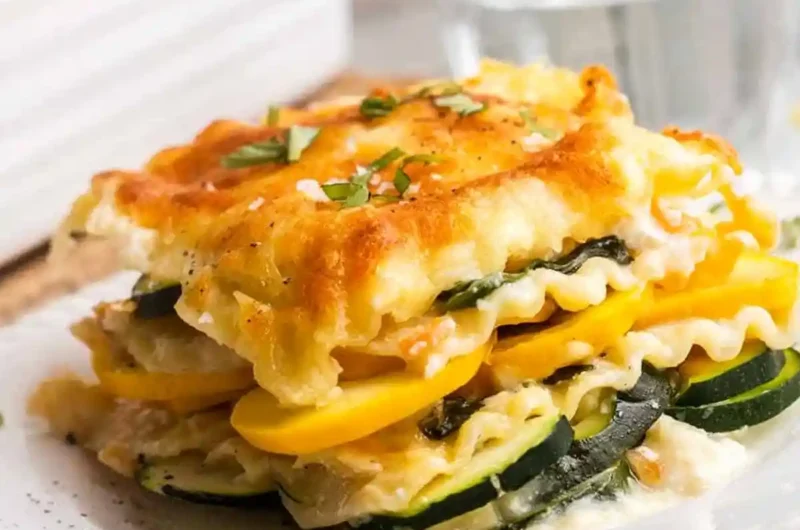
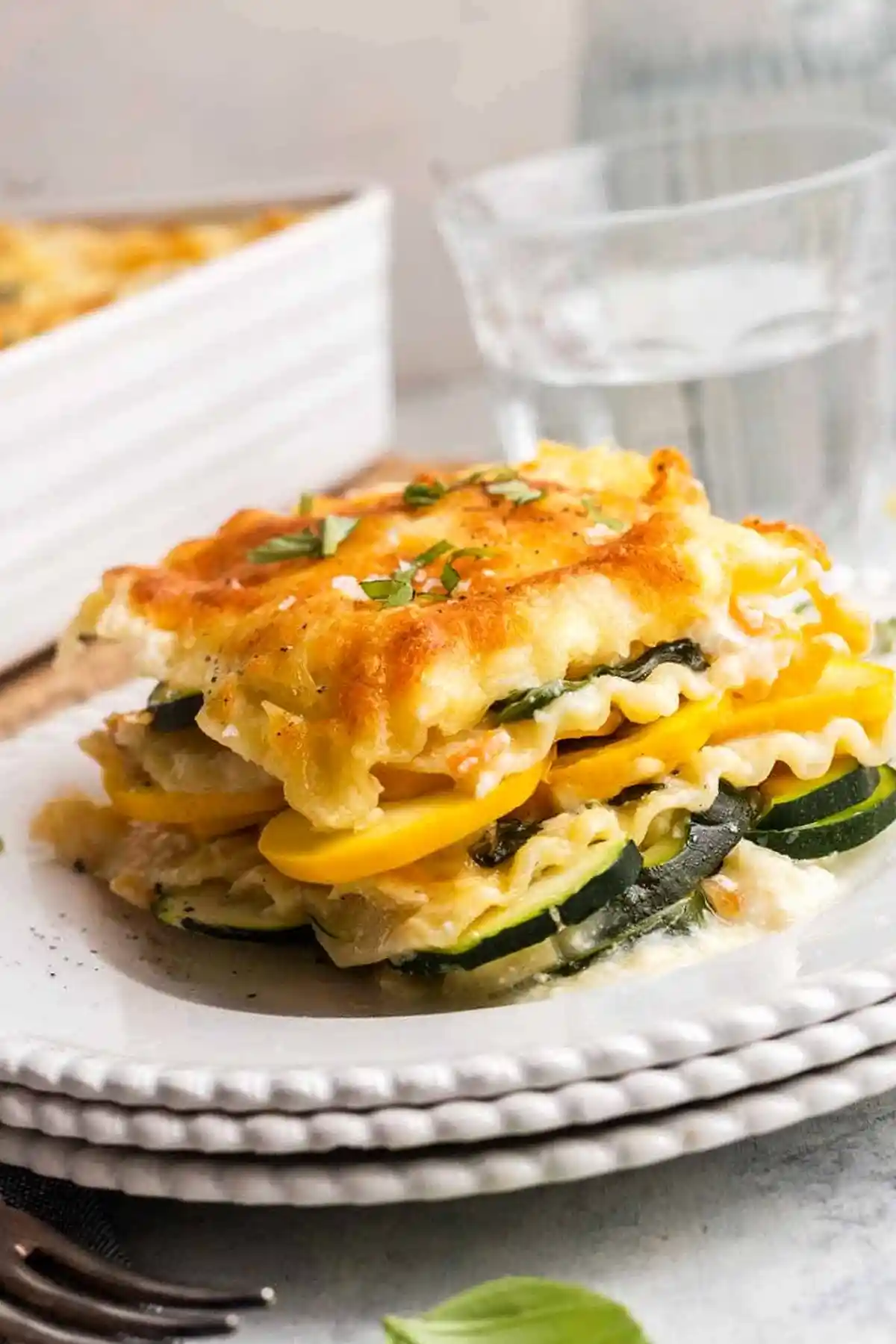
This creamy vegetarian lasagna combines fresh garden vegetables with a rich garlic alfredo sauce for a satisfying meal. It is a simple, layered dish that provides a nutritious alternative to traditional red-sauce lasagnas.
List of ingredients
- 16 oz lasagna noodles – cooked according to package or oven-ready.
- 1/2 cup fresh spinach leaves – cleaned and patted dry.
- 1/2 cup shredded carrots – fresh for best texture.
- 1 small zucchini – thinly sliced into rounds.
- 1 small yellow squash – thinly sliced into rounds.
- 15 oz ricotta cheese – whole milk for creaminess.
- 2 cups mozzarella cheese – shredded or sliced fresh.
- 1/4 cup cheddar cheese – shredded for a sharp top crust.
- 22 oz Roasted Garlic Parmesan Alfredo sauce – jarred for convenience.
- Salt and pepper to taste – white pepper can be used for a cleaner look.
- Italian seasoning – optional for extra herbal flavor.
step-by-step instructions
- Prepare Noodles and Oven: Cook and drain lasagna noodles al dente according to the package instructions, or prepare oven-ready noodles. Preheat your oven to 350°F.
- Base Layer: In a deep 9×12 inch baking dish, spread a thin layer of alfredo sauce across the bottom to prevent sticking.
- First Vegetable Layer: Arrange the sliced zucchini on top of the alfredo sauce. Spread a thin layer of ricotta cheese over the zucchini, then sprinkle with a thin layer of mozzarella cheese. Add a pinch of salt, pepper, and optional Italian spices. Top this layer with a sheet of noodles.
- Subsequent Layers: Repeat the layering process using the yellow squash, spinach, and shredded carrots. For each vegetable, follow the sequence of adding white sauce, ricotta cheese, a sprinkle of mozzarella, seasonings, and then a layer of noodles.
- Final Topping: After the final carrot layer and noodle sheet, spread a remaining layer of alfredo sauce over the top. Finish by sprinkling the remaining mozzarella and the cheddar cheese.
- Bake: Place the dish in the oven and bake for 35-40 minutes. Remove when the center is hot and the white sauce is bubbling.
Vegetable Preparation Techniques
Using a Mandoline for Uniform Slices
A mandoline slicer is the most efficient tool for achieving consistent thickness for zucchini and yellow squash. Aim for slices approximately 1/8 inch thick to ensure they cook through during the baking process without becoming too soft. Uniform slices also create a more stable structure for the lasagna layers.
Preparing Fresh Shredded Carrots
Use a box grater or food processor to shred carrots finely. Finely shredded carrots blend more seamlessly with the ricotta and alfredo sauce, preventing large, hard chunks in the finished dish. Always shred fresh carrots rather than using pre-shredded bags for better flavor and moisture content.
Handling Fresh Spinach
Ensure spinach leaves are thoroughly washed and patted dry with a paper towel before layering. Excess water on the leaves can lead to a watery lasagna. If using large mature spinach leaves, consider chopping them roughly to ensure an even distribution throughout the layer.
Optimizing Zucchini Texture
To prevent the zucchini from releasing too much water, you can lightly salt the slices and let them sit for 10 minutes before patting them dry. This process, known as sweating, draws out excess moisture. This is particularly helpful if you are using very large, water-heavy zucchini.
Cheese and Sauce Customizations
Selecting the Right Alfredo Sauce
A roasted garlic parmesan alfredo sauce provides a deep, savory base that complements the mild taste of the vegetables. If using a jarred sauce, look for options with minimal fillers and a high parmesan content. The garlic notes are essential for cutting through the richness of the ricotta.
Ricotta Cheese Application
Spread the ricotta in thin, even layers rather than large dollops. This ensures that every bite has a balanced ratio of cheese to vegetable. For a smoother texture, you can whisk the ricotta with a splash of milk before adding it to the pan.
Mozzarella and Cheddar Blending
While mozzarella provides the classic cheese pull and mild flavor, the addition of cheddar adds a sharp contrast and a golden-brown crust. Use low-moisture mozzarella to avoid adding extra liquid to the dish. Fresh mozzarella can be used but should be sliced thinly and drained well.
Creating a Homemade White Sauce
If you prefer a homemade sauce, melt butter and sauté minced garlic before whisking in flour to create a roux. Slowly add whole milk and simmer until thickened, then stir in grated parmesan cheese and salt. This allows you to control the thickness and salt levels of the sauce.
Baking and Equipment Advice
Choosing the Optimal Baking Dish
A deep 9×12 inch ceramic or glass baking dish is ideal for this recipe. Ceramic dishes distribute heat evenly, while glass allows you to monitor the bubbling of the bottom layers. If you intend to freeze the lasagna, ensure the dish is oven-safe and freezer-safe.
Managing Oven-Ready Noodles
Oven-ready noodles require significantly more moisture than pre-cooked noodles because they absorb liquid from the sauce and vegetables. Ensure that every inch of the noodle is covered in alfredo sauce to prevent dry, hard edges. Do not under-sauce the dish when using this shortcut.
Preventing Surface Over-Browning
If the cheese on top begins to brown too quickly before the center is hot, cover the dish loosely with aluminum foil. This traps steam and heat to cook the interior while protecting the top crust. Remove the foil for the last 5-10 minutes to regain the golden color.
Ensuring an Al Dente Core
When pre-cooking noodles, boil them for 2-3 minutes less than the package directions. The noodles will continue to cook in the oven as they absorb juices from the zucchini and squash. This prevents the lasagna from becoming mushy or losing its structure when sliced.
Storage and Preservation
Refrigeration Guidelines
Store leftover lasagna in an airtight container in the refrigerator for up to 4 days. Allow the lasagna to cool completely before sealing the lid to prevent condensation from making the top layer soggy. Slice the lasagna into portions before storing for easier reheating.
Freezing for Future Meals
This recipe is highly freezer-friendly. You can either freeze the entire assembled lasagna before baking or freeze pre-baked slices. Wrap the dish tightly in plastic wrap and then a layer of heavy-duty aluminum foil to prevent freezer burn.
Thawing Frozen Lasagna
For the best results, thaw frozen lasagna slowly in the refrigerator for 24 hours before reheating. This ensures the center warms through without the edges overcooking. If you are in a rush, you can bake from frozen, but you must increase the cook time.
Safe Reheating for Glass Dishes
When reheating a frozen lasagna in a glass dish, place it in a cold oven and then turn the heat on. This allows the glass to warm up gradually, preventing the dish from cracking due to thermal shock. Bake at 325°F until the center is bubbling.
Serving and Pairing Ideas
Complementary Side Dish Options
Serve this white lasagna with a crisp side salad featuring arugula, cherry tomatoes, and a balsamic vinaigrette to cut through the richness of the cream sauce. Garlic bread or toasted ciabatta is also a classic pairing that helps scoop up extra sauce.
Garnishing for Presentation
Add a sprinkle of freshly chopped parsley or basil leaves on top of the lasagna after it comes out of the oven. The pop of green color contrasts beautifully with the white sauce and golden cheese. A dusting of extra parmesan cheese also adds a professional touch.
Portioning for Stability
Let the lasagna rest for 10-15 minutes after removing it from the oven before slicing. This allows the cheeses to set and the layers to bond, ensuring that the slice holds its shape on the plate. Slicing too early can cause the layers to slide apart.
Troubleshooting Common Issues
Addressing a Watery Lasagna
If the finished lasagna is too watery, it is usually due to excess moisture from the vegetables or overcooked noodles. To fix this in future batches, salt the zucchini and squash beforehand to draw out water. Ensure you are using al dente noodles that can absorb the juices.
Correcting a Dry Texture
If the lasagna feels dry or the noodles are hard, you may have used too little sauce or under-covered the oven-ready noodles. You can add a small amount of extra alfredo sauce or a splash of milk to the edges before baking. Covering the dish with foil also helps retain moisture.
Handling Sauce Separation
If the alfredo sauce separates and looks oily, it may be due to overheating or using a sauce with low emulsifiers. Stirring the sauce thoroughly before layering can help. Avoid using extremely high oven temperatures, which can break the emulsion of the cheese sauce.
Fixing a Lack of Flavor
If the dish tastes too mild, increase the amount of Italian seasoning or add a pinch of nutmeg to the ricotta cheese. Nutmeg is a classic addition to white sauces and enhances the creaminess. Freshly cracked black pepper added between layers also provides necessary contrast.
Frequently Asked Questions
Can I use oven-ready noodles?
Yes, oven-ready noodles are a great time-saver. Just ensure that you use a generous amount of sauce so the noodles have enough moisture to soften and cook thoroughly during the baking process.
Which pepper should I use?
White pepper is recommended for a visually clean look in white sauces, as it blends in. However, black pepper is perfectly acceptable and provides a slightly bolder, more pungent flavor profile.
Is vegetable lasagna freezer friendly?
Yes, this recipe freezes exceptionally well. You can freeze it either before or after baking, provided it is wrapped airtight. It is a great option for meal prep or sharing with others.
Can I substitute the vegetables?
Absolutely. While zucchini, squash, carrots, and spinach are recommended, you can use broccoli florets, thinly sliced bell peppers, or sautéed mushrooms. Just ensure any high-moisture vegetables are drained well.
Print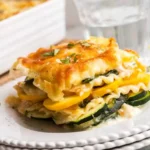
Vegetable Lasagna with Alfredo Sauce
- Total Time: 60 minutes
- Yield: 9 servings 1x
- Diet: Vegetarian
Description
This vegetable lasagna with white sauce is easy to make and is delicious too. Made with layers of healthy vegetables — yellow squash, carrots, zucchini and spinach plus cheese, noodles, and garlic Alfredo sauce.
Ingredients
- 16 oz lasagna noodles
- 1/2 cup fresh spinach leaves
- 1/2 cup shredded carrots
- 1 small zucchini, thinly sliced
- 1 small yellow squash, thinly sliced
- 15 oz ricotta cheese
- 2 cups mozzarella cheese, shredded or sliced fresh
- 1/4 cup cheddar cheese
- 22 oz Roasted Garlic Parmesan Alfredo sauce
- salt and pepper to taste
- Italian seasoning (optional)
Instructions
- Step 1: Cook and drain lasagna noodles al dente according to package or use oven-ready noodles.
- Step 2: Preheat oven to 350ºF. In a deep 9×12″ baking dish, spread a thin layer of alfredo sauce on the bottom.
- Step 3: Layer zucchini on top of the alfredo sauce. Spread a thin layer of ricotta cheese then sprinkle on a thin layer of mozzarella cheese. Sprinkle a pinch of salt, pepper and Italian spices (optional). Top with a layer of noodles.
- Step 4: Repeat the layering process with the squash, spinach and carrots, topping each vegetable layer with white sauce, ricotta cheese, a sprinkle of mozzarella, seasonings, and then noodles.
- Step 5: After the carrots layer, place a final layer of alfredo sauce on the noodles then top with remaining mozzarella and a sprinkle of cheddar cheese.
- Step 6: Bake for 35-40 minutes or until the center is hot and white sauce is bubbling.
Notes
Cook noodles al dente so they absorb extra vegetable juices and the dish does not become watery. Ensure all noodles are coated in sauce to prevent drying out.
- Prep Time: 15 minutes
- Cook Time: 45 minutes
- Category: Dinner
- Method: Baking
- Cuisine: American, Italian
Nutrition
- Serving Size: 1 serving
- Calories: 453 kcal
- Sugar: 3 g
- Sodium: 563 mg
- Fat: 22 g
- Saturated Fat: 12 g
- Unsaturated Fat: 9 g
- Trans Fat: 0 g
- Carbohydrates: 43 g
- Fiber: 2 g
- Protein: 20 g
- Cholesterol: 80 mg
Keywords: vegetable lasagna, alfredo sauce, white sauce lasagna, vegetarian dinner