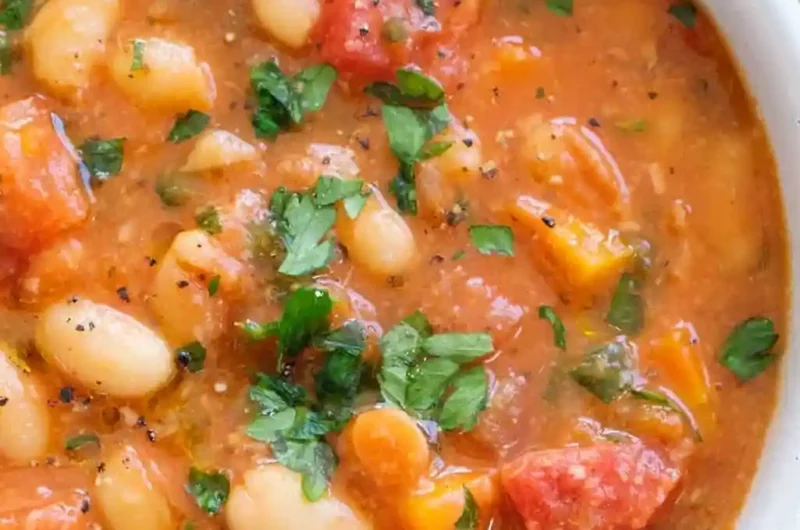
This nutrient-dense soup combines tender white beans and a savory tomato-herb broth for a filling meal. It is prepared quickly using pantry staples and finished with fresh citrus and cheese for a balanced flavor profile.
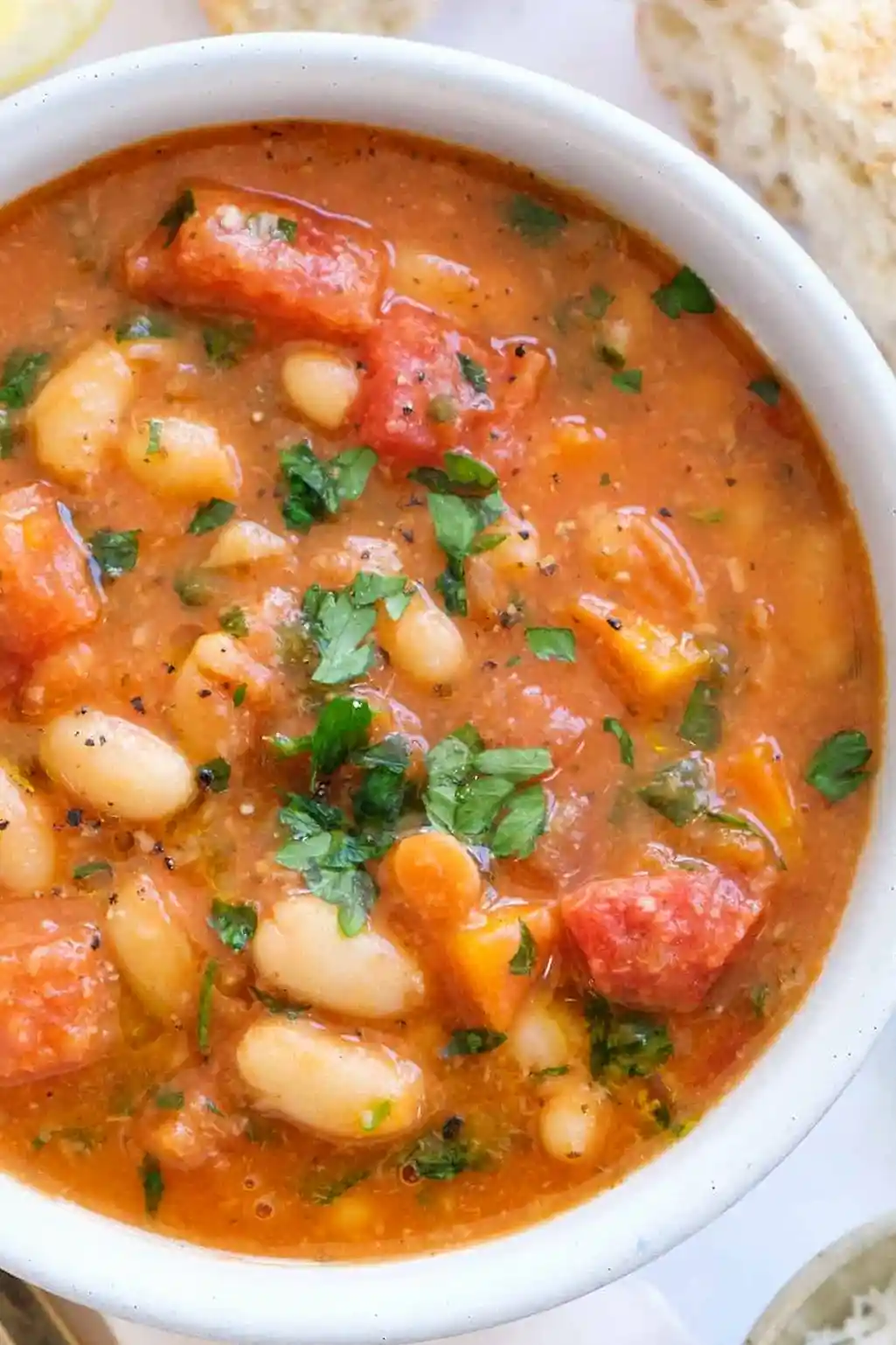
List of ingredients
- 1 ½ tablespoon extra virgin olive oil – used for sautéing aromatics.
- 1 onion, diced – provides a savory base.
- 1 carrot, diced (optional) – adds a subtle sweetness and texture.
- salt & pepper, to sprinkle – for initial seasoning.
- 3 garlic cloves, minced – adds pungent aromatic depth.
- 2 tablespoons tomato paste – thickens the broth and intensifies tomato flavor.
- 1 teaspoon dried mixed herbs – typically a blend of basil, oregano, and thyme.
- 2 cans (15oz each) white beans, rinsed and drained – cannellini beans are recommended for creaminess.
- 1 can (15oz/400 gr) plum or diced tomatoes – provides the main body of the soup.
- 3 cups (720 ml) low-sodium vegetable broth – the liquid base for simmering.
- 1 tsp fine salt – to enhance all flavors.
- ½ cup parmesan cheese, grated – use microbial-rennet cheese for a salty, nutty finish.
- ⅓ cup fresh parsley, chopped – adds a fresh, herbal note.
- 1 tablespoon lemon juice – provides necessary acidity to brighten the dish.
step-by-step instructions
- Sauté Aromatics: Heat the olive oil in a large pot or Dutch oven over medium heat. Add the diced onion, carrots, and a pinch of salt, cooking and stirring occasionally for about 5 minutes until the vegetables have softened.
- Cook Paste and Herbs: Stir in the minced garlic, tomato paste, and dried mixed herbs. Cook for 1 minute, stirring constantly, until the mixture becomes fragrant and the paste darkens slightly.
- Simmer the Soup: Add the rinsed white beans, canned tomatoes, vegetable broth, salt, and pepper. Bring the liquid to a simmer, cover with a lid, and cook for 20-25 minutes, stirring occasionally, until the carrots are fork-tender. Turn off the heat.
- Final Seasoning: Stir in the lemon juice, grated parmesan cheese, and chopped fresh parsley. Combine well and taste the soup, adding more salt, pepper, or lemon juice to adjust the overall flavor and acidity.
- Serving: Serve the soup hot with optional accompaniments such as crusty bread, black pepper focaccia, crostini, or croutons.
Ingredient Customizations and Alternatives
Selecting the Best White Bean Variety
Cannellini beans are ideal because of their creamy texture and thin skins. Great Northern beans are a suitable alternative if you prefer a slightly firmer bite. Navy beans are smaller and work well if you want a more uniform consistency throughout the soup.
Choosing the Right Canned Tomatoes
Plum tomatoes provide a clean, traditional tomato taste and can be broken apart by hand in the pot. Diced tomatoes are more convenient and provide consistent chunks of fruit. Fire-roasted diced tomatoes can be used to add a subtle smoky depth to the broth.
Creating a Custom Herb Blend
If you do not have a pre-mixed Italian herb blend, combine equal parts dried basil, oregano, and thyme. Fresh herbs can be used instead, but you should triple the quantity to match the potency of dried herbs. Fresh basil is a great substitute for parsley if you prefer a sweeter, peppery flavor.
Vegetable Broth Variations
Low-sodium vegetable broth is recommended to allow for better control over the final salt level. You can use a homemade vegetable stock for a richer taste or a mushroom-based broth for added umami. Always taste the broth first, as different brands vary significantly in saltiness.
Advanced Cooking Techniques for Flavor
Optimizing the Sauté Process
Cooking the onions and carrots slowly over medium heat allows the natural sugars to release without burning. Ensure the onions become translucent and soft before adding the garlic to prevent the garlic from scorching. This foundation creates a complex base for the entire soup.
Caramelizing the Tomato Paste
Cooking the tomato paste for a minute before adding the liquid removes the raw, metallic taste often found in canned pastes. This process, known as pincer, deepens the color of the soup and concentrates the savory notes. Stir constantly to avoid sticking to the bottom of the pot.
Managing the Simmering Temperature
Keep the soup at a gentle simmer rather than a rolling boil. A gentle bubble prevents the white beans from breaking apart and becoming mushy. Covering the pot helps maintain a consistent internal temperature and reduces liquid evaporation.
The Role of Late-Stage Acidity
Adding lemon juice at the very end of the cooking process preserves the bright, volatile citrus notes. If you boil the lemon juice, it loses its freshness and can become bitter. The acid cuts through the richness of the parmesan and the starchiness of the beans.
Serving and Pairing Suggestions
Best Breads for Dipping
A crusty sourdough baguette provides a tangy contrast to the savory tomato broth. Focaccia with olive oil and sea salt complements the Italian profile of the soup. Toasted crostini provide a crunch that contrasts with the soft texture of the cannellini beans.
Incorporating Grains for Heartiness
For a more filling meal, serve the soup over a scoop of cooked brown rice. You can also stir in cooked ditali or orzo pasta directly into the pot. These small pasta shapes are sized perfectly to match the beans and absorb the broth.
Fresh Green Side Pairings
A simple arugula salad with a lemon-olive oil dressing balances the density of the bean soup. Spinach or kale salads with a light vinaigrette provide a refreshing contrast. The bitterness of raw greens helps cleanse the palate between spoonfuls of the rich soup.
Texture-Enhancing Toppings
Toasted pine nuts or slivered almonds add a nutty crunch to the top of the bowl. A sprinkle of red pepper flakes can introduce a mild heat for those who prefer a spicy kick. Freshly cracked black pepper added just before serving enhances the aromatic qualities of the dish.
Storage and Preservation Guidelines
Refrigeration and Shelf Life
Store the leftover soup in airtight containers in the refrigerator for 3 to 4 days. As the soup sits, the flavors of the herbs and garlic continue to meld, often improving the taste. Ensure the soup is cooled slightly before sealing the lid to prevent excess condensation.
Freezing and Thawing Methods
This soup freezes well and can be stored for up to three months. Divide the soup into individual portions in freezer-safe glass containers, leaving an inch of space at the top for expansion. Thaw the soup slowly in the refrigerator overnight before reheating.
Preventing Bean Degradation
When freezing, be aware that beans can soften further upon thawing. To maintain the best texture, undercook the beans slightly if you plan to freeze the soup immediately. Avoid reheating the soup multiple times, as this will eventually break down the bean structure.
Reheating Instructions
Stovetop Reheating Method
Pour the chilled soup into a pot and heat over low to medium heat. Stir frequently to ensure the parmesan cheese and beans are heated evenly without sticking. Adding a small splash of water or broth can help restore the original consistency.
Microwave Heating Tips
Place the soup in a microwave-safe bowl and cover it with a lid or paper towel to prevent splattering. Heat in 1-minute intervals, stirring between each session to eliminate cold spots. Be careful not to overheat, as this can cause the cheese to separate.
Adjusting Consistency After Cooling
Bean soups naturally thicken in the fridge as the starches set. If the soup is too thick after reheating, stir in a tablespoon of vegetable broth or water. This restores the liquid ratio without diluting the flavor significantly.
Common Troubleshooting
Correcting Overly Thick Soup
If the soup becomes too thick, gradually whisk in additional low-sodium vegetable broth. Add the liquid one quarter-cup at a time until the desired consistency is reached. Avoid adding too much water at once, as this can wash out the tomato flavor.
Balancing Excessive Acidity
If the lemon juice makes the soup too tart, add a small pinch of granulated sugar. The sugar neutralizes the acid without making the soup taste sweet. Alternatively, adding a bit more parmesan cheese can balance the acidity with salt and fat.
Handling Underdone Beans
If the canned beans still feel too firm after the initial simmer, extend the cooking time by 10 minutes. Keep the pot covered to trap steam and soften the beans. Stir gently to avoid crushing the beans while they finish cooking.
Fixing a Lack of Depth in Flavor
If the soup tastes flat, check the salt levels first, as salt is essential for bringing out the tomato and garlic notes. A small amount of extra tomato paste can add more body. A pinch of smoked paprika can also add a layer of complexity to the broth.
Frequently Asked Questions
Can I make this soup vegan?
Yes, you can make this soup vegan by omitting the parmesan cheese. To replace the salty, nutty flavor of the cheese, stir in two tablespoons of nutritional yeast or use a plant-based parmesan alternative.
Can I use dried beans instead of canned?
Yes, but you must soak the dried beans overnight in water and then boil them until tender before adding them to the sautéed vegetables. This increases the total preparation time but can provide a more robust bean texture.
Which white beans work best for this recipe?
Cannellini beans are the best choice because they have a creamy interior that integrates well with the tomato broth. Great Northern beans are the second-best option for those who prefer a slightly firmer bean.
Can I add spinach or kale to the soup?
Yes, you can add two cups of fresh spinach or chopped kale. Stir the greens in during the final minute of cooking until they are just wilted to preserve their color and nutrients.
Print
White Bean Tomato Soup
- Total Time: 35 minutes
- Yield: 4 servings 1x
- Diet: Vegetarian
Description
This hearty white bean tomato soup is packed with tender cannellini beans simmered in a tomato-herb broth. The fresh lemon juice, parsley, and nutty parmesan cheese take it over the top.
Ingredients
- 1 ½ tablespoon extra virgin olive oil
- 1 onion, diced
- 1 carrot, diced
- salt and pepper, to sprinkle
- 3 garlic cloves, minced
- 2 tablespoons tomato paste
- 1 teaspoon dried mixed herbs
- 2 cans (15oz each) white beans, rinsed and drained
- 1 can (15oz/400 gr) plum or diced tomatoes
- 3 cups (720 ml) low-sodium vegetable broth
- 1 tsp fine salt
- ½ cup parmesan cheese, grated
- ⅓ cup fresh parsley, chopped
- 1 tablespoon lemon juice
Instructions
- Step 1: Heat the olive oil in a large pot or Dutch oven over medium heat. Add the onion, carrots, a pinch of salt and cook (stirring occasionally) until softened, about 5 minutes.
- Step 2: Stir in the garlic, tomato paste, dried herbs, and cook for 1 minute, until it smells fragrant and flavorful.
- Step 3: Add the beans, tomatoes, broth, salt, and pepper. Bring to a simmer, cover with a lid, and cook for about 20-25 minutes, stirring now and then, until the flavors are well developed and the carrot fork tender. Turn the heat off.
- Step 4: Finish the soup with the lemon juice, parmesan cheese and fresh parsley. Stir until well combined, taste and adjust as needed adding more salt and pepper for overall flavor, and lemon juice for acidity.
Notes
You can use cannellini, Great Northern, or navy beans. To make it vegan, omit the parmesan cheese.
- Prep Time: 5 minutes
- Cook Time: 30 minutes
- Category: Soup
- Method: Simmering
- Cuisine: Italian
Nutrition
- Serving Size: 1 cup
- Calories: 217 kcal
- Sugar: 3 g
- Sodium: 665 mg
- Fat: 6 g
- Saturated Fat: 1 g
- Unsaturated Fat: 5 g
- Trans Fat: 0 g
- Carbohydrates: 33 g
- Fiber: 7 g
- Protein: 10 g
- Cholesterol: 0.1 mg
Keywords: white bean tomato soup