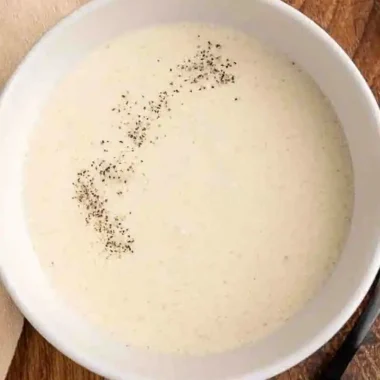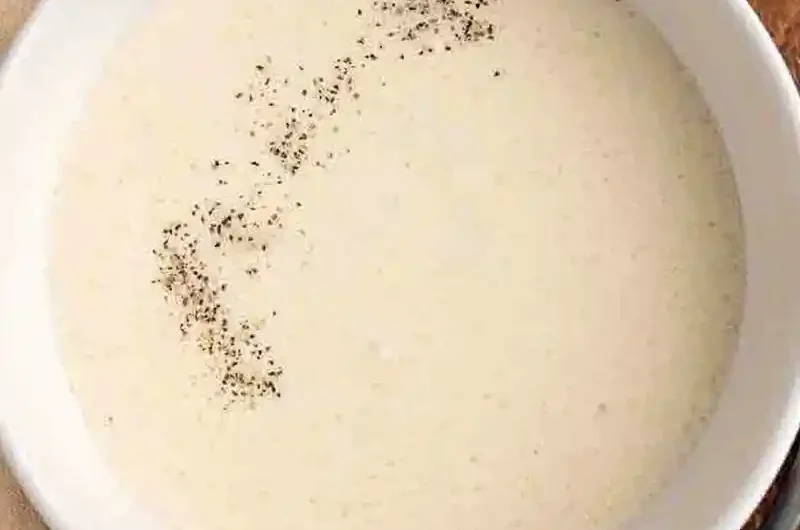
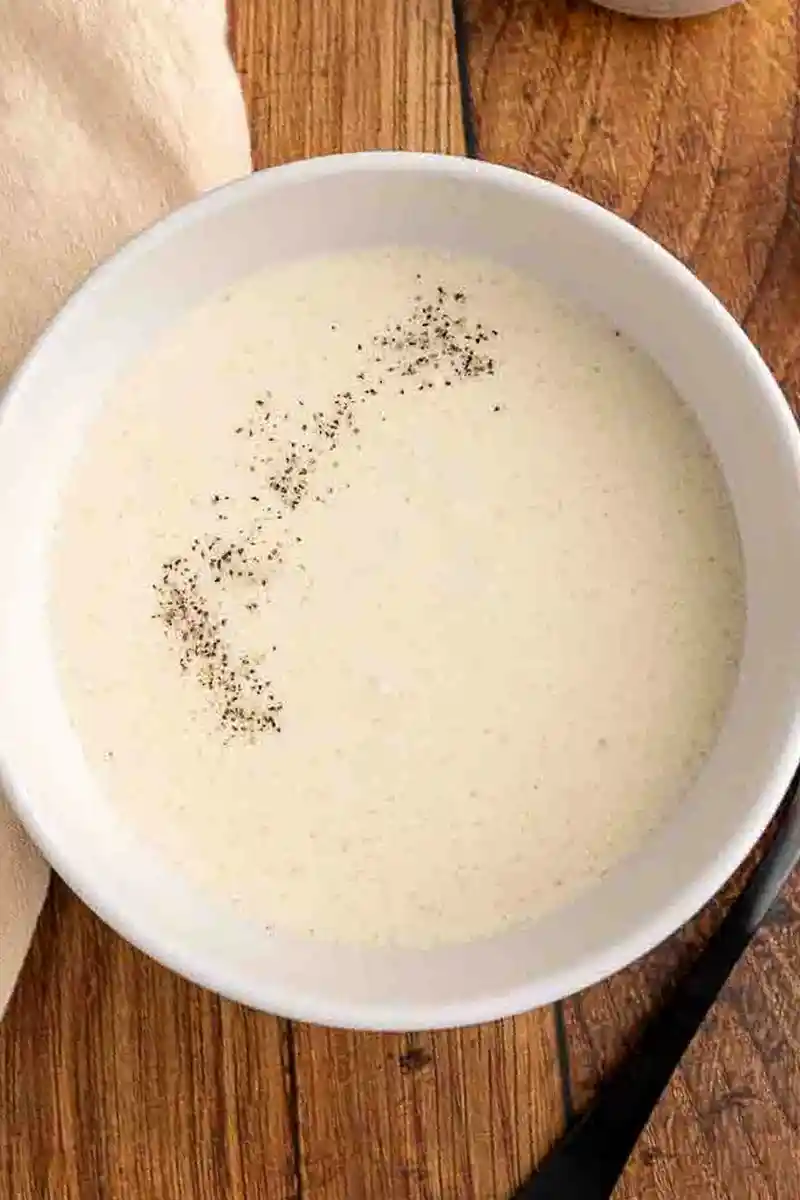
Creating a reliable, from-scratch cream soup base allows you to avoid processed ingredients while maintaining the convenience of canned staples in your kitchen. This versatile method produces a rich, velvety texture that serves as the perfect foundation for countless casseroles, pot pies, and comforting noodle dishes. With just a few pantry essentials and four minutes of your time, you can achieve a superior depth of flavor that store-bought versions simply cannot match. Whether you are aiming to accommodate specific dietary needs or simply want to control the quality of ingredients in your meals, this fundamental technique is a transformative tool for any home cook.
List of ingredients
- 3 Tablespoons butter
- 3 to 4 Tablespoons flour
- 1/2 cup milk
- 1/2 cup chicken broth
- 1/4 teaspoon salt
- 1 dash of pepper
step-by-step instructions
- Step: In a saucepan over medium-low heat, melt butter.
- Step: Whisk in flour. It will make a thick paste, continue whisking for about a minute to cook out the raw flour taste.
- Step: Slowly whisk in liquids. Bring to a simmer (not quite a boil), adding more liquid if it becomes too thick. It will thicken up more as it cools.
- Step: Remove from heat and stir in salt and dash of pepper.
Essential Kitchen Techniques for Success
Achieving the Perfect Roux Consistency
The secret to a lump-free soup base lies in the ratio of fat to flour and the speed of your incorporation. By cooking the roux for about a minute before adding liquid, you eliminate the powdery aftertaste of raw starch. If your paste looks overly dry, add a tiny bit more fat; if it looks oily, add a pinch more flour to stabilize the emulsion.
Managing Temperature for Stable Emulsions
Using medium-low heat during the initial stage prevents the dairy from scorching at the bottom of your pan. When you reach the simmering stage, keep a close watch to ensure the heat remains constant but not aggressive. If you notice the soup separating, a quick blast of high-speed whisking usually brings it back together instantly.
Customizing Your Creamy Base
Substituting Thickening Agents for Dietary Needs
When swapping all-purpose flour for cornstarch, always mix your cornstarch with a tablespoon of cold liquid before adding it to the warm fat to prevent clumps. Xanthan gum requires a much smaller amount than flour; start with a tiny pinch and increase slowly, as it thickens very rapidly once exposed to heat. These alternatives provide the same structural integrity needed for thick casseroles.
Selecting the Best Liquid Foundation
While chicken broth provides a savory backbone, you can experiment with different flavor profiles by swapping the liquid components entirely. Vegetable broth works well for a lighter dish, while using a blend of half cream and half chicken broth creates an incredibly luxurious sauce for pasta bakes. Avoid using liquids that are too thin, like water, as they lack the body necessary to sustain the sauce’s rich texture.
Creative Flavor Variations
Expanding into Vegetable-Infused Cream Soups
To create a specific cream of vegetable soup, sauté your desired finely chopped aromatics—such as celery, mushrooms, or onions—in the butter before you add the flour. This process draws out the natural moisture and concentrates the flavor, which then becomes part of the final soup structure. Ensure vegetables are chopped into uniform, small pieces to guarantee they cook through completely during the short thickening phase.
Developing Depth with Spices and Herbs
While the base recipe is intentionally simple, you can enhance the profile by adding dried herbs like thyme or rosemary at the same time you add the salt. If you prefer a sharper profile, a small amount of onion powder or garlic powder works beautifully when whisked into the roux. Always taste your base after the final whisking to decide if an extra pinch of herbs is needed for your specific recipe application.
Practical Storage and Reheating Strategies
Maintaining Texture During Chilled Storage
If you have prepared a batch in advance, store it in a glass jar or airtight container once it has cooled to room temperature. The soup base will thicken significantly in the refrigerator, which is perfectly normal. Simply stir it vigorously with a whisk when you are ready to use it, and it will return to its original, smooth consistency.
Safe Reheating Methods for Dairy Bases
When reheating, use the lowest setting on your stovetop to prevent the dairy from curdling. If you use a microwave, heat in thirty-second intervals and stir thoroughly between each burst to ensure even heat distribution. If the sauce becomes too stiff after reheating, a teaspoon of water or broth will restore the desired pourable texture.
Commonly Asked Questions
Can I freeze this base for future use?
Yes, this base freezes exceptionally well. Pour the mixture into a freezer-safe container, leaving about an inch of headspace to allow for expansion. It will maintain its quality for up to five months when stored at zero degrees Fahrenheit.
Why did my soup turn out lumpy?
Lumps usually occur if the liquid is added too quickly or if the temperature was too high when the liquid hit the roux. If this happens, pass the sauce through a fine-mesh sieve or give it a quick spin in a high-speed blender to smooth it out immediately.
How do I know when the flour is properly cooked?
You will know the flour is ready when the aroma changes from a raw, grainy scent to a pleasant, nutty, toasted smell. This generally takes about sixty seconds of constant whisking over medium-low heat.
Is it possible to make this without dairy entirely?
Absolutely, you can use full-fat canned coconut milk or even a pureed cashew cream to achieve that signature richness. These plant-based fats mirror the behavior of heavy cream and work beautifully with the chicken broth and roux method outlined here.
Can I replace the chicken broth with water?
While possible, using water will result in a significant loss of flavor. If you lack broth, consider adding a concentrated bouillon paste or a pinch of nutritional yeast to compensate for the missing savory depth in the base.
Print
Wholesome Homemade Cream Soup Base
- Total Time: PT4M
- Yield: 1.5 cups 1x
- Diet: Low-carb
Description
This homemade cream of chicken soup substitute whips up in four minutes and only uses 5 ingredients to replace store-bought condensed cream of chicken soup. It is full of flavor and can be adapted for dairy-free and gluten-free diets.
Ingredients
- 3 Tablespoons butter
- 3 to 4 Tablespoons flour
- 1/2 cup milk
- 1/2 cup chicken broth
- 1/4 teaspoon salt
- 1 dash of pepper
Instructions
- Step: In a saucepan over medium-low heat, melt butter.
- Step: Whisk in flour. It will make a thick paste, continue whisking for about a minute to cook out the raw flour taste.
- Step: Slowly whisk in liquids. Bring to a simmer (not quite a boil), adding more liquid if it becomes too thick. It will thicken up more as it cools.
- Step: Remove from heat and stir in salt and dash of pepper.
Notes
For gluten-free options, use cornstarch or xanthan gum instead of flour. For dairy-free options, use all chicken broth, or substitute full-fat canned coconut milk. To make cream of celery substitute, saute 1/4 cup of finely diced celery in butter before adding flour. For a mushroom version, saute 1/4 cup of finely chopped mushrooms in butter first.
- Prep Time: PT0M
- Cook Time: PT4M
- Category: Dinner
- Method: Stovetop
- Cuisine: American
Nutrition
- Serving Size: 1 cup
- Calories: 309 kcal
- Sugar: 4 g
- Sodium: 889 mg
- Fat: 26 g
- Saturated Fat: 16 g
- Unsaturated Fat: 7 g
- Trans Fat: 0 g
- Carbohydrates: 16 g
- Fiber: 0.4 g
- Protein: 5 g
- Cholesterol: 72 mg
Keywords: cream of chicken soup, homemade soup, quick soup, pantry staples