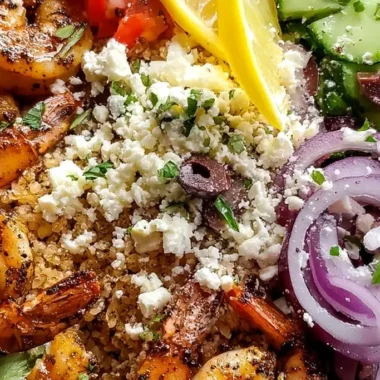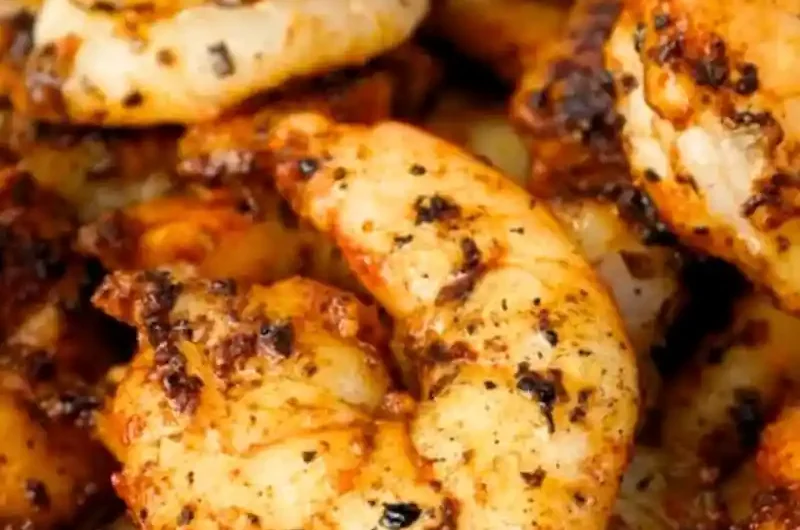
This fast and flavor-packed shrimp dish is perfect for a weeknight meal or a sophisticated appetizer. It takes only 10 minutes to prepare, delivering a bold, Cajun-inspired taste that pairs well with various sides.
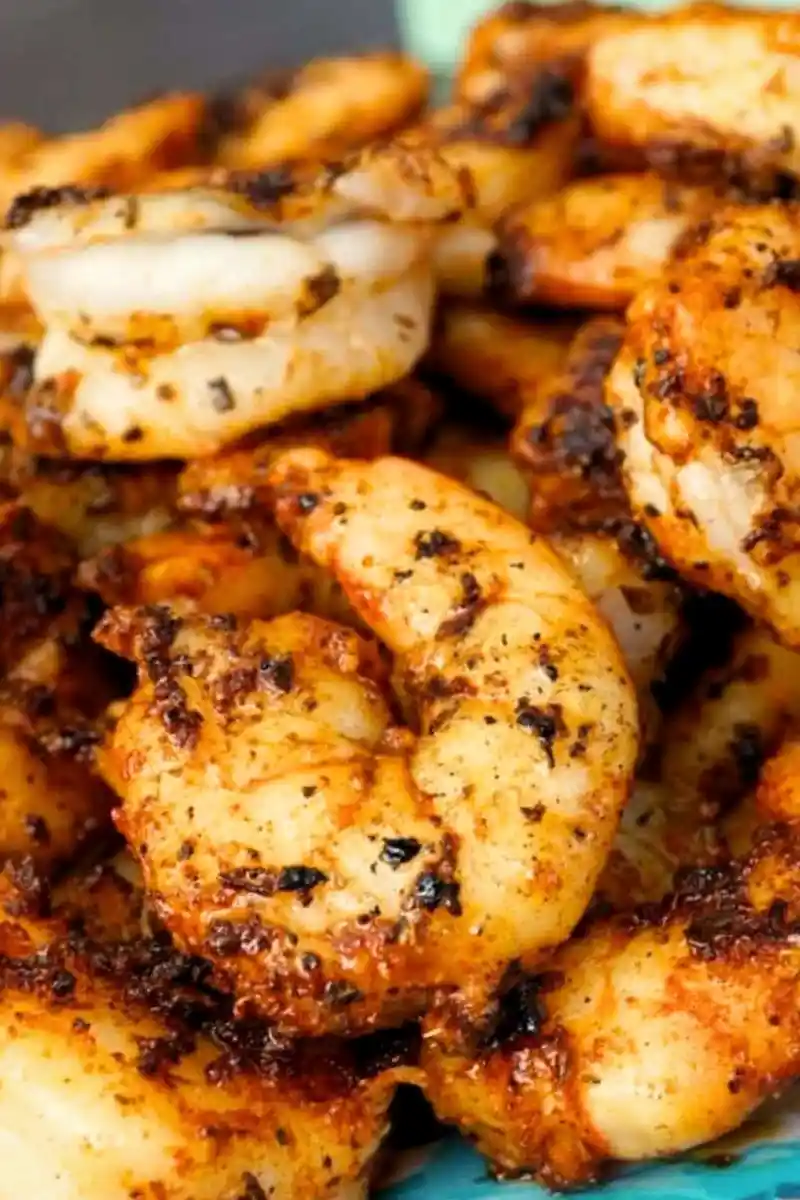
List of ingredients
- 1 pound jumbo shrimp (peeled and deveined) – larger shrimp provide a meatier bite and resist overcooking.
- 1 tablespoon olive oil – used for the initial coating of the protein.
- 1 lime (juice) – adds a necessary citrus brightness to cut through the heavy spices.
- 2 tablespoons fresh cilantro – provides a fresh, herbal garnish.
- 2 tablespoon brown sugar – helps create a caramelized crust on the surface.
- 1 teaspoon black pepper – adds a baseline of mild heat.
- 1 tablespoon dried oregano – provides an earthy aromatic quality.
- 1 tablespoon dried thyme – adds a classic savory herbal note.
- 1/4 teaspoon cayenne pepper – provides the characteristic spicy kick.
- 2 tablespoon paprika – gives the shrimp its deep red color and mild sweetness.
- 1 tablespoon garlic salt – ensures the seasoning is savory and well-balanced.
- 1 tablespoon onion powder – adds a concentrated savory depth.
step-by-step instructions
- Prepare the spice blend: Combine the brown sugar, black pepper, dried oregano, dried thyme, cayenne pepper, paprika, garlic salt, and onion powder in a small mixing bowl. Stir until the colors are evenly blended.
- Coat the shrimp: Place the shrimp and 1 tablespoon of olive oil in a large mixing bowl. Add the prepared blackened seasoning and toss thoroughly until every shrimp is fully coated in the spice mixture.
- Heat the skillet: Add 1 tablespoon of olive oil to a cast iron skillet or non-stick pan. Heat on medium-high until the oil is shimmering and hot.
- Sear the shrimp: Lay the shrimp flat in the pan in a single layer without overlapping. Cook for 3-4 minutes without moving them to ensure a proper sear.
- Flip and finish: Flip each shrimp and cook for another 2-3 minutes. Remove them from the heat once they are opaque and have curled into a C-shape.
- Garnish and serve: Transfer the shrimp to a serving plate. Drizzle with fresh lime juice and sprinkle with chopped cilantro before serving immediately.
Optimal Shrimp Selection
Prioritizing Jumbo Shrimp
Choosing jumbo shrimp is essential for this recipe because their size allows them to withstand high heat without shrinking too much. Larger shrimp have a more substantial texture that complements the bold spice rub. They also provide a larger surface area for the seasoning to caramelize.
Handling Frozen Shrimp
Frozen shrimp can be used as long as they are completely thawed before cooking. Thawing should be done in the refrigerator overnight or under cool running water. Always pat the shrimp dry with paper towels after thawing to remove excess moisture, which prevents the spices from becoming watery.
Peeled and Deveined Convenience
Buying pre-peeled and deveined shrimp saves significant preparation time and ensures a cleaner eating experience. If you peel them yourself, ensure the digestive tract is fully removed. This prevents any gritty texture in the final dish.
Pan and Temperature Management
The Benefits of Cast Iron
A cast iron skillet is the ideal tool for blackening because it retains heat exceptionally well. This high thermal mass allows the shrimp to sear instantly upon contact, creating the dark, flavorful crust. It distributes heat evenly across the bottom of the pan.
Using Non-Stick Alternatives
If you do not have cast iron, a heavy-bottomed non-stick pan is a viable alternative. While it may not produce as deep a char as cast iron, it prevents the shrimp from sticking to the surface. Ensure the pan is preheated thoroughly before adding the oil.
Avoiding Overcrowding
Cooking shrimp in batches is necessary if they do not fit in a single layer. Overcrowding the pan drops the temperature of the oil, leading to steaming instead of searing. This results in a pale, rubbery texture rather than a blackened crust.
Refining the Seasoning Blend
Adjusting the Heat Level
You can easily modify the spiciness by adjusting the cayenne pepper. For a milder version, reduce the cayenne to a pinch or omit it entirely. To increase the heat, add a half teaspoon of red pepper flakes or an extra pinch of cayenne.
Adding Smoky Dimensions
Substituting half of the paprika with smoked paprika introduces a wood-fired flavor. This adds depth and mimics the taste of a grill even when using a stovetop. It pairs exceptionally well with the sweetness of the brown sugar.
Managing Salt Content
If you prefer to use garlic powder instead of garlic salt, you must add a pinch of kosher salt to the mixture. This ensures the seasonings are properly enhanced. Always taste your final blend to ensure the salt levels are balanced.
Suggested Serving Pairings
Low-Carb Side Options
Serving these shrimp in lettuce wraps provides a fresh, crunchy contrast to the spicy seasoning. A side of roasted cauliflower or sautéed spinach also works well. These options keep the meal light while focusing on the bold shrimp flavor.
Hearty Grain Bases
Creamy risotto is an excellent pairing because the richness of the rice balances the heat of the blackening spices. Alternatively, serve the shrimp over a bed of fluffy quinoa or jasmine rice. These grains soak up the leftover lime juice and spices from the pan.
Fresh Vegetable Combinations
A crisp garden salad with a light vinaigrette complements the intensity of the shrimp. Roasted asparagus or charred broccolini adds a smoky, earthy element to the plate. These vegetables provide a nutritional balance to the protein.
Creative Main Course Ideas
These shrimp are versatile enough for shrimp tacos using corn tortillas and cabbage slaw. They also work well in a bowl with black beans, corn, and avocado. For a pasta dish, toss them with fettuccine and a light garlic cream sauce.
Storage and Freshness Guidelines
Refrigeration Methods
Store leftover blackened shrimp in an airtight glass container to maintain freshness. They will remain safe to eat for 2 to 3 days when kept in the coldest part of the refrigerator. Keep them separate from other foods to avoid spice transfer.
Preventing Freezer Burn
While freshly cooked shrimp are best, you can freeze them for up to a month. Place them in a vacuum-sealed bag or a heavy-duty freezer bag with the air squeezed out. This prevents ice crystals from forming on the spice crust.
Identifying Spoilage
Always check for a strong ammonia scent or a slimy texture before consuming leftover shrimp. These are signs that the seafood has expired. When in doubt, discard the food to ensure safety.
Effective Reheating Techniques
Air Fryer Restoration
The air fryer is the best method for reheating blackened shrimp as it restores the crispness of the crust. Heat at 350 degrees Fahrenheit for 2-3 minutes. This prevents the shrimp from becoming rubbery.
Oven Reheating Process
Spread the shrimp on a baking sheet and heat in an oven preheated to 350 degrees Fahrenheit. Warm them for about 5 minutes, turning once. This method is ideal for larger quantities of leftovers.
Stovetop Refresh
A quick sauté in a skillet with a teaspoon of olive oil can revive the shrimp. Heat the pan over medium heat and toss the shrimp for 1-2 minutes. Avoid overcooking them during this phase to prevent toughness.
Microwave Precautions
The microwave is the least recommended method as it often overcooks the protein, making the shrimp rubbery. If you must use it, heat on medium power in 30-second intervals. Cover them with a damp paper towel to retain some moisture.
Alternative Cooking Methods
Baked Blackened Shrimp
For a hands-off approach, preheat your oven to 400 degrees Fahrenheit. Arrange the seasoned shrimp on a foil-lined baking sheet and bake for 8-10 minutes. This method is more convenient for larger groups but offers less char than the skillet.
Grilling with Skewers
Thread the seasoned shrimp onto metal or soaked wooden skewers. Grill over medium-high heat for 2-3 minutes per side. Skewers prevent the shrimp from falling through the grates and make flipping easier.
Troubleshooting Common Issues
Preventing Rubberiness
Shrimp become rubbery when they are overcooked. Watch for the moment they turn opaque and curl into a C-shape. If they curl tightly into an O-shape, they have likely been cooked too long.
Fixing Under-Seasoned Shrimp
If the shrimp taste bland after cooking, avoid adding raw spice powder to the finished dish. Instead, squeeze extra lime juice over them or serve them with a side of melted garlic butter mixed with a pinch of the original seasoning.
Managing Burnt Spices
If the brown sugar in the rub burns too quickly, lower the heat slightly. Ensure the oil is not smoking excessively before adding the shrimp. A medium-high setting is usually sufficient for a good sear without burning the sugars.
Frequently Asked Questions
What exactly is blackening seasoning?
Blackening seasoning is a bold blend of paprika, cayenne, garlic, onion powder, and herbs. It is designed to create a dark, flavorful crust on the food during high-heat cooking.
Can I use frozen shrimp instead of fresh?
Yes, frozen shrimp work perfectly as long as they are fully thawed and patted dry. Removing the moisture is key to getting a proper sear.
How do I know when the shrimp are done?
Shrimp are done when they change from translucent to opaque white and pink. They should form a gentle curve, resembling the letter C.
Can I make the seasoning blend in advance?
Yes, the spice blend can be made in large batches and stored in an airtight jar. It will remain potent for several months if kept in a cool, dry place.
Which oil is best for this recipe?
Olive oil is recommended for flavor, but avocado oil or grapeseed oil are also excellent choices due to their higher smoke points.
Print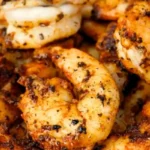
Zesty Homemade Blackened Shrimp
- Total Time: 10 minutes
- Yield: 4 servings 1x
- Diet: Gluten-Free
Description
Ready in 10 minutes, this super easy Blackened Shrimp is packed with flavor! Serve them with risotto, a simple salad, or on their own.
Ingredients
- 1 pound jumbo shrimp, peeled and deveined
- 1 tablespoon olive oil, plus more for cooking
- 1 lime, juiced
- 2 tablespoons fresh cilantro, for garnish
- 2 tablespoons brown sugar
- 1 teaspoon black pepper
- 1 tablespoon dried oregano
- 1 tablespoon dried thyme
- 1/4 teaspoon cayenne pepper
- 2 tablespoons paprika
- 1 tablespoon garlic salt
- 1 tablespoon onion powder
Instructions
- Combine: Combine the brown sugar, black pepper, dried oregano, dried thyme, cayenne pepper, paprika, garlic salt, and onion powder in a small mixing bowl.
- Season: Toss the shrimp and olive oil together in a large mixing bowl, then add the blackened seasoning and mix until the shrimp are fully coated.
- Cook: Add 1 tbsp of olive oil to a cast iron skillet or non-stick pan and heat on medium-high. Lay the shrimp flat without overlapping and cook for 3-4 minutes, then flip and cook 2-3 more minutes or until opaque and fully cooked.
- Garnish: Transfer the shrimp to a plate and garnish with fresh cilantro and lime juice.
Notes
To bake: pre-heat oven to 400°F, spread shrimp on a foiled baking sheet, and bake for 8-10 minutes. Avoid overcrowding the pan for the best sear. Cook shrimp carefully to avoid a rubbery texture.
- Prep Time: 5 minutes
- Cook Time: 5 minutes
- Category: Main Course
- Method: Pan-Searing
- Cuisine: Cajun
Nutrition
- Serving Size: 1 serving
- Calories: 140 kcal
- Sugar: 6 g
- Sodium: 706 mg
- Fat: 6 g
- Saturated Fat: 1 g
- Unsaturated Fat: 5 g
- Trans Fat: 0 g
- Carbohydrates: 6 g
- Fiber: 1 g
- Protein: 18 g
- Cholesterol: 228 mg
Keywords: blackened shrimp, cajun shrimp, easy seafood, quick dinner, blackened seafood