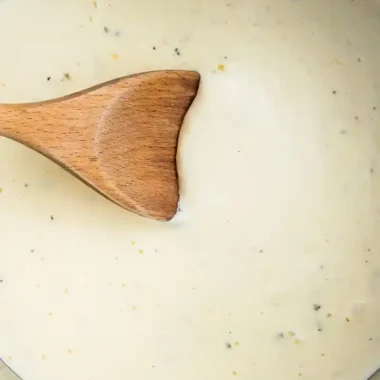
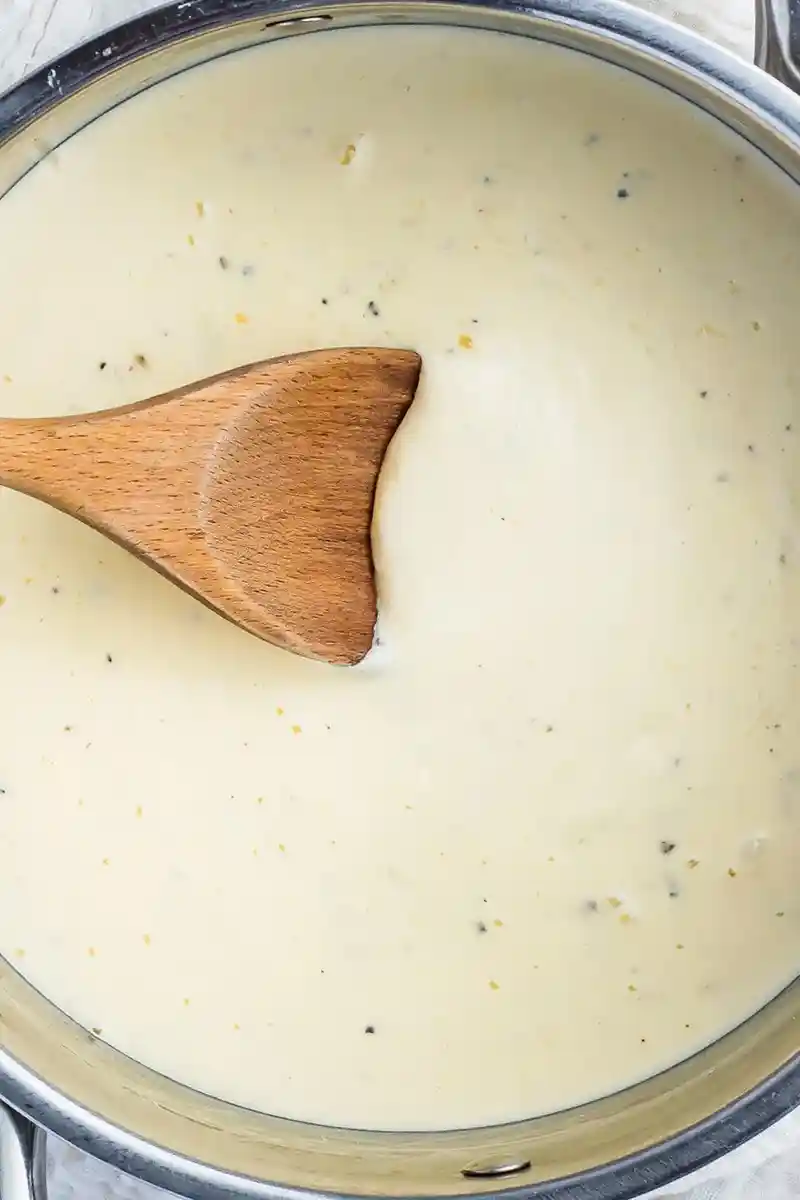
This 5-minute keto alfredo sauce is a rich, velvety masterpiece that brings restaurant-quality flavor to your low-carb kitchen in just moments. By combining high-quality dairy with aromatic garlic and sharp parmesan, you can create a luxurious topping that transforms simple zoodles or roasted vegetables into a decadent meal. It is the ultimate quick-fix solution for busy weeknights when you want gourmet comfort without straying from your nutritional goals.
List of ingredients
- 3 tbsp Unsalted butter
- 6 cloves Garlic (minced)
- 1 cup Heavy cream
- 1 cup Cream cheese (8oz)
- 1 cup Parmesan cheese (grated)
- 1/2 teaspoon Black pepper
- 1/2 teaspoon Sea salt
- 1/4 teaspoon Nutmeg (optional)
step-by-step instructions
- Step: Begin by melting the butter in a medium saucepan over medium-low heat, and sauteé the garlic in the melted butter for 2 minutes.
- Step: Add in the cream and cream cheese and stir until the cream cheese is melted.
- Step: Add in the grated parmesan, salt, pepper, and nutmeg. Stir until the parmesan melts into the sauce. Note: don’t let it boil.
- Step: When the sauce is heated through and smooth, it’s ready to use!
Practical cooking methods
Achieving the perfect texture requires consistent attention to the temperature of your stovetop. Using a heavy-bottomed pan is highly recommended because it distributes heat evenly, preventing the dairy components from scorching or curdling at the base. If you notice the sauce is getting too hot, simply lift the pan off the burner for thirty seconds to allow the temperature to regulate before placing it back on the low flame. Always keep a heat-resistant silicone spatula handy, as it allows you to scrape the edges of the pan efficiently to ensure every bit of garlic is incorporated into the final emulsion. When preparing this recipe for guests, perform the mincing of garlic and the grating of the cheese well in advance. Having your ingredients pre-measured allows you to focus entirely on the delicate emulsification process during those five minutes of cooking time.
Selecting the right cheese for melting
The choice of parmesan is the single most important factor for success. Authentic Parmigiano-Reggiano melts differently than generic versions due to its aging process and lack of chemical additives. If you cannot source fresh blocks, look for high-quality domestic aged parmesan, but ensure it does not have cellulose listed as an ingredient. The cellulose, intended to keep cheese from clumping in the bag, will create a gritty mouthfeel that ruins the elegance of an alfredo sauce. Always grate your cheese at room temperature, as it melts significantly faster and more evenly than cold cheese directly from the refrigerator.
Temperature control for silky emulsions
Dairy sauces are notoriously sensitive to high temperatures. When heavy cream and cheese reach a boiling point, the proteins begin to seize and the fats start to separate, resulting in a sauce that looks broken or oily rather than creamy. To avoid this, keep your burner at a low or medium-low setting throughout the entire process. If you find the sauce is not thickening as expected, resist the urge to increase the heat. Instead, continue to stir slowly and allow the natural evaporation process to concentrate the mixture over time. The patience exercised during these few minutes will result in a professional-grade finish that coats your favorite pasta replacements perfectly.
Substitutions and dairy adjustments
If you have specific dietary needs or are missing an ingredient, there are several ways to modify this base recipe without losing the signature character. For instance, if you want a sharper profile, you can replace a quarter cup of the parmesan with aged pecorino romano, which is naturally saltier and tangier. If you need to manage the thickness, remember that cream cheese is a robust stabilizer; if you find it too heavy, you can substitute half of the cream cheese with mascarpone for a lighter, slightly sweeter finish. If fresh garlic is unavailable, you can use roasted garlic for a mellow, nutty flavor profile, or a small amount of garlic-infused oil, though you will lose the texture of the minced cloves.
Adapting for different creamy textures
To create a sauce that is slightly lighter on the palate, you can incorporate a small amount of unsweetened almond milk to thin the mixture, though you should add it by the tablespoon. If you prefer a nuttier flavor, blending in a tiny bit of nutritional yeast can mimic the umami complexity of aged hard cheeses if you are trying to cut back on dairy-derived proteins. Never use bottled garlic, as the acidic preservatives often found in those products can react poorly with the heavy cream and lead to an unpleasant sour undertone in your finished sauce. When modifying the seasonings, fresh herbs like finely chopped parsley or chives added at the very end can provide a burst of freshness that cuts through the density of the cheese.
Storage and reheating best practices
Because this sauce is based on high-fat dairy, it has a tendency to solidify significantly when stored in the refrigerator. Transfer any leftovers to a glass jar with an airtight seal to prevent the sauce from picking up odors from other items in your fridge. It will remain fresh for up to 5 days, but you should expect it to look like a spreadable paste once chilled. This is perfectly normal due to the high fat content of the cream and butter. To restore its original consistency, place the desired amount in a small saucepan over the lowest heat setting. Add a single teaspoon of heavy cream or water per half-cup of sauce and whisk gently as it warms. This reintroduces the necessary moisture to loosen the fats without breaking the emulsion.
Managing the freezing process
Freezing this sauce is possible, though it requires a bit of care during the thawing phase. The best method is to portion the cooled sauce into individual freezer-safe bags, removing as much air as possible to prevent ice crystals from forming. When you need a quick dinner, pull a bag from the freezer and let it thaw in the refrigerator overnight. It is crucial to reheat this thawed sauce slowly on the stove rather than using a microwave, which heats unevenly and is highly likely to cause the fats to separate entirely. If the sauce does appear slightly broken after reheating from frozen, a quick vigorous whisking or using an immersion blender for a few seconds can often pull the emulsion back together.
Frequently Asked Questions
Why does my sauce separate when I try to reheat it?
Separation usually occurs when the sauce is heated too quickly, causing the fats in the butter and heavy cream to pull away from the protein structure of the cheese. Always use a very low flame and constant motion to encourage the components to stay integrated. If separation happens, whisking in a tiny splash of warm heavy cream can often help force the mixture back into a smooth state.
Can I add protein directly into the pan?
You can certainly stir in pre-cooked protein like grilled chicken strips or sautéed shrimp during the final minute of heating. However, ensure that the protein is already warm, as adding cold items directly from the fridge will drop the temperature of the sauce and make it difficult to maintain the proper consistency. It is generally better to toss the protein with the sauce just before serving rather than cooking them together in the pan.
What should I do if the sauce is too salty?
If you accidentally add too much salt, the best way to balance it is to increase the ratio of the other ingredients. Adding a small amount of additional cream or a touch more cream cheese can help dilute the saltiness. If you have already added the maximum amount of dairy, try adding a squeeze of fresh lemon juice; the acidity can help distract the palate from the salt, although it will change the flavor profile to be slightly more vibrant and citrusy.
Is there a way to make this sauce more aromatic?
Beyond the traditional nutmeg, you can experiment with adding freshly cracked white pepper, which offers a cleaner heat profile than black pepper. A tiny pinch of dry mustard powder can also help sharpen the cheese flavors without making the sauce taste like mustard. Always add these spices when you add the parmesan to ensure they have enough heat and time to bloom in the sauce.
How do I know if the garlic is cooked correctly?
The garlic should turn opaque and become very soft, releasing its oils into the butter without turning golden brown or dark. If the garlic turns brown, it will introduce a bitter, burnt taste that will permeate the entire sauce and ruin the delicate balance of the heavy cream. If you accidentally brown the garlic, it is better to start over rather than continuing, as that bitterness is difficult to mask with other seasonings.
Can I serve this with non-keto pasta?
While this recipe is specifically designed to be low-carb and keto-friendly, the sauce itself is a traditional alfredo-style emulsion that works perfectly with standard pasta. If you are cooking for a family with varied dietary preferences, you can serve this sauce over regular fettuccine for some while using zoodles or shirataki noodles for those sticking to a ketogenic plan. The flavor profile is versatile enough to satisfy everyone at the table regardless of their personal dietary choices.
Print
5-Minute Keto Alfredo Sauce
- Total Time: PT5M
- Yield: 6 servings 1x
- Diet: Keto
Description
Ready in 5 minutes, this easy Keto Alfredo Sauce recipe is a creamy, low-carb dream! Perfect for a quick weeknight dinner or a special occasion.
Ingredients
- 3 tbsp Unsalted butter
- 6 cloves Garlic (minced)
- 1 cup Heavy cream
- 1 cup Cream cheese (8oz)
- 1 cup Parmesan cheese (grated)
- 1/2 teaspoon Black pepper
- 1/2 teaspoon Sea salt
- 1/4 teaspoon Nutmeg (optional)
Instructions
- Step: Begin by melting the butter in a medium saucepan over medium-low heat, and sauteé the garlic in the melted butter for 2 minutes.
- Step: Add in the cream and cream cheese and stir until the cream cheese is melted.
- Step: Add in the grated parmesan, salt, pepper, and nutmeg. Stir until the parmesan melts into the sauce. Note: don’t let it boil.
- Step: When the sauce is heated through and smooth, it’s ready to use!
Notes
Keep heat to medium-low to prevent clumping. Use fresh garlic and freshly grated parmesan for best flavor. Stir constantly. If sauce thickens during storage, reheat gently on the stovetop with a splash of cream.
- Prep Time: PT0M
- Cook Time: PT5M
- Category: Sauces & Condiments
- Method: Stovetop
- Cuisine: Italian
Nutrition
- Serving Size: 1 serving
- Calories: 368 kcal
- Sugar: 1 g
- Sodium: 691 mg
- Fat: 35 g
- Saturated Fat: 23 g
- Unsaturated Fat: 7 g
- Trans Fat: 0.2 g
- Carbohydrates: 6 g
- Fiber: 1 g
- Protein: 8 g
- Cholesterol: 74 mg
Keywords: dinner, easy, keto alfredo sauce, low carb alfredo sauce, pasta, quick