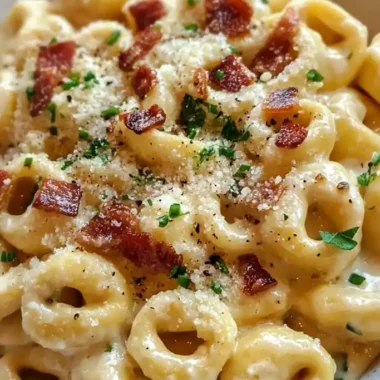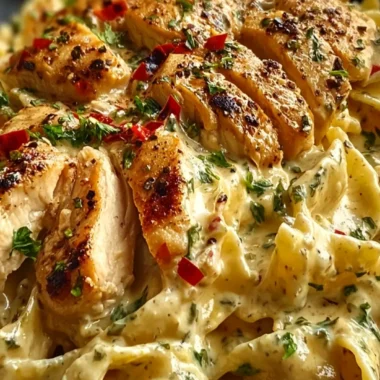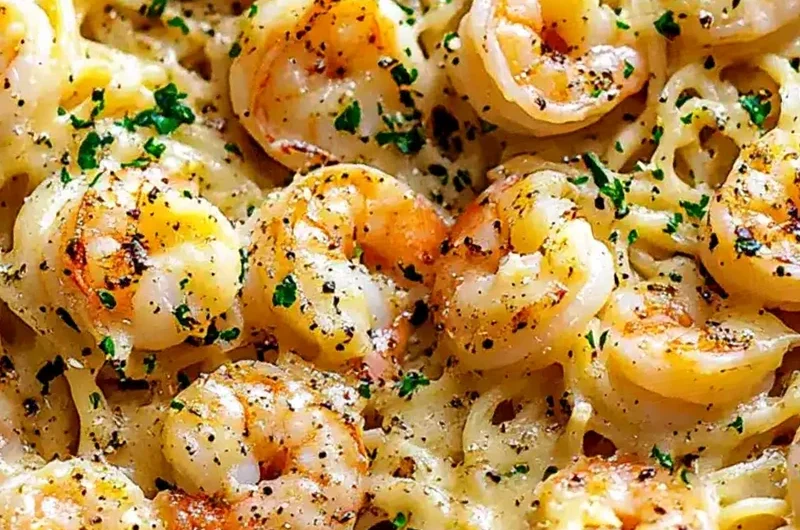
Prepare a rich and comforting dinner with this efficient one-pot recipe. This dish combines succulent shrimp and a velvety garlic butter sauce for a high-quality meal with minimal cleanup.
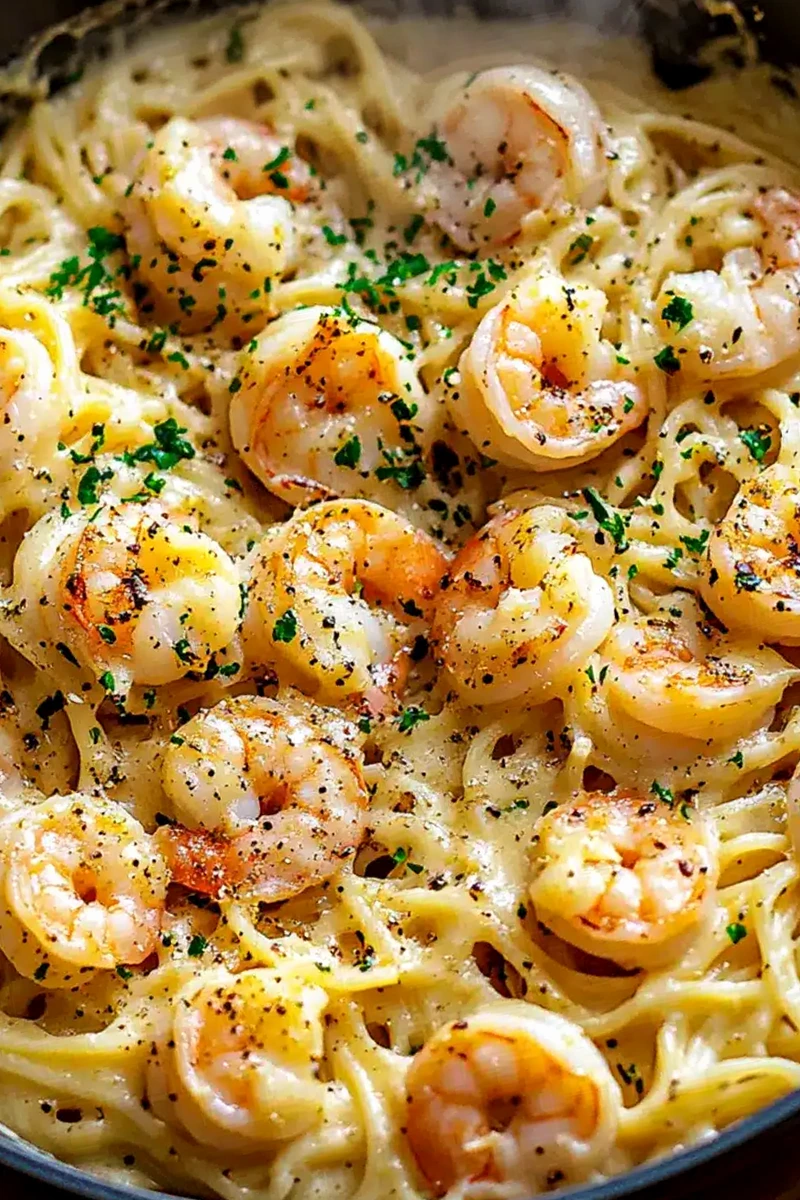
List of ingredients
- 8 oz spaghetti (or your favorite pasta, cooked to al dente) – provides the base for the dish.
- 1 lb shrimp (peeled and deveined, fresh is best) – adds protein and succulent flavor.
- 4 tbsp unsalted butter (for richness) – creates a silky sauce base.
- 4 cloves garlic (minced) – delivers a robust aromatic flavor.
- 1/2 cup chicken broth (low-sodium) – adds depth and helps emulsify the sauce.
- 1/2 cup heavy cream (or half-and-half) – ensures a creamy and indulgent consistency.
- 1/4 cup parmesan cheese (grated, plus more for serving) – provides a savory, salty finish.
- 2 tbsp fresh parsley (chopped for garnish) – adds a bright pop of color and freshness.
- salt (to taste) – enhances all the natural flavors.
- pepper (to taste) – adds a subtle warmth to the sauce.
step-by-step instructions
- Boil: Bring a large pot of salted water to a rolling boil and cook spaghetti until al dente, about 8-10 minutes. Reserve 1/2 cup of pasta water, then drain and set aside.
- Melt: In the same pot, add the unsalted butter and heat it over medium.
- Sauté: Toss in the minced garlic and sauté for about 1 minute until fragrant.
- Cook: Add the peeled shrimp, season with salt and pepper, and cook for 3-4 minutes until they turn pink.
- Mix: Pour in the chicken broth and heavy cream; stir well to combine.
- Combine: Add the cooked spaghetti and reserved pasta water back into the pot, tossing until evenly coated.
- Finish: Stir in parmesan cheese until melted, then remove from heat.
- Garnish: Serve immediately, topped with fresh parsley and additional parmesan.
Cooking Success Tips
Use Pasta Water for Sauce Emulsion
The reserved pasta water contains starches released during the boiling process. When added to the butter and cream, these starches help bind the fats and liquids together. This creates a cohesive sauce that clings to the pasta instead of separating.
Monitor Shrimp Color for Perfect Texture
Shrimp cook very quickly and can become rubbery if overdone. Remove them from the heat as soon as they turn an opaque pink color. This ensures they remain juicy and tender for every bite.
Prevent Garlic from Burning
Sauté garlic over medium heat and only for about one minute. If the garlic turns dark brown or black, it will taste bitter and ruin the sauce. Keep the butter bubbling gently to infuse the flavor without scorching.
Add Cheese After Removing from Heat
Stir the grated parmesan in after you have turned off the stove. High heat can cause cheese to clump or separate, resulting in an oily sauce. Adding it at the end ensures a smooth, velvety finish.
Ensure Shrimp are Properly Dried
If using frozen shrimp, thaw them completely and pat them dry with paper towels. Excess moisture causes the shrimp to steam rather than sear in the butter. Drying them allows for better browning and flavor development.
Control Salt Levels with Low-Sodium Broth
Using low-sodium chicken broth allows you to control the final saltiness of the dish. Since parmesan cheese is naturally salty, starting with a lower-sodium base prevents the pasta from becoming over-salted.
Ingredient Swaps and Variations
Substitute Shrimp with Chicken Breast
For a heartier meal, replace the shrimp with diced chicken breast. Sauté the chicken in butter until fully cooked through and golden brown before adding the garlic and cream.
Create a Vegetarian Version with Mushrooms
Swap the shrimp for sliced cremini or button mushrooms. Sauté the mushrooms until they release their moisture and turn brown to achieve a deep, savory umami flavor.
Use Gluten-Free Pasta Alternatives
Replace the spaghetti with your preferred gluten-free pasta, such as brown rice or chickpea noodles. Be mindful that gluten-free pastas often have different boiling times and may release more starch into the water.
Incorporate Red Pepper Flakes for Heat
Add a pinch of crushed red pepper flakes when sautéing the garlic. This introduces a spicy kick that cuts through the richness of the butter and cream.
Add Fresh Baby Spinach for Nutrition
Stir in two cups of fresh baby spinach just before adding the pasta back into the pot. The heat from the sauce will wilt the greens quickly, adding color and nutrients.
Swap Spaghetti for Fettuccine or Penne
Fettuccine is an excellent choice for creamy sauces due to its wider surface area. Penne also works well, as the hollow center traps the garlic butter sauce inside the noodle.
Use Vegetable Broth for a Lighter Base
Replace chicken broth with a high-quality vegetable broth. This keeps the flavor profile similar while making the dish suitable for those who avoid meat-based stocks.
Substitute Heavy Cream with Coconut Milk
For a dairy-free creamy texture, use full-fat canned coconut milk. This will slightly alter the flavor profile but maintains the richness and thickness of the original sauce.
Serving Recommendations
Pair with Toasted Garlic Bread
Serve this pasta with warm, buttery garlic bread. The crisp texture of the bread provides a great contrast to the creamy pasta and is perfect for soaking up extra sauce.
Serve Alongside a Fresh Spinach Salad
Balance the richness of the garlic butter with a light salad. Use fresh spinach, cherry tomatoes, and a lemon-based vinaigrette to cleanse the palate between bites.
Add Oven-Roasted Asparagus
Roasted asparagus spears offer a savory, earthy complement to the shrimp. Toss them in olive oil and salt, then roast at 400 degrees F for 10-12 minutes.
Garnish with Fresh Lemon Zest
Grate fresh lemon zest over the finished plates just before serving. The citrus oils brighten the heavy cream and butter, enhancing the overall flavor profile.
Pair with Chilled Sparkling Water
Serve the meal with a glass of chilled sparkling water and a twist of lime. The carbonation and acidity refresh the mouth and balance the indulgent nature of the dish.
Top with Toasted Breadcrumbs
For added texture, sprinkle toasted panko breadcrumbs over the top of the pasta. This adds a satisfying crunch that contrasts with the tender shrimp and soft noodles.
Storage and Reheating Guide
Refrigeration and Shelf Life
Place leftovers in an airtight container and store them in the refrigerator for up to two days. Ensure the pasta is completely cooled before sealing the lid to prevent excess moisture buildup.
Restore Creaminess During Reheating
Pasta absorbs sauce as it sits in the fridge, often becoming dry. When reheating on the stove, add a splash of chicken broth or heavy cream to loosen the sauce and restore its original texture.
Avoid Freezing Creamy Pasta
Freezing is not recommended for this recipe. The cream and butter in the sauce tend to separate upon thawing, and the pasta often becomes mushy or grainy.
Gentle Reheating Methods
Use a skillet over low to medium heat for the best results. Stir gently and frequently to avoid overcooking the shrimp, which are already cooked from the first preparation.
Common Cooking Issues
Fixing a Sauce That Is Too Thin
If the sauce seems watery, simmer it for an extra minute before adding the pasta. Alternatively, stir in an additional tablespoon of parmesan cheese to thicken the consistency.
Correcting a Sauce That Is Too Thick
If the sauce becomes too heavy or sticky, stir in small amounts of the reserved pasta water. Continue adding water one tablespoon at a time until the desired creaminess is reached.
Preventing Rubbery Shrimp
Rubbery shrimp are usually a result of overcooking. Set a timer for three minutes and check the shrimp frequently, removing them from the pan the moment they curl into a ‘C’ shape.
Stopping Pasta from Clumping
Clumping occurs when pasta sits too long after draining. Toss the noodles with the sauce immediately after draining, or lightly oil the pasta if you must set it aside for a few minutes.
Managing Burnt Garlic Flavor
If the garlic burns, it is best to discard the butter and start the sauté process over. Burnt garlic has a permanent bitter taste that cannot be corrected by adding more ingredients.
Ensuring Even Sauce Coating
Use tongs to lift and swirl the pasta in the pot. This ensures every strand is fully coated in the garlic butter sauce rather than having pools of sauce at the bottom.
Frequently Asked Questions
Can I use frozen shrimp for One-Pot Garlic Butter Shrimp Pasta?
Yes, frozen shrimp work well. Ensure they are fully thawed and patted dry with a paper towel to prevent excess water from thinning the sauce.
How long can I store One-Pot Garlic Butter Shrimp Pasta in the fridge?
You can store this dish in an airtight container for up to two days. Reheat gently with a bit of liquid to maintain the creamy consistency.
Is it possible to make One-Pot Garlic Butter Shrimp Pasta gluten-free?
Yes, simply substitute the spaghetti with your favorite gluten-free pasta. Follow the package directions for boiling to ensure the texture is correct.
What can I serve with One-Pot Garlic Butter Shrimp Pasta?
This dish pairs excellently with garlic bread and a crisp green salad. These sides provide the necessary crunch and acidity to balance the creamy sauce.
Can I add vegetables to One-Pot Garlic Butter Shrimp Pasta?
Yes, you can add vegetables like spinach, cherry tomatoes, or peas. Stir them in during the final minutes of cooking so they retain their color and texture.
Print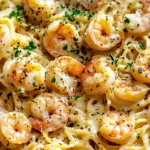
Creamy One-Pot Garlic Butter Shrimp Pasta
- Total Time: 30 minutes
- Yield: 4 servings 1x
- Diet: General
Description
This One-Pot Garlic Butter Shrimp Pasta is a quick meal with juicy shrimp and a creamy sauce.
Ingredients
- 8 oz spaghetti
- 1 lb shrimp, peeled and deveined
- 4 tbsp unsalted butter
- 4 cloves garlic, minced
- 1/2 cup low-sodium chicken broth
- 1/2 cup heavy cream
- 1/4 cup grated parmesan cheese
- 2 tbsp fresh parsley, chopped
- salt to taste
- pepper to taste
Instructions
- Boil: Bring a large pot of salted water to a rolling boil and cook spaghetti until al dente, about 8-10 minutes. Reserve 1/2 cup of pasta water, then drain and set aside.
- Melt: In the same pot, add the unsalted butter and heat it over medium.
- Sauté: Toss in the minced garlic and sauté for about 1 minute until fragrant.
- Cook: Add the peeled shrimp, season with salt and pepper, and cook for 3-4 minutes until they turn pink.
- Mix: Pour in the chicken broth and heavy cream; stir well to combine.
- Combine: Add the cooked spaghetti and reserved pasta water back into the pot, tossing until evenly coated.
- Finish: Stir in parmesan cheese until melted, then remove from heat.
- Garnish: Serve immediately, topped with fresh parsley and additional parmesan.
Notes
Use fresh shrimp for maximum flavor; avoid overcooking to keep them tender.
- Prep Time: 10 minutes
- Cook Time: 20 minutes
- Category: Dinner
- Method: Stovetop
- Cuisine: Italian
Nutrition
- Serving Size: 1 serving
- Calories: 480 kcal
- Sugar: 2 g
- Sodium: 600 mg
- Fat: 20 g
- Saturated Fat: 10 g
- Unsaturated Fat: 10 g
- Trans Fat: 0 g
- Carbohydrates: 50 g
- Fiber: 2 g
- Protein: 25 g
- Cholesterol: 200 mg
Keywords: shrimp pasta, one pot meal, garlic butter shrimp, creamy pasta, 30 minute dinner