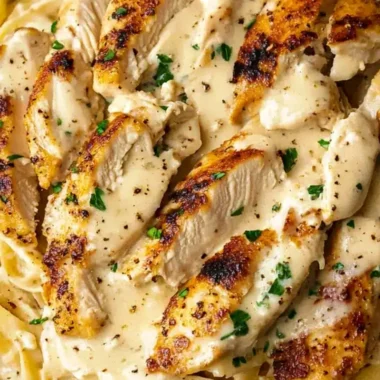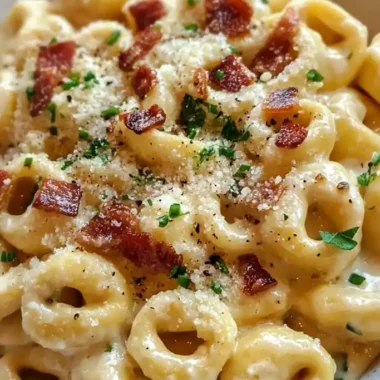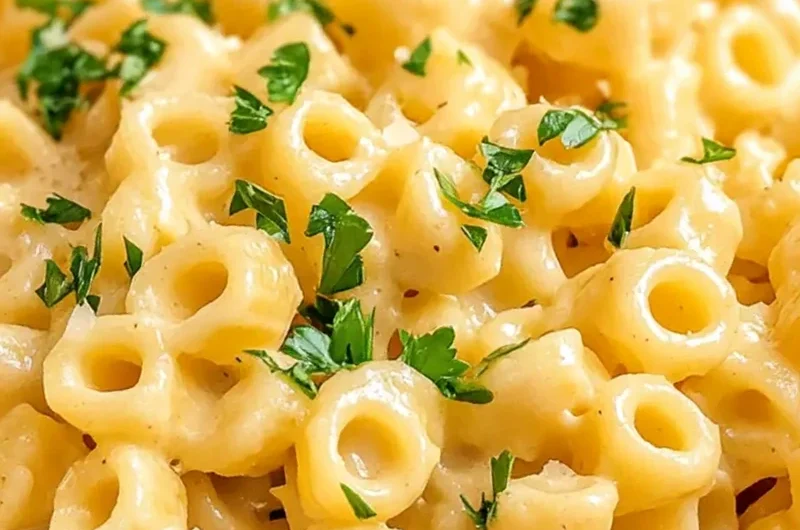
This creamy ditalini pasta is a quick one-pot meal that takes only 15 minutes to prepare. It combines garlicky flavors with a rich cheese sauce for a satisfying dinner. This dish is ideal for busy weeknights when you need comfort food with minimal cleanup.
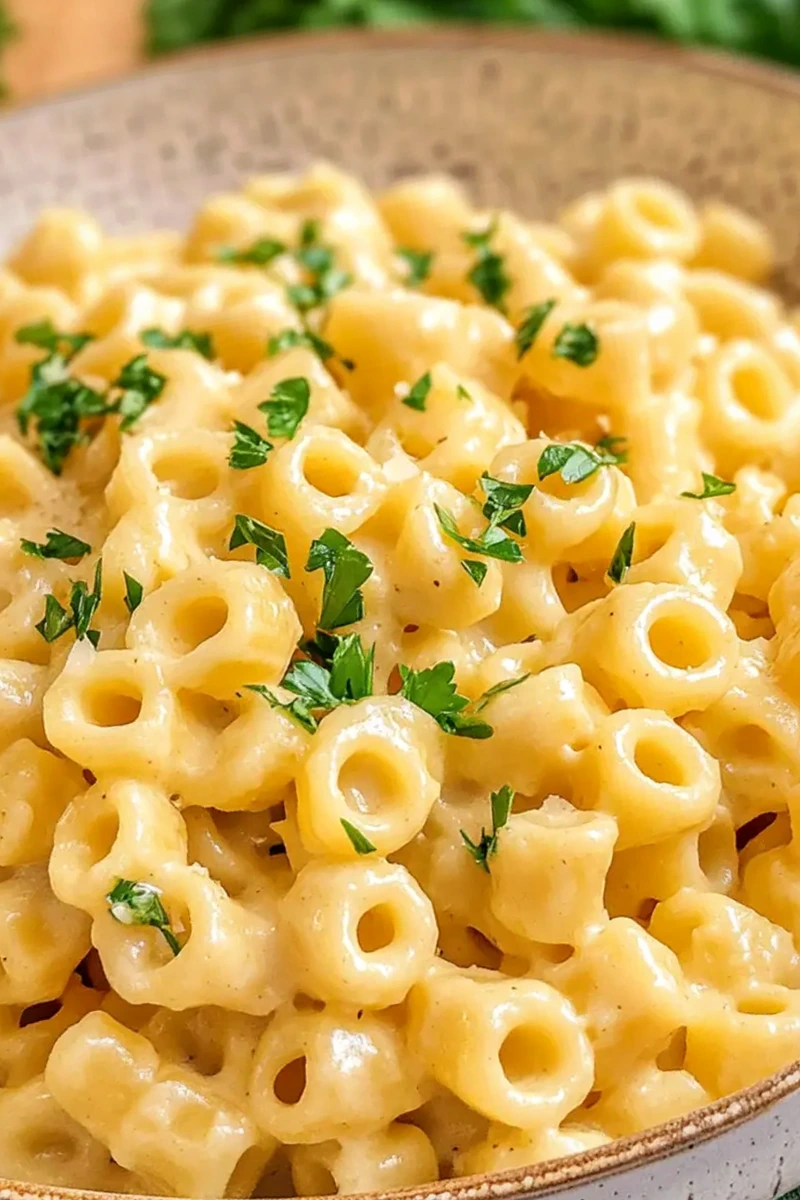
List of ingredients
- 2 tablespoons Olive Oil – used for sautéing garlic and coating the pasta.
- 1 tablespoon Garlic Paste – provides a concentrated garlic flavor throughout the dish.
- 1.25 cups Ditalini Pasta – small tube-shaped pasta that holds the creamy sauce well.
- 2 cups Chicken Broth – the liquid base that cooks the pasta and adds depth.
- 0.25 teaspoon Salt – used to enhance the overall seasoning.
- 0.5 cups microbial-rennet Parmesan Cheese – adds saltiness, umami, and thickness to the sauce.
- 0.25 cups Heavy Cream – creates the signature velvety texture.
- 2 tablespoons Salted Butter – provides a rich, glossy finish to the emulsion.
- Black Pepper – freshly cracked for a subtle spicy bite.
- Fresh Parsley – minced for a bright, herbaceous garnish.
step-by-step instructions
- Sauté the garlic: Heat 2 tablespoons of olive oil in a large skillet over medium-high heat. Once the oil shimmers, add 1 tablespoon of garlic paste and sauté for 1 to 2 minutes until fragrant and lightly browned, being careful not to burn it.
- Toast the pasta: Stir in 1.25 cups of uncooked ditalini pasta. Ensure every piece of pasta is coated in the garlic-infused oil and stir for about 1 minute to warm the grains.
- Simmer in broth: Pour in 2 cups of chicken broth and add 0.25 teaspoon of salt. Bring the mixture to a gentle boil over medium-high heat, stirring frequently to prevent the pasta from sticking, and cook for about 8 minutes until the pasta is al dente.
- Create the creamy sauce: Reduce the heat to low. Stir in 0.5 cups of microbial-rennet Parmesan cheese, 0.25 cups of heavy cream, and 2 tablespoons of salted butter. Stir continuously until the ingredients melt and form a smooth, thick sauce.
- Final seasoning: Taste the pasta and add more salt or freshly cracked black pepper as needed. Garnish the dish with minced fresh parsley and serve immediately while hot.
Optimal Serving Pairings
Buttery Garlic Bread
Toasted garlic bread is the ideal accompaniment for this pasta. The crunch of the bread provides a texture contrast to the soft ditalini, and the garlic notes complement the sauce. Use it to scoop up any remaining creamy sauce from the plate.
Fresh Garden Salad
A simple green salad with a lemon-based vinaigrette helps balance the richness of the heavy cream and butter. Incorporate cherry tomatoes, sliced cucumbers, and a pinch of salt. The acidity of the dressing cuts through the fat of the cheese sauce.
Roasted Seasonal Vegetables
Roasted broccoli, carrots, or bell peppers add necessary nutrients and color to the meal. Toss them in olive oil and salt before roasting at 400 degrees Fahrenheit until caramelized. These vegetables provide a slight sweetness that pairs well with the savory garlic base.
Creamy Coleslaw
A chilled coleslaw offers a refreshing temperature contrast to the hot pasta. The vinegar and mayonnaise base of the slaw provides a tangy flavor that cleanses the palate between bites of the rich cheese sauce.
Professional Cooking Tips
Control the Heat to Prevent Garlic Burning
Garlic paste cooks faster than fresh minced garlic and can turn bitter if overheated. Keep the skillet at a medium-high heat but stir constantly during the first two minutes. If the garlic begins to brown too quickly, add a splash of broth immediately to lower the temperature.
Maintain Correct Liquid Levels
The ratio of broth to pasta is critical for achieving the right consistency. Ensure the liquid just covers the ditalini to avoid a watery sauce. If the broth evaporates too quickly before the pasta is cooked, add an extra quarter cup of liquid one tablespoon at a time.
Use Freshly Grated Microbial-Rennet Cheese
Pre-shredded cheeses often contain anti-clumping agents like cellulose that can prevent a smooth melt. Grate your microbial-rennet Parmesan from a block for a superior, velvety emulsion. This ensures the sauce clings to the pasta rather than separating.
Serve Immediately for Best Texture
The starch in the pasta continues to absorb liquid even after the heat is turned off. Serving the dish immediately prevents it from becoming overly thick or sticky. If you must wait a few minutes, keep the skillet on the lowest possible heat setting.
Ingredient Substitutions
Using Vegetable Broth for Vegetarian Results
To make this dish vegetarian, replace the chicken broth with a high-quality vegetable broth. Ensure the vegetable broth has a low sodium content so you can control the salt levels. This maintains the savory depth while adhering to plant-based broth preferences.
Gluten-Free Pasta Options
Swap ditalini for a gluten-free alternative such as brown rice pasta or corn-based small shells. Be aware that gluten-free pastas often release more starch or cook at different rates. Adjust the broth amount slightly if the pasta absorbs the liquid faster than wheat-based versions.
Dairy-Free Cream Alternatives
For a dairy-free version, replace heavy cream with full-fat coconut cream or a cashew-based cream. Replace the butter with a plant-based butter alternative. Use nutritional yeast or a vegan Parmesan substitute to achieve the salty, umami flavor profile.
Substituting Garlic Paste with Fresh Garlic
If you do not have garlic paste, use three to four cloves of finely minced fresh garlic. Sauté the fresh garlic slightly longer than the paste to ensure it softens and releases its aromatic oils. This provides a more pungent and sharp garlic flavor.
Recipe Variations
Adding Sautéed Vegetables
Incorporate finely diced zucchini, frozen peas, or baby spinach into the skillet. Add the vegetables during the last three minutes of the broth simmering stage. This adds color and nutrition without altering the cooking time of the pasta.
Incorporating Protein Boosts
Add cooked shredded chicken, sautéed shrimp, or diced tofu to make the meal more filling. Stir the cooked protein in at the same time as the cheese and cream. This ensures the protein is heated through and coated in the sauce.
Adding a Spicy Element
For a spicy twist, add a pinch of red pepper flakes during the garlic sautéing step. Alternatively, stir in a teaspoon of sriracha or chopped jalapeños at the end. This heat contrasts well with the cooling effect of the heavy cream.
Enhancing Umami with Extra Seasoning
Add a small amount of nutritional yeast or a drop of soy sauce to deepen the savory profile. A pinch of nutmeg can also be added to the cream to give the sauce a professional, nutty undertone similar to a bechamel.
Storage and Reheating Guidelines
Refrigeration and Shelf Life
Store leftover ditalini pasta in an airtight container in the refrigerator for up to three days. The sauce will naturally thicken and solidify as it cools due to the starch and fats. Do not leave the pasta at room temperature for more than two hours to avoid spoilage.
Freezing Instructions
This pasta can be frozen for up to two months in a freezer-safe container. Allow the dish to cool completely before sealing to prevent ice crystals from forming. Thaw the pasta in the refrigerator overnight before reheating for the best possible results.
Proper Reheating Technique
Avoid using a microwave on high heat, as this can cause the cream sauce to separate and become oily. Instead, reheat the pasta in a skillet over low heat. Add a tablespoon of chicken or vegetable broth to loosen the sauce and restore its creamy consistency.
Preventing Sauce Separation
When reheating, stir the pasta gently and constantly. If the sauce looks broken, whisk in a tiny amount of cold butter or a splash of cream. This helps re-emulsify the fats and liquids for a smooth texture.
Make-Ahead Strategy
Pre-Cooking the Pasta Base
You can prepare the pasta and broth stage up to 24 hours in advance. Cook the ditalini in the broth until it is slightly under al dente, then store it in the fridge. This reduces the active cooking time on the night of serving.
Final Assembly Process
When ready to serve the pre-cooked pasta, place it back in a skillet over medium heat. Add the Parmesan, cream, and butter, stirring until the sauce thickens and the pasta reaches the perfect texture. This method ensures the cream doesn’t overcook during storage.
Troubleshooting Common Issues
What to do if the sauce is too thick?
If the sauce becomes a thick paste, it is likely because the pasta absorbed too much liquid. Stir in extra chicken broth or heavy cream one tablespoon at a time. Continue stirring over low heat until the desired fluidity is achieved.
How to fix overcooked pasta?
Overcooked pasta cannot be reversed, but you can improve the dish by adding more texture. Incorporate a garnish of toasted pine nuts or crisp vegetables to offset the softness. Ensure you use a higher heat for the broth stage next time to keep the pasta al dente.
Fixing a grainy sauce texture
A grainy sauce usually happens if the cheese was added to boiling liquid, causing it to clump. To fix this, remove the pan from the heat and whisk in a small amount of warm cream. Slowly stir until the clumps integrate into the sauce.
Frequently Asked Questions
What type of pasta should I use for this recipe?
Ditalini is the traditional choice because its small size and hollow center capture the sauce. However, you can use any small shape such as pastina, acini di pepe, or mini shell pasta. The key is to use a small shape to maintain the creamy ratio.
Can I use a different cheese instead of Parmesan?
Pecorino Romano is a great alternative for those who prefer a sharper, saltier taste. If using Pecorino, reduce the additional salt in the recipe as this cheese is naturally saltier than Parmesan. Ensure any substitute is a microbial-rennet cheese.
Can this recipe be made in a pot instead of a skillet?
Yes, a deep saucepan or pot works perfectly for this recipe. A skillet is often preferred because the wider surface area allows the broth to evaporate more efficiently. If using a pot, you may need to simmer the broth for an extra minute.
How do I know when the ditalini is al dente?
The pasta is al dente when it is tender to the bite but still has a slight firmness in the center. It should not be mushy or falling apart. Start tasting the pasta around the 7-minute mark to ensure it does not overcook.
Is this dish suitable for children?
Yes, the mild garlic and creamy cheese flavors are generally very appealing to children. To make it even more kid-friendly, you can finely mince the parsley or omit it entirely. It also serves as a great base for adding hidden vegetables like pureed cauliflower.
Print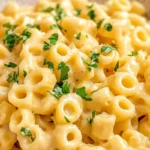
Creamy One-Pot Viral Ditalini Pasta
- Total Time: 15 minutes
- Yield: 4 servings 1x
- Diet: General
Description
Experience the warmth of that viral ditalini pasta recipe with creamy, garlicky flavors ready in just 15 minutes.
Ingredients
- 2 tablespoons Olive Oil
- 1 tablespoon Garlic Paste
- 1.25 cups Ditalini Pasta
- 2 cups Chicken Broth
- 0.25 teaspoon Salt
- 0.5 cups microbial-rennet Parmesan Cheese
- 0.25 cups Heavy Cream
- 2 tablespoons Salted Butter
- Black Pepper
- Fresh Parsley
Instructions
- Step 1: Heat 2 tablespoons of olive oil over medium-high heat, add 1 tablespoon of garlic paste and sauté for 1-2 minutes until fragrant.
- Step 2: Stir in 1.25 cups of uncooked ditalini pasta and cook for about 1 minute.
- Step 3: Pour in 2 cups of chicken broth, add 0.25 teaspoon of salt, and cook for about 8 minutes or until the pasta is al dente.
- Step 4: Reduce heat to low and stir in 0.5 cups of Parmesan cheese, 0.25 cups of heavy cream, and 2 tablespoons of salted butter until smooth.
- Step 5: Season with salt and black pepper, then garnish with minced fresh parsley.
Notes
This dish is best enjoyed immediately; reheating can separate the creamy sauce.
- Prep Time: 5 minutes
- Cook Time: 10 minutes
- Category: Dinner
- Method: One-pot
- Cuisine: Italian
Nutrition
- Serving Size: 1 serving
- Calories: 450 kcal
- Sugar: 1 g
- Sodium: 600 mg
- Fat: 25 g
- Saturated Fat: 15 g
- Unsaturated Fat: 10 g
- Trans Fat: 0 g
- Carbohydrates: 45 g
- Fiber: 2 g
- Protein: 12 g
- Cholesterol: 80 mg
Keywords: ditalini pasta, creamy pasta, one-pot pasta, Italian comfort food